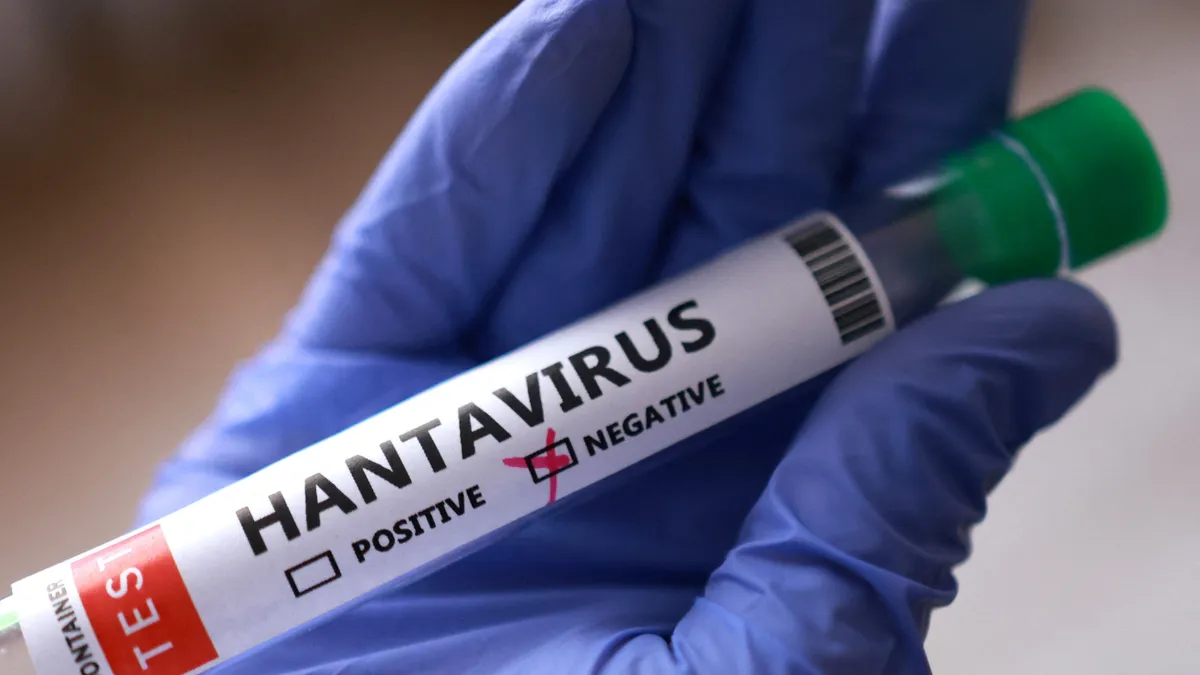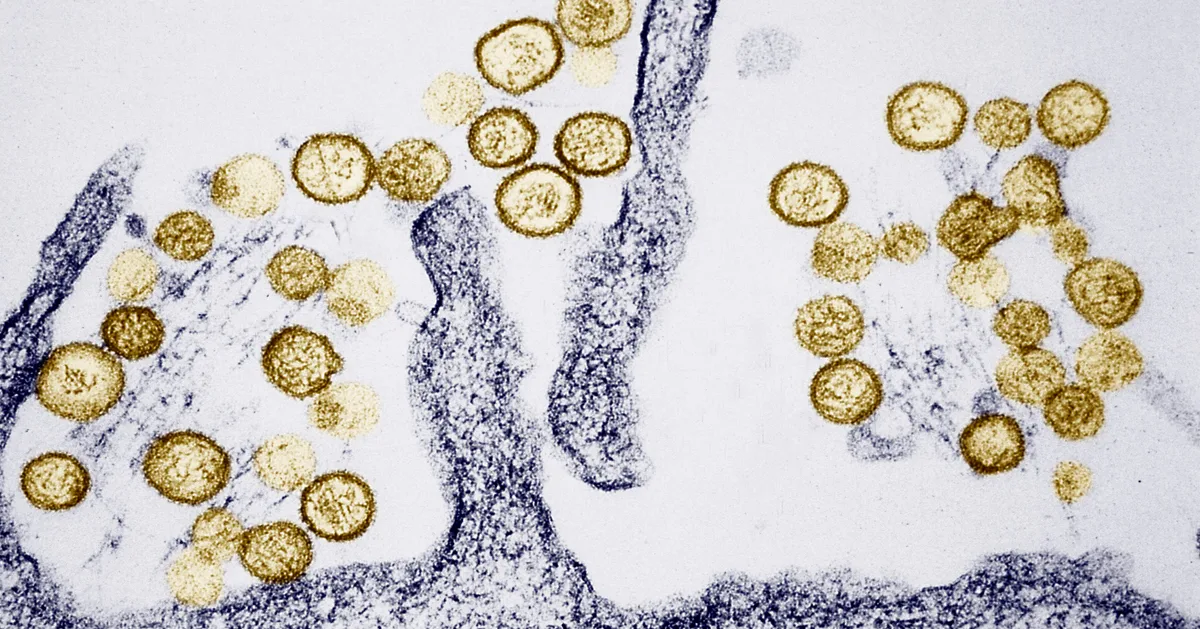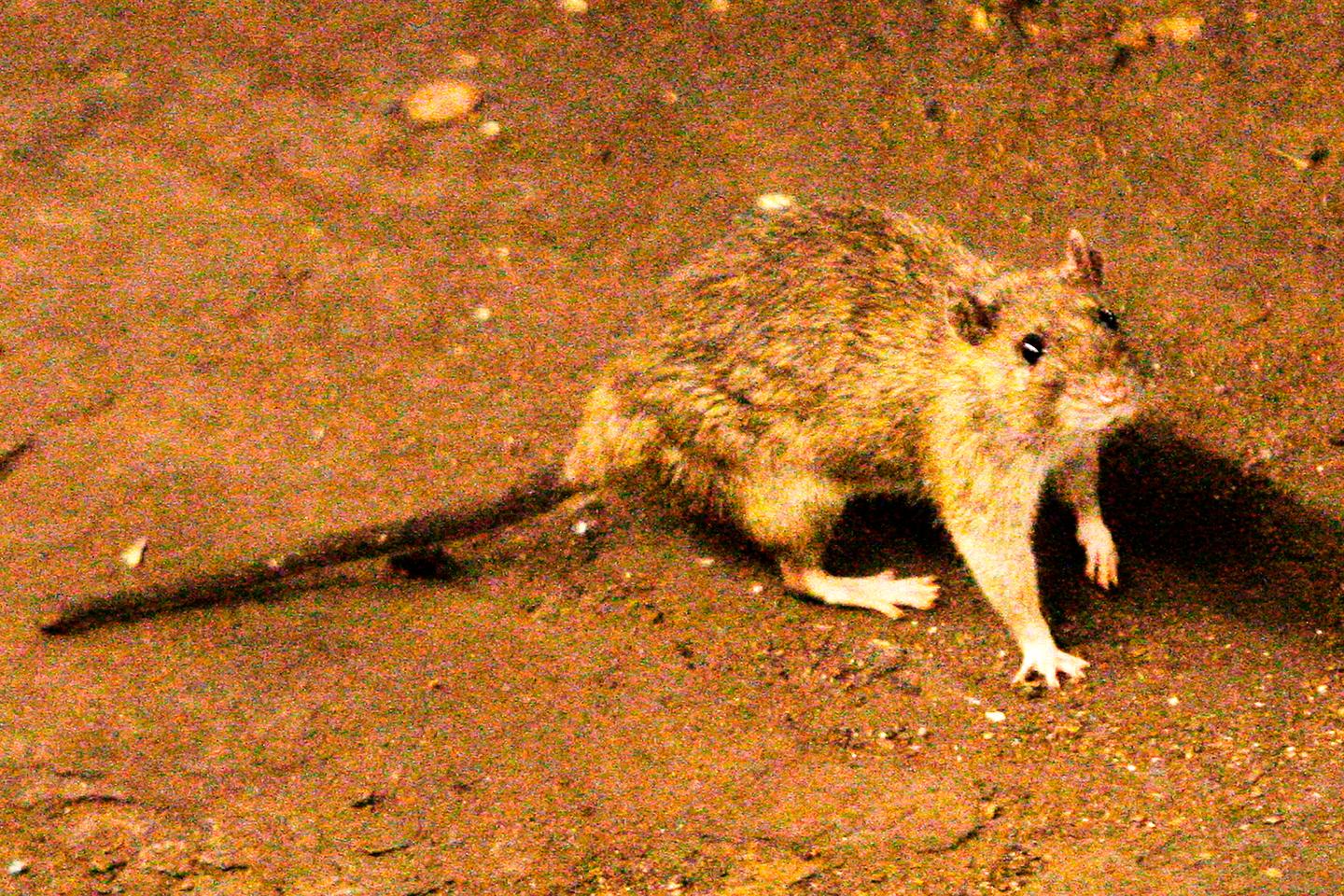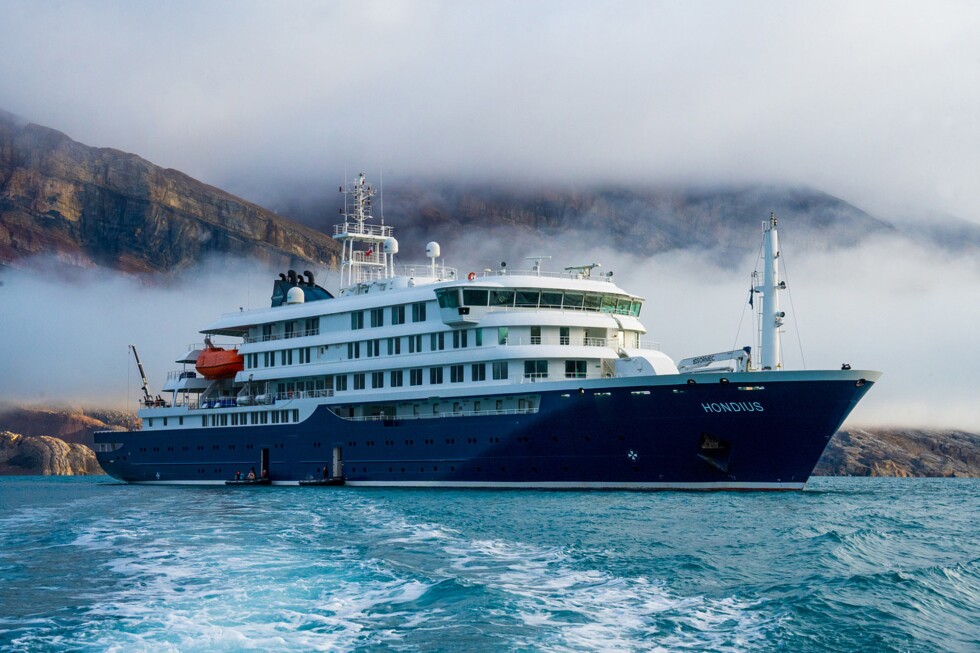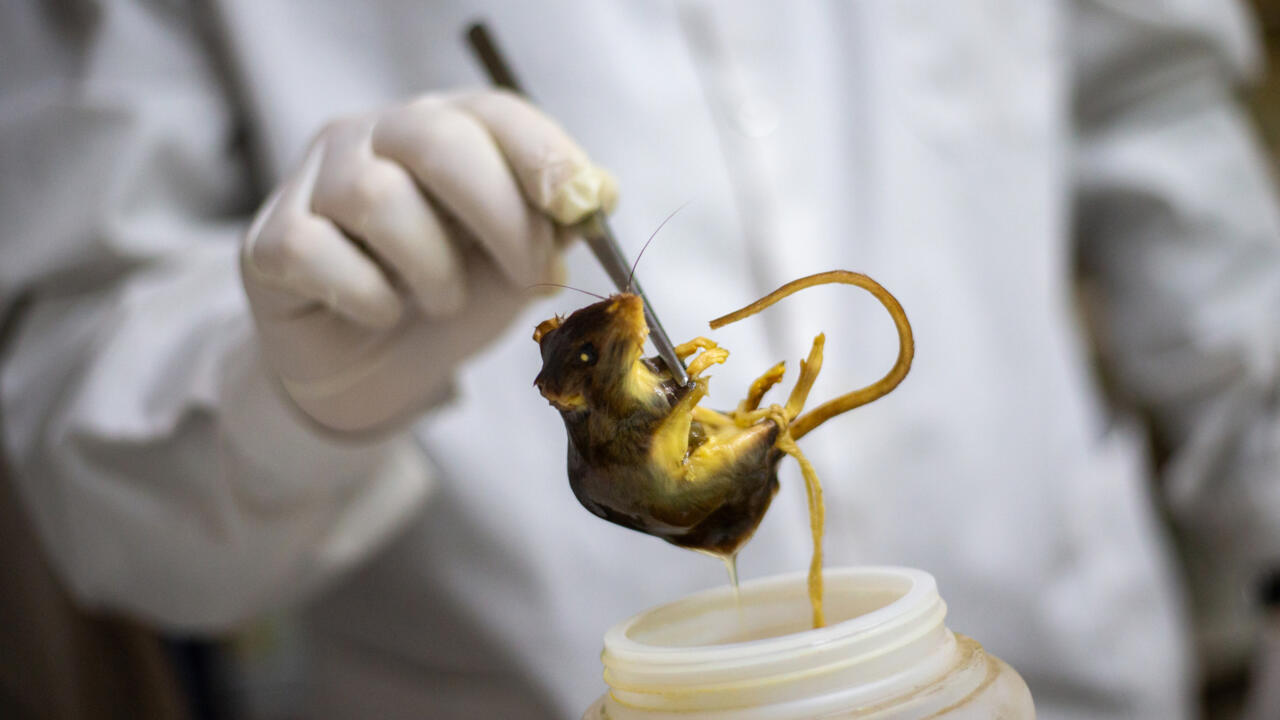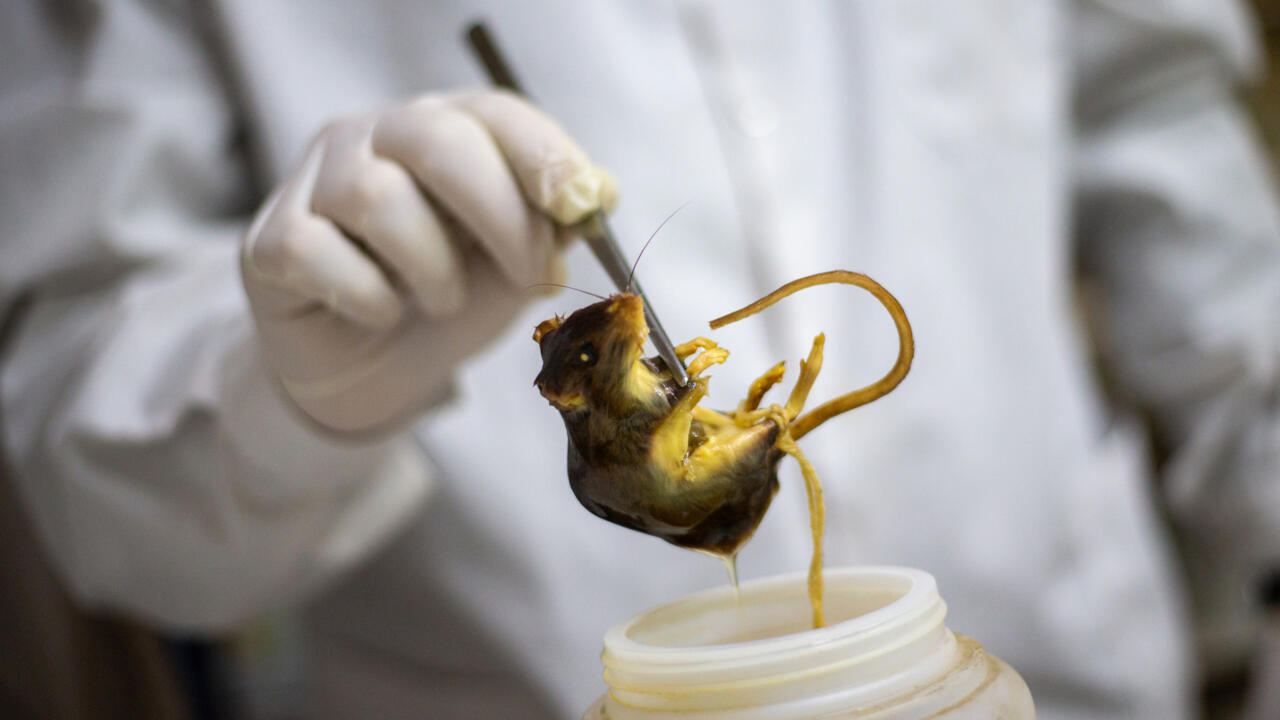
One person in Colorado has died from a hantavirus exposure from a local rodent, the Colorado Department of Public Health and Environment said.The adult was not connected to the outbreak on the MV Hondius cruise ship from April, the department said. The state health agency said in a statement that “the risk to the general public remains low.”
The CDC had said last week that there were no cases of hantavirus in the United States, as health officials have widely urged Americans to remain calm about the virus.
“This is, again, not like COVID, and the CDC has been working very closely with our international partners, our state and local partners,” Acting CDC Director Jay Bhattacharya said in early May during worry over the MV Hondius outbreak, which resulted in three human deaths.
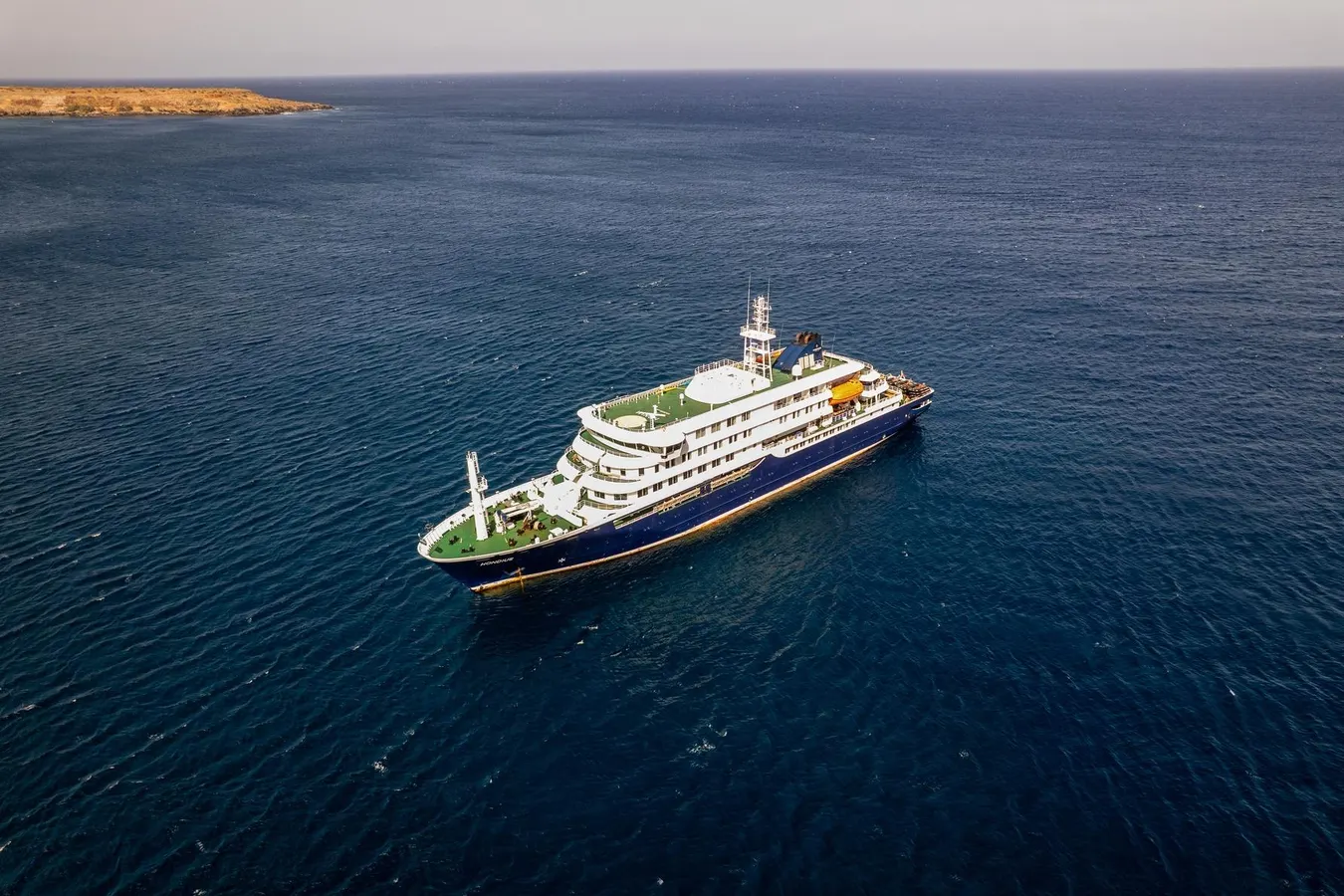
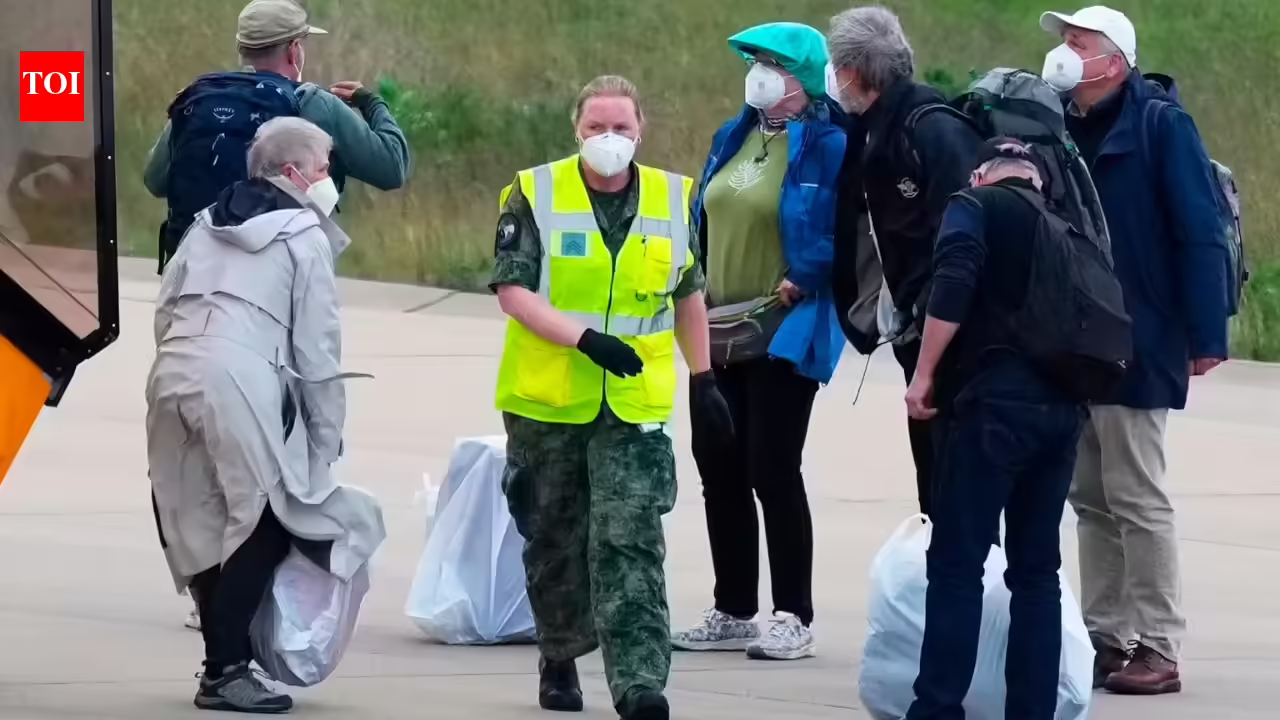
The outbreak on the MV Hondius cruise ship led to 11 cases of hantavirus aboard the ship, of which eight were confirmed, one was inconclusive and two were probable. Passengers were suspected to have contracted the virus during an excursion in Argentina.
The major concern regarding the outbreak on the cruise ship was the fact that World Health Organization experts suspected the virus was spread through human-to-human transmission, which had not been previously seen with hantavirus. The rare Andes strain, which is the strain that affected the cruise ship, is the only strain that had shown evidence of human-to-human spread, though it typically takes extremely close contact with an affected individual.