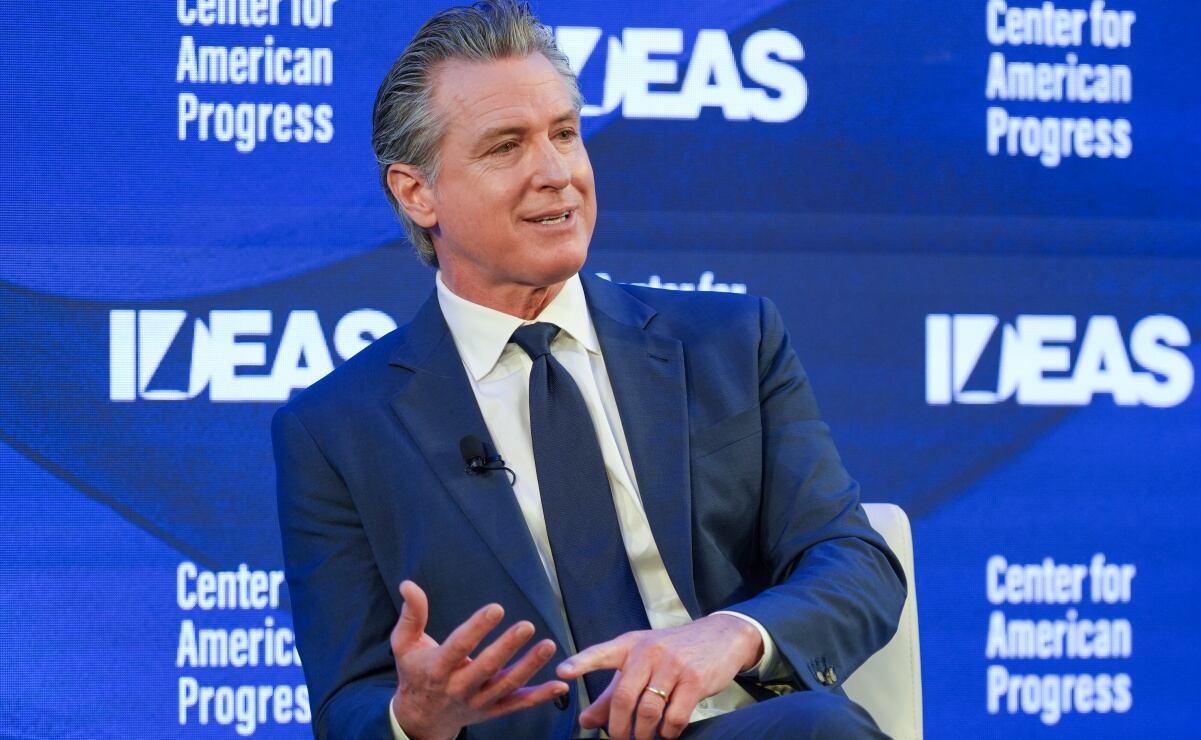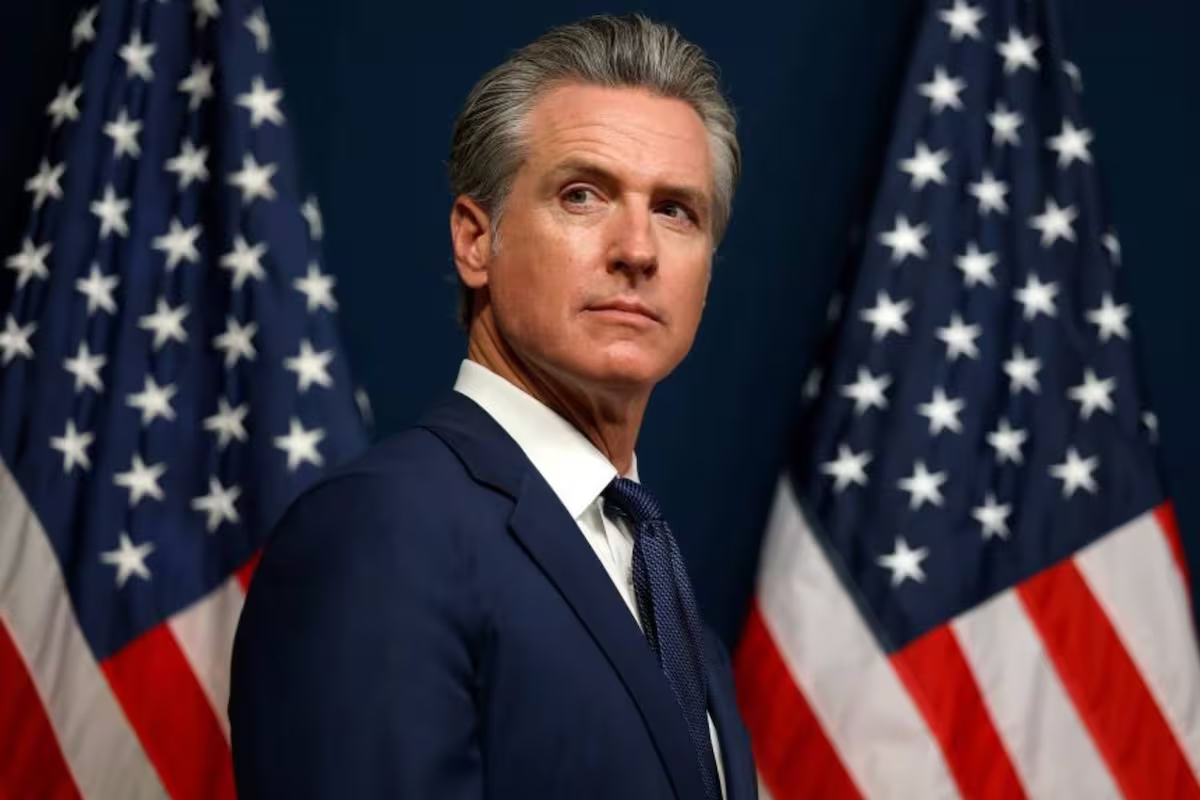
One day after Meta announced 8,000 job cuts, California Governor Gavin Newsom signed what his office called a “first-in-the-nation” executive order aimed squarely at the economic fallout of artificial intelligence. The order, signed on May 21, 2026, directs state agencies to develop policies covering severance standards, expanded employment insurance, transition support, and workforce retraining for workers displaced by AI.
What the order actually does
The executive order has two big structural mandates. First, California must stand up a public dashboard tracking hiring and payroll trends tied to AI integration within 90 days. Second, a comprehensive review of the state’s existing safety-net policies, things like unemployment insurance, job retraining programs, and severance protections, must be completed within 180 days. The review is designed to identify gaps in current systems that weren’t built to handle the speed at which AI can eliminate entire job categories.
Beyond those deadlines, the order explores subsidizing companies that retain workers instead of replacing them with AI, universal basic capital, a concept where workers receive ownership stakes rather than just paychecks, and worker ownership models. None of these exploratory concepts carry the force of law yet. They’re directives for agencies to study and propose frameworks.