This is a submission for the Google I/O Writing Challenge
Google I/O 2026 brought incredible technical announcements, robust models, and massive context windows. But as someone who lives and breathes technology, I’ve come to realize that the greatest Artificial Intelligence revolution often isn't in the number of parameters of a cloud-hosted model, but rather in how everyday people interact with it on the ground.
To test the true impact of this year's updates, I decided to observe the ecosystem right inside my own home. My wife and my mother-in-law don’t work in tech and have always viewed these generative AI tools as something distant, complex, or purely "a programmer thing."
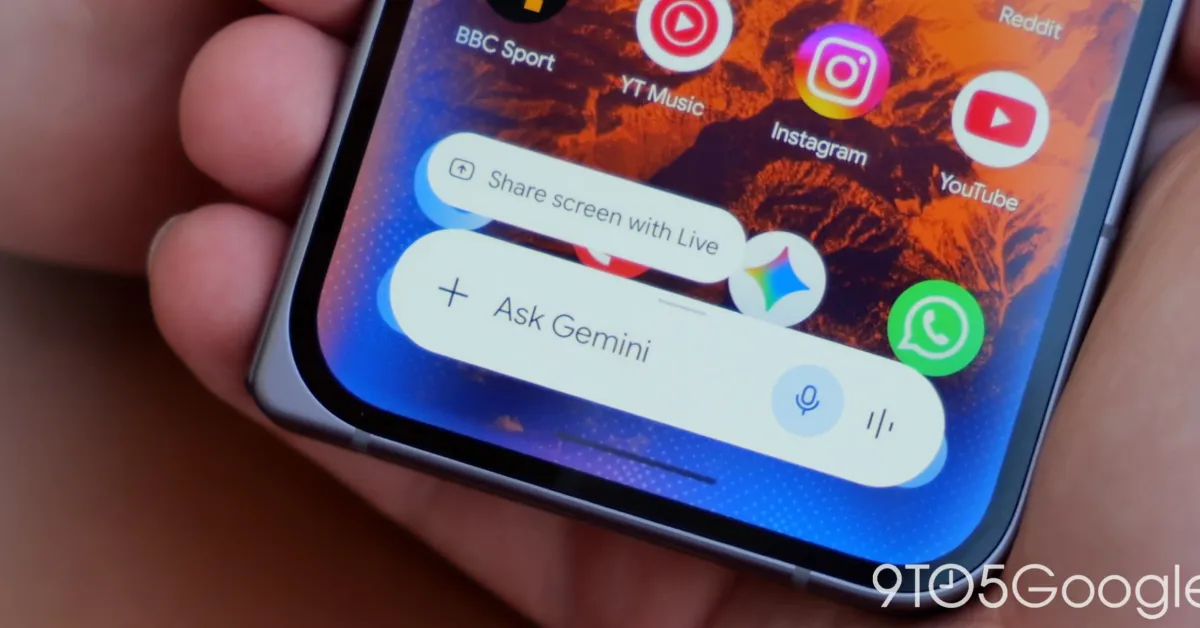
Everything changed with the arrival of the new Gemini mobile interface, driven by the new design language and faster models presented at the event.
Previously, when someone tried to interact with an AI assistant on a phone, the response usually came in massive blocks of plain text, or with that "typing effect" that gave the distinct feeling of waiting for a machine to process data.