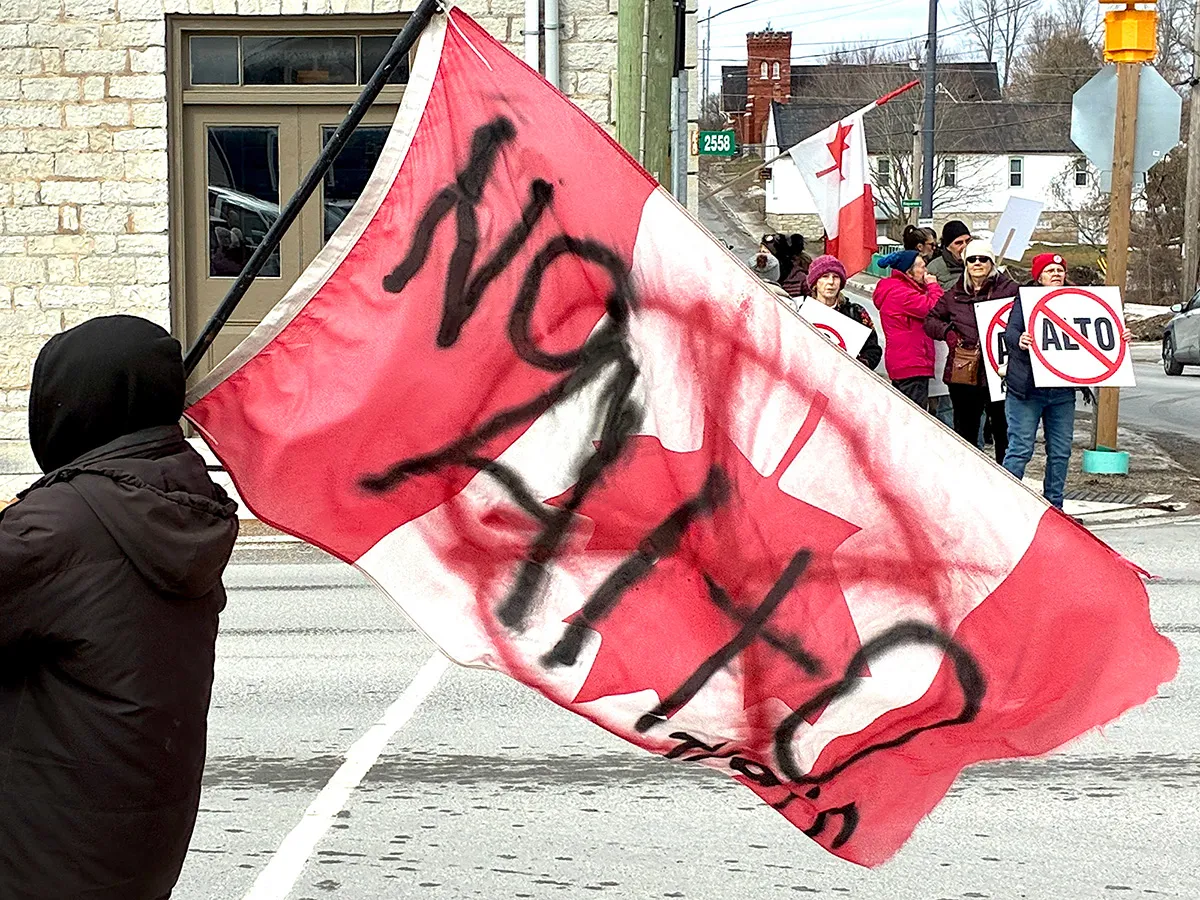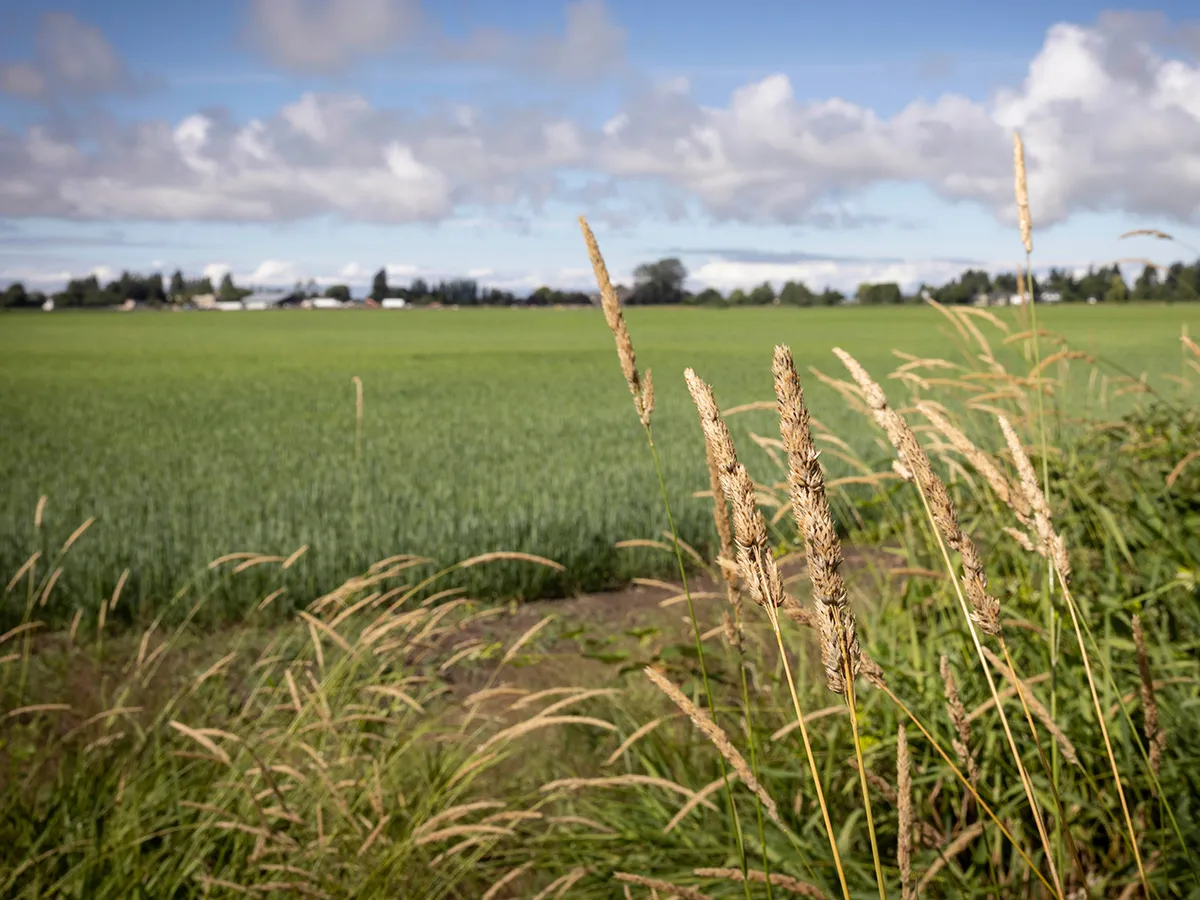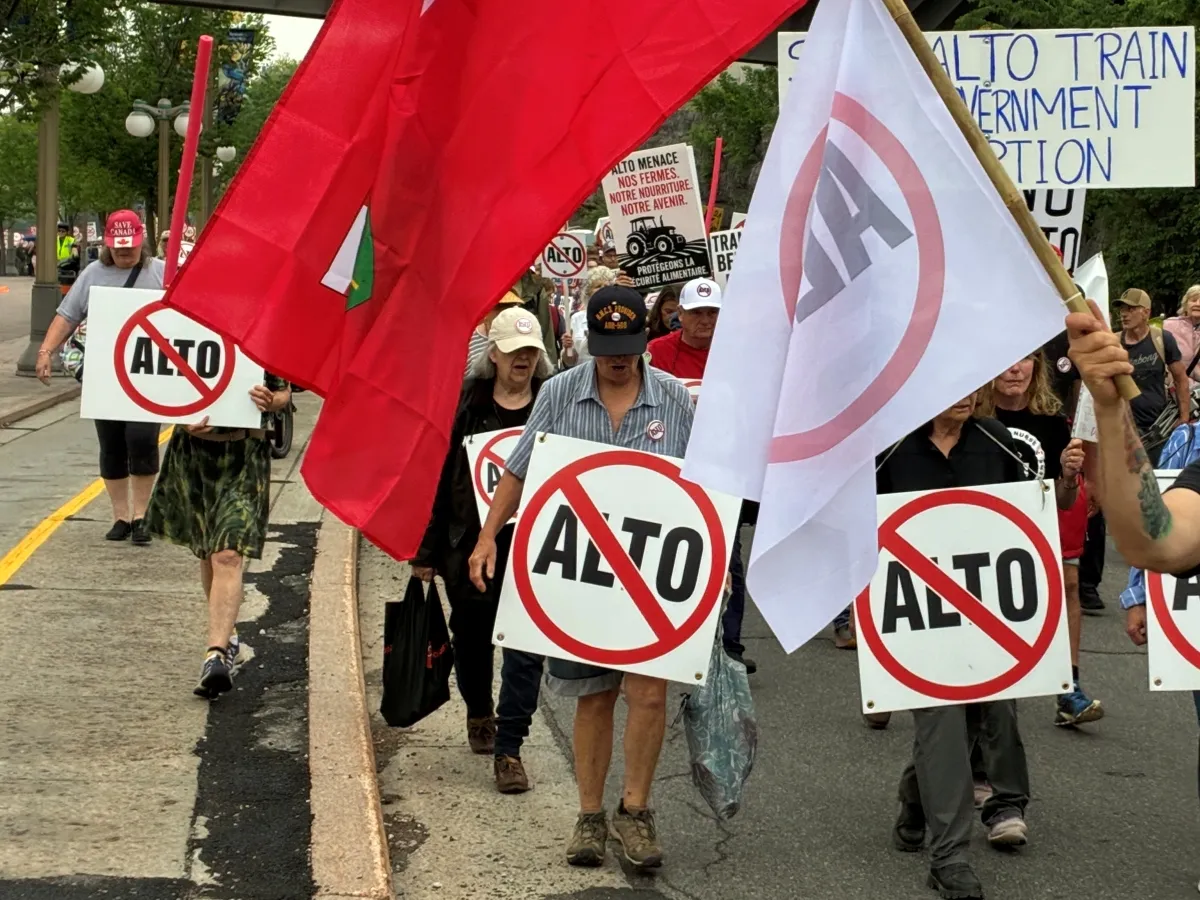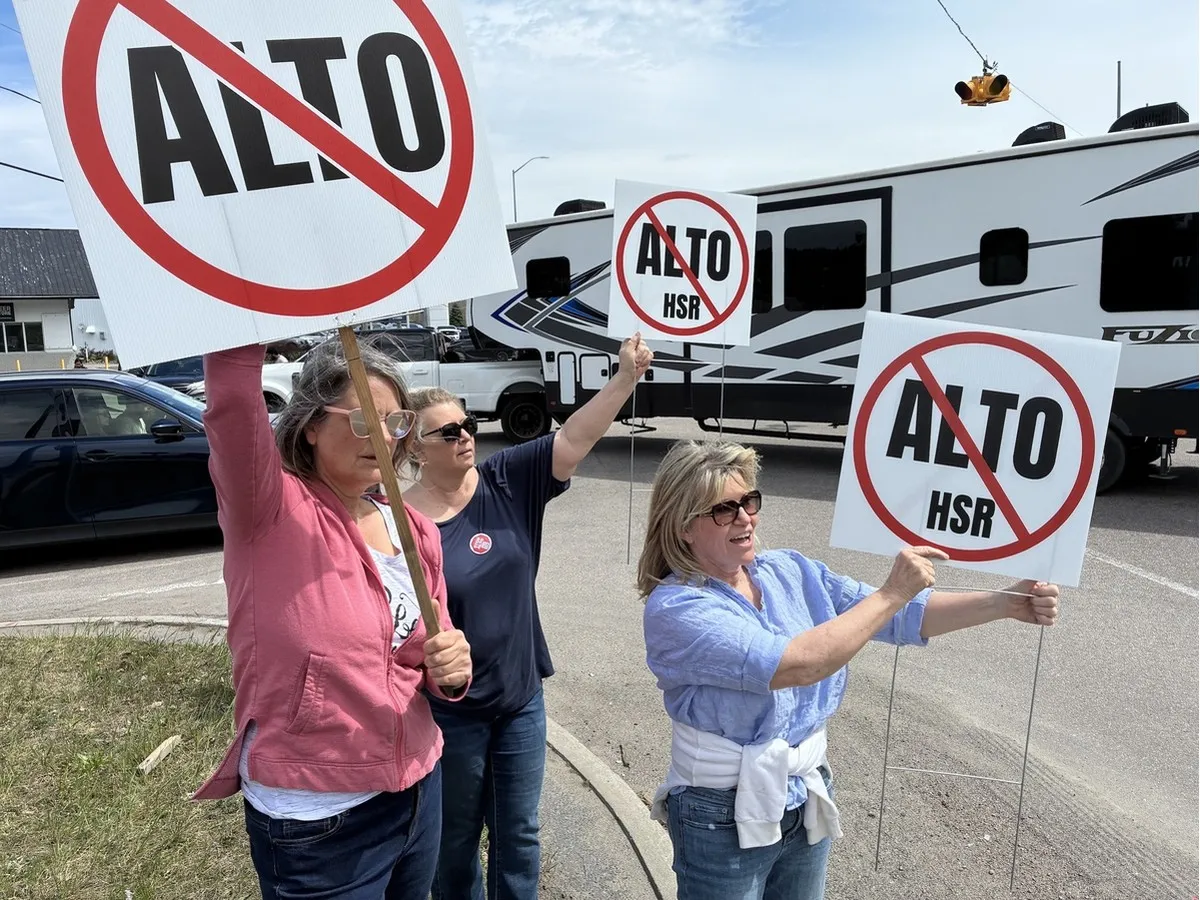
Skip to Content Subscribe Our Offers My Account Manage My Subscriptions FAQ Newsletters Canada Canadian True Crime Canadian Politics Health World Israel & Middle East Financial Post NP Comment Longreads Puzzmo Diversions Comics NP News Quiz New York Times Crossword Horoscopes Life Eating & Drinking Style Sponsored Play for Ontario Travel Travel Canada Travel USA Travel International Cruises Travel Essentials Culture Books Celebrity Movies Music Theatre Television Business Essentials Advice Lives Told Tails Told Shopping Buy Canadian Home Living Outdoor Living Tech Style & Beauty Kitchen & Dining Personal Care Entertainment & Hobbies Gift Guide Travel Guide Deals Savings National Post Store More Sports Hockey Baseball Basketball Football Soccer Golf Tennis Driving Vehicle Research Reviews News Gear Guide Obituaries Place an Obituary Place an In Memoriam Classifieds Place an Ad Celebrations Working Business Ads Archives Healthing Epaper Manage Print Subscription Profile Settings My Subscriptions Saved Articles My Offers Newsletters Customer Service FAQ Newsletters Canada World Financial Post NP Comment Longreads Puzzmo Diversions Life Shopping Epaper Manage Print Subscription HomeCanadaCanadian PoliticsFarmers, conservationists and rural communities are uniting to protest high-speed railBower received three notices of the planned route, which suggests shaving a 30-metre strips of land on either side of his property You can save this article by registering for free here. Or sign-in if you have an account.Protestors stand along Highway 7 in Kaladar during a series of rallies along the proposed northern route of the Alto high-speed rail project on Saturday, May 16, 2026 in Sharbot Lake, Ont. Photo by Elliot Ferguson /The Kingston Whig-StandardOTTAWA — Andie Bower, a farmer for Ferme Mont-Vulley Inc., allows wildlife to roam freely on his farm but worries this won’t be possible if a new high-speed rail line gets built.Enjoy the latest local, national and international news.Exclusive articles by Conrad Black, Barbara Kay and others. Plus, special edition NP Platformed and First Reading newsletters and virtual events.Unlimited online access to National Post.National Post ePaper, an electronic replica of the print edition to view on any device, share and comment on.Daily puzzles including the New York Times Crossword.Support local journalism.Enjoy the latest local, national and international news.Exclusive articles by Conrad Black, Barbara Kay and others. Plus, special edition NP Platformed and First Reading newsletters and virtual events.Unlimited online access to National Post.National Post ePaper, an electronic replica of the print edition to view on any device, share and comment on.Daily puzzles including the New York Times Crossword.Support local journalism.Create an account or sign in to continue with your reading experience.Access articles from across Canada with one account.Share your thoughts and join the conversation in the comments.Enjoy additional articles per month.Get email updates from your favourite authors.Create an account or sign in to continue with your reading experience.Access articles from across Canada with one accountShare your thoughts and join the conversation in the commentsEnjoy additional articles per monthGet email updates from your favourite authorsSign In or Create an Accountor“There will probably be quite a few different animals that would be displaced because of that tree line being knocked down and turned into a corridor,” said Bower.The federal government announced in February 2025 that it would plan to develop a high-speed rail network, also known as Alto, connecting the Toronto-Quebec City corridor.The $60- to $90-billion project could increase Canada’s annual GDP by 1.1 per cent, which translates to $24.5 billion per year, according to government projections.Alto would also generate around 55,000 jobs and introduce a revenue of $800 million in tourism per year.However, since its initial proposal, there has been pushback from local farmers, snowmobilers and MPs about its disruption to the intersections of wildlife and community.Bower received three notices of the planned route, which suggests shaving a 30-metre strips of land on either side of his approximately 2,000-acre property.Bower said that land cuts could make-or-break task flow during the year because he would spend more time and money on fuel to travel around the train tracks.He wants to oppose the plan to his property, but said that the notice letters do not have a return address.“[There are] just no resources out there for us to reach out to and voice our opinions on the matter to express the overwhelming feeling that we do not want this coming through our community,” said Bower.Bower was preparing to build a new home on his property but, with the government’s plans for a new high-speed rail line heating up, he may have to rethink his plans.The Expropriation Act allows the federal government to purchase land at the property’s value for public works and purposes.Land can also be subject to a notice of right of first refusal (ROFR) through the High-Speed Rail Network Act, giving the government the opportunity to match third-party property offers.In Bower’s case, the government estimates around $1,500 per field, but his field is worth more than that, he said.Cutting a 30-metre strip down the field can amount to about one acre, which he values between $15,000 to $16,000.A notice of prohibition can also be placed, which forbids owners from exercising certain activities on their property or they will be fined.Bower plans to build a new home on the property this summer, but seeing as Alto may be placed close to his blueprint, he said he worries that it may be too disruptive.The major concern for Bower is the noise and possible displacement of species and their effects on his crops and beef raising project, he said.Bower said that the noise may scare animals that pollinate his crops and the cows he raises for his beef-raising project.Moreover, the proposed Alto corridor zips through tree lines, which may result in animal displacement, Bower said. Therefore, animals will need to come from other areas.In theory, that could possibly drop our yields, Bower said.“If the Alto train goes forward without mitigation, it creates an impenetrable barrier for wildlife to move between the Adirondacks and Algonquin, whether they take the northern route or the southern route,” Jessica Lax, executive director for Algonquin to Adirondacks Collaborative (A2A), said.There is an “existential threat” to the A2A corridor and the ability for wildlife to move between the two protected areas, Lax said. This type of plan may result in a loss of genetic connection and irreplaceable habitats for wildlife populations, she added.Lax also said that the train will create a buffer on the north and south side of the train where vibrations and noise can disrupt species, especially birds.Alto may also need to construct the train over wetlands, whether that means filling or dredging the area, which would have hydrological impacts on the land, Lax said.Lax said that A2A is neither for or against the project, but rather seeks to mitigate development to maintain ecological integrity of the area.Alto has a platform for A2A to express their suggestions, Lax said.“If the project went ahead without any mitigation, it would be. . . a complete disaster,” Lax said.Using research and data, A2A can evaluate trends where wildlife tends to cross. Their findings suggest investing in elevated rails and crossing structures.Although this innovation would increase projected costs, it is essential for wildlife and hydrological features to continue moving and maintaining connections, Lax said.Not only may Alto disrupt the intersections of wildlife but also trails for the Ontario Federation of Snowmobile Club (OFSC), said Ryan Eickmeier, CEO of Ontario Federation of Snowmobile Club (OFSC).OFSC manages over 300,000 kilometres of snowmobiling trails that connect northern and southern activity, 2,000 kilometres of which could be impacted by Alto, Eickmeier said.Snowmobiling brings people together, generates sled traffic and spending to communities so that businesses can exist entirely in the winter, Eickmeier said.“This network is going to cut directly through the heart of an important part of snowmobiling in Ontario. . . If we can’t maintain connectivity, if we lose trail, if we’re not able to reach the same places that we do today, it will decrease the impact the sport has,” Eickmeier said.Eickmeier said the snowmobiling industry generates around $6 billion per year and supports approximately nine thousand jobs through indirect and induced spending.Eickmeier suggests not building Alto at all and rather utilizing existing transportation corridors.It is a nearly impossible effort, and a significant one at best, for our volunteers to be tasked with the “monumental effort” to reconnect their communities if this train is built, Eickmeier said.Ontario MP Scott Reid, who represents the riding of Lanark-Frontenac, said that he experienced a similar community division when Highway 416 was created.Reid lived on Phalen Road where he would walk half a kilometre to his neighbour. However, that road was severed with the creation of the highway.What used to be a short walk to the neighbour’s house is now a seven kilometre drive on highways and overpasses.“You were in a position where there was an integrated community of people who were able to be neighbourly and now they are at the edge of a divided community,” Reid said.Reid said that he sees the “barrier” the project created and worries his constituency will experience a similar division with Alto.Our website is the place for the latest breaking news, exclusive scoops, longreads and provocative commentary. Please bookmark nationalpost.com and sign up for our daily newsletter, Posted, here. Join the Conversation This website uses cookies to personalize your content (including ads), and allows us to analyze our traffic. Read more about cookies here. By continuing to use our site, you agree to our Terms of Use and Privacy Policy.
Farmers, conservationists and rural communities are uniting to protest high-speed rail
Andie Bower received notices of the planned route, which suggests shaving 30-metre strips of land on either side of his property.
1,564 words~7 min read