Dubai | New Delhi: After months of war-driven disruption that battered the UAE's hospitality sector, hotels across Dubai and Abu Dhabi are gearing up for a temporary respite during the nine-day Eid al-Adha holidays beginning Saturday, with several properties reporting a sharp surge in bookings driven by staycations and family travel.Industry executives said occupancy levels, which had plunged to nearly single digits in some cases at the peak of the regional conflict, are now set for a revival.Also read: Dubai issues over 167,000 Golden Visas to families of skilled professionalsWhile top hotels are estimating a 90-100% occupancy rate during the peak days of the Eid break, the industry average is expected to be 70-80%."This year's Eid surge has thrown something of a lifeline to the Dubai hospitality industry, after what could be called a near-death experience earlier... This is the biggest boom in domestic tourism since the war started, and it's more from staycation UAE residents," said Anuj Kejriwal, CEO of EMEA at ANAROCK Group. Occupancy across several hotels had fallen to 15-20% in mid-March, after the Iran conflict caused international travel to reach the kind of low previously only seen during the Covid-19 pandemic, he added.Saurabh Tiwari, area director for the Middle East region at Indian Hotels Company (IHCL), said the Eid break has provided a strong boost to the UAE hospitality sector, driven by robust staycation demand, GCC leisure travel, and international visitors choosing Dubai during festive periods. "At Taj Downtown and Taj JLT, we expect occupancy to grow by 70% to 75% over a regular baseline occupancy of 40% to 45% during the Eid holidays, alongside an average daily rate (ADR) growth of 15% to 20%," he said, adding that even traditionally corporate-led hotels witnessed stronger leisure demand during festive periods. As for its resort property at The Palm, it is anticipating its ADR to grow by 60% to 70%, while occupancy is projected to increase by 35% to 40% compared to a regular weekend in May.Also read: Saudi Arabia to resume Umrah visa services from May 31; announces 2026-27 pilgrimage datesExperts attributed the high local demand to disruption in air travel and higher costs."Not all airlines are fully operational from the UAE yet. Besides, higher fuel prices have pushed up ticket prices significantly... As a result, UAE residents are increasingly looking at staycations for the upcoming long Eid break," said Sandeep Ganediwalla, managing partner at RedSeer Middle East. He added that while family-friendly resorts and value-centric properties will get a boost during the extended break, it will be at a lower-than-normal revenue per available room (RevPAR). "So, it is a short-term breather for hotels, and inbound tourist recovery will still be critical for a sustained recovery for the sector," he said.Meanwhile, Deepak Jain, founder of Mayfair Consultants, said that hotel occupancy across the region has grown by 10% over the previous month and seems to be steadier than before.Several private sector companies have also joined the nine-day break and are offering leave from May 23, instead of May 26, alongside public sector and school holidays, boosting last-minute bookings."We have seen a spike in reservation activity over the last two weeks, with peak bookings seen between May 27 and May 29. Once more private sector firms announced the extended off, bookings accelerated further," said a senior executive at a major hotel in Abu Dhabi.Hotel operators said many properties that had reduced staffing or cut shifts during the slowdown were now scrambling to ramp up manpower ahead of the holiday rush. "As bookings dried up in March, many F&B, front office, and spa professionals either returned to their own countries or to other markets. Most hotels are now urgently recalling their workers or hiring temporary staff to meet the sudden spike in demand," said Kejriwal.The rebound comes even as the sector continues to face the fallout of months of geopolitical tensions, disrupted travel flow, weakened conference activity, and reduced international tourist numbers.The Dubai government on Thursday announced a AED 1.5-billion support package for key sectors, including hospitality and tourism, to cushion businesses from the prolonged impact of the regional conflict. The measures include suspending the collection of 7% municipal fees on sales of hotel rooms and restaurants, exemption from the collection of the Tourism Dirham, and a waiver of several permits and event-related charges.
Dubai hospitality gets a nine-day breather during Eid al-Adha holidays - The Economic Times
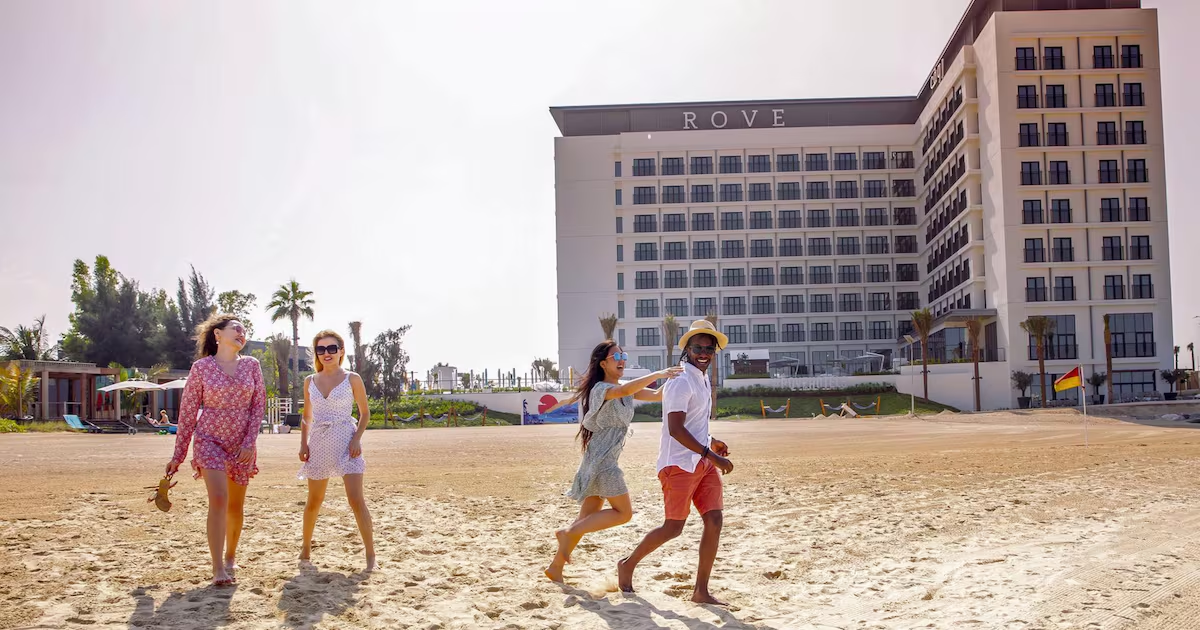
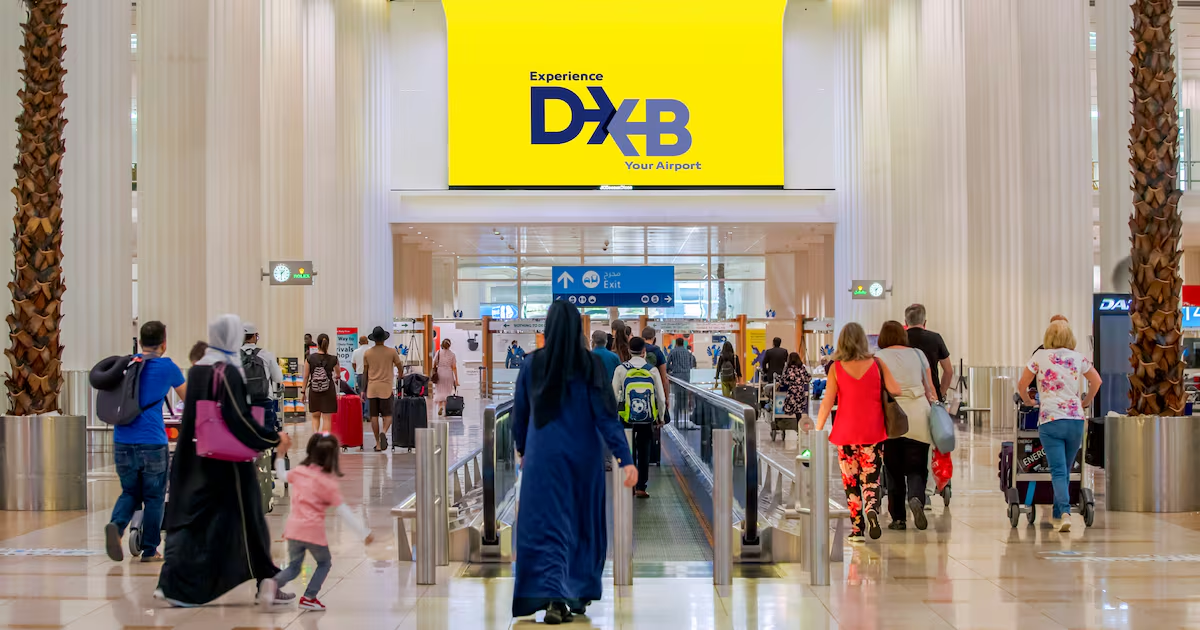
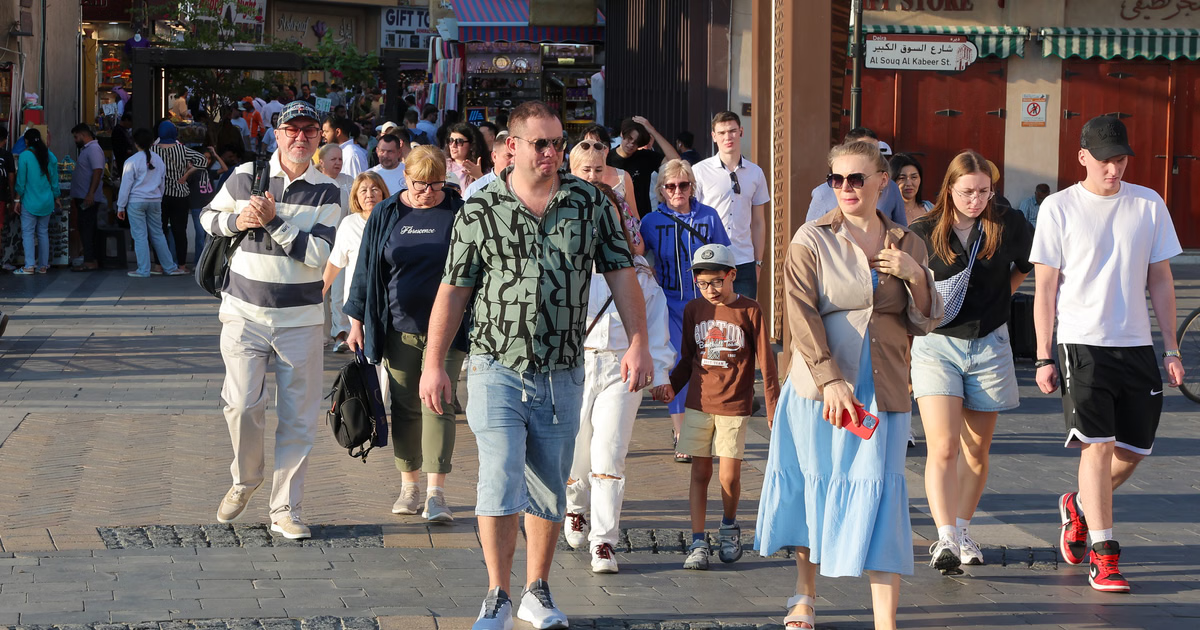
In anticipation of the Eid al-Adha holidays, hotels across Dubai and Abu Dhabi are seeing a notable spike in reservations, a promising sign for the hospitality sector emerging from a tough stretch. With families opting for staycations and intercity travel, occupancy rates are projected to soar, signaling a fresh wave of optimism for the industry.
716 words~3 min read