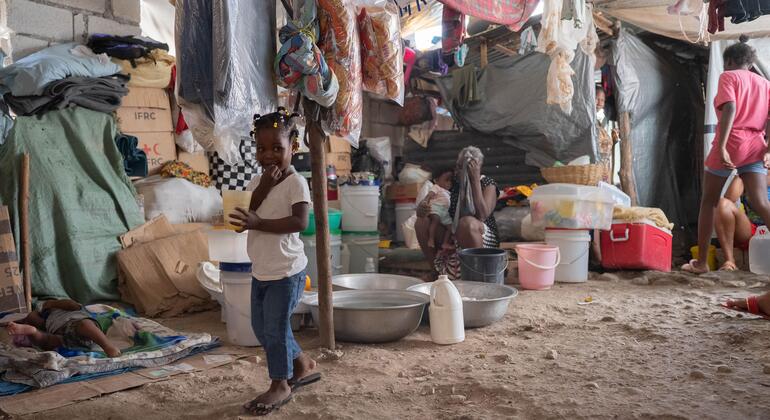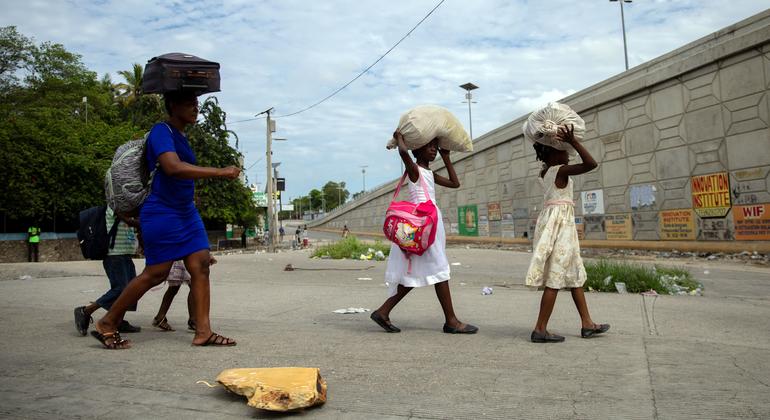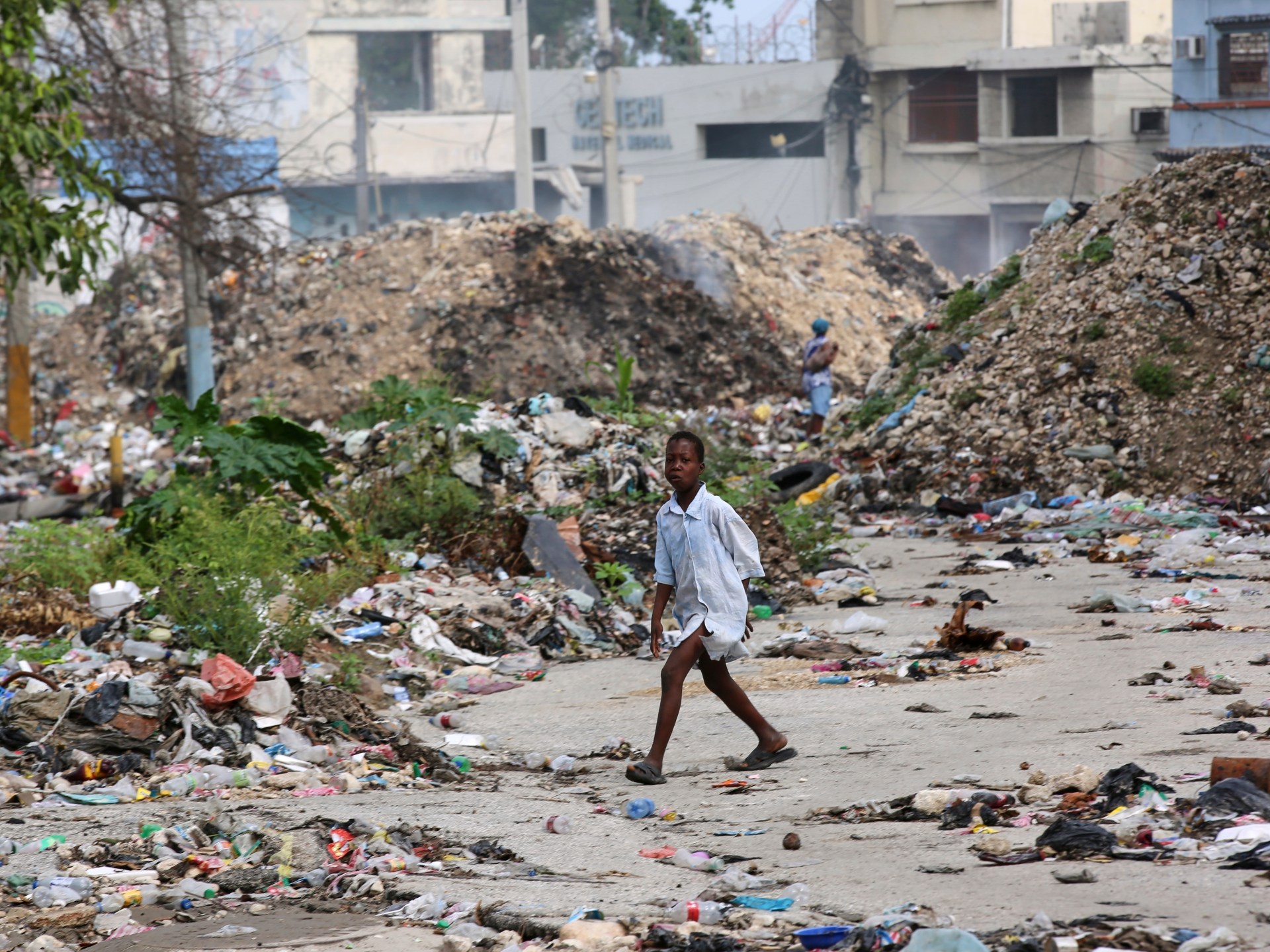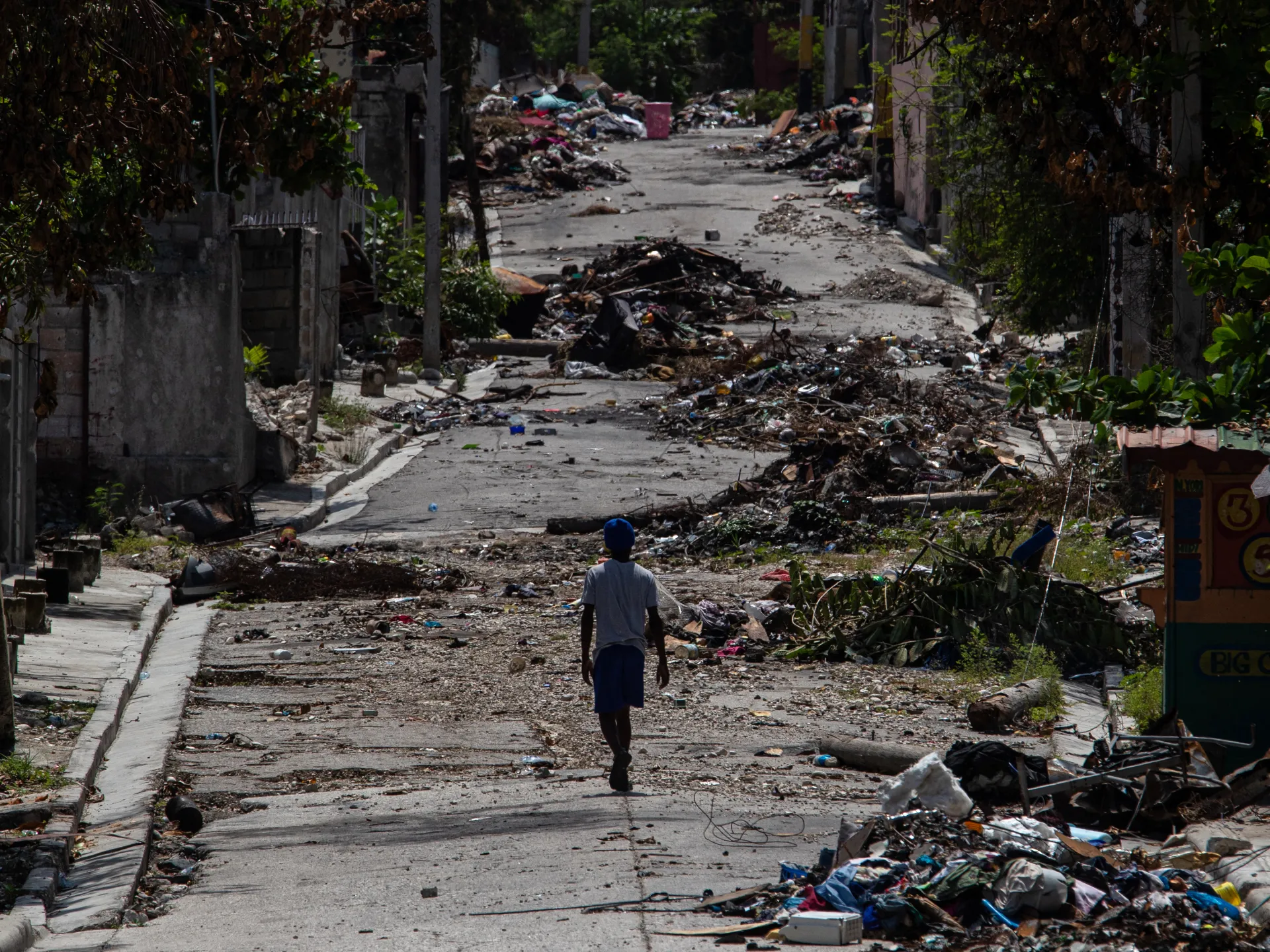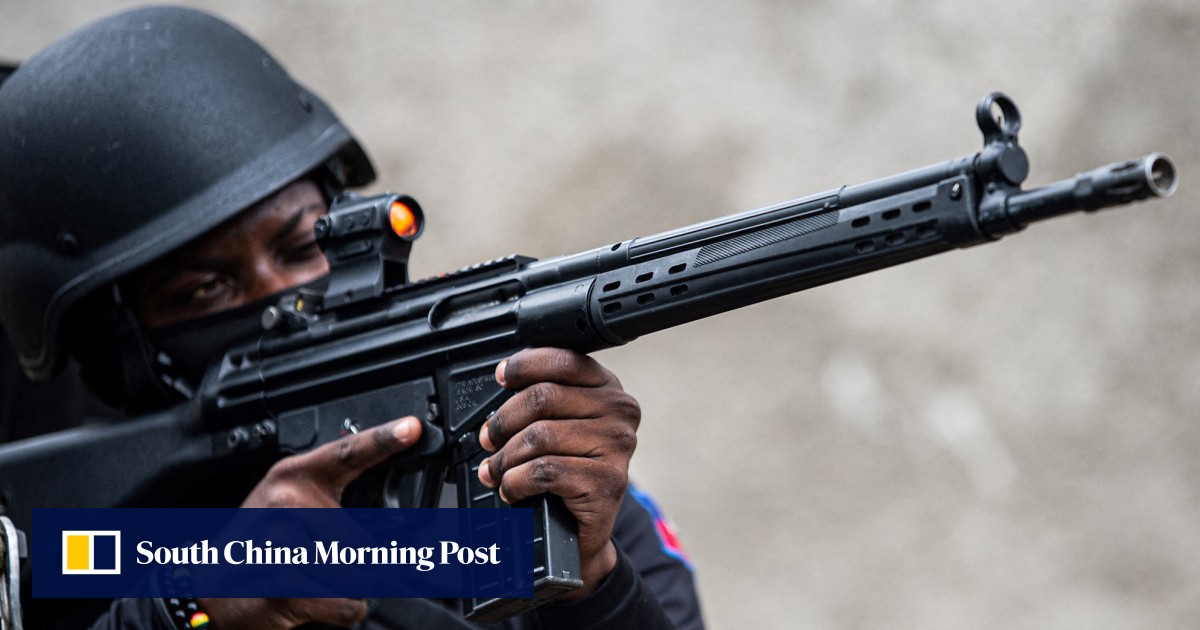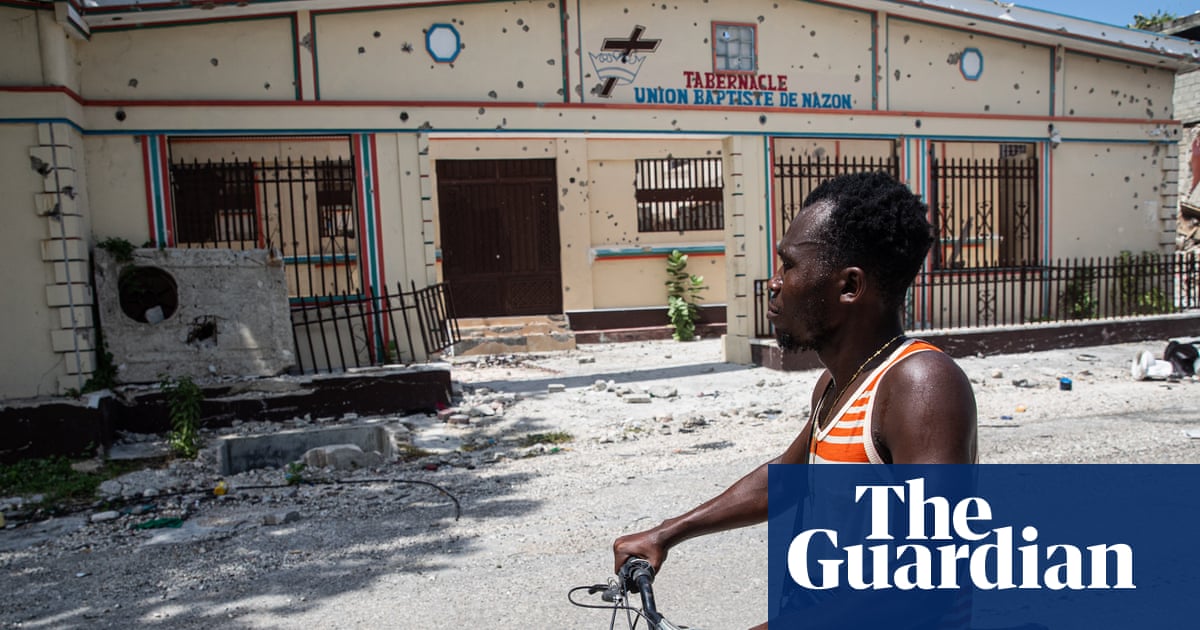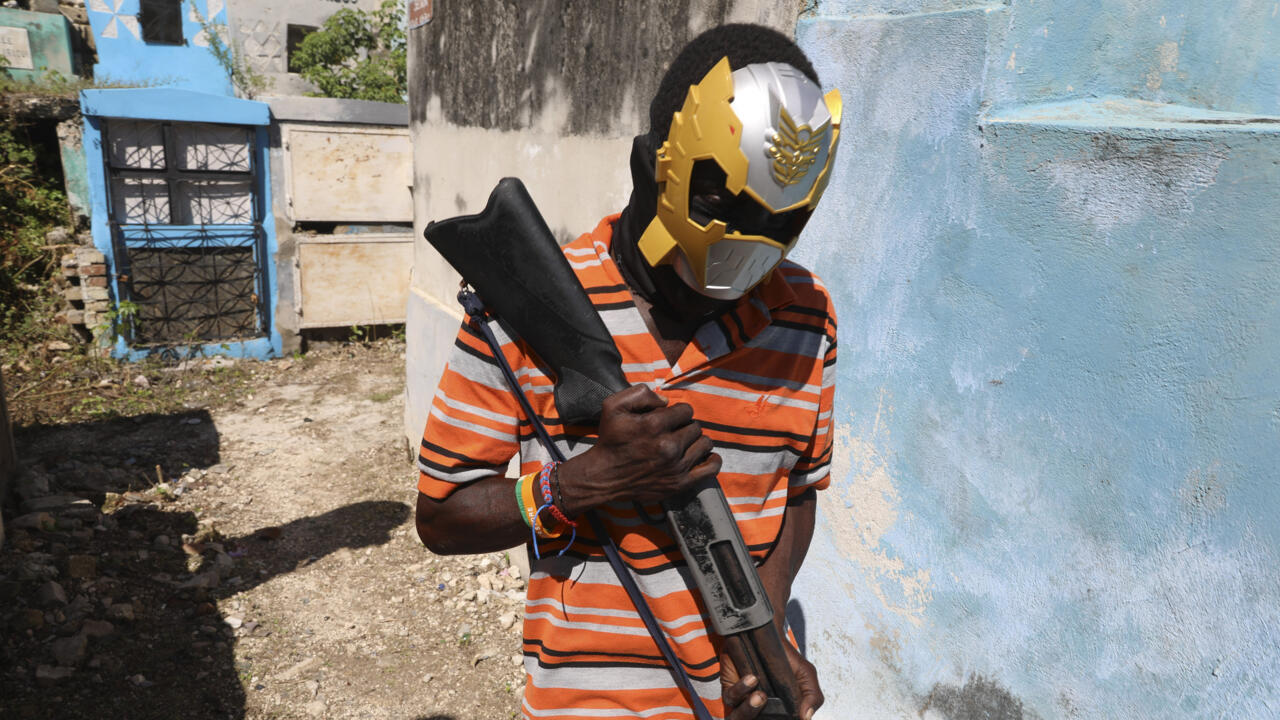
As a new multinational gang suppression force (GSF), begins its deployment in Haiti, attention is slowly turning to the thousands of children who have been recruited or trafficked into the country's armed gangs. Of the approximately 10,000 to 20,000 gang members, international organisations estimate that between 30 and 50 percent are minors, though experts say the figure is difficult to verify. In 2025 alone, the recruitment and use of children by gangs nearly tripled, according to a UN report. Diego Da Rin, a Haiti analyst at the International Crisis Group, traces the roots of today's crisis to the early 2000s, when politically connected, armed organisations were first provided with weapons by the Fanmi Lavalas party to serve as a counterweight to right-wing paramilitary threats against then president Jean-Bertrand Aristide. After Aristide was ousted in 2004, those groups lost their political attachment and began building transactional alliances with a rotating cast of politicians who used them to control densely populated and electorally coveted poor neighbourhoods. The withdrawal of the UN Stabilisation Mission in Haiti in 2017 after 13 years in the country allowed gang power to consolidate further. Armed groups expanded rapidly, growing wealthier and asserting control over large parts of the capital Port-au-Prince and key transport routes. Read moreUS hails progress on Haiti's anti-gang force, but elections face steep hurdles The situation deteriorated after the assassination of president Jovenel Moïse in 2021, which left the country without a functioning leadership. A Kenyan-led multinational force, authorised by the UN in 2023 and deployed the following year, failed to reverse gang advances and was eventually restructured into the GSF, which is projected to have 5,500 personnel by October 2026. Within this context, children join gangs rarely, if ever, by choice. “Haiti has an eminently young population,” Da Rin said, with about 45 percent of the population under 18. “And most of these young people don't have any way to put food on the table." According to the UN, around 18,000 schools have been destroyed or are non-functional. Gangs offer hot meals and regular biweekly salaries reaching amounts that children “couldn't expect to have from any other job,” Da Rin said. According to the World Bank, nearly half of Haiti's population lives on less than $3 a day. A joint report published in February 2026 by the UN's Integrated Office in Haiti (BINUH) and the Office of the UN High Commissioner for Human Rights (OHCHR) found that at least 26 gangs operate in the Port-au-Prince metropolitan area, as well as in several municipalities in the Artibonite and Centre departments, and that the majority are involved in child trafficking.
Haiti's children trapped by gangs face an uncertain future despite new UN security force
Haiti’s powerful gangs nearly tripled their recruitment of children in 2025. This year, a new UN-backed security force has begun deploying – but for the thousands of children already caught up in armed…
1,584 words~7 min read