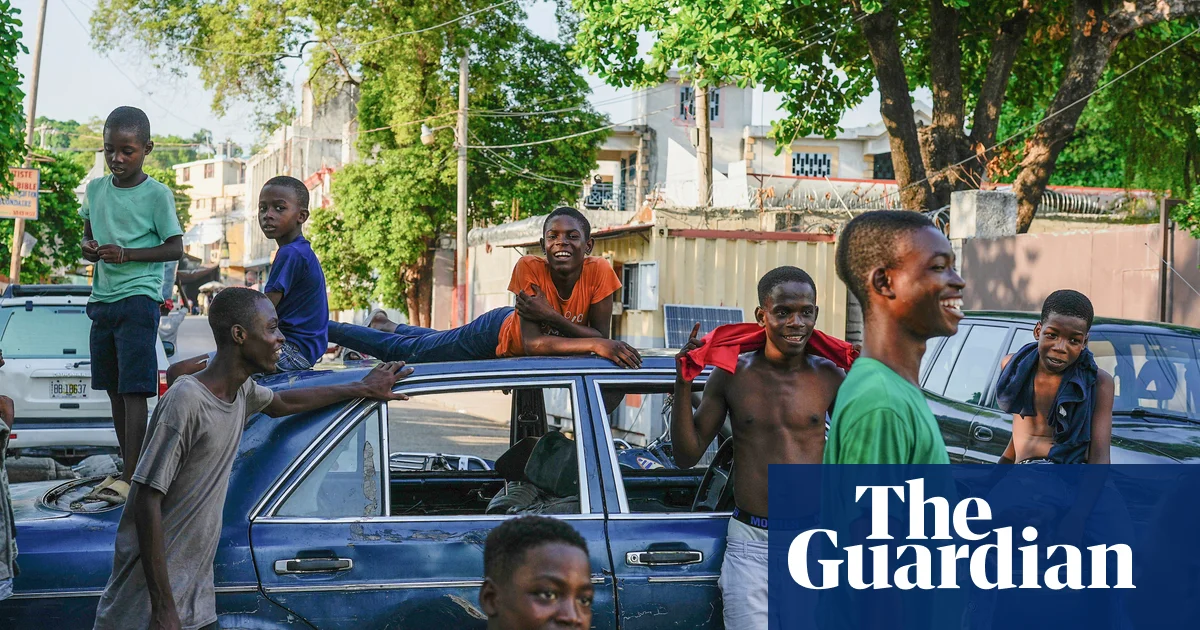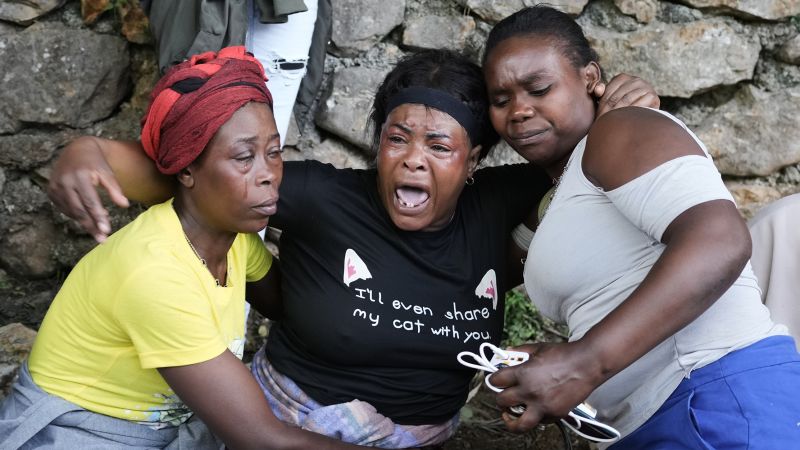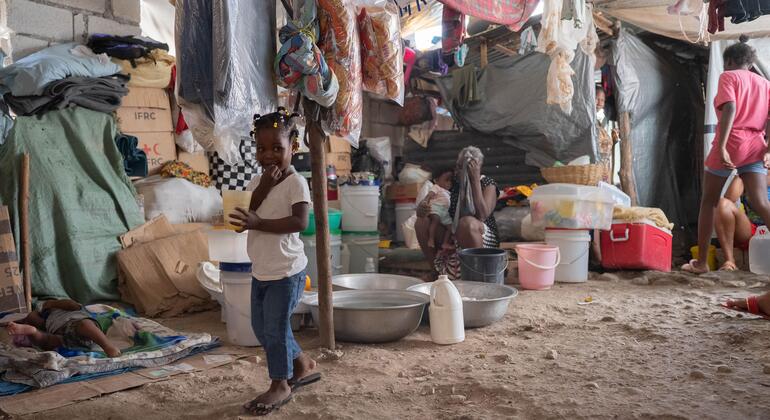
Haitian children ‘paying the highest price’ amid surge in gang recruitment
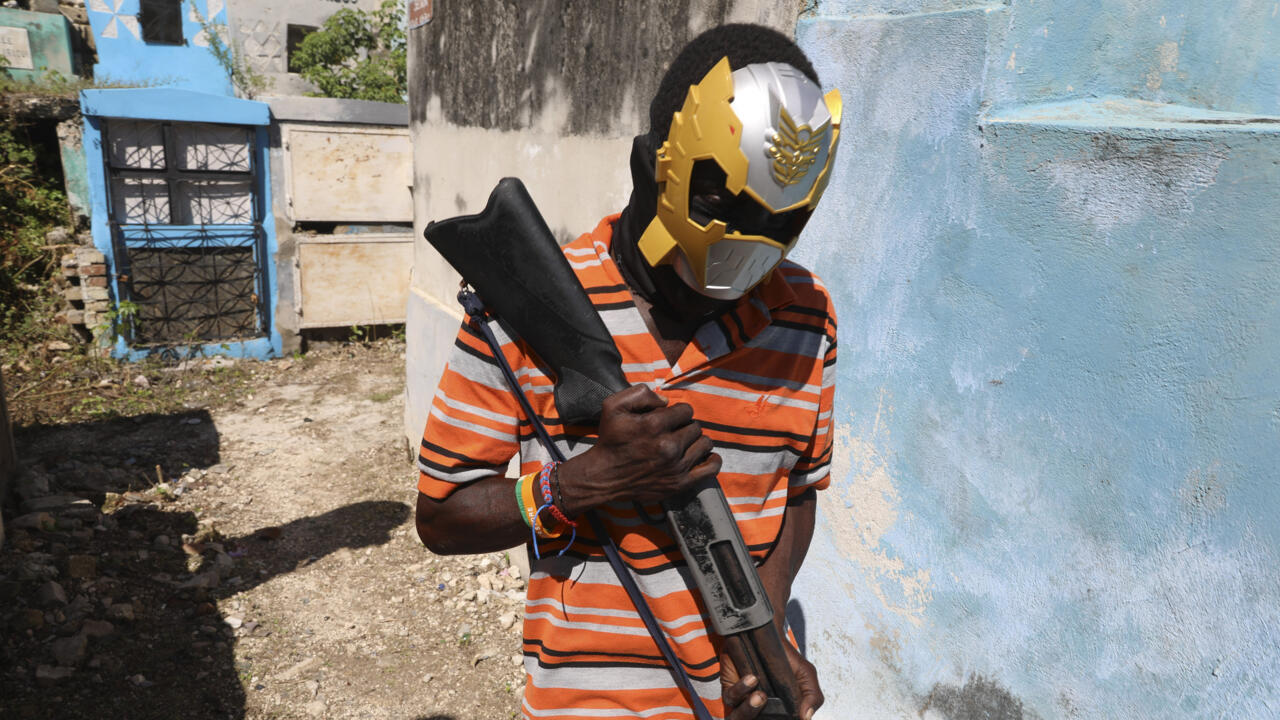
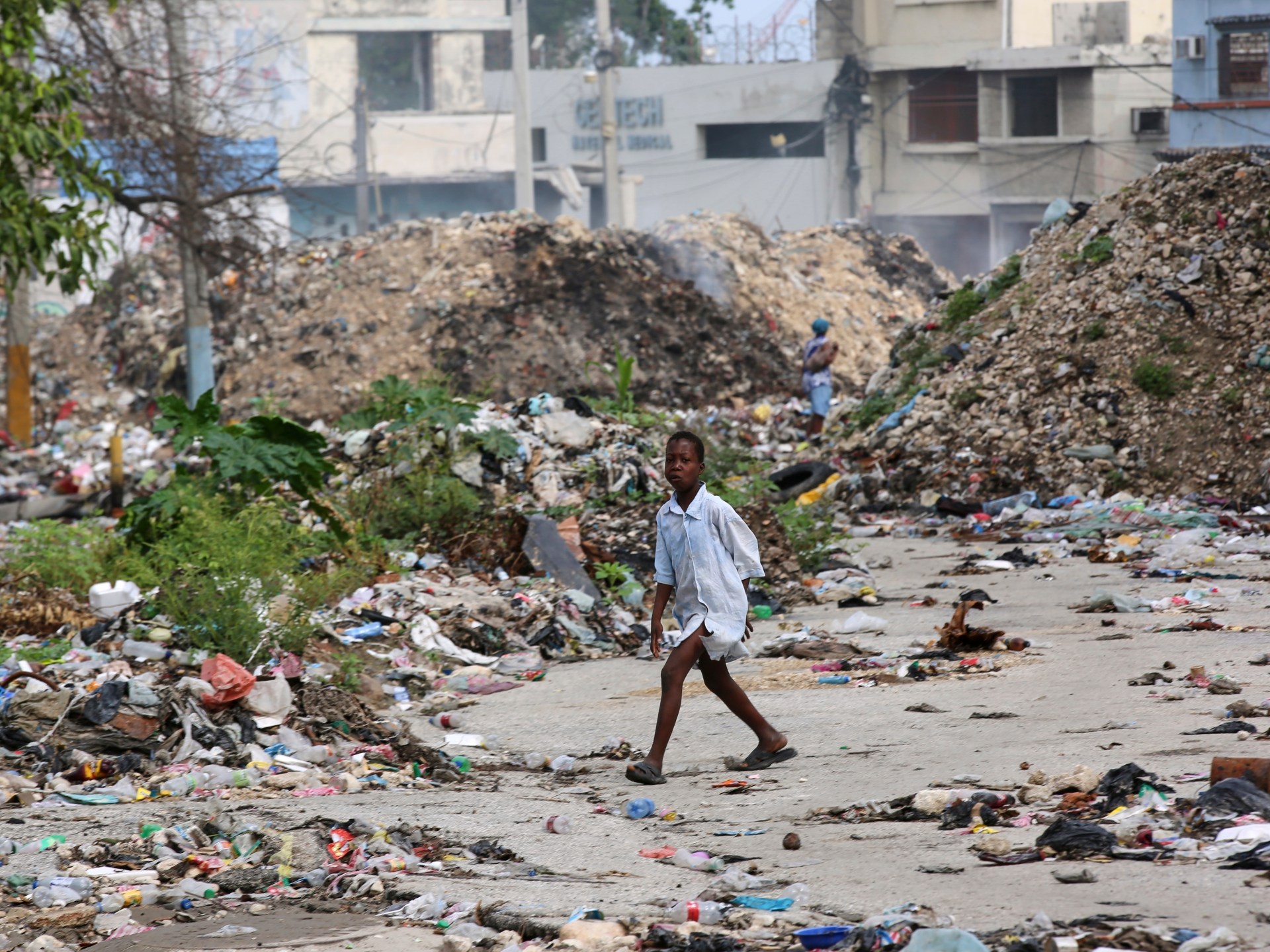
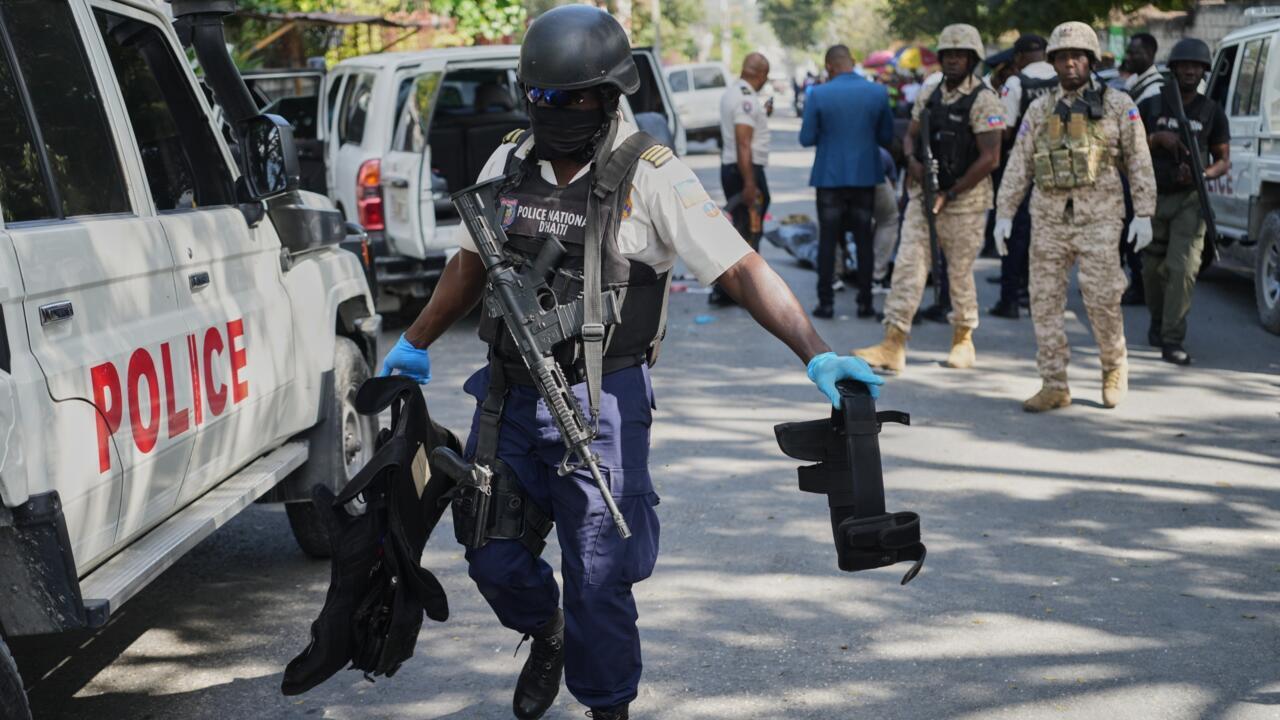
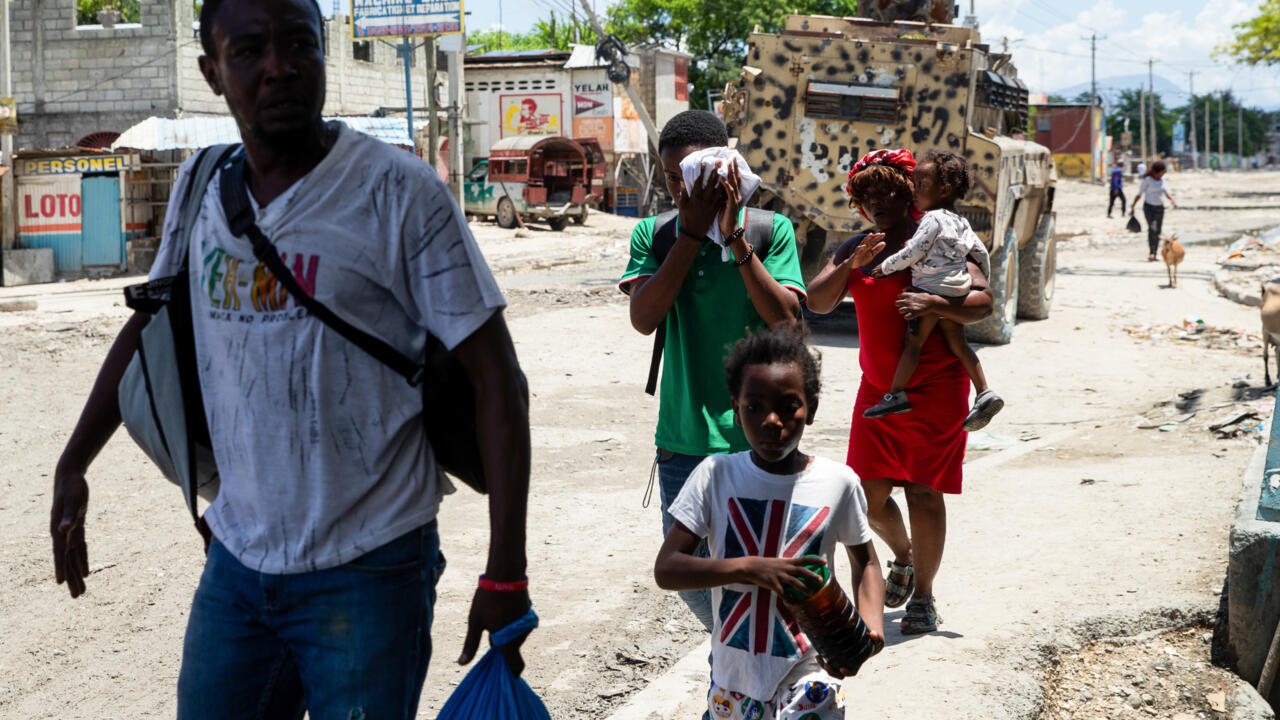
Children now constitute around half of the gang members who have taken de facto control of large swathes of the country, Vanessa Frazier told journalists at UN Headquarters, following her first fact-finding mission to the Caribbean island nation. Some 18,000 schools are reported destroyed, damaged or non-functional. “Today, children in Haiti are facing levels of violence that no child, anywhere, should ever endure,” she said.In a country where gang violence has led to widespread disorder for many years, Ms. Frazier said growing up in Haiti means a “daily struggle to survive, live in constant fear, and be subject to intimidation, violence, family separation, displacement, and trauma as gangs take advantage of the vulnerability of these children.”In 2025 alone, the recruitment and use of children nearly tripled.At the same time, killing, maiming and abductions of children almost doubled, with sexual violence also rampant and increasingly used as a deliberate tactic to instil fear and punish communities. Children are victims“The Haitian Government and its partners reassured me that the protection of children is at the centre of their agenda,” she said. One major development is the implementation of the handover protocol signed with the UN in 2024 to facilitate the transfer of children associated with gangs, to child protection services. For children who may have committed serious crimes, Ms. Frazier said, international juvenile justice standards apply, with detention only as a last resort.“I stressed in all my meetings that children encountered during security operations must be treated first and foremost as victims,” Ms. Frazier said. “They must be swiftly handed over to child protection services for care, protection, and reintegration.”However, she warned that this principle was not always being followed by authorities, and called for change. At an overcrowded detention facility in Port-au-Prince called CERMICOL, Ms. Frazier said 80 children have been held for many years in “disastrous conditions, without charges, including many on suspicion of association with gangs. None has ever been seen by a judge. Most do not receive visits from their families. They are on their own.”