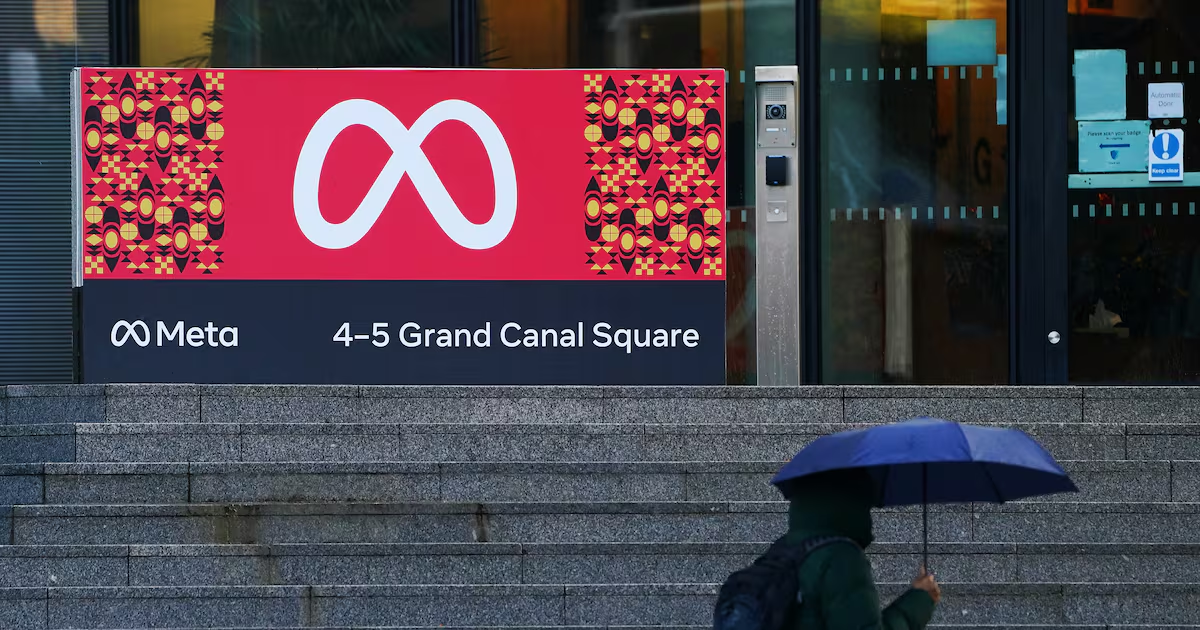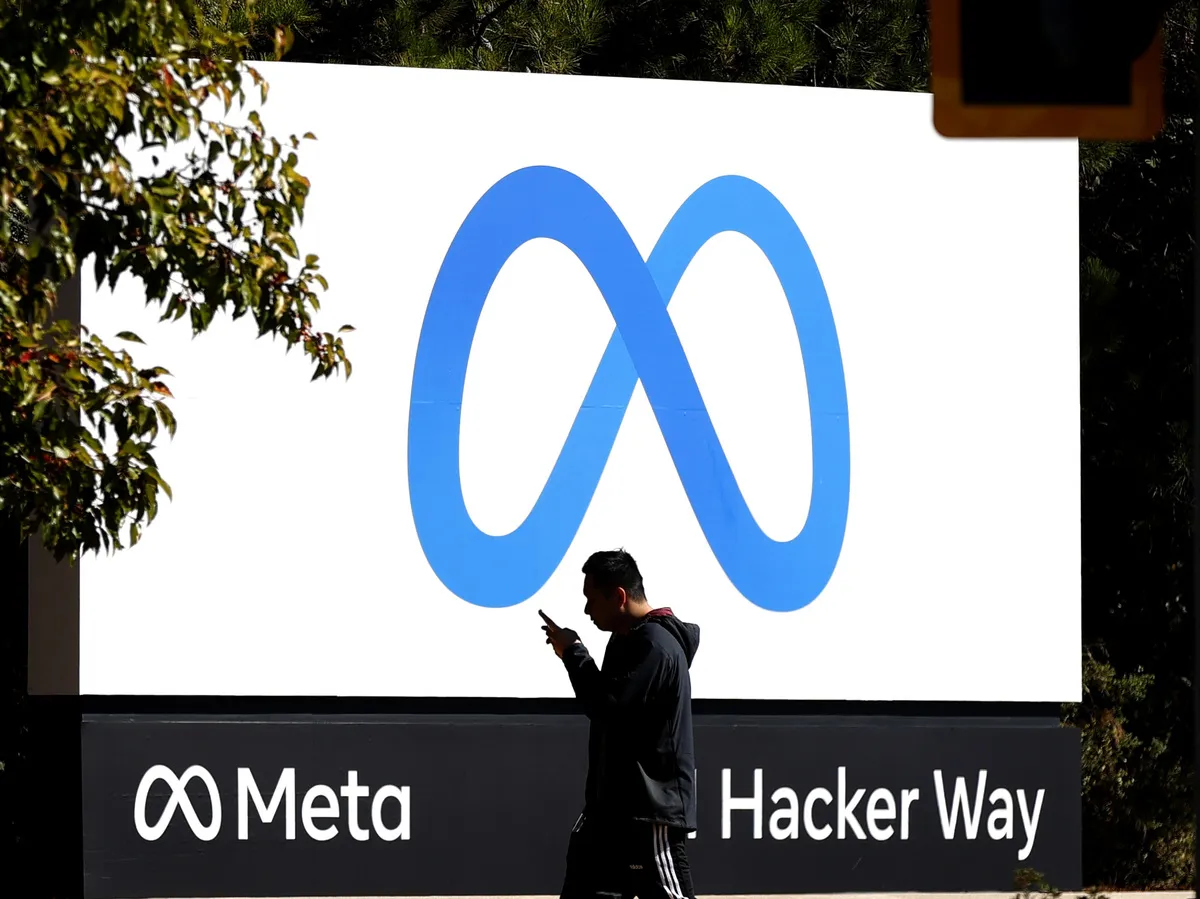
The technology sector has been one of the drivers of Irish jobs growth and of soaring corporate tax receipts in recent years. However, this week there have been a couple of warning signs. Meta, the owner of Facebook and Instagram, announced 350 job cuts in Ireland, a 20 per cent reduction compared to its overall global target of 10 per cent. Subsequently, figures from the Central Statistics Office (CSO) showed that the information and communications technology sector – which covers the big digital tech firms – has shed more than 20,000 jobs over the past year. Given the scale of expansion of technology employment after the Covid pandemic, some kind of retrenchment was probably always on the cards, sooner or later. However, the latest job cuts have been spurred by the need for the major players like Meta to find more cash to invest in artificial intelligence (AI). The ability of AI to fill some of the gaps these redundancies create is part of the picture. With the investment surge into AI set to continue, more redundancies are likely to be on the cards in the months ahead. The hope is that , in time, AI will allow these firms to find new business and create additional roles in Ireland and elsewhere. At the moment, the financial markets are betting that this can happen, with AI “hope value” a key factor keeping share prices high. This creates a vulnerability in the markets, however. No one disputes the fundamental importance of AI, but equally it is not yet clear who will win the race to develop the technology and, crucially, implement profitable business models to deploy it. As this plays out, industry and market turbulence may result. Given Ireland’s reliance on a few big players in the tech sector, which firms emerge as the most successful will be important, as well as how Irish subsidiaries are placed within global corporations to win future AI-related investment. A significant policy agenda lies ahead. Slowing jobs growth, particularly among highly paid tech executives, would feed through to income tax receipts. Careful consideration is needed of budget priorities, of which part must be leaving enough cash to continue investing in key economic and social infrastructure. The development of AI also creates its own policy agenda, much of it related to education and training, as well as establishing Ireland as a centre for the application of AI, as a way to attract future investment. Recommendations by the AI Advisory Council need to be acted on. The impact of AI in terms of replacing jobs – as opposed to changing their nature – remains uncertain, but the central importance of the technology is undisputed. The pace at which it is emerging requires a rapid policy response to try to attract future jobs, as well as protecting those already in place.
The Irish Times view on tech jobs: Ireland finds itself exposed
The Meta redundancies were a warning sign and more cutbacks in the sector are likely
473 words~2 min read