Lynn Martin, president of NYSE Group, went on Bloomberg Television on May 22 and said what most people in traditional finance were probably thinking: some of the rule changes US stock exchanges have been rolling out to win IPO business might be compromising market integrity.
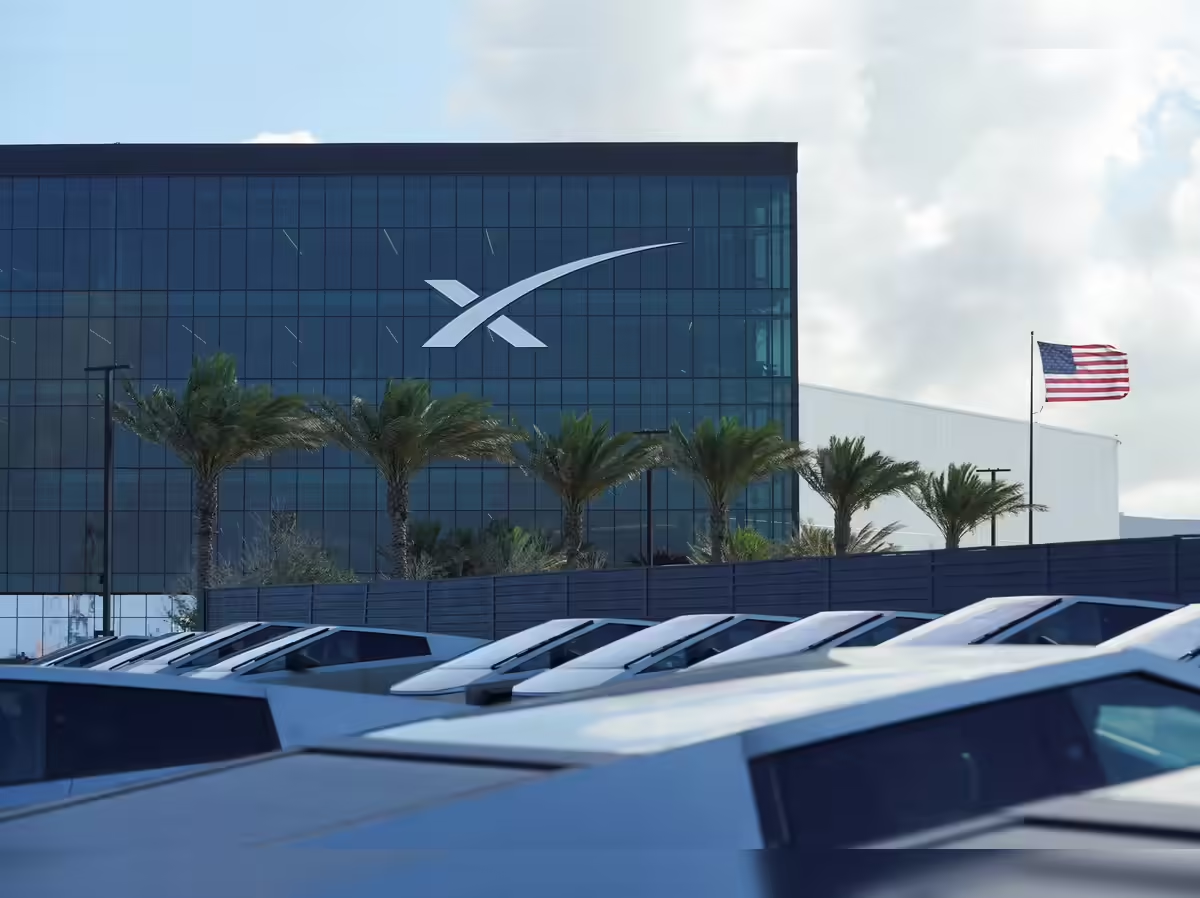
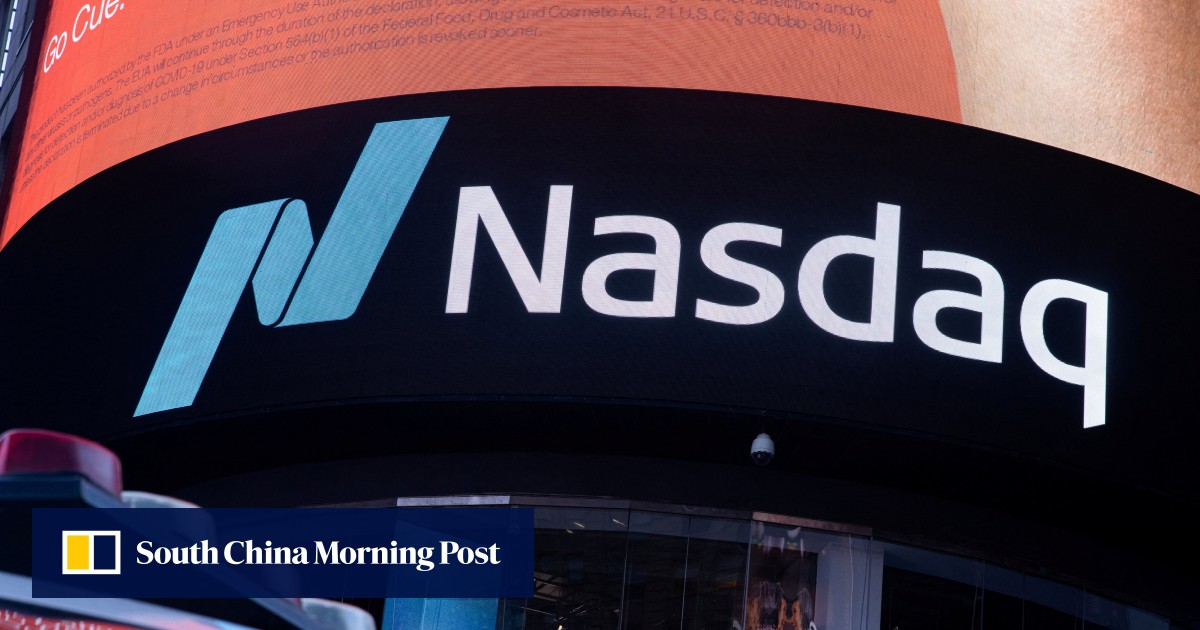
The target of her criticism was hard to miss. SpaceX filed its S-1 registration statement on May 20, choosing to list on Nasdaq. And Nasdaq, as it happens, had recently made several accommodations that seem tailor-made for exactly this kind of blockbuster debut.
What Nasdaq changed and why it matters
Here’s the thing. Stock exchanges are businesses, and they compete ferociously for the biggest IPOs. The prestige, the trading fees, the index inclusion revenue: it all adds up. So when the most valuable private company on the planet decides to go public, you can bet exchanges will bend over backward to win that listing.
Nasdaq eliminated its minimum 10% public float requirement for new listings. In English: companies used to need at least 10% of their total shares available for public trading when they listed. That rule is now gone for certain firms.