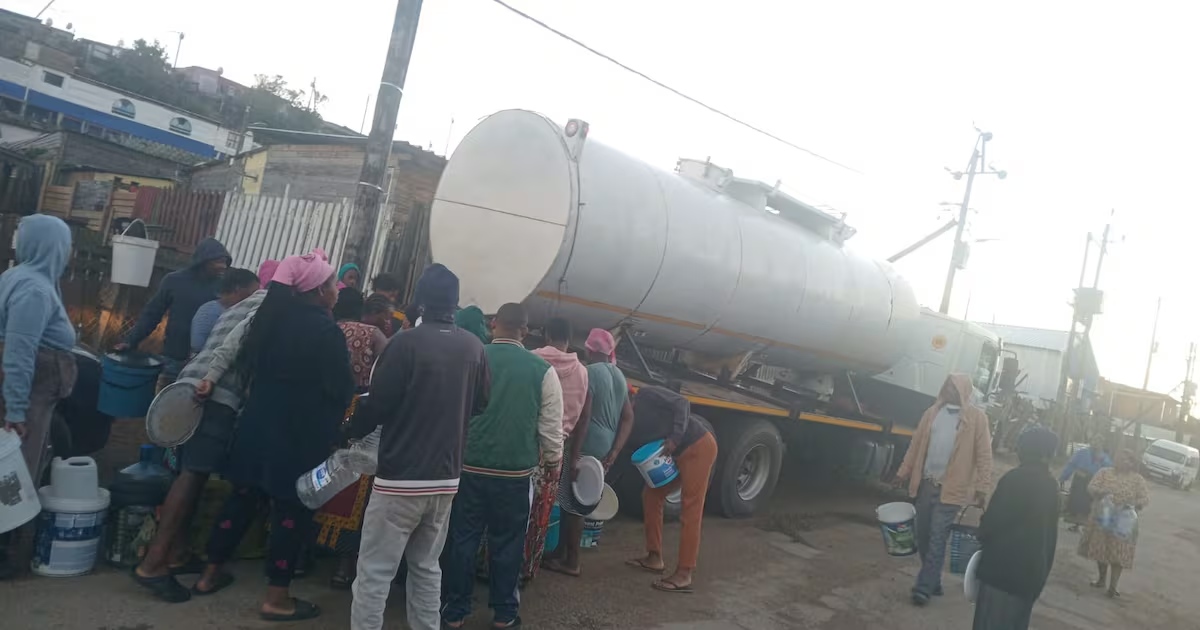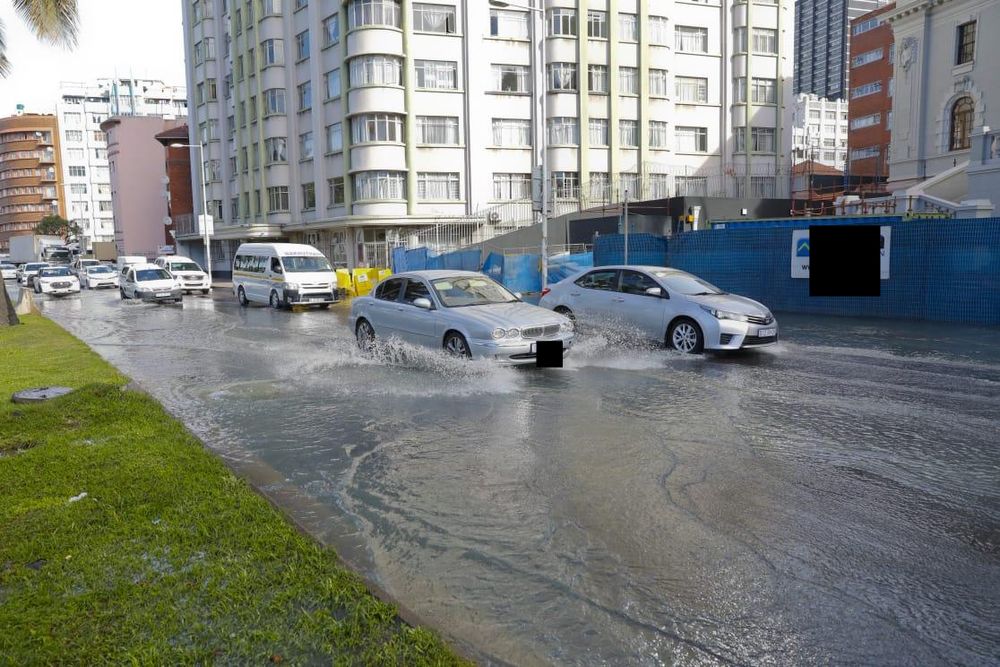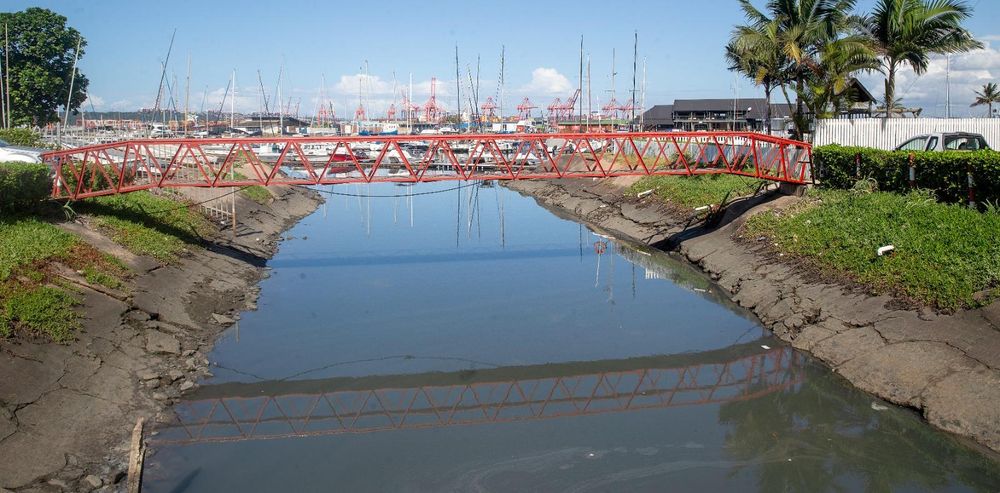
The Durban beachfront and harbour areas have long been counted among the city's tourism crown jewels. But in recent days they have developed a “stinking” reputation with repeated instances of raw sewage being discharged into the harbour because of malfunctioning infrastructure.
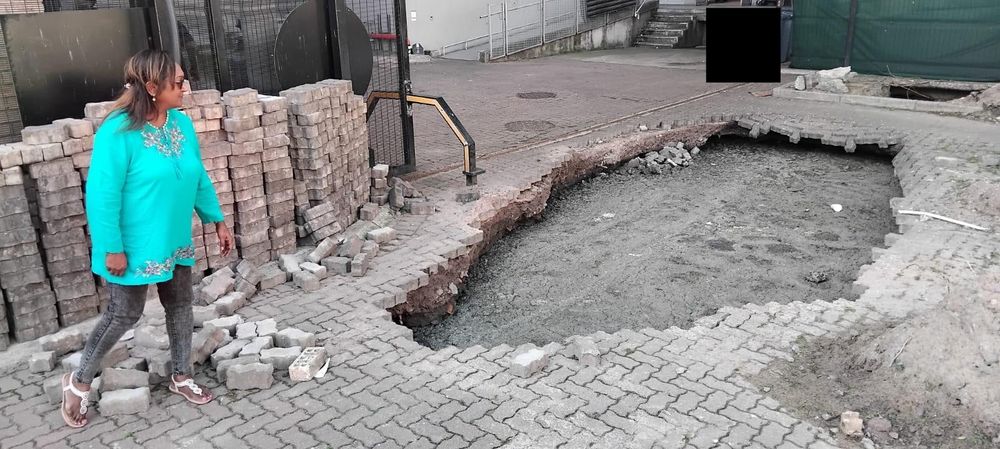
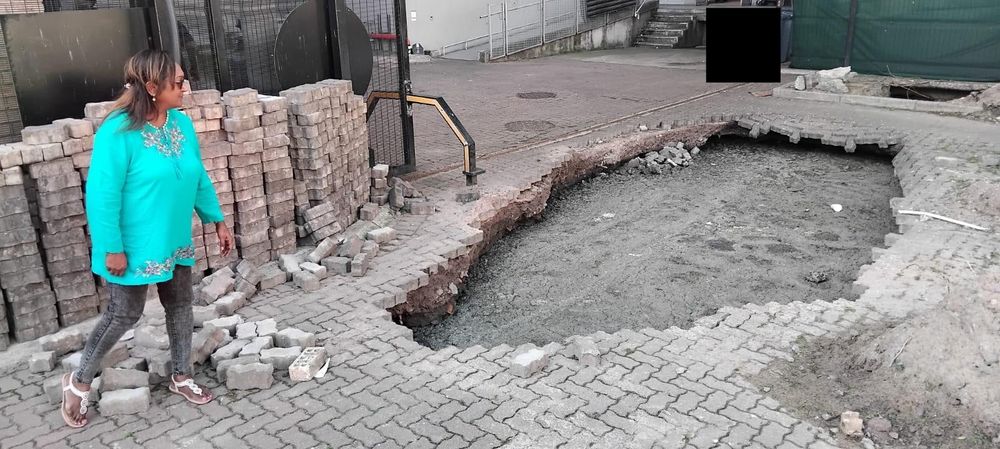
The escalating breakdown of Durban’s water and sanitation infrastructure has progressed from a municipal embarrassment to an urgent structural crisis.
The recent failure of the Mahatma Gandhi pump station, apparently one of Africa's largest, highlights a systemic decline in proactive maintenance. Operating with only half its required pump capacity prior to the breakdown, the facility’s vulnerability reflects a broader, unsustainable culture of neglect.
It is apparent that deferring routine maintenance until catastrophic equipment failure occurs has left eThekwini’s infrastructure incapable of handling operational stress, with disastrous consequences for the city's population and economy.
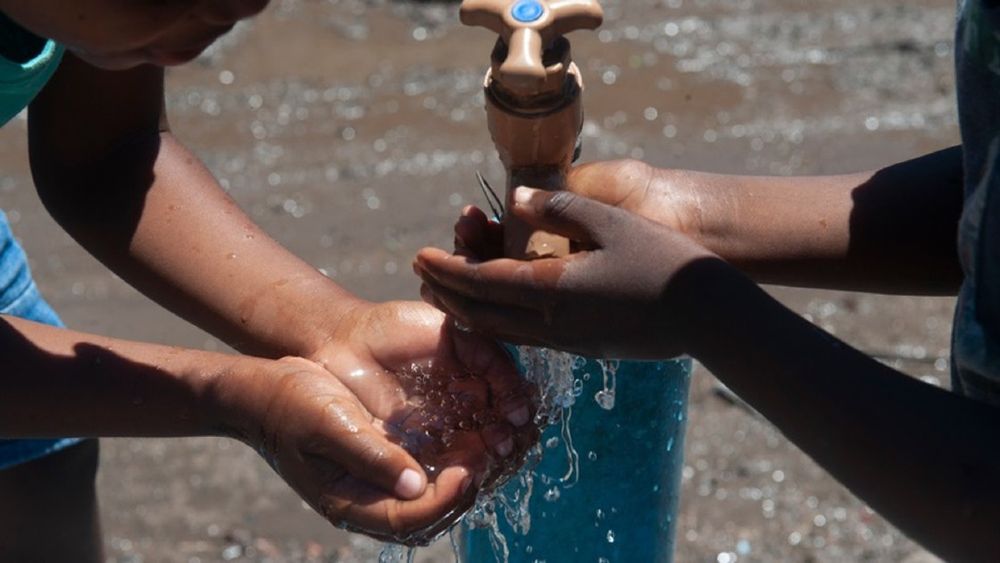
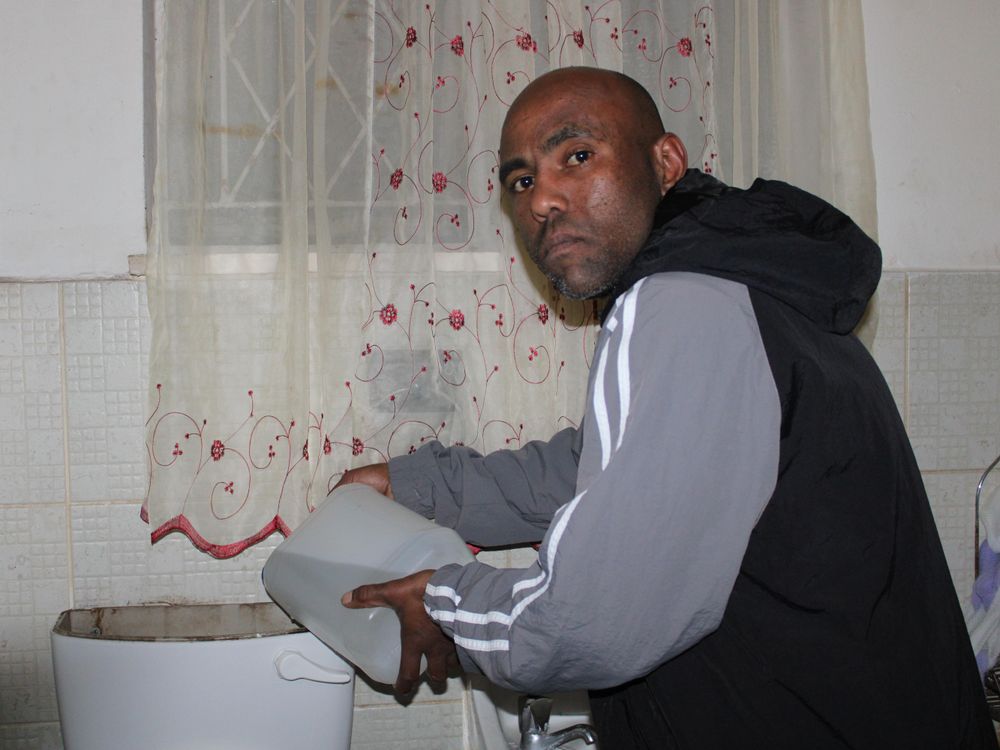
The most critical consequence of this collapse is the immediate threat to public health. Raw effluent is actively pouring into the harbour, while a surge in severe gastroenteritis symptoms across multiple communities points to a profound crisis of confidence in the drinking water supply. Despite official assurances that the tap water remains compliant with safety standards, widespread reports of severe illness, foul odours, and discoloured water have created pervasive public distrust. This environment poses an unacceptable health hazard to vulnerable residents.