Almost every production application uses a number of different tools and libraries, whether that’s a library to communicate with a database, a cache, or frameworks like Nest.js or Nitro. To be able to observe what’s going on in production, application developers reach out for Application Performance Monitoring (APM) tools like Sentry.
But there’s an inherent problem: the performance data that APM tools need is most often not coming natively from the libraries themselves. The task of getting this data is delegated to APM tools like Sentry or OpenTelemetry, which instrument crucial functionality of a library on their behalf.
What is instrumentation?
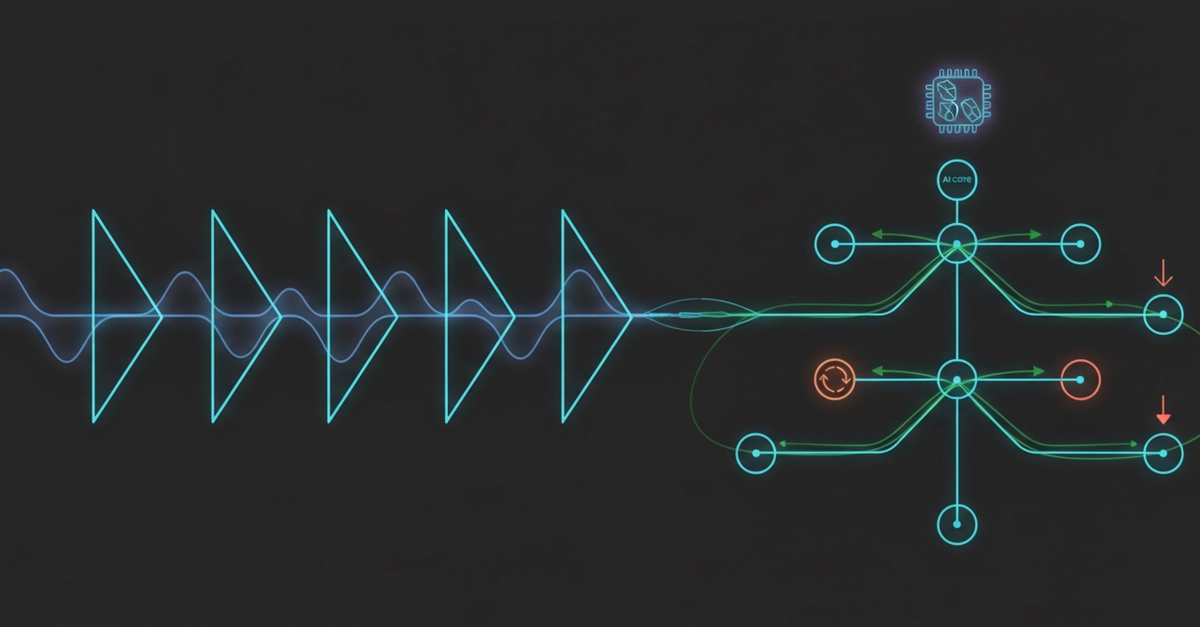
The most fundamental requirement to make an application observable is the ability to instrument each of its components and the libraries it uses. Instrumentation is the process of adding code to a program to monitor and analyze its internal operations and generate diagnostic data. It’s exactly what the Sentry SDKs and OpenTelemetry instrumentation are doing under the hood.
Consider a typical HTTP client library. Application developers want to know when a request starts and completes, along with some metadata like URL, status code and headers. Today, libraries handle this inconsistently: some provide custom hooks like emitter.on('request', ...), while others offer vendor-specific middleware to intercept requests. In these cases, Sentry and OpenTelemetry can write plug-ins that emit observability data.