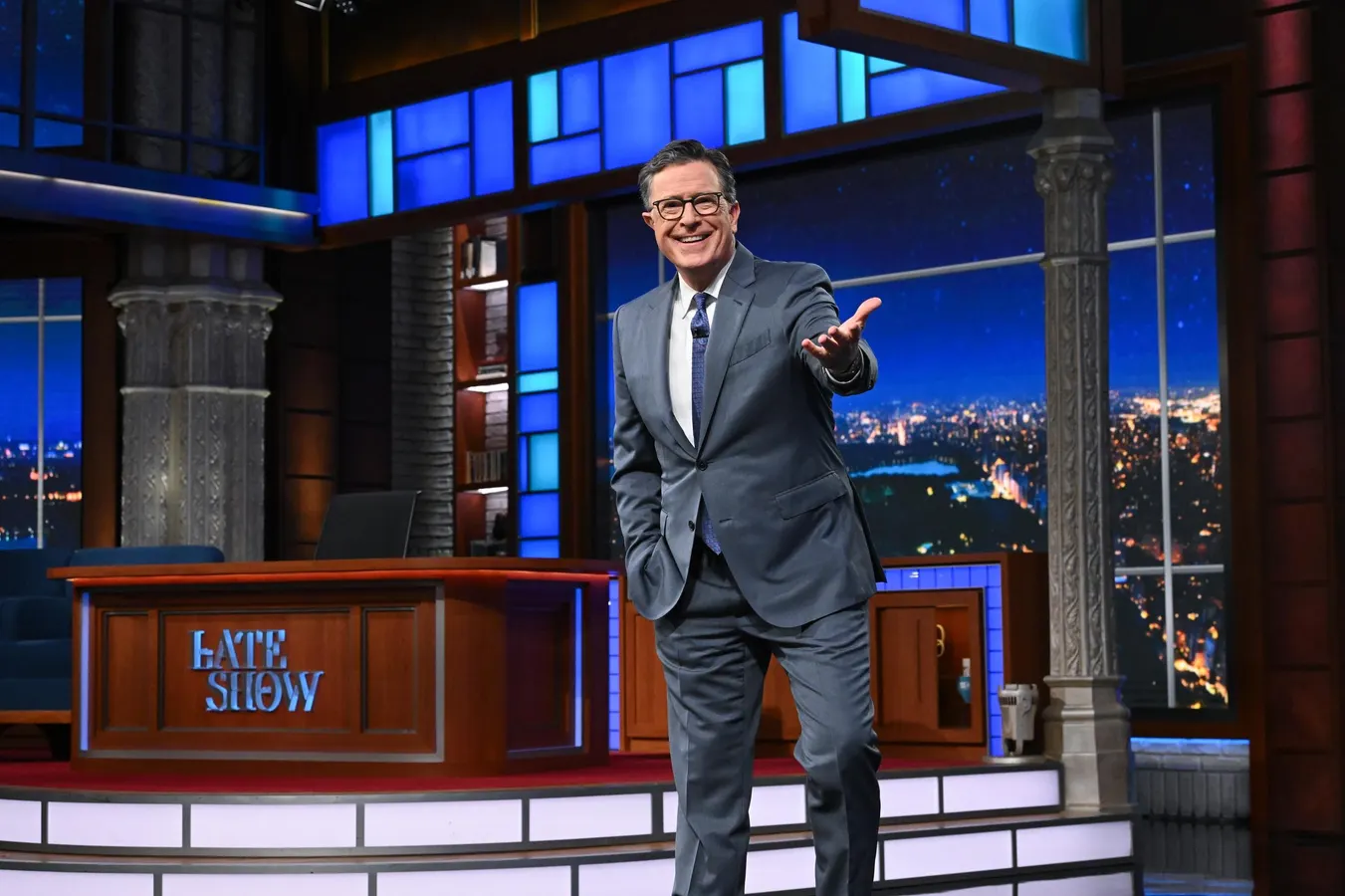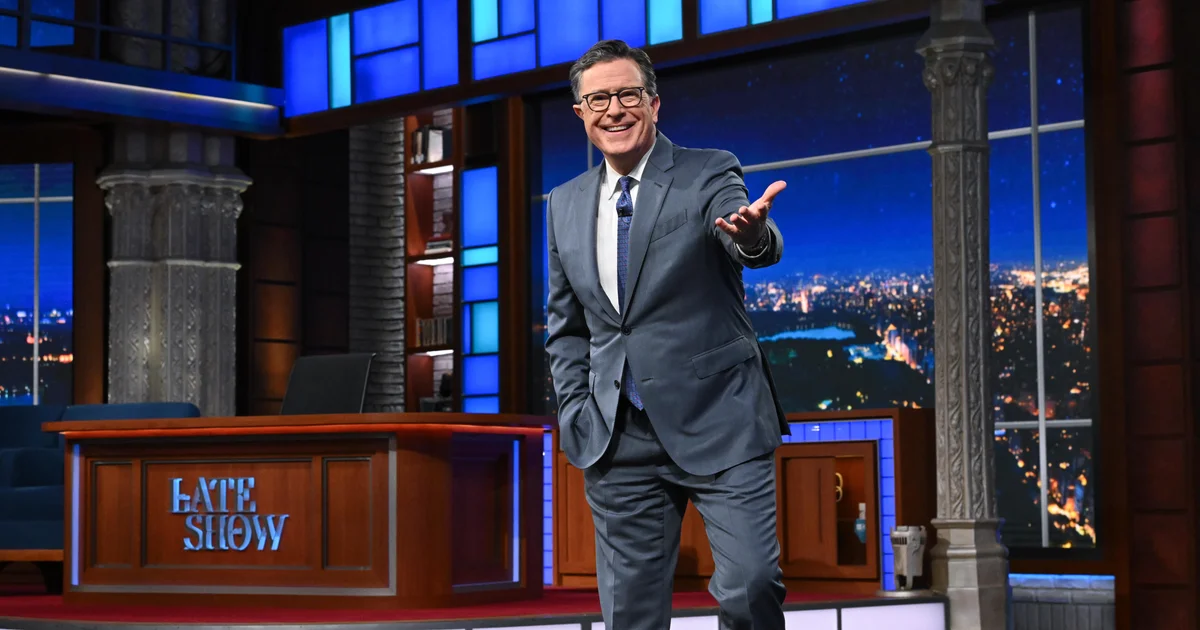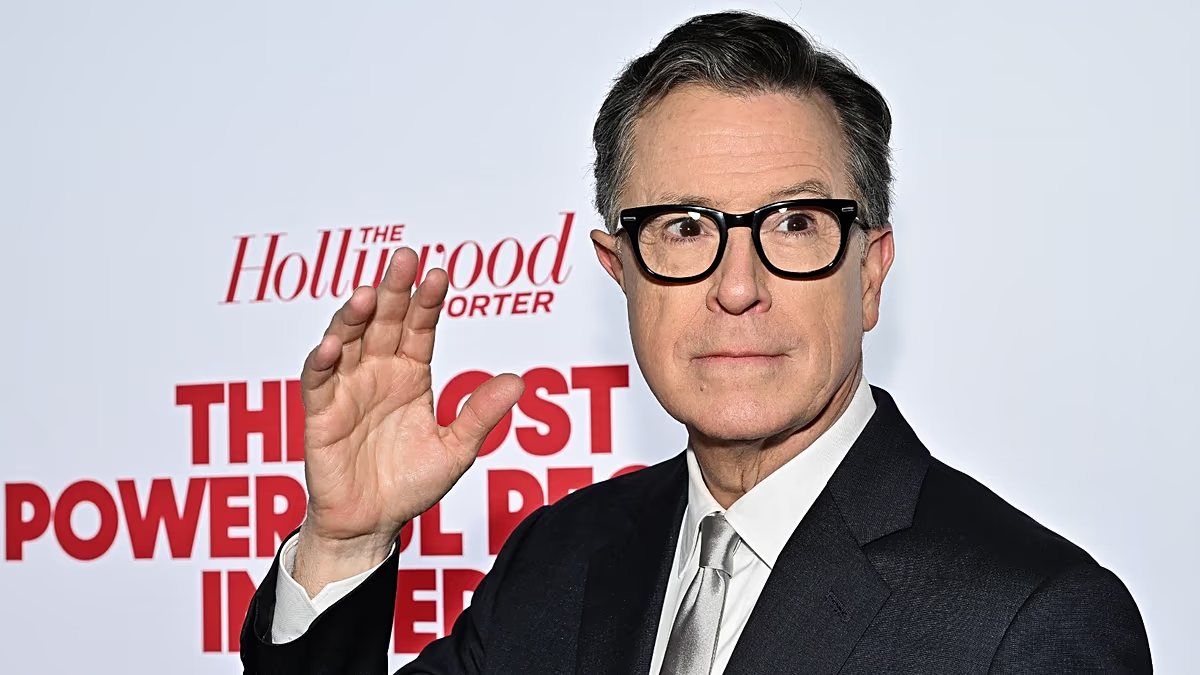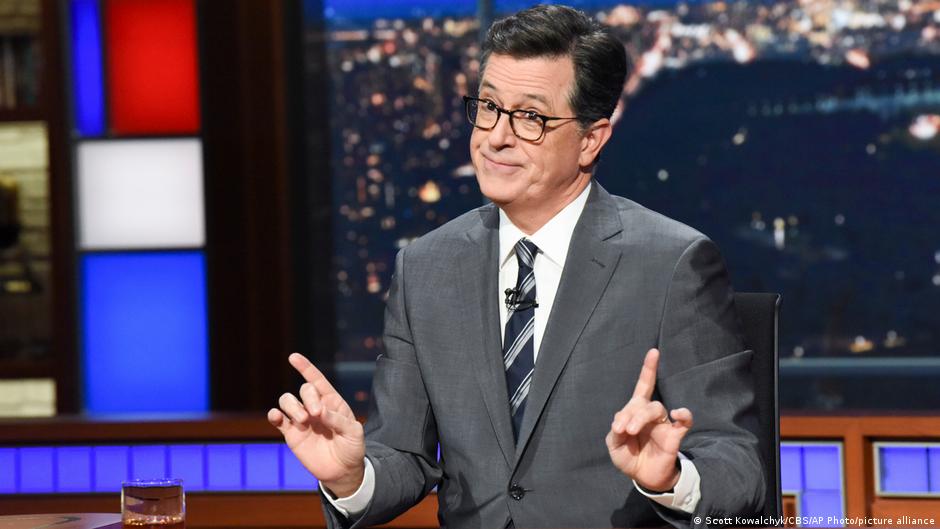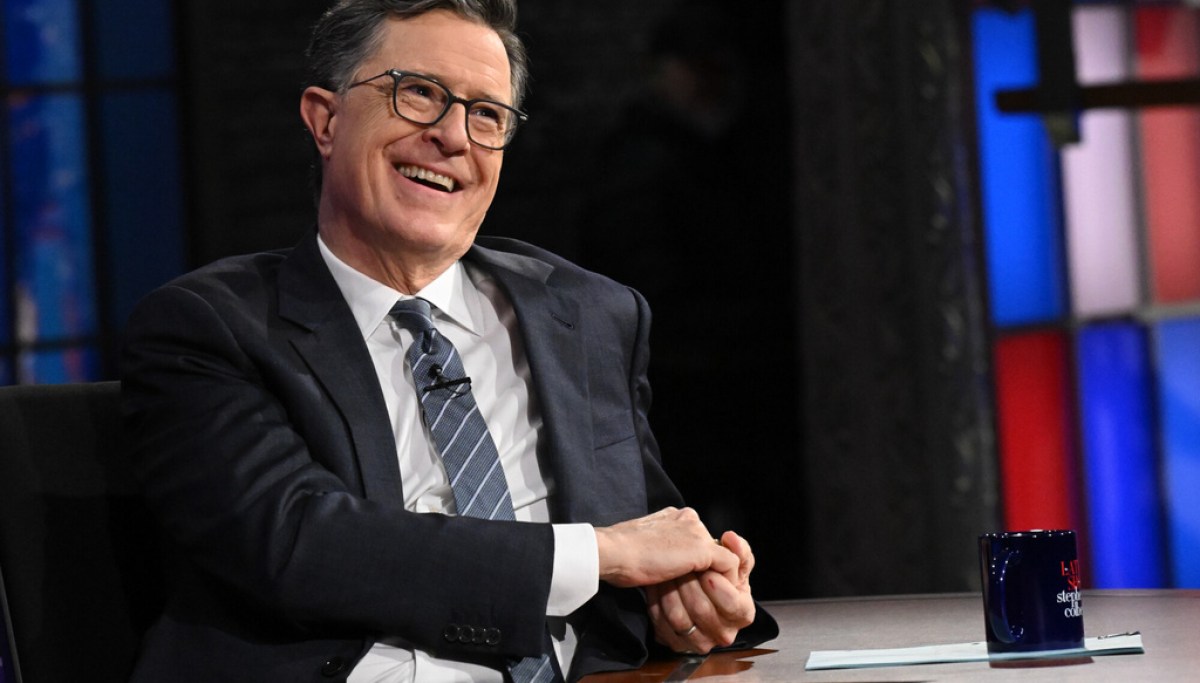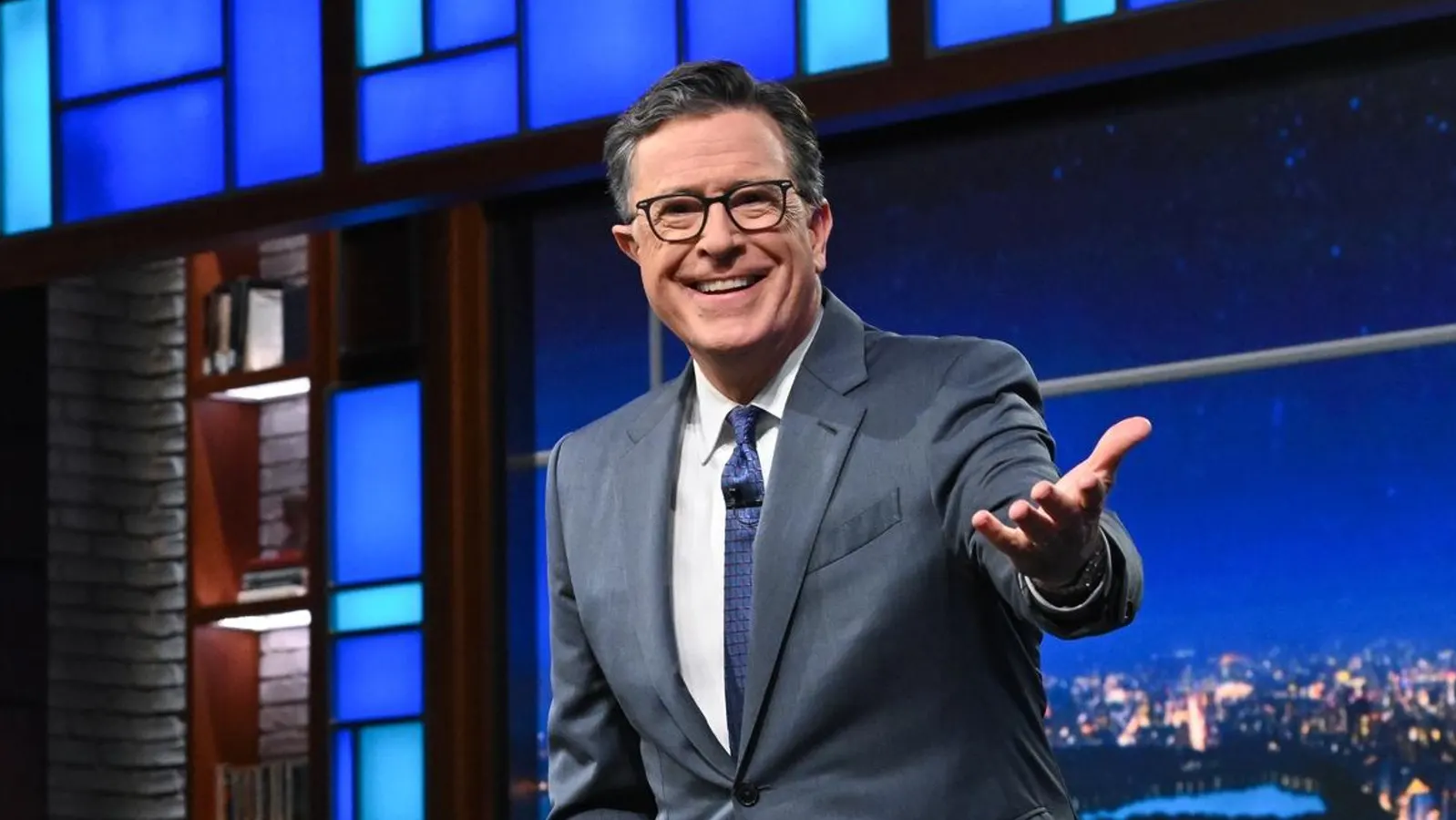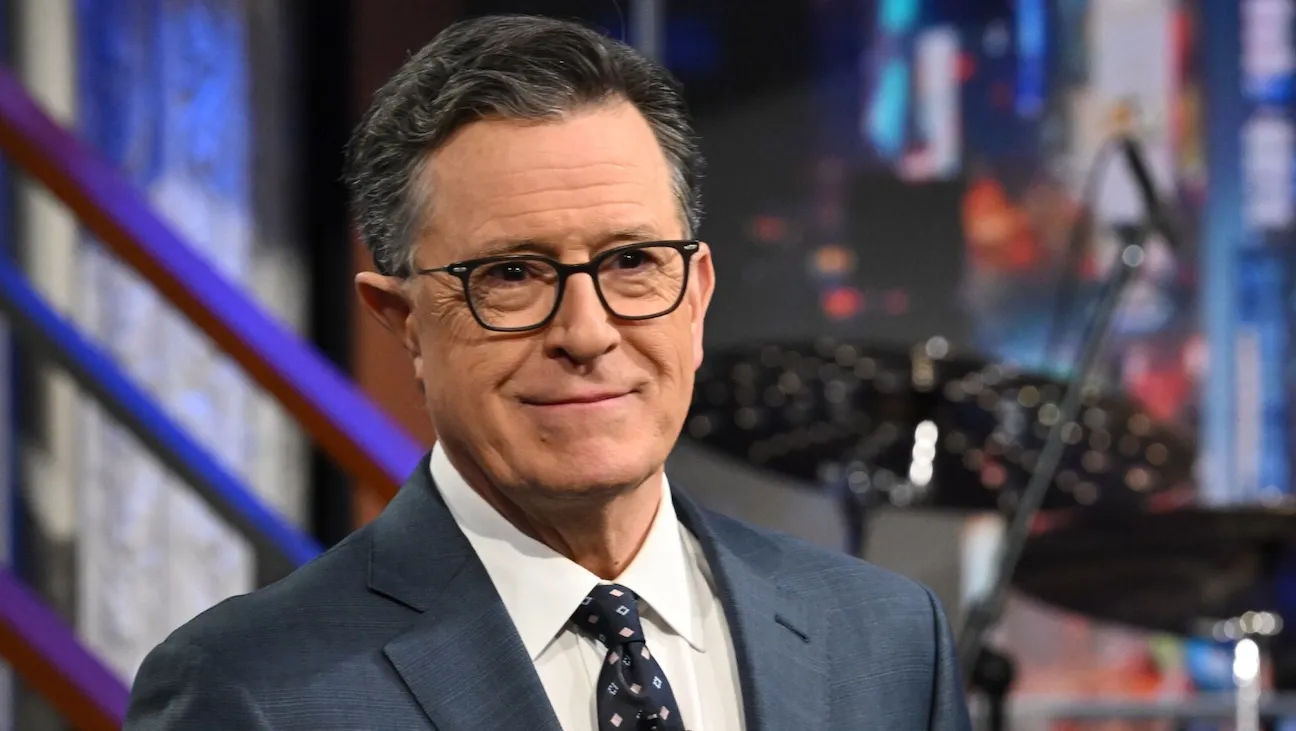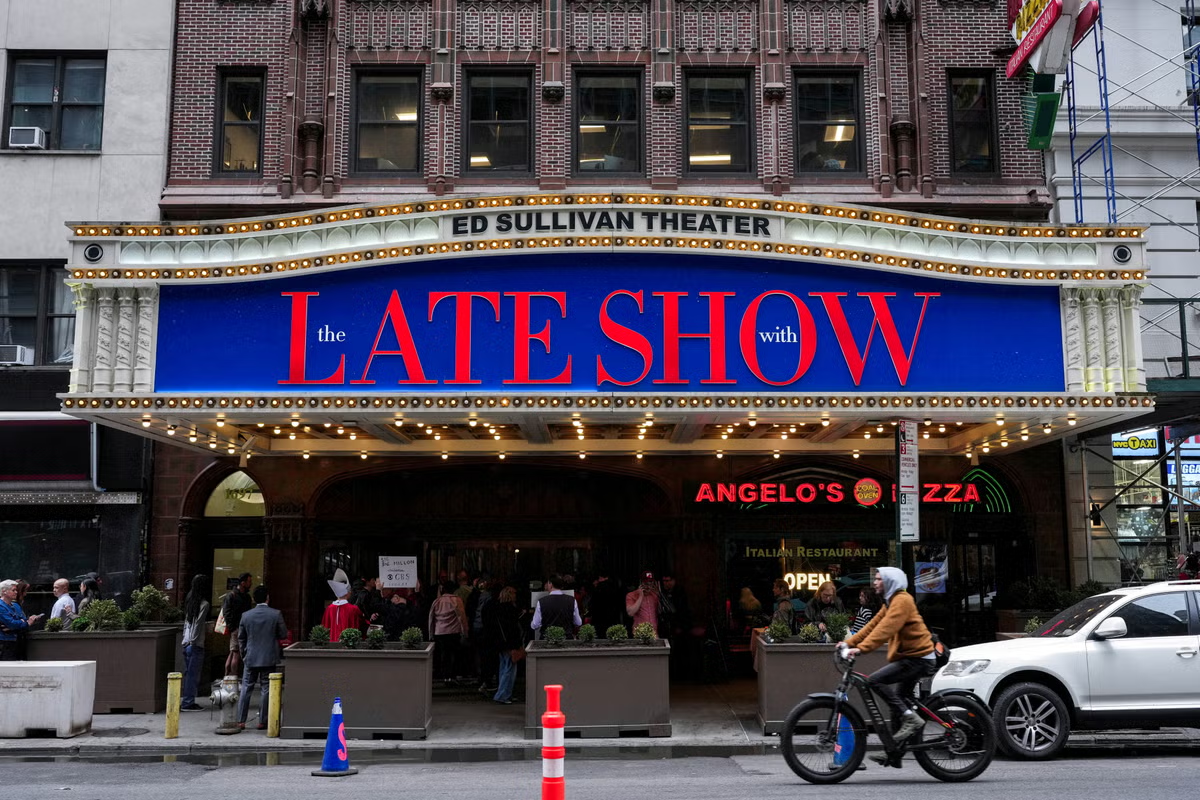
Stephen Colbert’s sign-off as the host of CBS’s The Late Show may well mark the conclusion of a historic television franchise, yet the enduring tradition of late-night comedy is far from dead. Instead, it has found a vibrant new home in the booming podcast landscape.A host of familiar faces from the late-night circuit, including Conan O’Brien, Chelsea Handler, and Samantha Bee, have successfully transitioned to podcasts, carving out second acts for their comedic careers. They are joined by established comedians such as Amy Poehler, popular stand-up acts like Theo Von, and emerging talents like Kareem Rahma, whose celebrity interviews conducted on the New York City subway have garnered significant attention.Trevor Noah, who previously hosted The Daily Show, now commands a considerably larger total audience through his podcast, What Now? With Trevor Noah, than he ever did on television. His podcast boasts nearly 4.6 million subscribers on YouTube, a figure more than ten times greater than the average 372,000 viewers his Comedy Central program attracted in his final year. "YouTube is fantastic. It’s a place where I get to make the shows that I want, with the people that I want, in a way that I want," Noah stated during YouTube’s upfront presentation to advertisers this month.Trevor Noah is thriving as a podcaster (Getty)This burgeoning success stands in stark contrast to the steady decline in late-night TV audiences. Just fifteen years ago, leading network comedy programs could generate more than $100 million a year. The economics have drastically changed. Colbert’s The Late Show, which employed an estimated 200 people, including writers, producers, musicians and support staff, was losing as much as $40 million a year.Podcasts, by comparison, operate at a fraction of the cost of television productions, and crucially, the talent often retains ownership of their shows. This allows them to directly benefit from advertising revenue, subscriptions, sponsorships, live events, and even merchandise sales.Watch Apple TV+ free for 7 dayNew subscribers only. £9.99/mo. after free trial. Plan auto-renews until cancelled.Try for freeADVERTISEMENT. If you sign up to this service we will earn commission. This revenue helps to fund journalism across The Independent.Watch Apple TV+ free for 7 dayNew subscribers only. £9.99/mo. after free trial. Plan auto-renews until cancelled.Try for freeADVERTISEMENT. If you sign up to this service we will earn commission. This revenue helps to fund journalism across The Independent.Advertising expenditure has naturally followed this audience migration. According to ad tracking firm Guideline, at least $30 million in spending has shifted from TV comedy shows to podcasting over the last quarter alone. Concurrently, ad spending on late-night television has plummeted by nearly 60 per cent since 2017.YouTube’s dominance in the living room has been a significant catalyst for the surge in podcasts, particularly video podcasts, which often mirror the format of TV talk shows. It has emerged as the most popular destination for weekly podcasts, surpassing both Spotify and Apple, as reported by Edison Research at SSRS. In October alone, viewers consumed over 700 million hours of podcasts on YouTube from their living rooms, a substantial increase from 400 million hours a year prior.Conan O’Brien is credited with paving the way for other comedians exiting the late-night stage. He launched the Conan O’Brien Needs a Friend podcast eight years after his departure from NBC’s "The Tonight Show" in 2010. The podcast now ranks 15th among the nation’s top 50 podcasts, according to Edison Research, having accumulated more than 230 million downloads since its 2018 debut. "He got pushed off late-night," said Megan Lazovick, Edison’s vice president of research. "Now, he has this huge career, and really the freedom to do whatever he wants."This newfound freedom stands in stark opposition to the corporate and political pressures inherent in traditional television, forces that ultimately contributed to the dismantling of CBS’s The Late Show franchise. "You’re not just a hired host on someone else’s real estate," explained Ben Davis, co-head of digital at the WME talent agency, who represents figures like Hot Ones host Sean Evans and Amy Poehler. "You can own your show, do what you want with it creatively." Amy Poehler has also become popular in the podcast industry (Reuters)Davis added that owning a podcast and building its business through advertising, sponsorships, and licensing deals can yield a payoff that "dwarfs the upfront compensation" talent might receive from a traditional TV show, though he declined to provide specific financial details for his clients, which include Colbert.Advertising giant WPP estimates that ad revenue from podcasts increased by 25 per cent in the first quarter of the year compared to the same period last year. Sean Wright, Guideline’s chief insights and analytics officer, noted that comedy has always existed at the "fringe of brand safety." He added, "The whole point is to push on boundaries to make things funny."As for Stephen Colbert, a podcast venture may not be on his immediate horizon. He is currently collaborating with filmmaker Peter Jackson on a new movie based on the early chapters of J.R.R. Tolkien’s novel Lord of the Rings: The Fellowship of the Ring.As he announced in a YouTube video, "I will see you all in the shire."
Stephen Colbert’s Late Show farewell ushers in new era
The final episode of The Late Show was broadcast on CBS on Thursday
852 words~4 min read