Show Caption
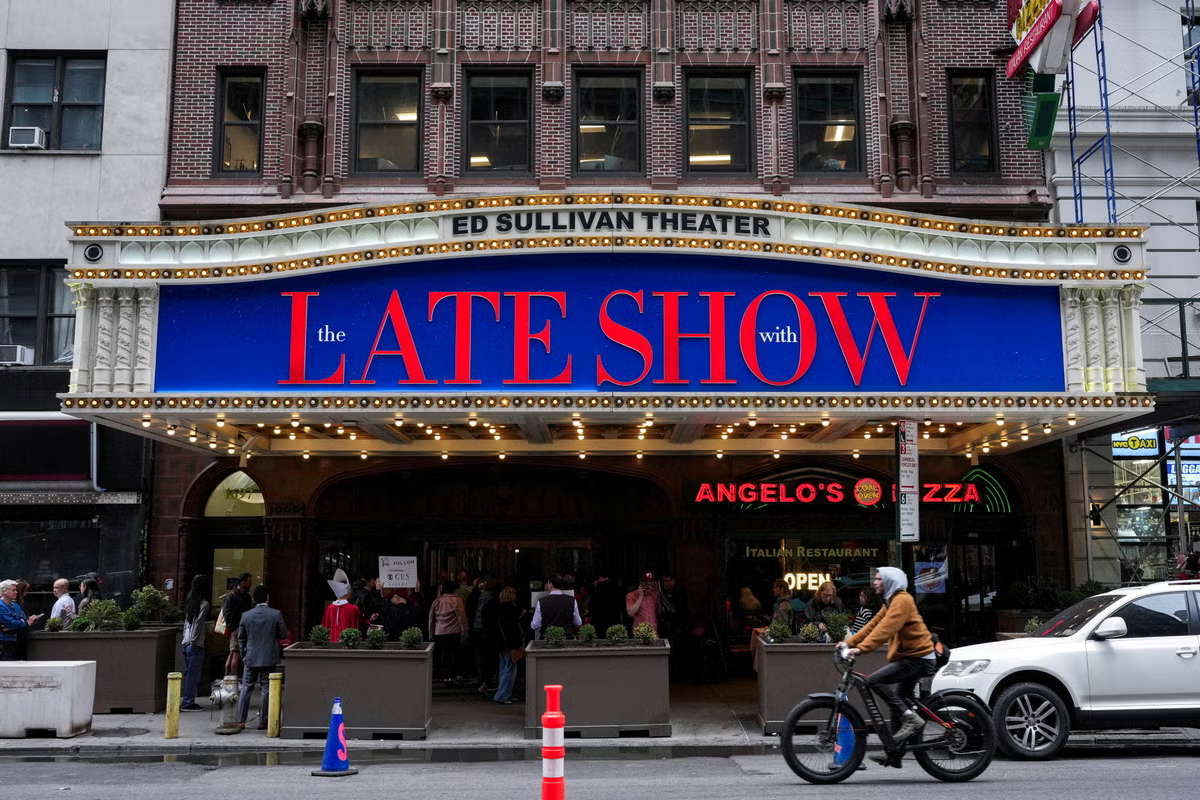
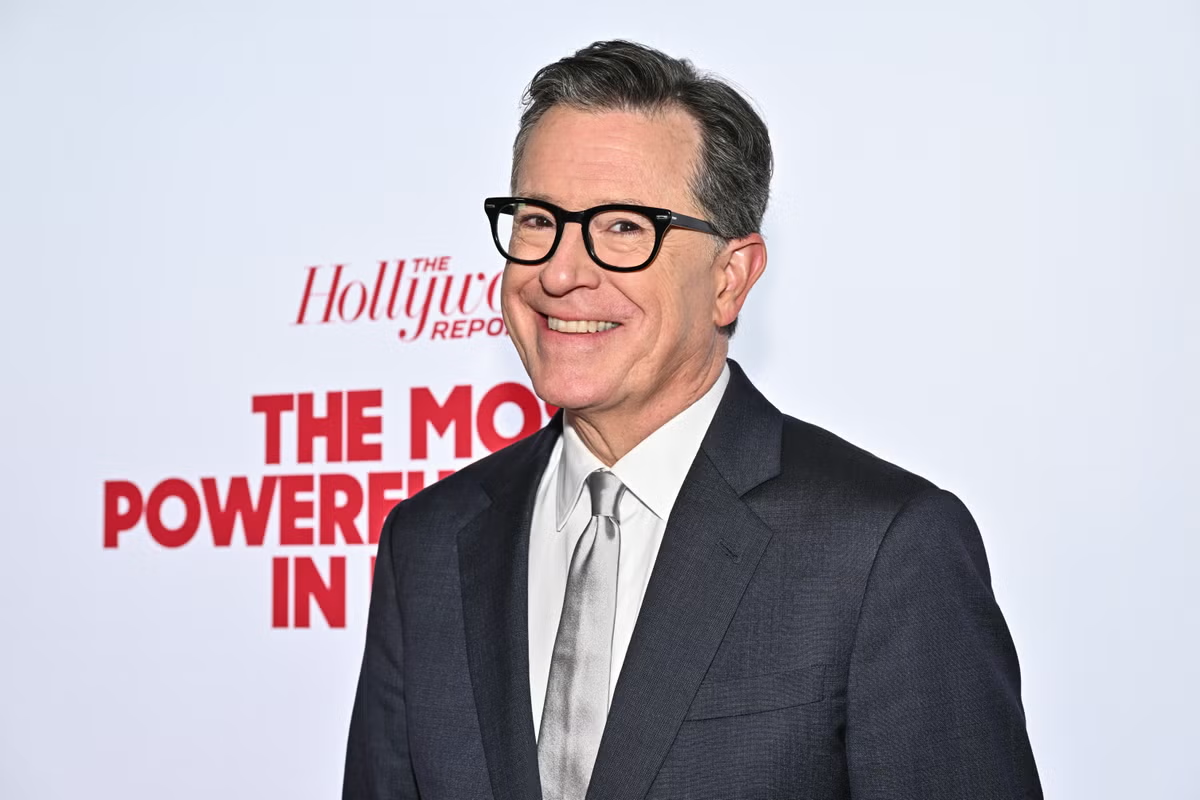
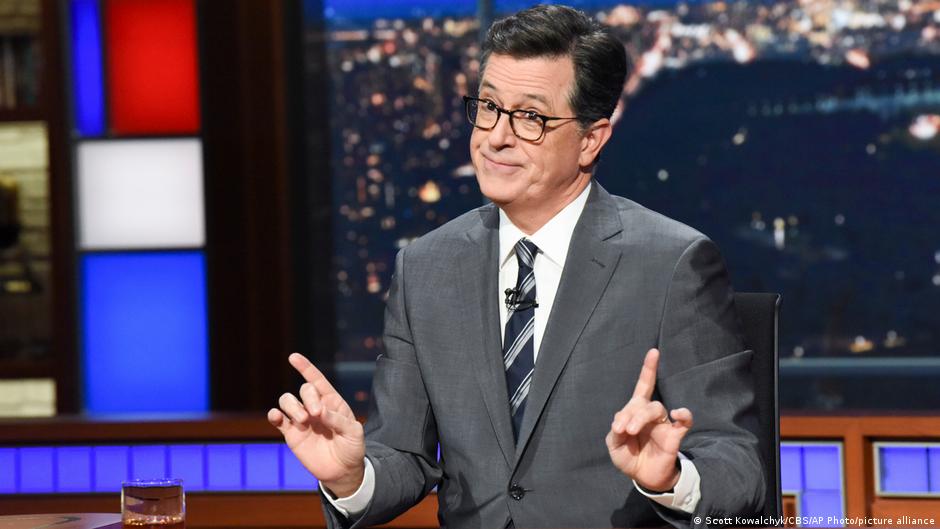
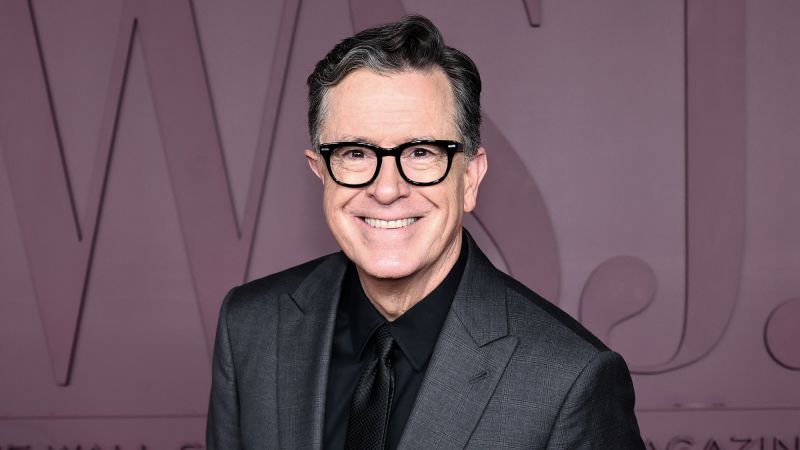
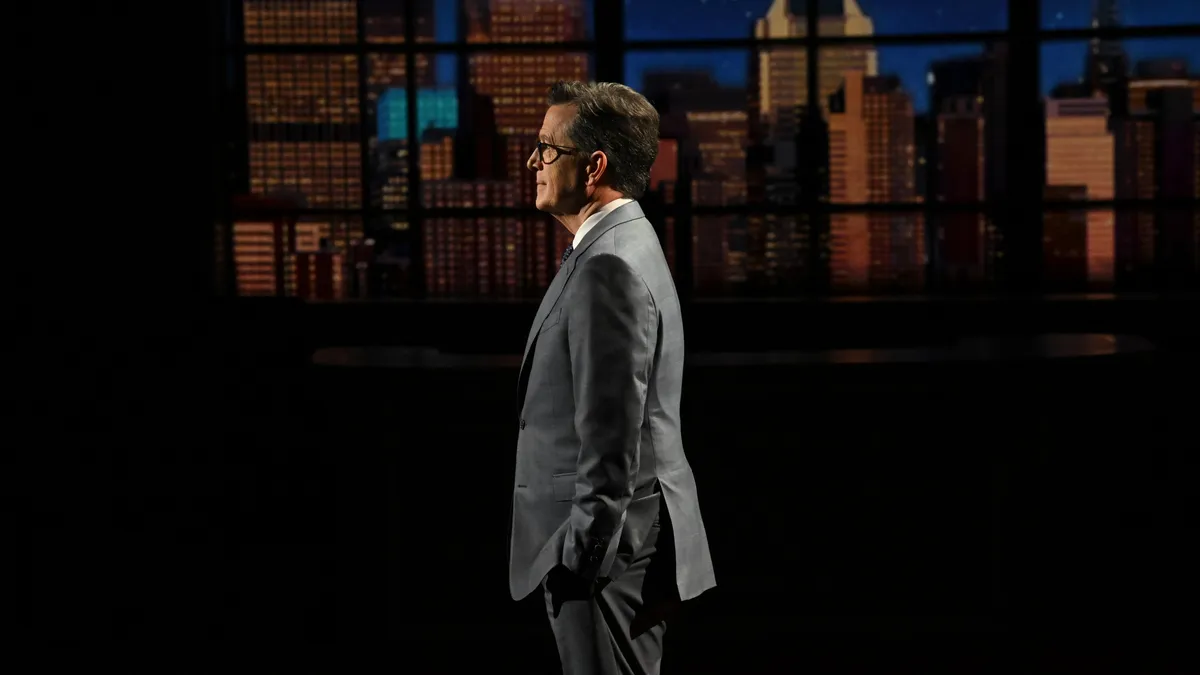
What will Stephen Colbert's legacy be?The story of the quintessentially American comedian did not end on May 21, in spite of the funerary pomp and circumstance surrounding the finale episode of "The Late Show" on CBS, which Colbert has hosted since 2015. There are miles yet before the 62-year-old Colbert sleeps, even if this act of his career has come to a close. It's already his second or third act to date, depending on how you count.But in the long story of Stephen Colbert there will be an incendiary chapter about this moment in cultural history, which started almost a year ago when he announced CBS had canceled "Late Show" and thus his daily tenure on our screens. That move threw an industry into confusion, drew both political backlash and celebration and has resulted in a monthlong last hurrah from Colbert and his many friends that has the country's zeitgeist on tenterhooks like it's the series finale of "Game of Thrones."Colbert stepped out on the stage for his May 21 finale bearing the weight of a divided nation, tongue-wagging internet haters and presidents former (Barack Obama) on his couch and current (Donald Trump) tweeting down his neck. He managed the finale with aplomb, ever the showman and professional.The comedian started with a short farewell acknowledging his crew, followed by a pretty typical monologue poking at the regular news (like sinkholes at airports) and his own news (even dolphins know he got canceled). He pivoted to his hyperactive regular segment "Meanwhile," which contained no less than one attempt to get CBS sued, two celebrity interruptions and one cackle-worthy sushi joke.The final "Late Show" guest wasn't actually Pope Leo XIV as jokingly teased, but Beatles legend Paul McCartney, a major part of the history of New York's Ed Sullivan Theater where "The Late Show" has taped for 34 years. Other hosts may have used an icon like McCartney to further shine the spotlights on themselves, but Colbert chatted with McCartney like it was any other night. The musician talked about his new album, his childhood and reminisced about performing on "The Ed Sullivan Show" in 1964, where he got his first impressions of America, the great democracy. McCartney told Colbert he hopes that the country will remain so.There were bits about CBS and equal time. There were spit takes and more celebrity cameos than you could count. There was a wormhole. Colbert quoted his great literary love, "The Lord of the Rings." Former bandleader Jon Batiste returned to sing alongside Colbert (and current bandleader Louis Cato and Elvis Costello). There was great joy, which Colbert spoke about championing everyday with his crew and colleagues.And mostly there was Colbert, with his awkward, goofy, endearing self. His brand of comedy – from his early career with improv group Second City and his "Daily Show" correspondent days to getting his own show "The Colbert Report" to a decade on network TV – was never about charm or fluff or flash.Colbert's strength has always been his point of view, cutting satire, geekiness and heart. Anyone watching could feel the emotion radiating from the host all night, even as he pretended to be sucked into the abyss.It was a silly, funny and affecting episode of television. By the time Colbert was singing "Hello, Goodbye" with McCartney, Costello, Cato and Batiste, he didn't need to say anything else.You shouldn't expect anything less than confidence and grace from Colbert. He's the man who stayed in character as a conservative blowhard for over a decade, who made "Strangers with Candy" one of the weirdest and most-fun comedy shows on TV, and who told off yet another president (George W. Bush) to his face at Washington, D.C.'s biggest fête.So no, Stephen Colbert is not done. "The Late Show" is done. Late-night TV might be done soon. But voices like Colbert don't disappear into the wind without a shiny wooden desk in front of them and a broadcast company behind them.This chapter is over. Another one begins.