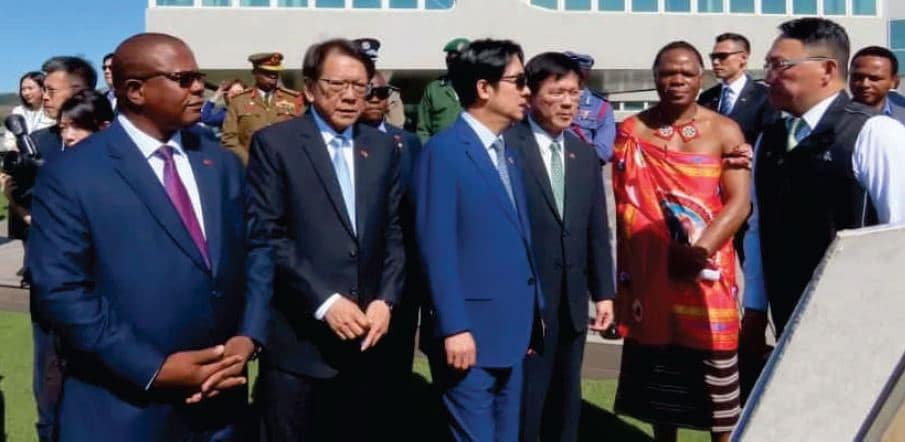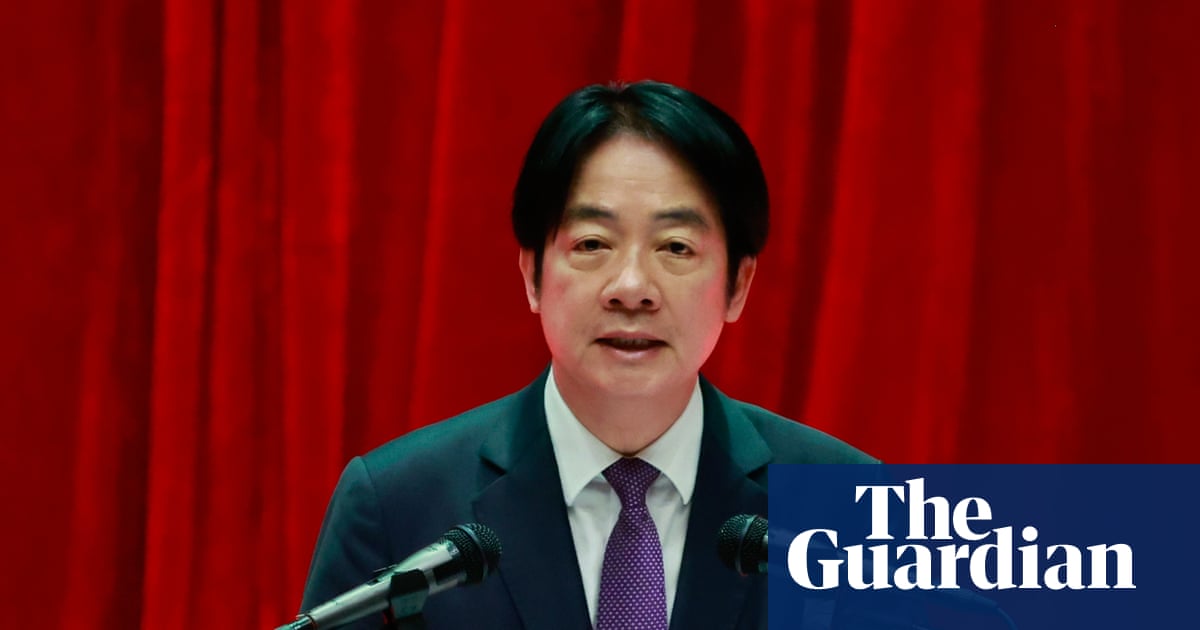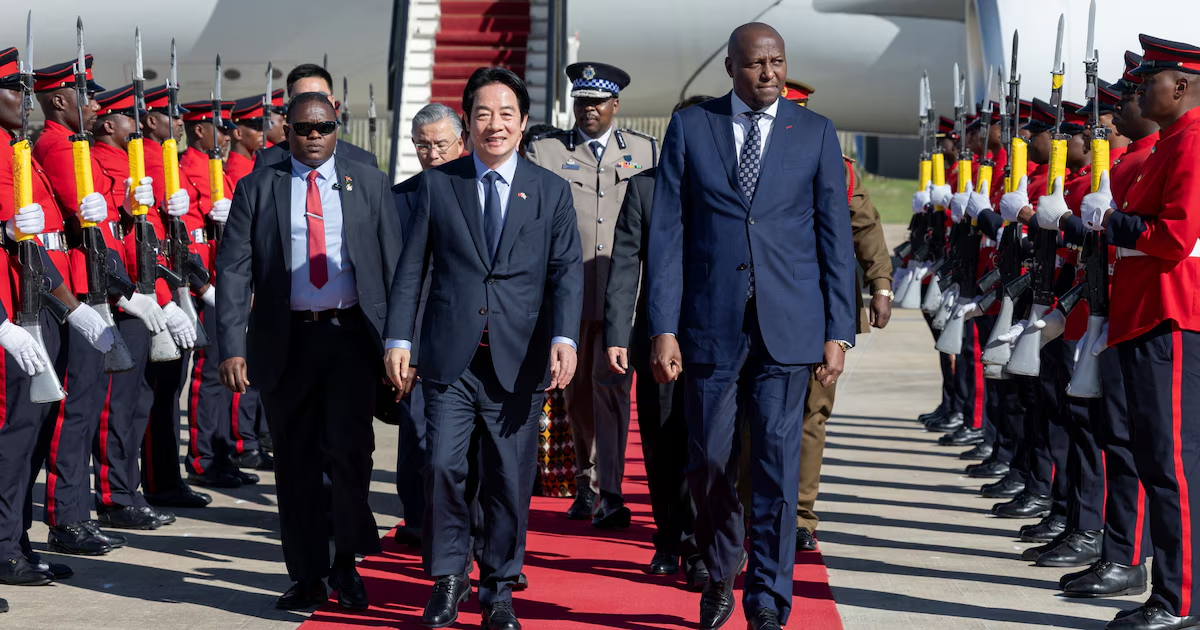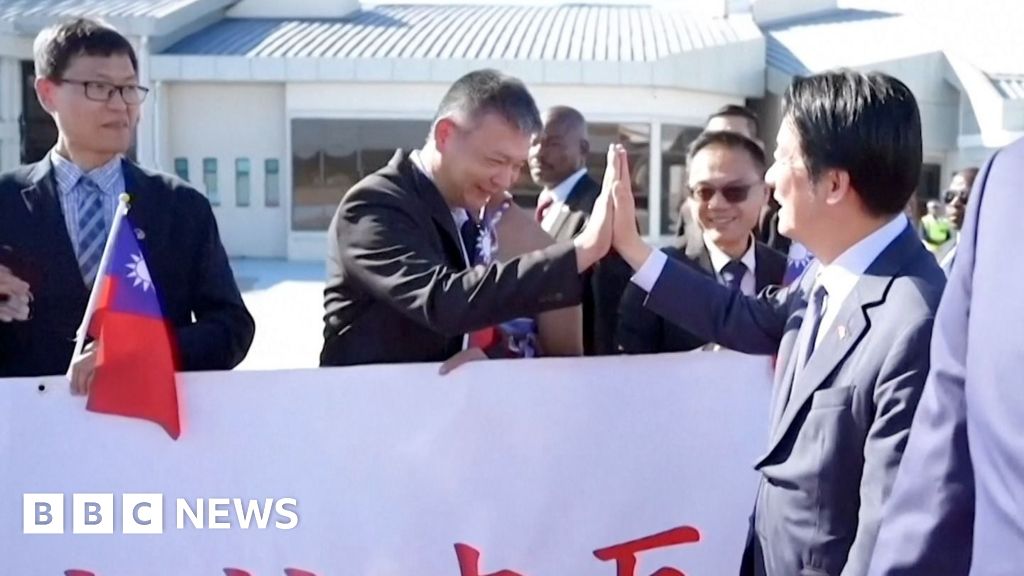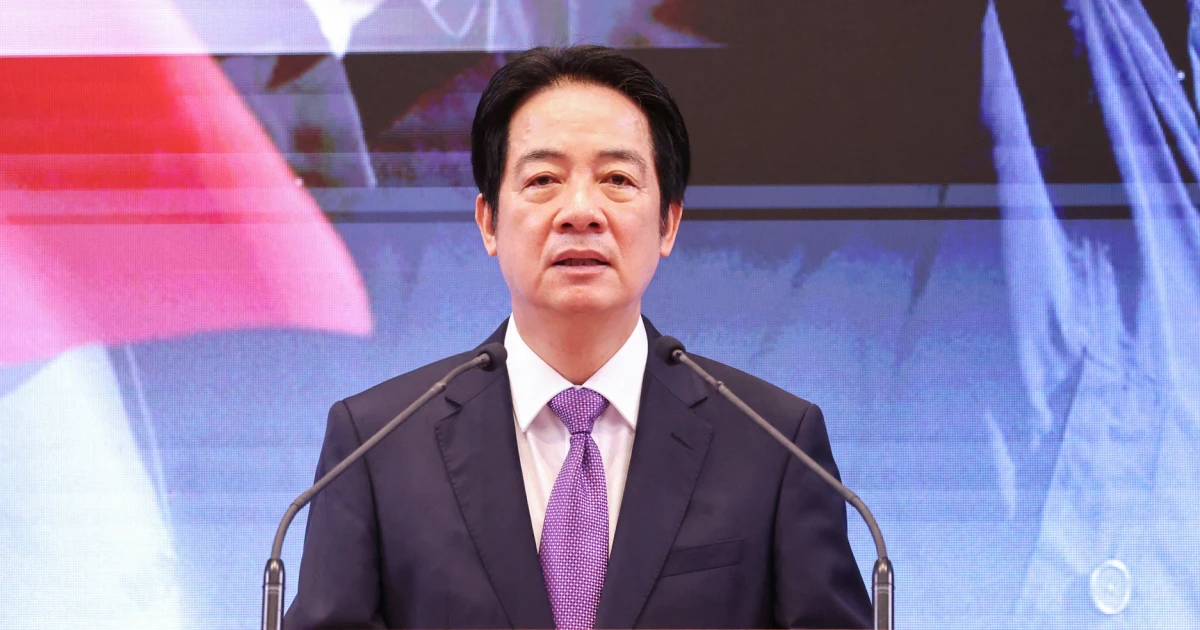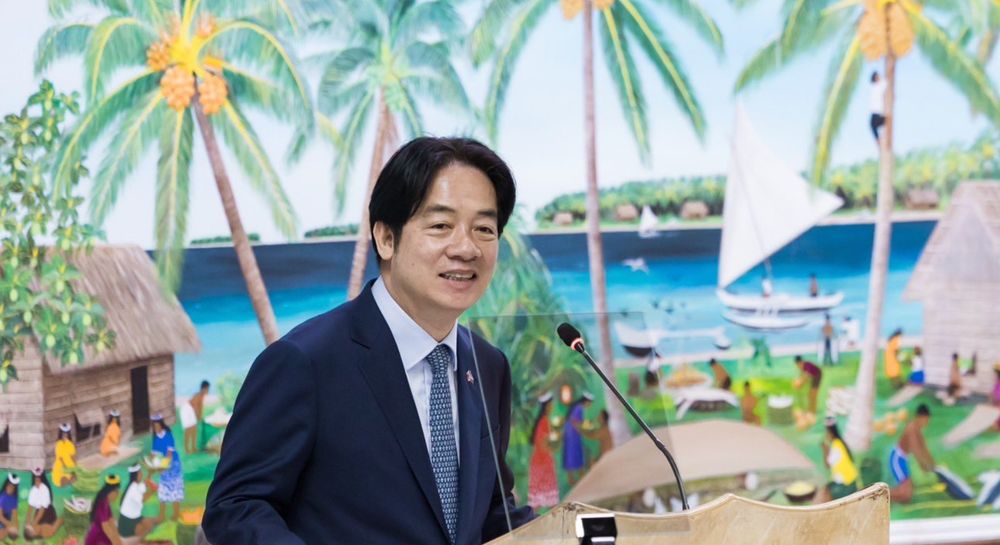
Taiwan regional leader Lai Ching-te. Zhao Yinan uncovers how Lai Ching-te's attempts to garner international support through political manoeuvres are failing, as the one-China principle gains traction across Africa.
The Lai Ching-te authorities have recently sought to create political attention through so-called “transit” and “diplomatic” manoeuvres, attempting to push a separatist agenda by relying on external support. However, the political spectacle surrounding eSwatini has failed to achieve its intended effect. Instead, it has further exposed the authorities’ attempt to challenge the one-China principle and undermine peace and stability across the Taiwan Strait.
On May 20, Chinese Foreign Ministry spokesperson Guo Jiakun responded firmly to Lai Ching-te’s remarks, stressing that Taiwan is an inseparable part of China’s territory, has never been a country, and never will be. He said the Lai authorities are merely seeking attention and exposing themselves as “troublemakers” and “destroyers of peace,” adding that attempts to seek “Taiwan independence” through foreign support or military means are nothing more than wishful thinking.
Lai Ching-te’s recent manoeuvres involving eSwatini have been widely viewed as a political farce. As the only African country still maintaining so-called “diplomatic ties” with Taiwan, eSwatini has long been regarded by the Democratic Progressive Party authorities as their last foothold in Africa. But as China-Africa cooperation continues to deepen, the one-China principle has become a broad consensus across the continent.