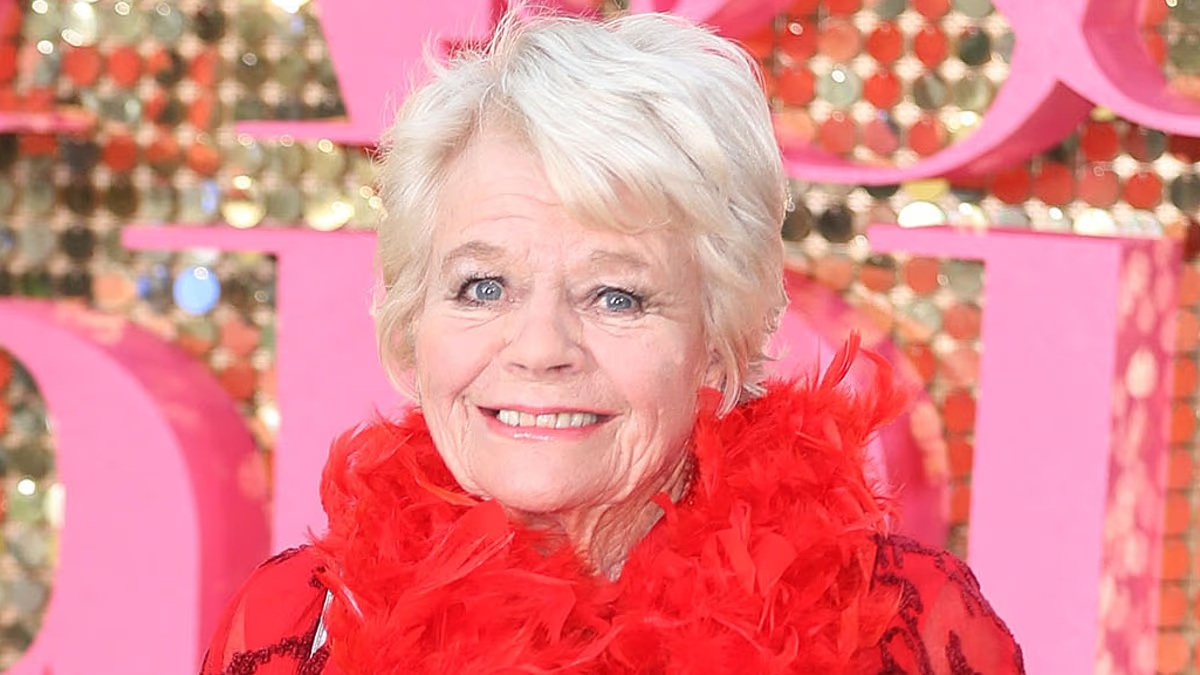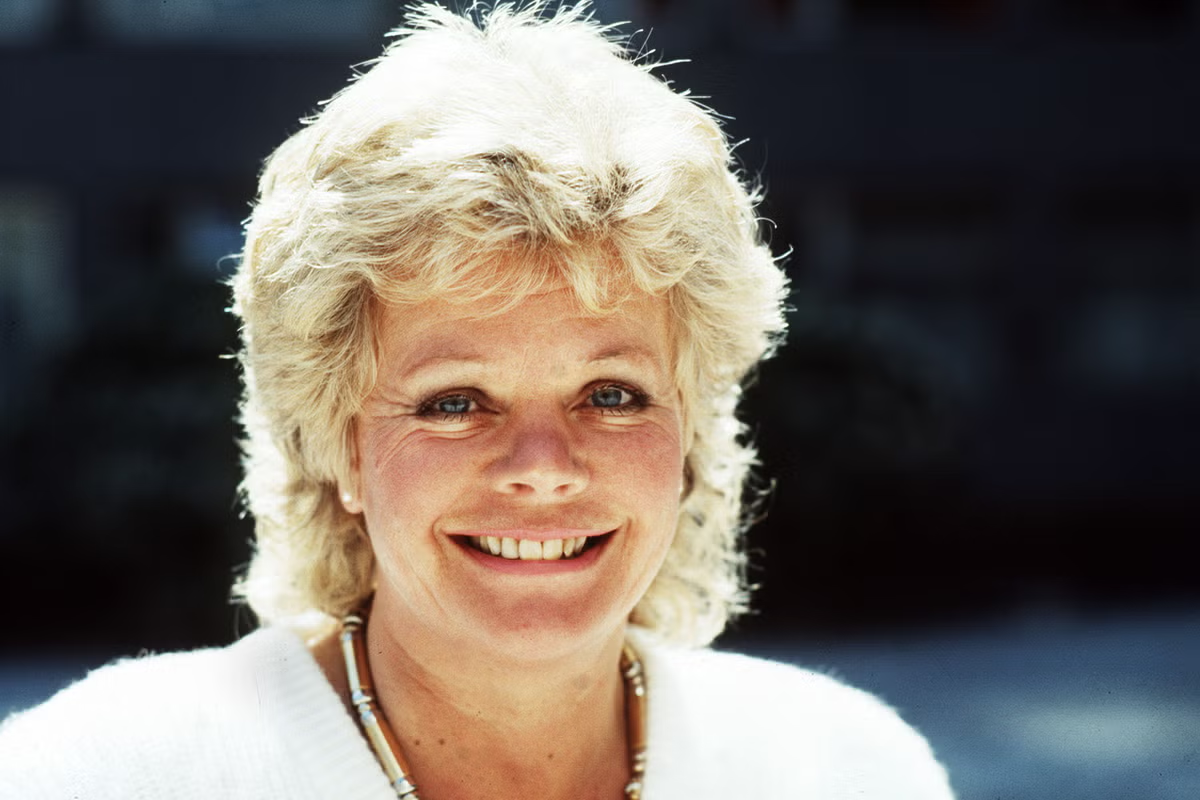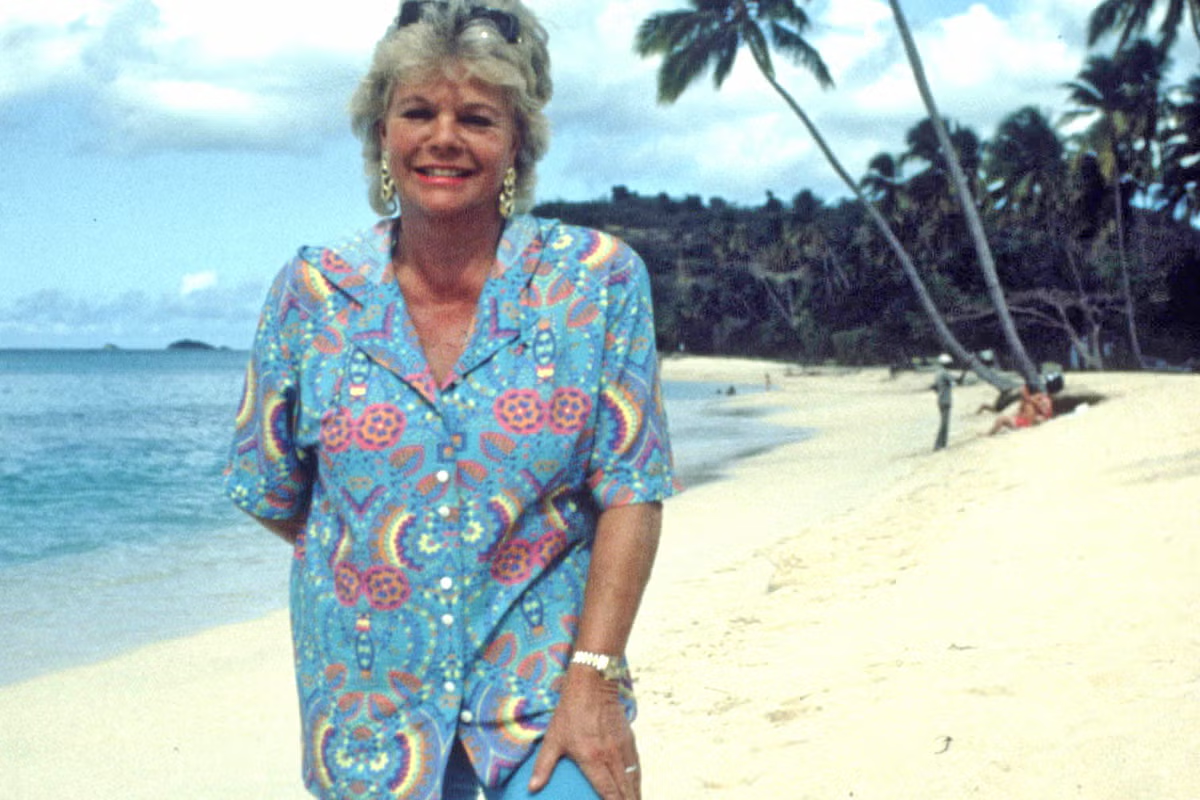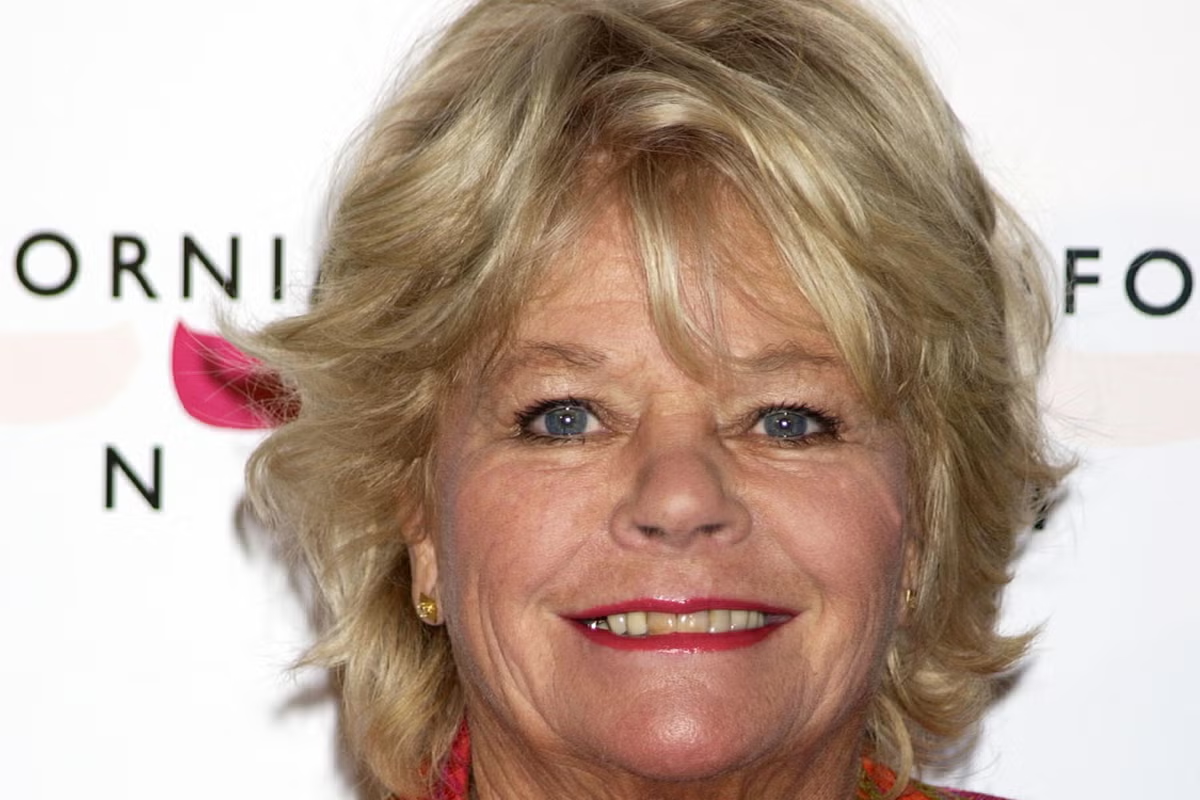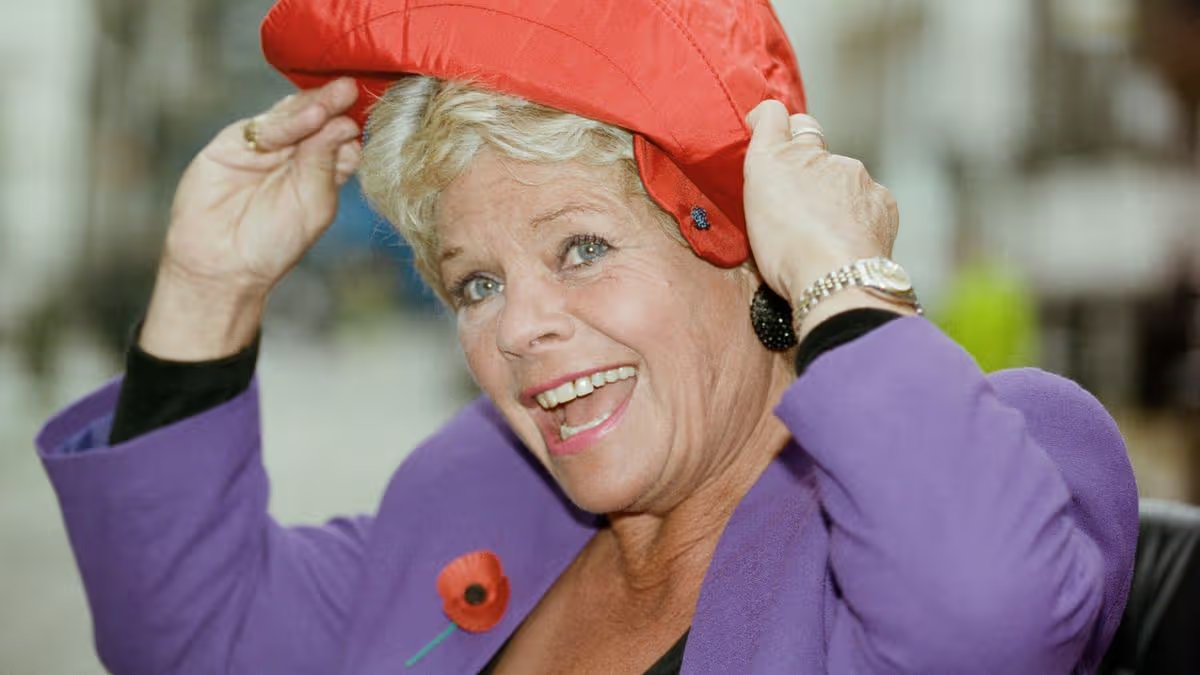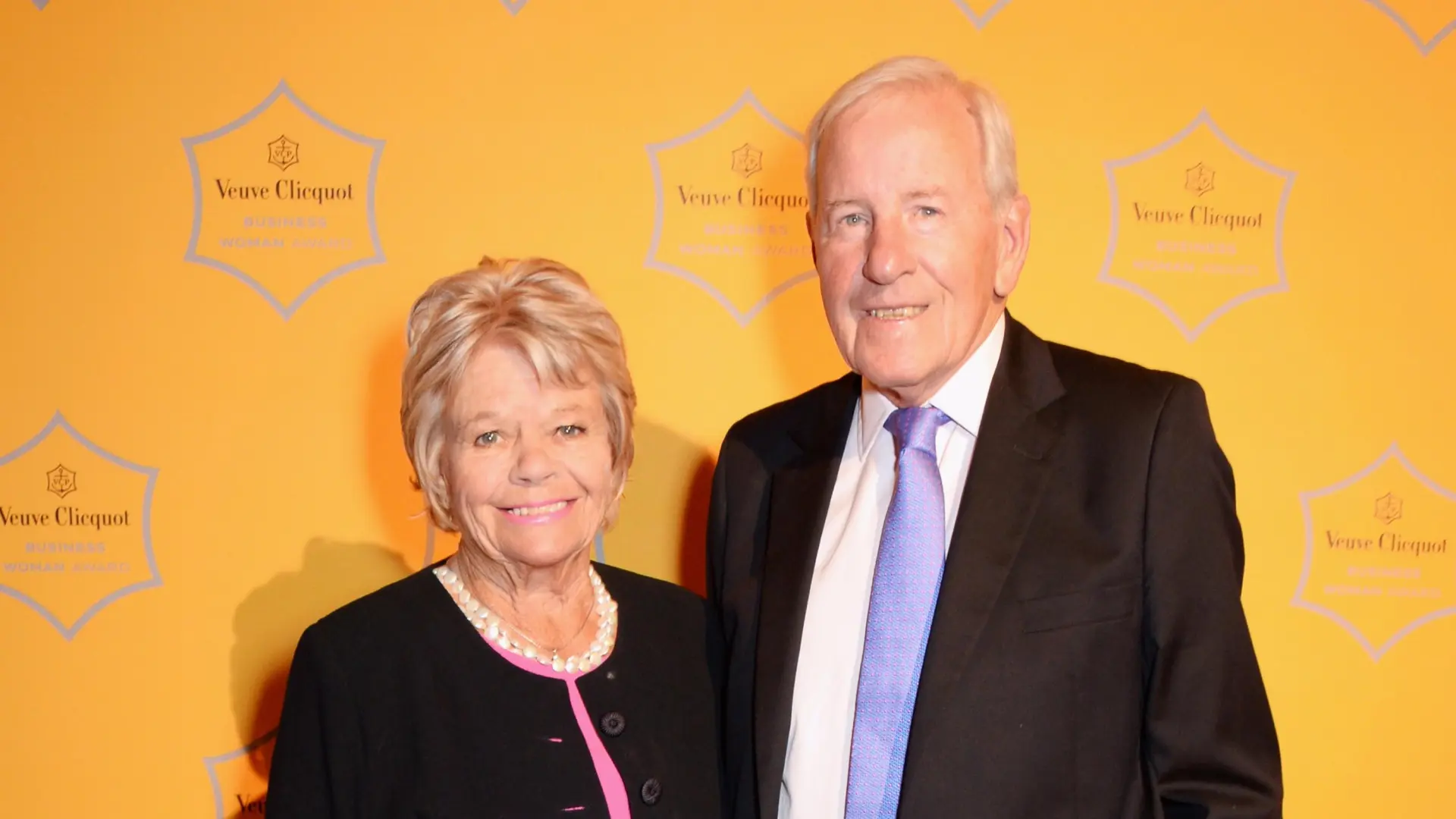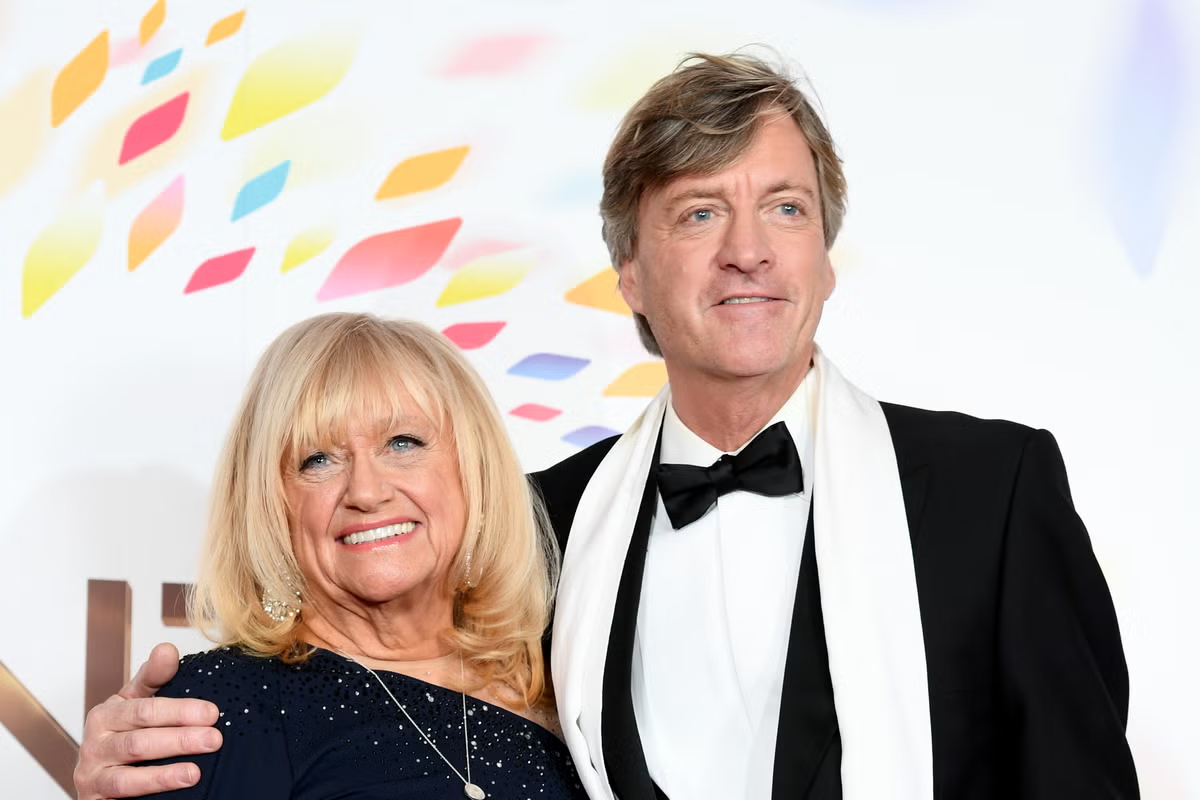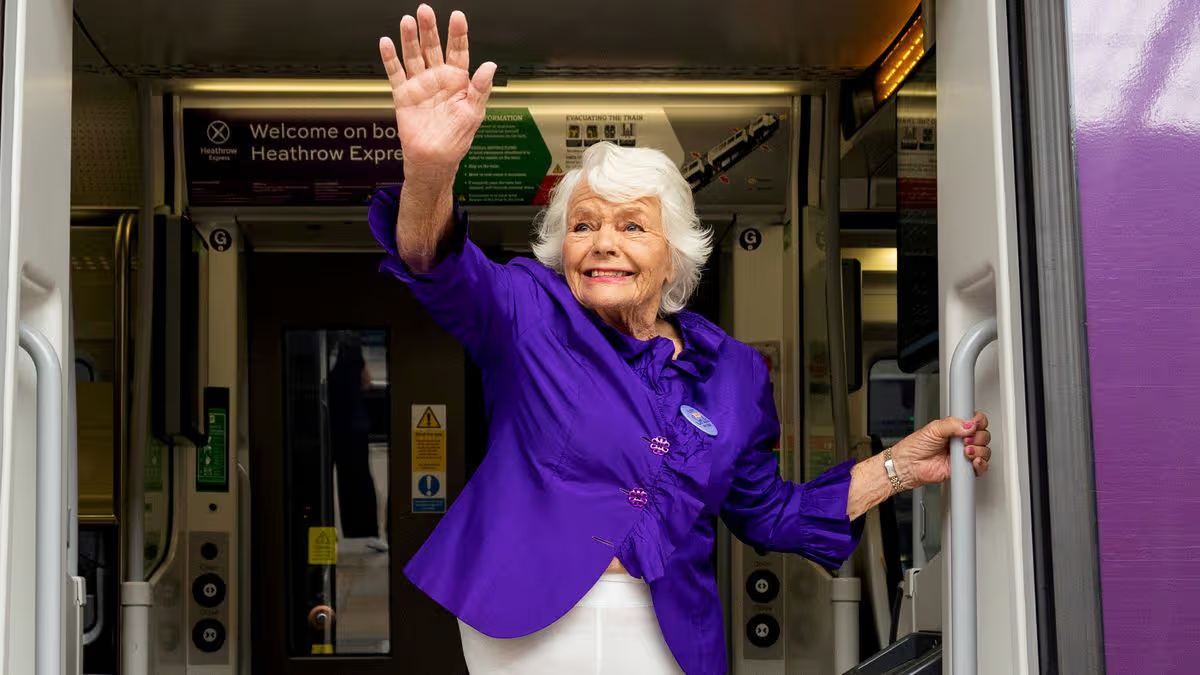
Judith Chalmers, the warm and trusted face of Wish You Were Here…?, helped generations of Britons fall in love with travel and became one of the defining broadcasters of television’s golden age17:25, 22 May 2026For millions of British holidaymakers, she was the warm, reassuring face who arrived in the living room promising sunshine, adventure and escape. Long before social media influencers sold dream destinations online, before budget airlines made weekend city breaks routine, there was Judith Chalmers.Whenever she appeared on screen, she was immaculately composed, endlessly curious, and carried the sort of glamour that made millions of viewers believe the world was waiting for them, too. Now the woman who helped Britain fall in love with travel television has died aged 90.Chalmers, best known as the host of ITV’s hugely successful Wish You Were Here…?, died peacefully at home on Thursday evening, surrounded by her family, after suffering with Alzheimer’s for several years.READ MORE: Travel icon Judith Chalmers shares top stress-free tips for travelling with a smileIn a statement filled with sadness, her family said: “After living an extraordinary life that involved over 60 years in broadcasting and countless adventures all over the globe, Judy sadly passed away last night, surrounded by the family she loved so much after suffering with Alzheimer’s for some years. We will miss her greatly, but she leaves behind a giant suitcase of the happiest of memories.”For more than three decades, Chalmers was one of the most recognisable women on British television. To many, she represented a gentler age of broadcasting, when presenters were trusted companions rather than celebrities chasing the limelight. She never needed gimmicks. Her calm authority, warmth and unmistakable voice did the work.Yet behind that polished image was a broadcasting pioneer who began her career astonishingly young, quietly breaking barriers across an industry then dominated by men.Born in Gatley, Cheshire, on October 10, 1935, Chalmers entered broadcasting while still barely a teenager. In April 1949, at just 13, she began working for the BBC after winning the corporation's Northern Children's Hour talent contest.“It was my mother who suggested I should write for an audition,” she said. “I had been to speech training classes to iron out my accent and had appeared in school plays, but I have never had any burning desire to be an actress.”For her first broadcast, she was paid one guinea. "It seems an incredible amount," she once said. "So little. But at the time, it was thrilling." It was an extraordinary start at a time when few young women would have imagined a future in national broadcasting. She would later joke in interviews that she had “never really grown up doing anything else”.During the 1950s and 1960s, she became a familiar voice on BBC radio, appearing on programmes including Family Favourites and Woman’s Hour.Colleagues remembered her professionalism and ease behind the microphone even as a young presenter. While her glamour later defined her public image, it was on radio that she forged the warmth and intimacy audiences would come to adore.Television soon followed. Chalmers fronted ITV’s Good Afternoon before becoming synonymous with Wish You Were Here…?, the travel programme she presented from 1974 until 2003. At its peak, it drew audiences of more than 18 million viewers. Families planned holidays around her recommendations. Travel agents reported spikes in bookings after destinations featured on the programme, while others would turn to Ceefax or Oracle for the latest deals.It was Britain before online reviews, cheap internet searches and as travel began opening up to the masses. Chalmers and her co-hosts were trusted guides introducing viewers to parts of the world many never thought they would see. She travelled relentlessly. In later interviews, she admitted she sometimes barely knew which country she was waking up in.“There were times when I packed and unpacked so often I forgot where home was,” she once joked. She also presented the BBC’s Come Dancing from 1961 to 1965, Miss World on ITV in the 1980s and hosted BBC Radio 2's mid-morning show from 1990 to 1992.But her glamorous image came with a sacrifice - a working mother constantly travelling abroad while raising her family.Behind the postcard-perfect image, she often acknowledged the pace of life on the road could be gruelling, with punishing schedules that left little time to enjoy the destinations viewers envied.Married in 1964 to sports commentator Neil Durden-Smith, the couple had two children, Mark and Emma. Her son would go on to forge his own successful television career, and Chalmers frequently spoke proudly of him in interviews. Friends said she was delighted when audiences began recognising him in his own right rather than simply as “Judith Chalmers’ son”. Even as Wish You Were Here…? made her one of ITV’s biggest stars, Chalmers remained notably grounded. Unlike many modern television personalities, she avoided self-promotion. Her reputation within the industry was one of professionalism, kindness and stamina.Crew members often remarked on her remarkable calm under pressure. Flights delayed, filming schedules collapsing, tropical storms arriving mid-shoot - Judith would simply smile and continue. There was also a steely toughness to her. Though audiences saw glamour and warmth, colleagues knew she had earned her place through decades of relentless work in an era where women in broadcasting were frequently underestimated.Former ITV executives have previously described her as one of the safest pairs of hands television has ever produced. Viewers trusted her because she never appeared to perform for the camera. She seemed genuinely interested in people, cultures and places. In later life, Chalmers became increasingly reflective about fame. She often said she felt fortunate to have lived through what she considered television’s “golden age”, when presenters were expected to inform and reassure rather than provoke outrage. Asked once about celebrity culture, she gently dismissed the obsession with instant fame. “We were never the story,” she said. “The places and people were.”Her influence on travel broadcasting remains huge. Entire generations of presenters followed the path she helped create. Before glossy reality travelogues and influencer trips, Chalmers made travel feel both aspirational and accessible to ordinary families. She also became part of British cultural shorthand. For years, comedians referenced her seemingly endless holidays. Her tan, sunglasses and exotic backdrops became instantly recognisable symbols of televised escapism. Yet she embraced the jokes good-naturedly.Receiving an OBE in 1994 for services to broadcasting, Chalmers later admitted she felt slightly embarrassed by honours and public praise. Friends said she remained most proud not of awards, but of the simple fact that audiences continued welcoming her into their homes year after year.In recent years, as Alzheimer’s increasingly affected her health, she withdrew from public life. Her family fiercely protected her privacy.Article continues belowFor millions who grew up watching Chalmers glide through airports, beaches and bustling cities with effortless grace, her death marks the closing chapter of a British era of television that she wrote along with Alan Whicker. An age when travel still carried curiosity. And when one woman with a suitcase and a smile convinced an entire nation that the world was worth exploring.
Farewell to Judith Chalmers the holiday queen who showed Britain the world
Judith Chalmers, the warm and trusted face of Wish You Were Here…?, helped generations of Britons fall in love with travel and became one of the defining broadcasters of television’s golden age
1,171 words~5 min read