The modern workforce has no shortage of white-collar tensions—from return-to-office mandates to AI anxiety and Slack etiquette wars. But another issue is quietly creeping into the workforce—one rooted not in technology or bureaucracy, but in age. America’s population is aging rapidly, and there aren’t enough young workers to backfill their critical roles; Svenja Gudell, chief economist at Indeed, says the generational imbalance is straining the workforce.
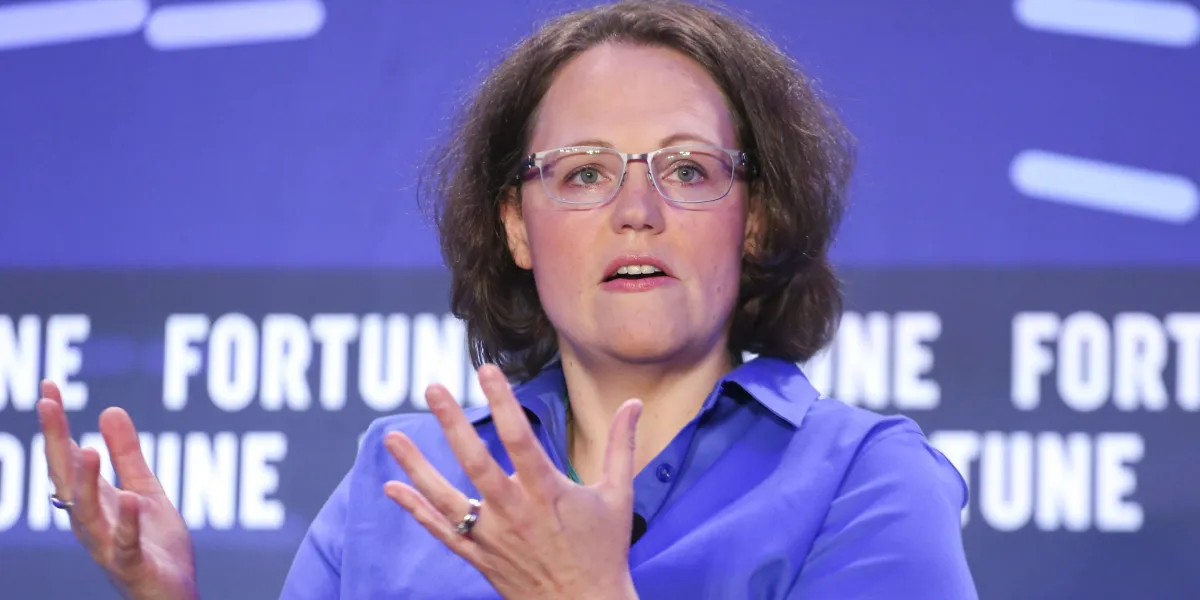
“We’re entering a new phase of a great mismatch,” Gudell recently said onstage at Fortune’s Workplace Innovation Summit. “We’re going to have workers in places we actually don’t want workers, and we’re going to have to reallocate a whole bunch of jobs to other people, and that’s going to cause a little bit of pain.”
The Indeed economist explains that most industrialized countries are going through the shift. Among the Group of Seven countries with advanced economies—including the U.S., Canada, France, and Italy—workers 55 and up will make up more than 25% of the workforce by 2031, about 10% higher than in 2011, according to an analysis from Bain. And as more baby boomers (representing 15% of the U.S. workforce) drift into retirement, younger generations won’t be able to fill in the gap. Plus, the career ambitions of Gen Z and millennial workers differ from those of their predecessors—and it’s creating a supply gap in some industries like skilled trades, manufacturing, and healthcare.