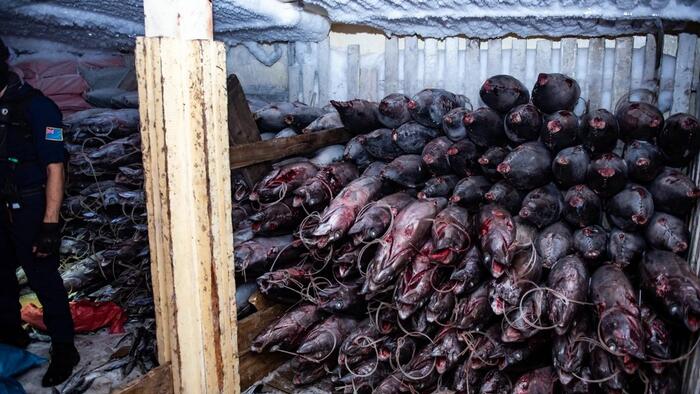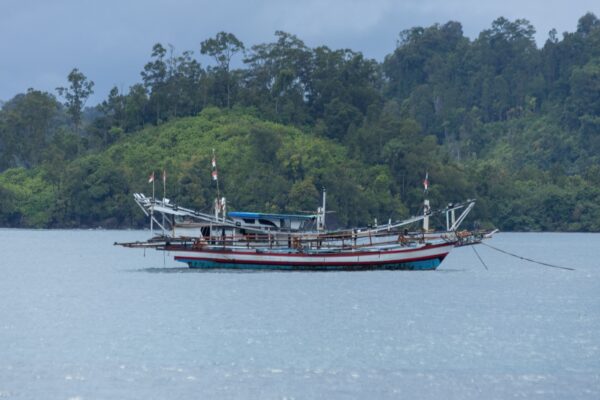
For years, Illegal, Unreported, and Unregulated (IUU) fishing has been treated primarily as an environmental and economic threat. Governments framed it as a problem of depleted fish stocks, lost state revenue, and maritime resource theft. Yet a far more dangerous transformation is unfolding across the Indo-Pacific’s vast maritime spaces. Increasingly, the same networks involved in illegal fishing are becoming logistical arteries for transnational drug trafficking.
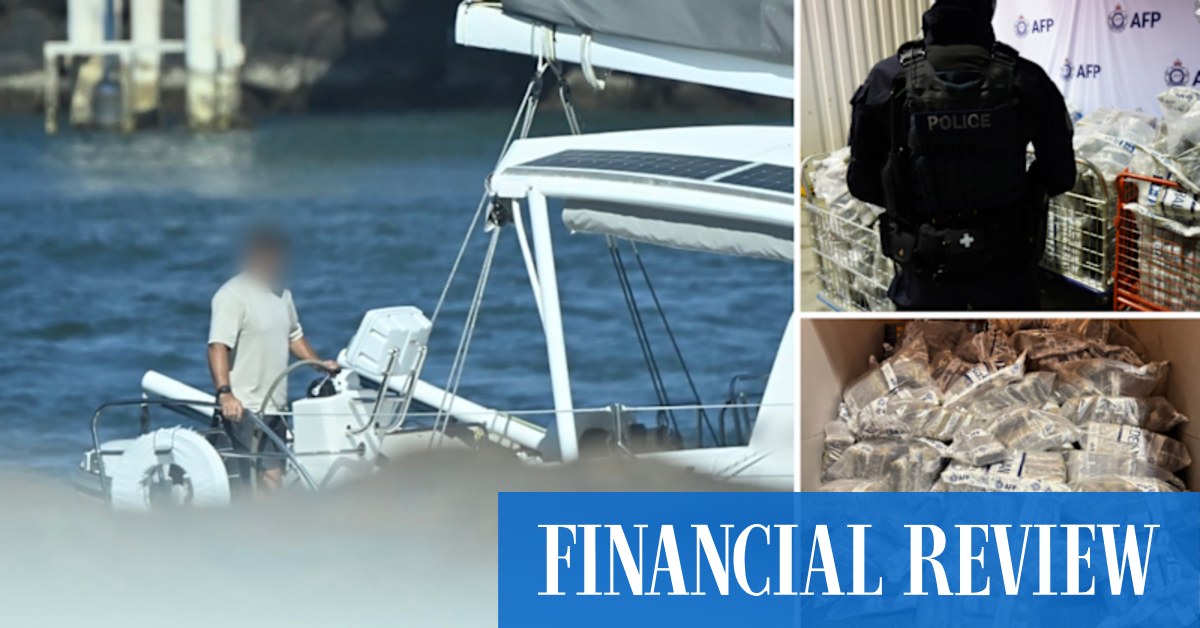
Fishing vessels operating in poorly governed waters are now being used to transport methamphetamine, cocaine, heroin, ketamine, and precursor chemicals across international boundaries. The convergence between fisheries crime and narcotics trafficking is reshaping the political economy of maritime crime from the Indian Ocean to the Pacific.
This evolution reflects more than opportunistic smuggling. It signals the emergence of a hybrid maritime underworld where environmental crime, organized crime, corruption, and geopolitical instability increasingly overlap. Across the Indo-Pacific, criminal organizations are exploiting weak maritime governance, fragmented enforcement systems, vulnerable coastal economies, and congested sea lanes to create what could become one of the world’s most difficult transnational security challenges.