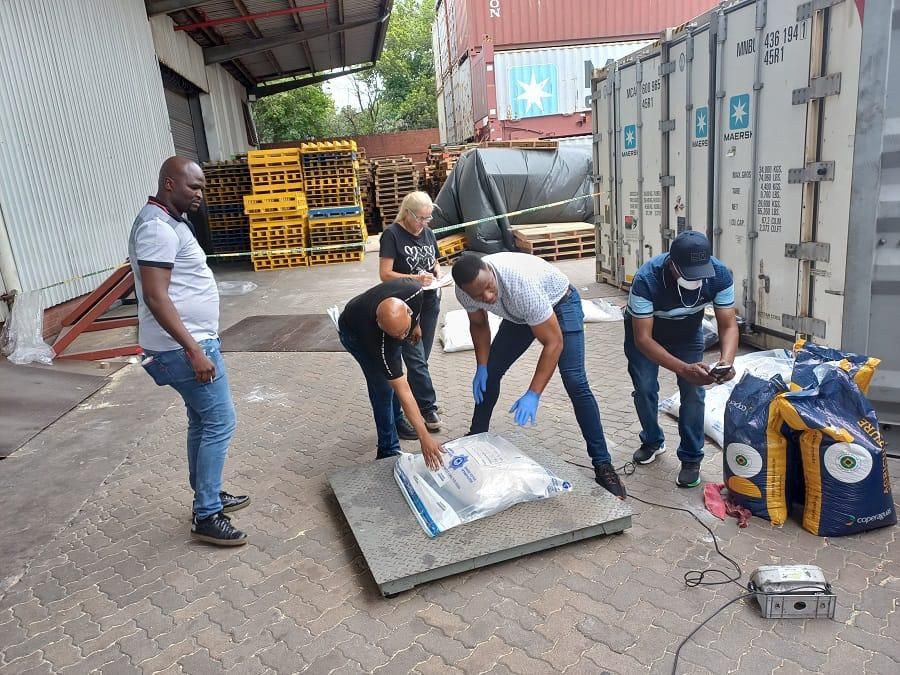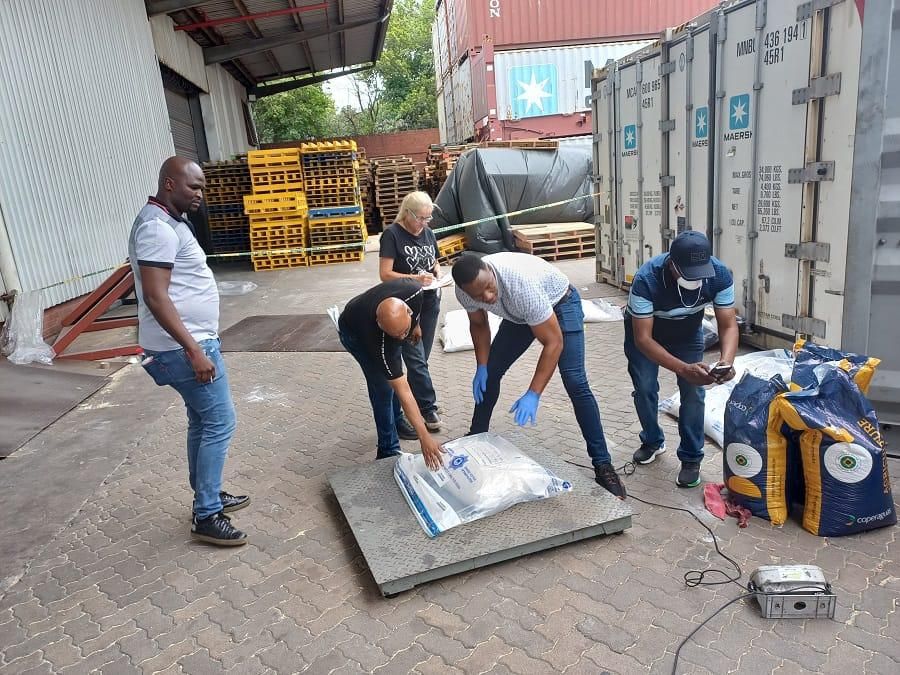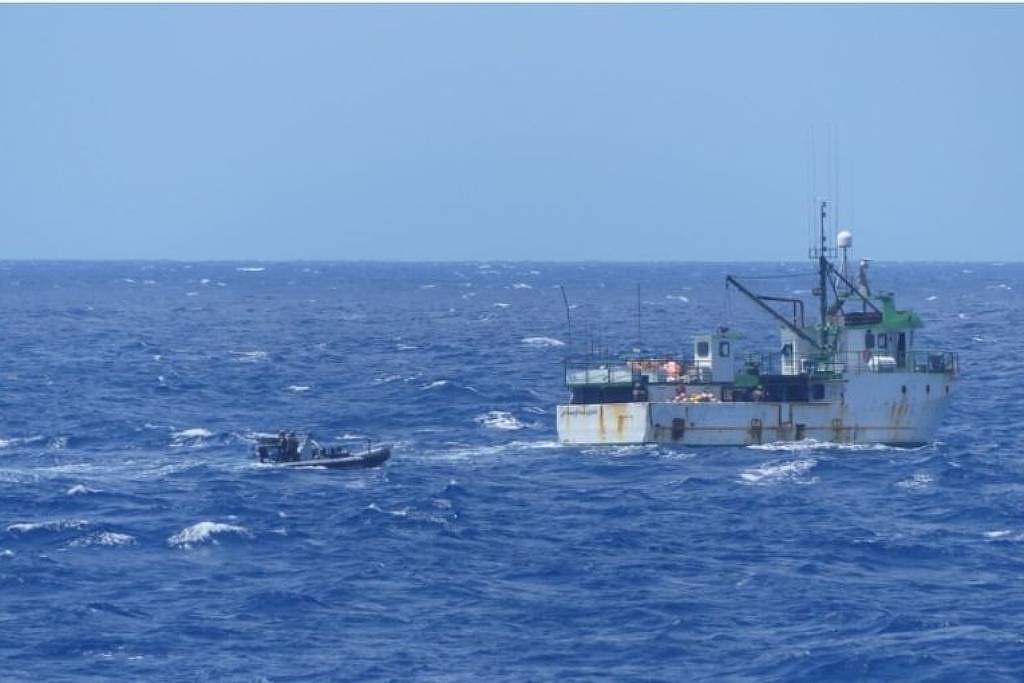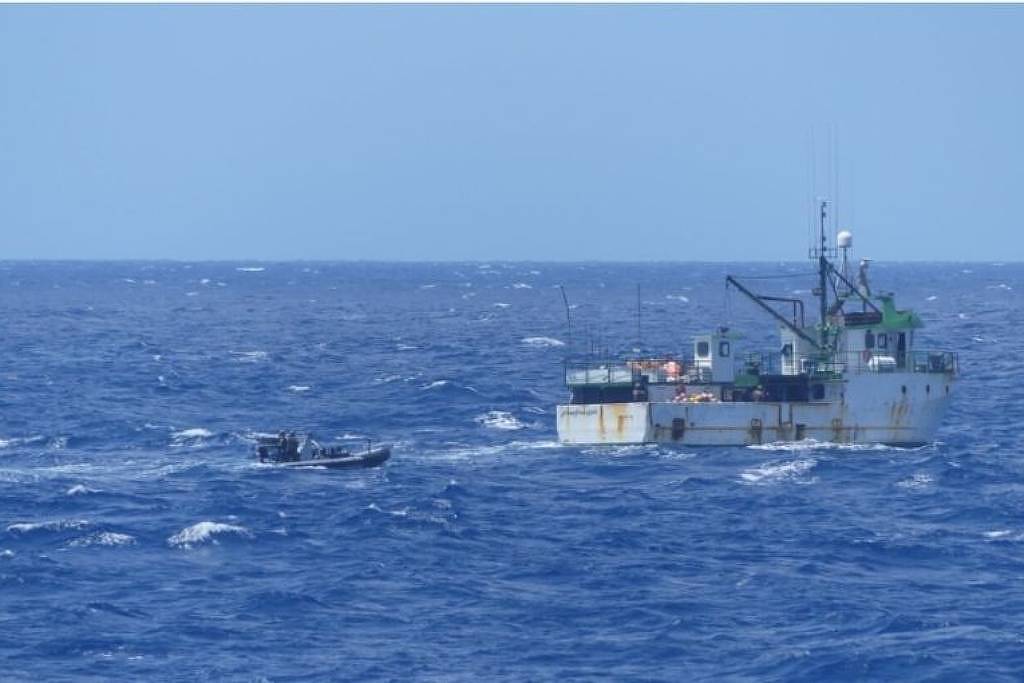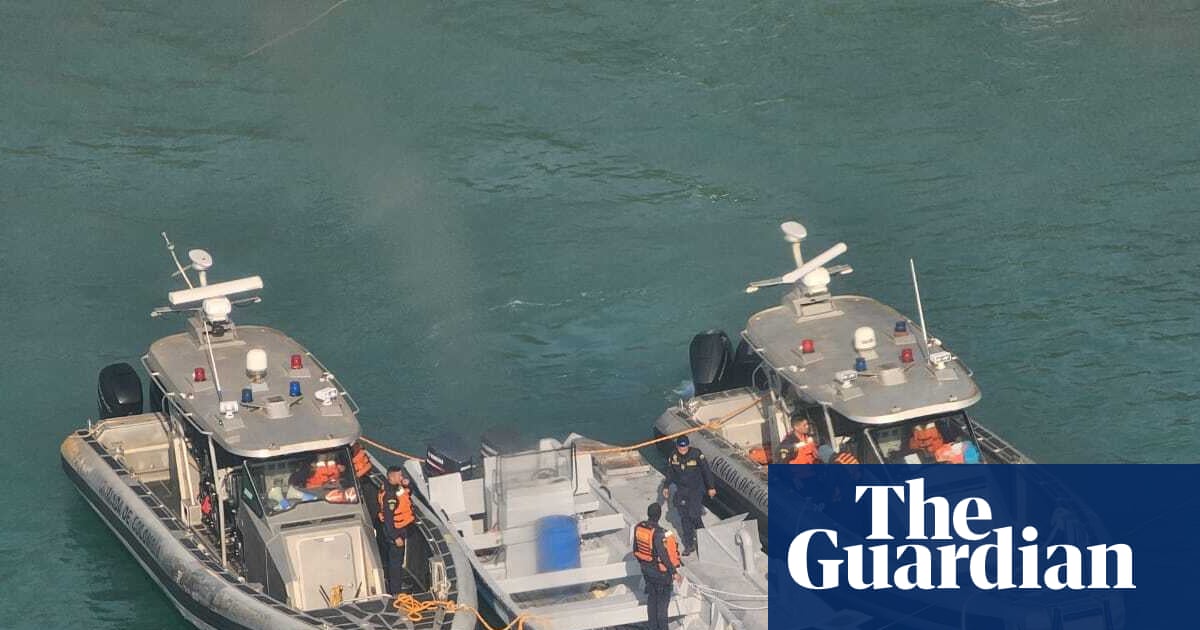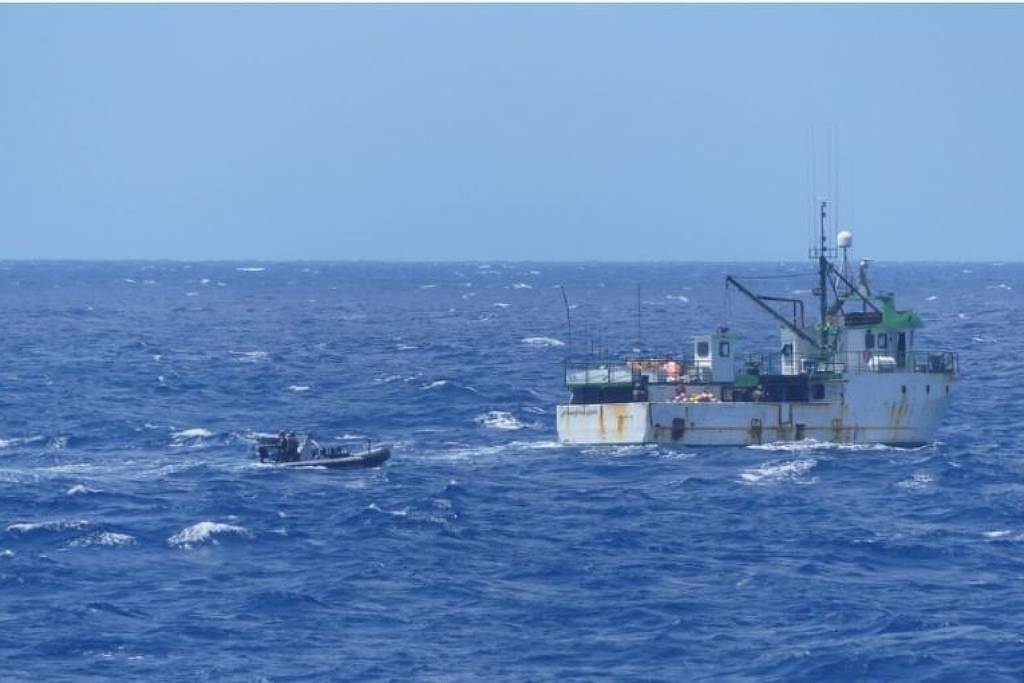
The Federal Police identified a shift in drug traffickers’ strategy to export cocaine from Brazil to Europe and Africa. Criminal groups have reduced their use of containers at ports and begun investing in alternative maritime routes, using fishing vessels, sailboats and semi-submersibles.
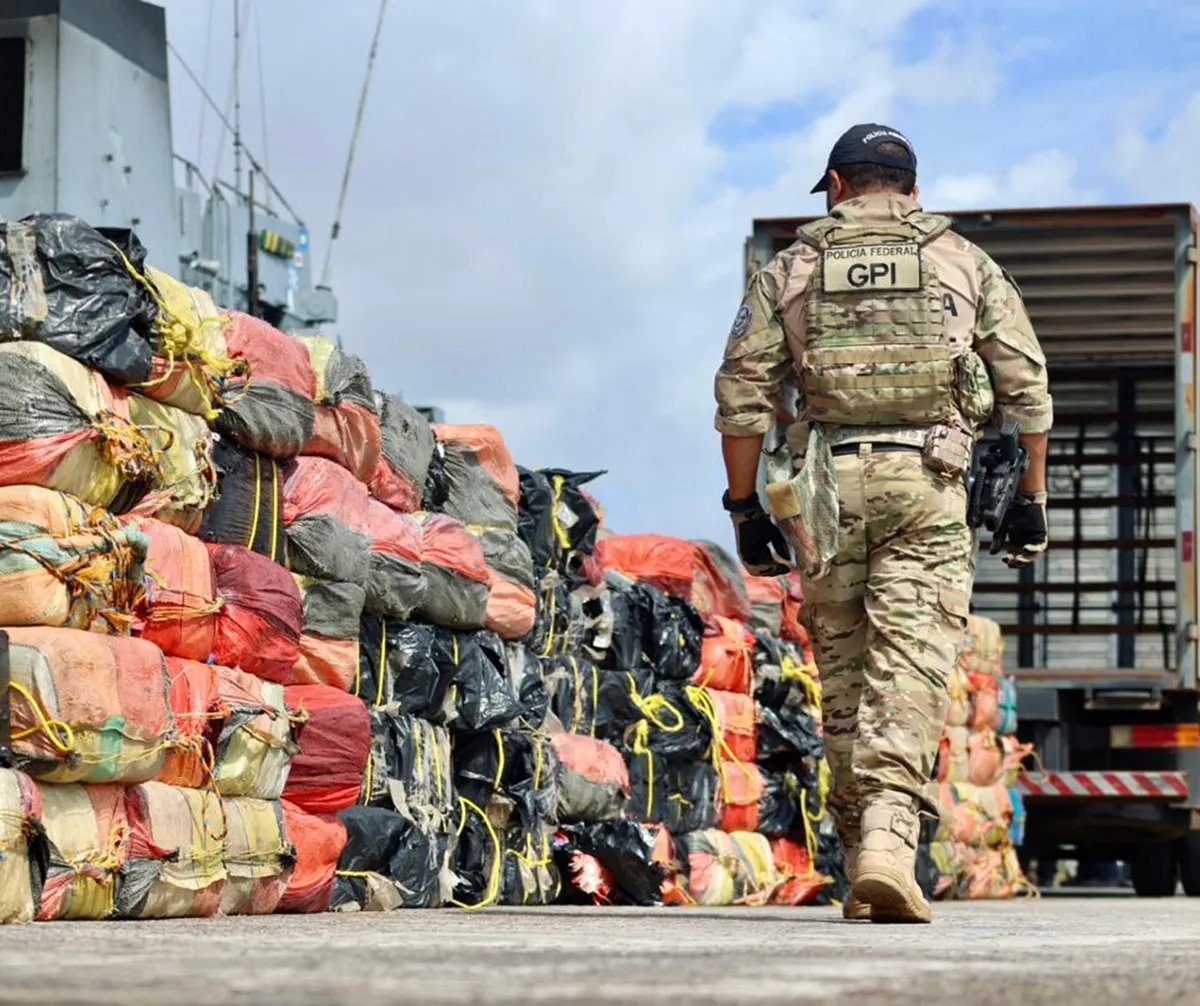
Federal Police data show the seizure of 15.6 tons of cocaine at Brazilian ports in 2025, a 76.6% drop from the peak of 66.8 tons recorded in 2019. Investigators say the reduction does not necessarily indicate less trafficking, but rather an adaptation by criminal organizations.In August last year, the French Navy seized six tons of cocaine from a Brazilian-flagged vessel in international waters off the coast of West Africa. In 2025 alone, seven joint operations with foreign authorities resulted in seizures on routes heading to Portugal and France.
Federal Police and Brazilian tax authorities point to stronger port security as one possible explanation for the decline in container seizures. "Cocaine accounts for around 80% of drug seizures by Brazil’s Federal Revenue Service destined for abroad," said tax auditor Maurício Santos Silva.
The Federal Police has also observed an apparent increase in the use of ports in Colombia, Ecuador and Peru to ship drugs to Europe. In Brazil, traffickers rely on logistical support from factions such as PCC and Comando Vermelho for cocaine storage, transportation and distribution.