This blog was originally published on Descope.
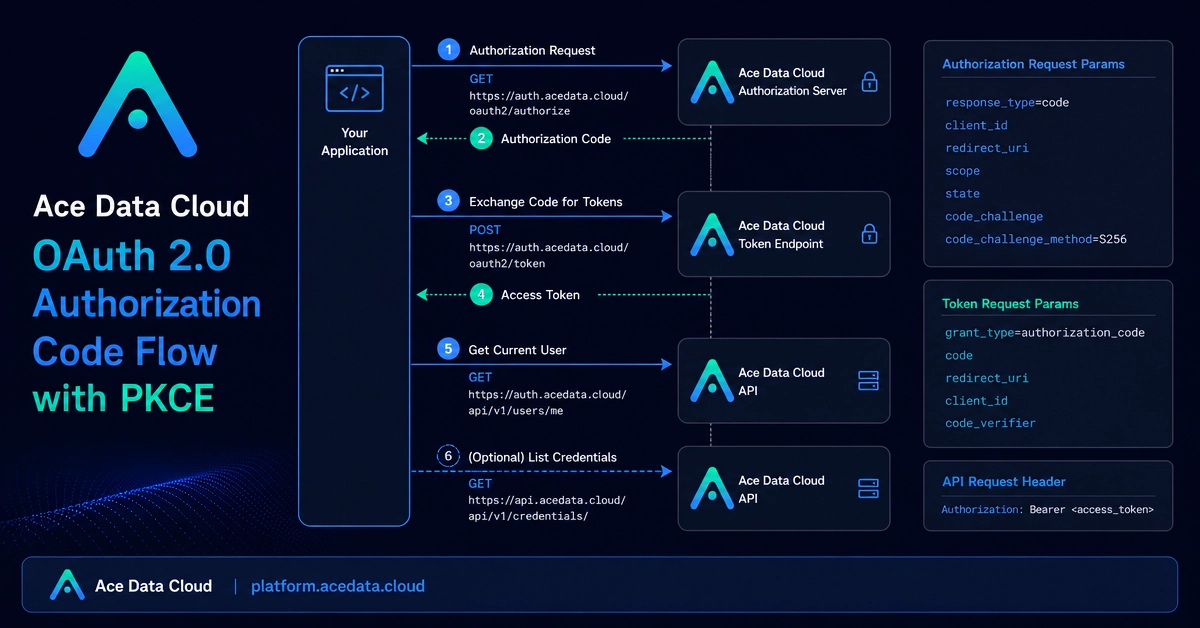
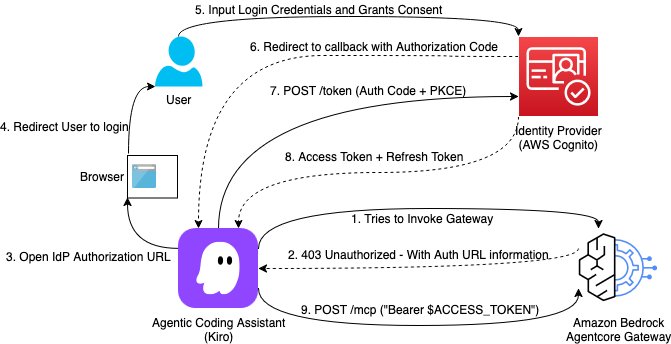
You'd think the most secure OAuth flow wouldn't need a patch, but the standard Authorization Code flow has a blind spot. It can't guarantee that the app redeeming an authorization code is the same one that requested it. That gap opens the door to interception and Cross-Site Request Forgery (CSRF) attacks. Proof Key for Code Exchange (PKCE) closes it.
In this guide, we'll explore what PKCE is and how it stops these attacks. We'll break down the standard Authorization Code flow, pinpoint where PKCE adds value, and examine why organizations are embracing it, even before it's officially mandatory in the latest OAuth standard.
Main points
Authorization Code flow has a verification gap. It can't confirm the app exchanging the code is the one that requested it.



 aws.amazon.com