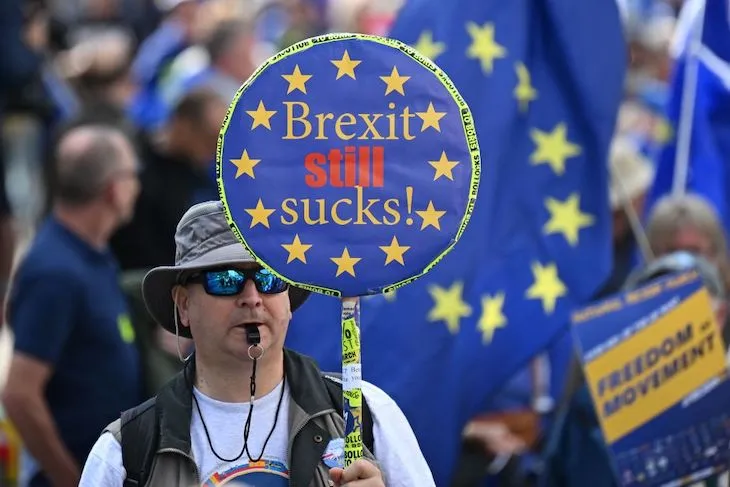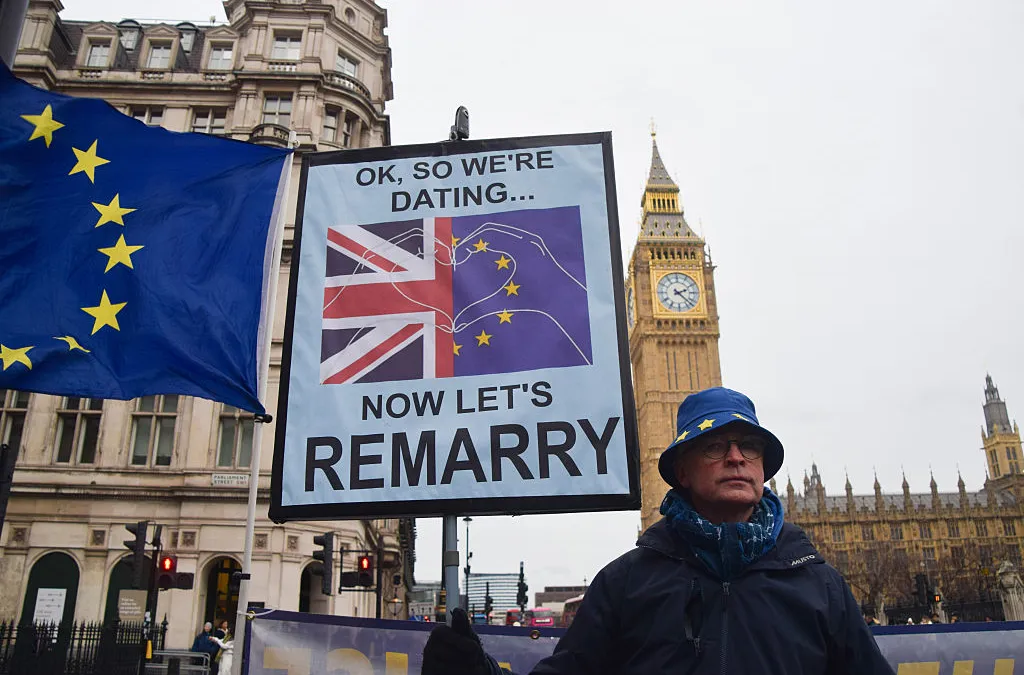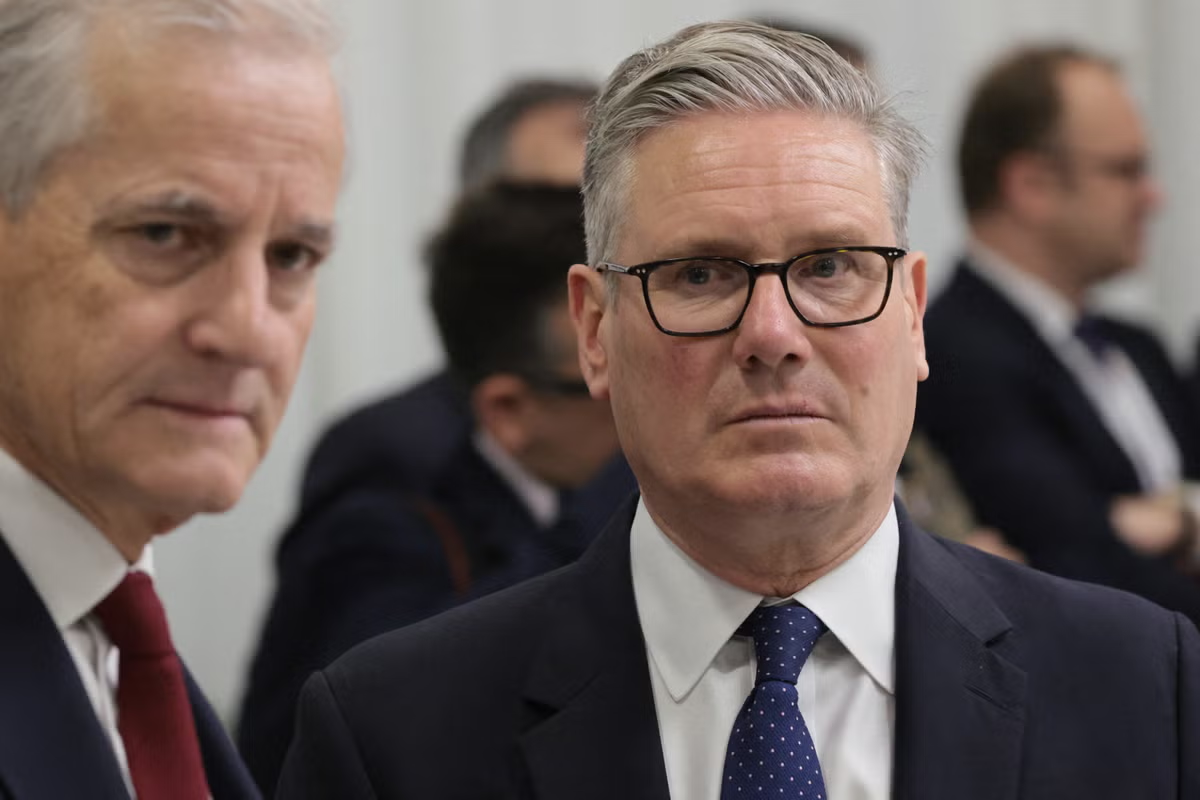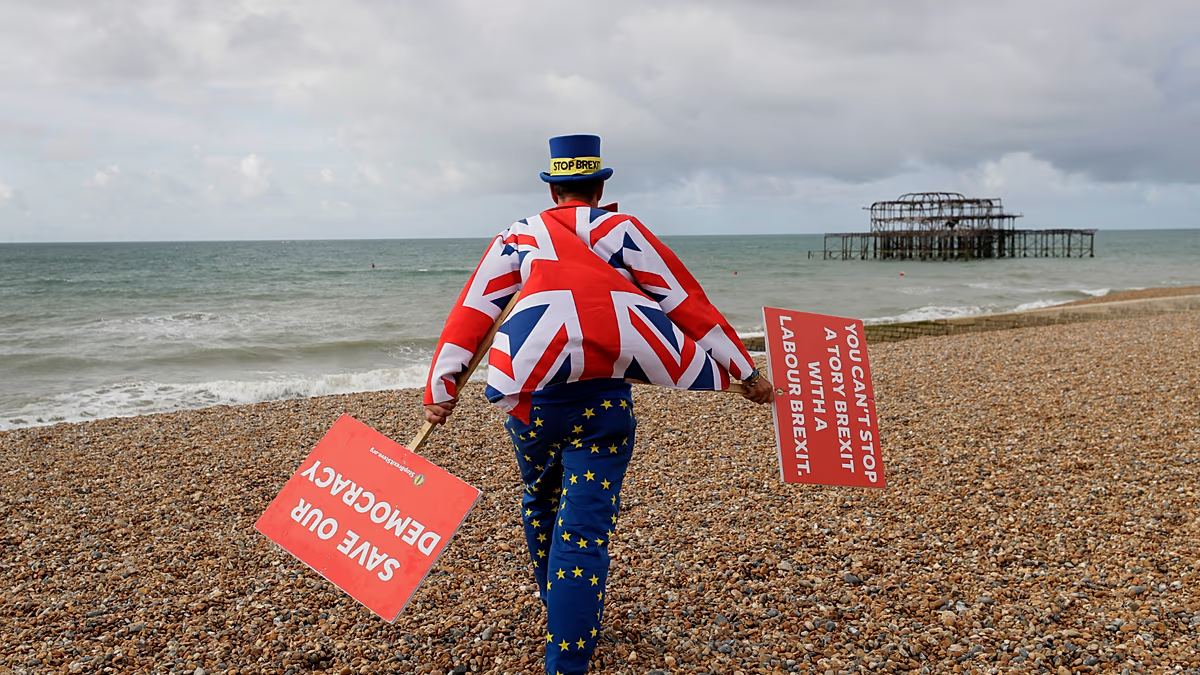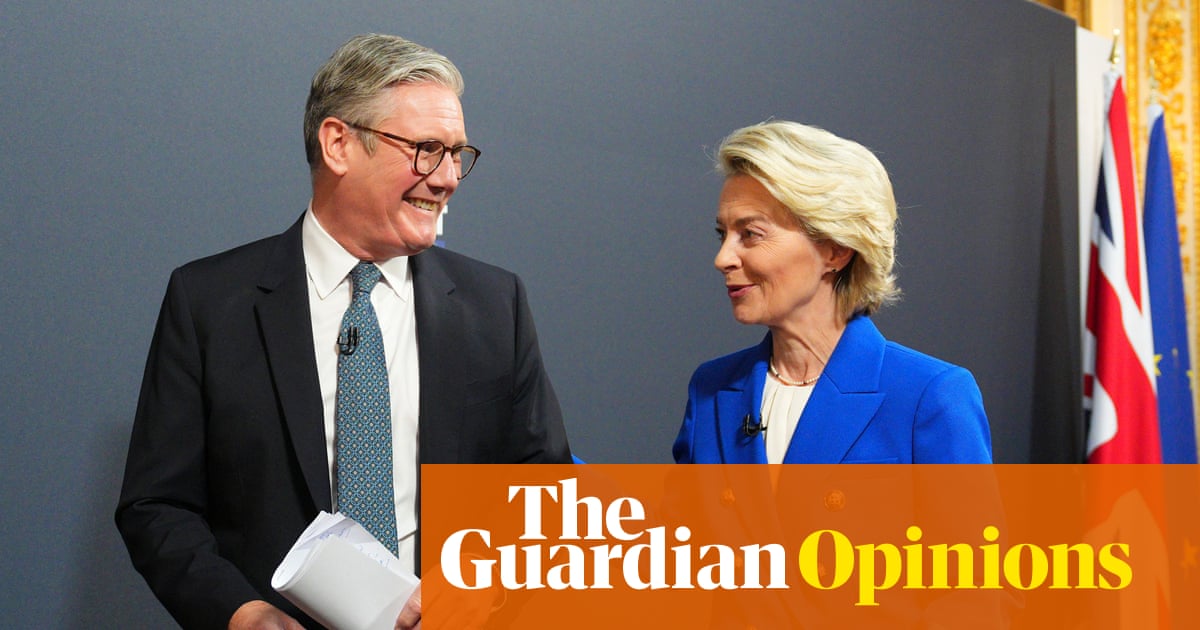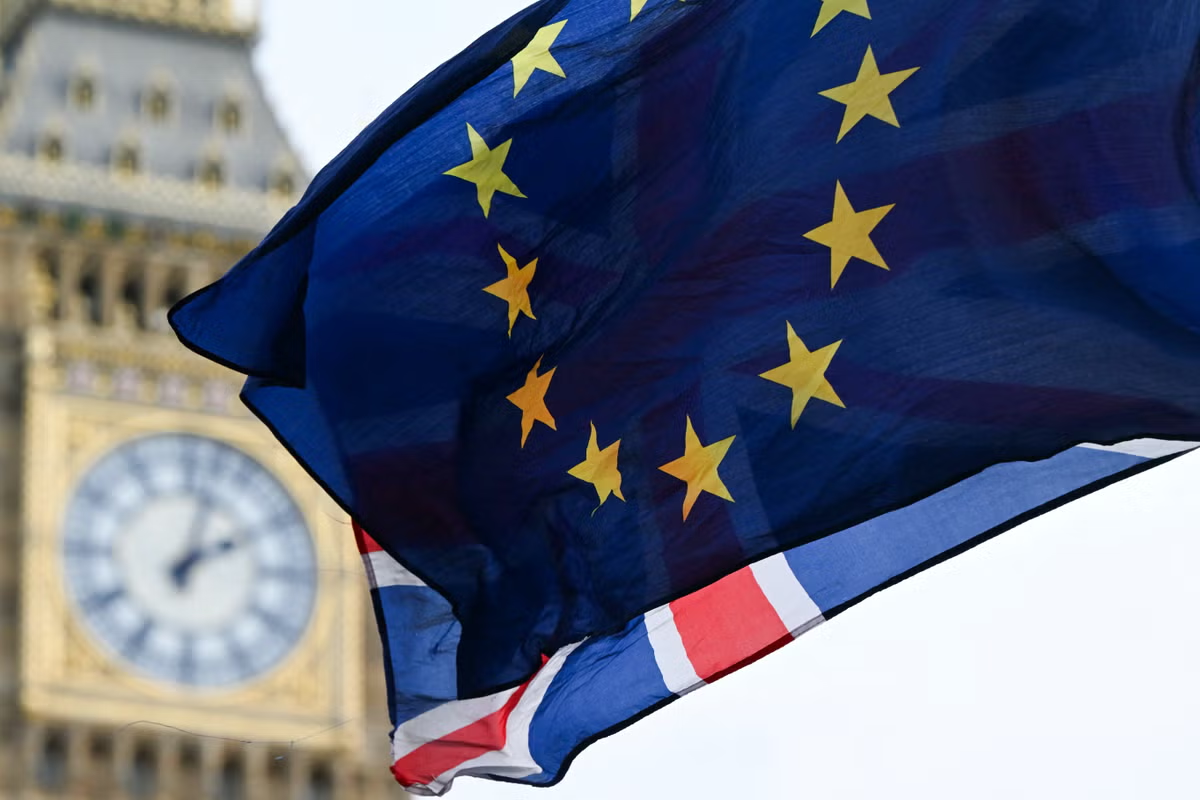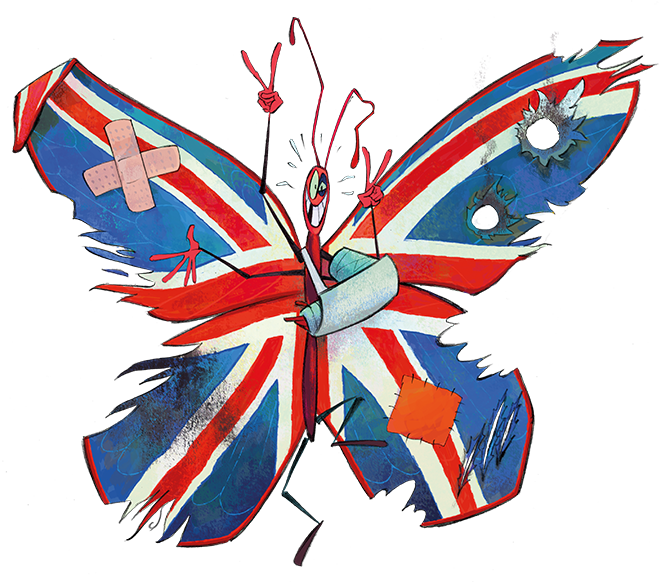
Whoever succeeds Starmer, redressing the UK's relationship with the EU will be a matter of urgency. But the Union currently has bigger fish to fry
The cost of Brexit is hard to ascertain. Complex calculations put it at an estimated loss of 6–8% of the UK’s GDP, though the numbers look likely to deteriorate as trade and geopolitical upheaval dampen growth forecasts and raise fears of stagflation.
But as anyone who has followed the UK’s separation from the EU knows, economics is only part of the debate. Much harder is working out the political cost, as the decision of a decade ago continues to mark – and possibly define – national politics today.
Such has been the case as the governing Labour Party flounders in the wake of abysmal local elections, doing irreparable damage to Prime Minister Keir Starmer and leading would-be successors to jostle for leadership bids. Brexit has again taken centre stage as Manchester mayor Andy Burnham, the favourite to take over from Starmer, must first win a by-election to become an MP – a prerequisite to becoming prime minister.
Log in to continue reading for free