May 22, 2026 | 08:38 pm
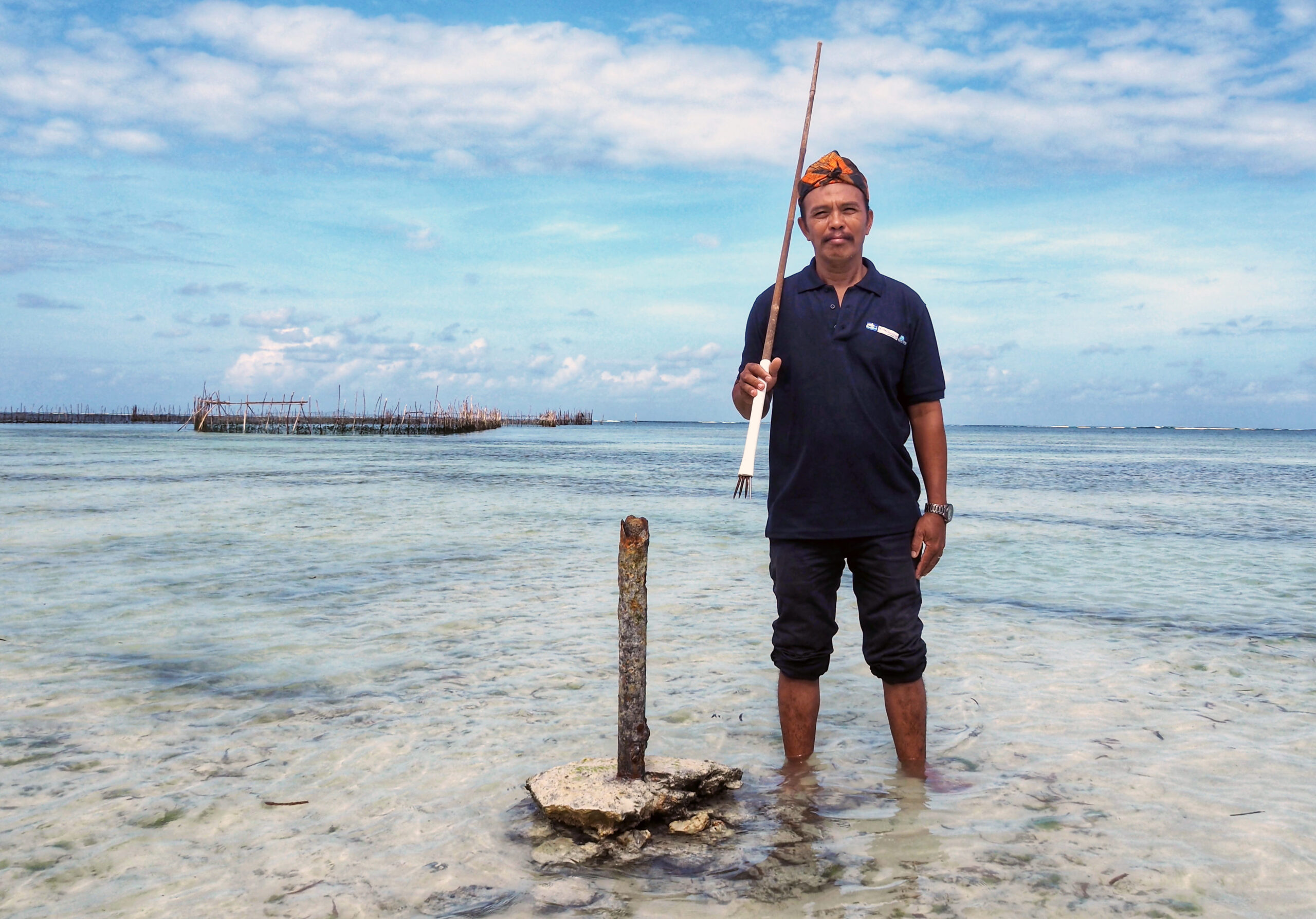
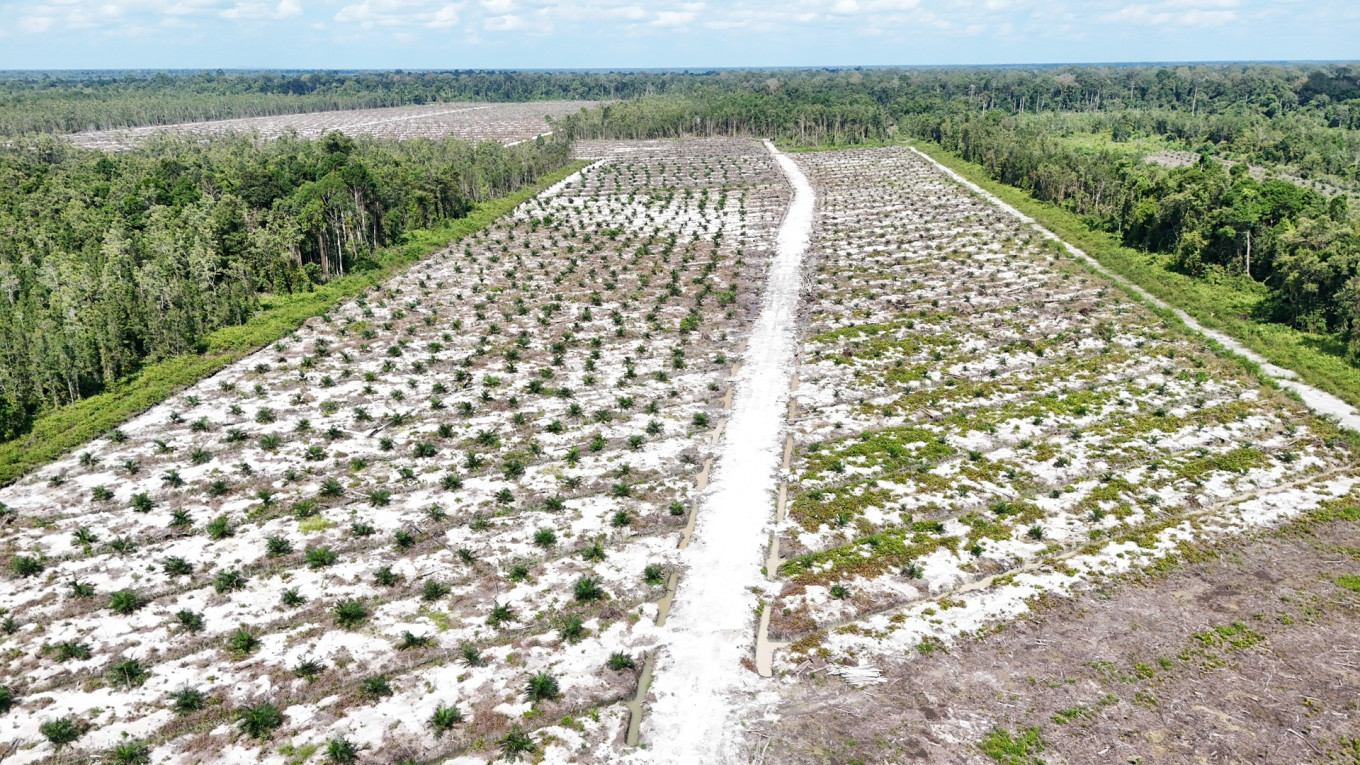
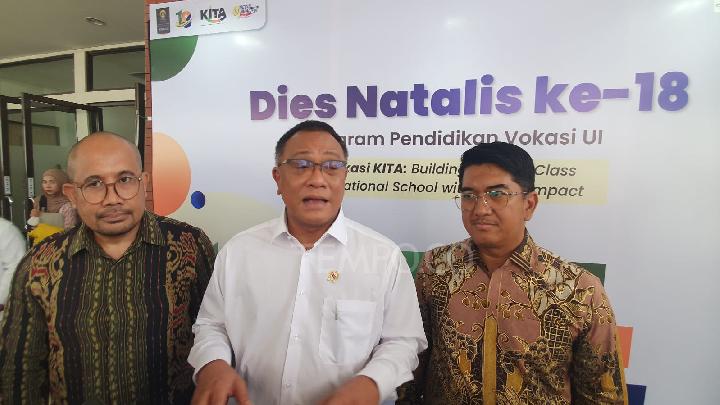
TEMPO.CO, Jakarta - Indonesian Minister of Environment shared seven strategies and action plans for the Indonesian Biodiversity Strategy and Action Plan (IBSAP) 2025-2045. Jumhur said the action plan is aligned with the country's long-term and medium-term development plans."Our current challenge is ensuring its implementation on the ground," said Jumhur during the celebration of International Day for Biological Diversity at the Indonesia International Islamic University (UIII), Depok, West Java, on Friday, May 22, 2026.During the event supported by the German government through the Deutsche Gesellschaft für Internationale Zusammenarbeit (GIZ), Jumhur outlined seven strategies to preserve biodiversity in Indonesia."First, at the level of natural landscapes and spatial planning, development must prioritize ecosystem protection. Protected areas, wildlife corridors, coastal ecosystems, karst regions, and high conservation value areas must be preserved through clear policies and strong law enforcement," stated Jumhur.Jumhur added that the government must ensure the eradication of environmentally destructive development practices. "Ecosystem restoration, rehabilitation of critical land, pollution control, and sustainable natural resource management must become a collective movement," he said.The minister also underscored the role of local governments in biodiversity conservation, which shall be integrated into regional development planning, spatial organization, and local policies.Besides the local government, Jumhur invited business actors to become part of the solution by engaging in 'nature-positive' business practices, sustainable supply chains, green financing, and ecosystem restoration."Economic growth should no longer come at the expense of the ecosystem," he said.Fifth, Jumhur said indigenous and local communities are the primary guardians of Indonesia's biodiversity. Traditional knowledge, living in harmony with nature, and local wisdom must be respected, protected, and strengthened.Additionally, research and innovation must advance responsibly, including in the utilization of genetic resources, biotechnology, and digital sequence information, while upholding the precautionary principle as well as fair access and benefit-sharing."Seventh, the younger generation must lead the future of conservation. Indonesian youth must become the generation that understands, loves, and preserves biodiversity," Jumhur said.Jumhur emphasized that it is no longer sufficient to just discuss conservation, but it is time to build action, in line with this year's theme, 'Acting Locally for Global Impact.'"Actions by the government, the entrepreneurs, the communities, the youth, everyone. Because at the core of it, the Earth's sustainability hinges on the decisions and actions we take today," said Jumhur.Read: How Deforestation Weakens Local Species' Genetic StrengthClick here to get the latest news updates from Tempo on Google News