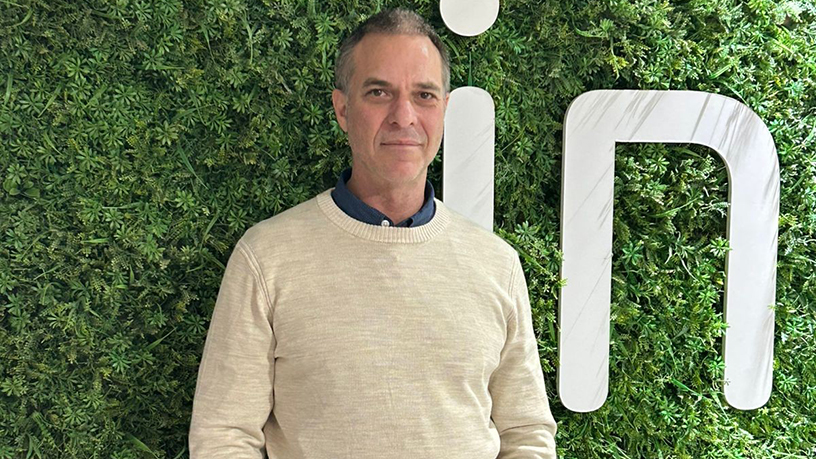
Sean Howell, MD of Redshift. Independent cyber security and payment card industry company Integrity360 is scheduled to present on the politics of future information networks, during ITWeb Security Summit JHB 2026. The event focuses on redefining security in the face of AI-driven attacks, fragile supply chains and a sglobal skills gap.The company says Sean Howell, MD of cyber security advisory and offensive security firm Redshift, an Integrity360 company, will deliver a presentation covering the politics of future information networks. Integrity360 asserts that political systems are shaped by the way information moves through society. The company adds that democracies rely on open debate and access to information, and authoritarian systems depend more heavily on surveillance and centralised control, while modern political movements increasingly emerge through digital platforms and online communities.“As technology becomes more deeply integrated into governments, economies and daily life, information networks are influencing how trust is formed, how public opinion shifts and how power is exercised. The same technologies can support transparency and participation, or enable censorship, manipulation and social fragmentation depending on how they are governed,” says Howell.The session at the summit will explore how digital platforms, communications infrastructure and modern information ecosystems are influencing politics, public trust and national power. Howell says the topic of this session is particularly relevant, given that cyber threat actors continue to target critical national infrastructure, including utilities and government agencies. “The attacks are increasingly sophisticated and combine identity compromise, cloud exposure, API weaknesses and third-party vulnerabilities to achieve rapid compromise,” he adds.“AI-driven attacks are increasing both the speed and scale of cyber threats, while fragile supply chains continue to create systemic risk across interconnected business ecosystems. At the same time, the global cyber skills shortage is forcing organisations to rethink how they build and operate security programmes.“Cyber resilience in 2026 will depend on greater automation, continuous visibility, identity-focused security and intelligence-led defence strategies. Organisations need security models that prioritise rapid detection, response and operational resilience rather than relying purely on prevention.”One of the key messages Integrity360 will convey to its audience is that many major breaches still originate from preventable weaknesses, such as poor identity controls, exposed services, cloud misconfigurations and weak API security. The cyber security firm adds that attackers are successfully chaining these issues together to compromise organisations quickly and at scale.“Business leaders should also understand that AI adoption introduces genuine security and operational risks if not implemented with proper governance and oversight. Cyber resilience now requires continuous visibility, tested response capabilities and proactive exposure management,” notes Howell.The company asserts that while AI will remain a major driver of both innovation and cyber risk, other factors shaping Africa’s cyber security market include rapid cloud adoption, growing digital financial services, increasing regulatory pressure and rising awareness of cyber risk at board level.“We also expect continued growth in demand for managed security services, local threat intelligence and operational resilience programmes, particularly across financial services, telecommunications, retail, mining and public sector environments,” Howell concludes.
Integrity360 to unpack politics of future info networks
The company will examine how information networks are influencing how trust is formed and how power is exercised, at ITWeb Security Summit JHB 2026.
492 words~2 min read