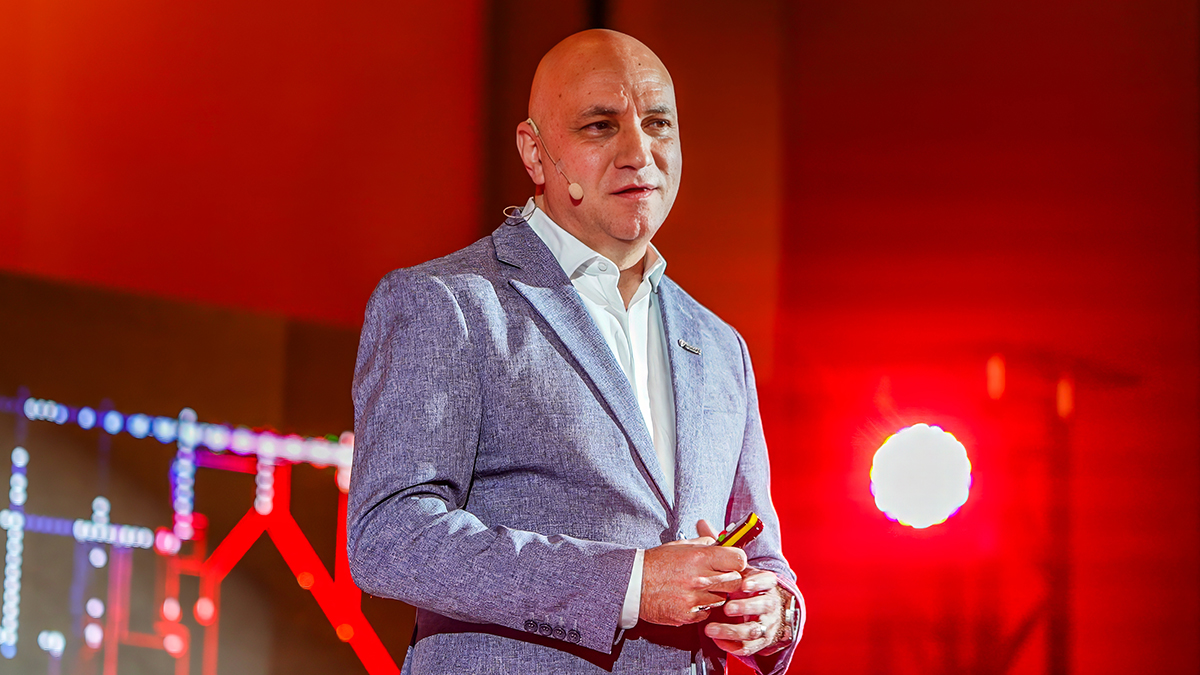
Sean Glansbeek, CEO of Private Protocol. AI will dominate Africa’s cyber security conversation through 2026, but technology adoption will be shaped by practical business and geopolitical factors beyond the AI hype cycle, says IT security distributor Private Protocol.Speaking ahead of the ITWeb Security Summit 2026 in Johannesburg, taking place on 2 and 3 June at the Sandton Convention Centre, Sean Glansbeek, CEO of Private Protocol, highlights the company’s participation at the event. During the summit, Private Protocol will present on zero trust strategy with multi-solution integration.“A zero trust strategy is one of the most secure ways to protect an organisation’s users and resources because it addresses most of the major breach vectors by design. Beyond improving security, zero trust can reduce operational complexity, create more resilient and cloaked infrastructure, and potentially reduce overall IT security spending by between 40% and 50%,” says Glansbeek.Commenting on Africa’s cyber security market into 2026, Glansbeek says identity and cloud security will continue to accelerate as organisations “aggressively migrate to Azure, AWS and SaaS environments. Traditional perimeter-led security models are increasingly struggling in hybrid and multicloud environments.”He adds that cyber resilience and operational simplification are becoming major purchasing considerations for African organisations facing growing technology sprawl and skills shortages.“Organisations are under pressure to reduce technology sprawl, skills shortages and operational complexity, meaning solutions that consolidate capability, automate outcomes and improve measurable resilience will gain traction,” says Glansbeek.He also highlights that the growing importance of regulation, sovereignty and trust in digital infrastructure decisions may influence adoption.“Governments and regulated industries, particularly financial services, healthcare and the public sector, are increasingly focused on where data resides, who controls it and how compliance can be demonstrated. We are already seeing stronger demand for sovereign cloud models, local hosting and AI governance frameworks emerging across Africa,” he says.He notes that economic realities will continue to shape cyber security investment decisions across the continent.“African organisations will favour technologies that demonstrate fast ROI, measurable risk reduction and genuine business enablement rather than solutions driven purely by market hype. The winners in 2026 will be those that can clearly connect cyber security to operational efficiency, resilience and business growth,” he concludes.
AI hype won’t shape Africa’s cyber future
Africa’s cyber security priorities through 2026 will focus on resilience, sovereignty, ROI and zero trust adoption beyond AI hype.
358 words~2 min read