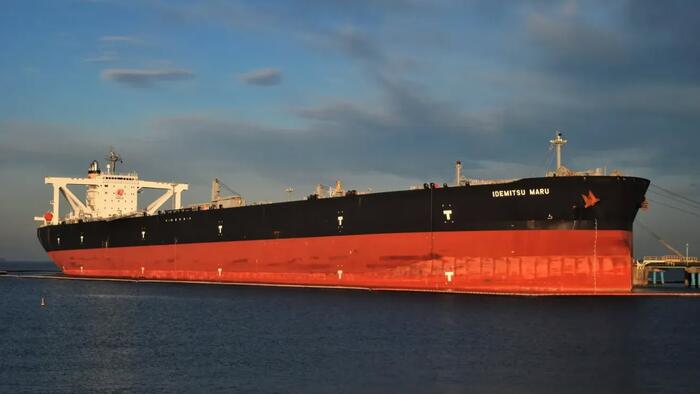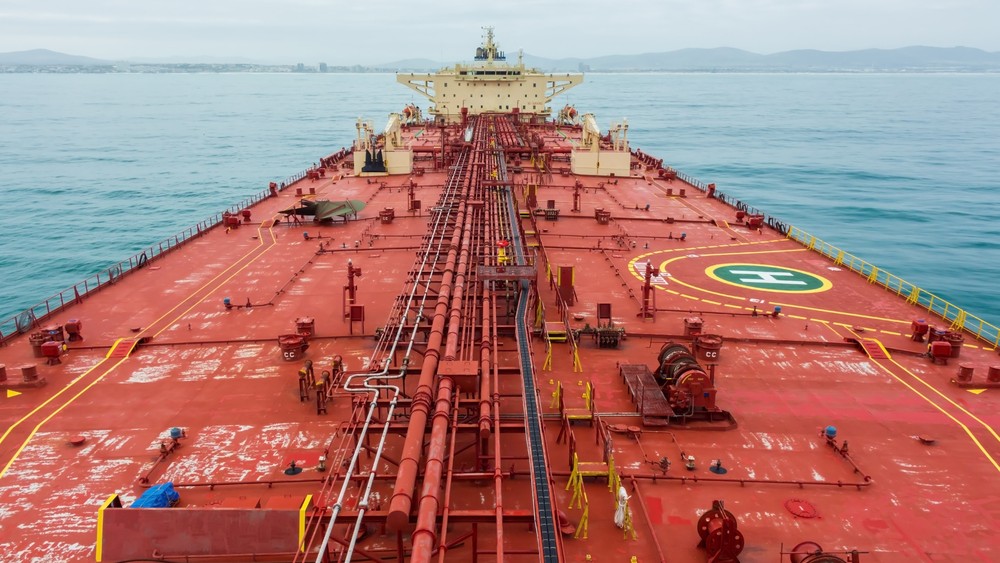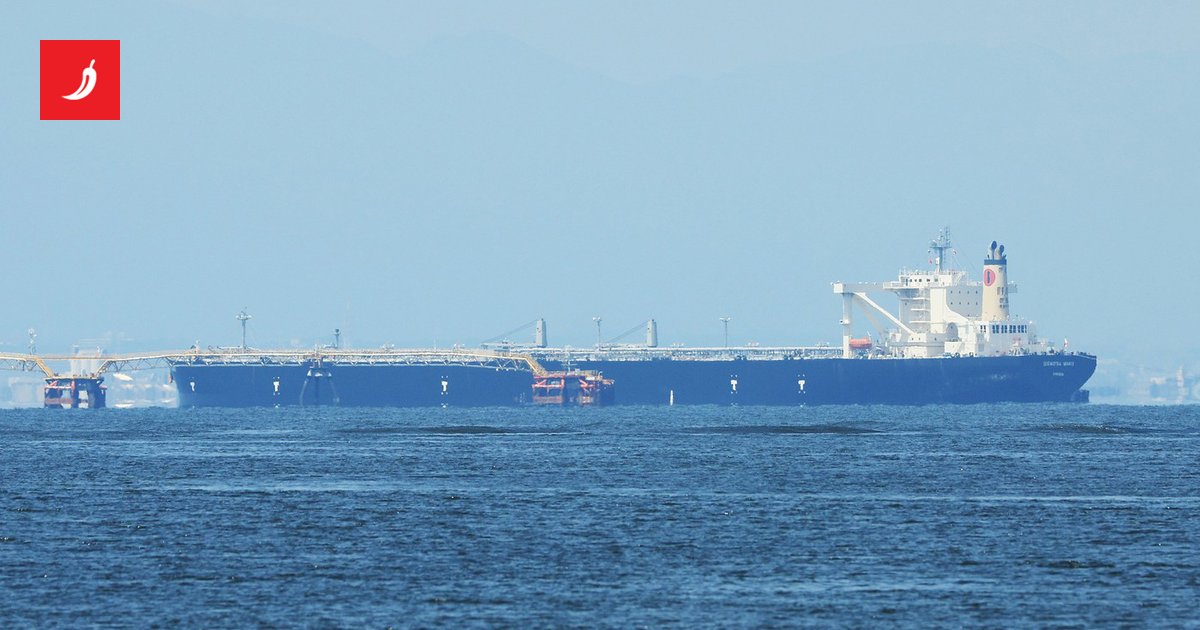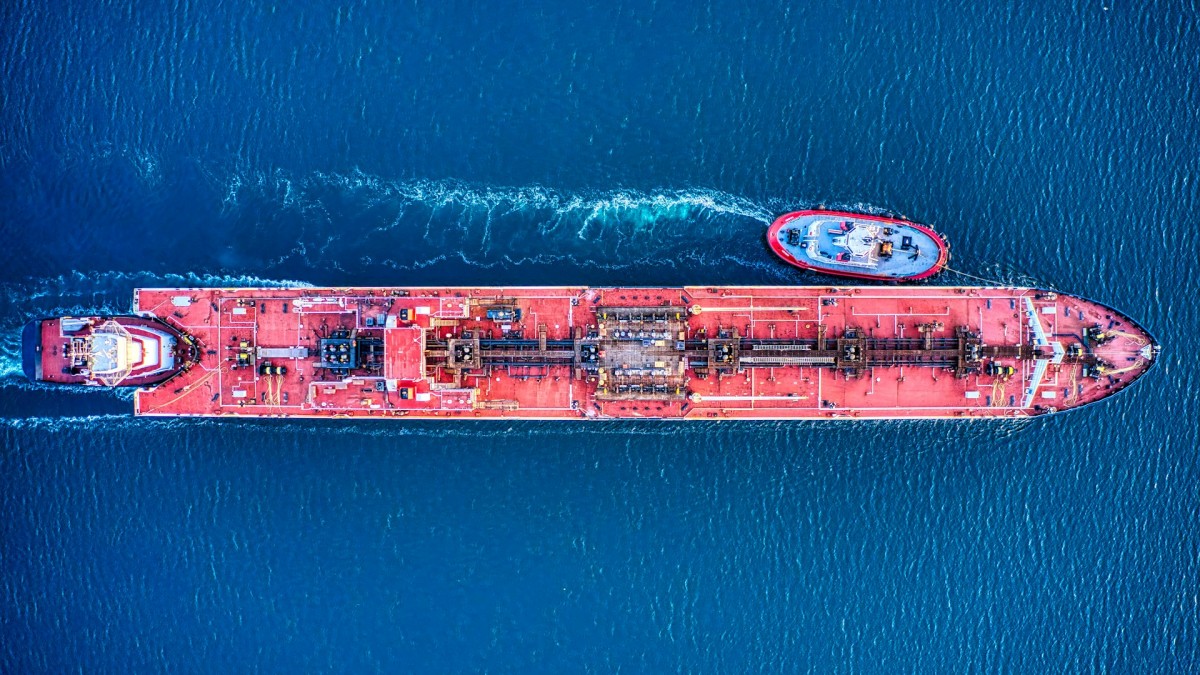
A Japanese supertanker is about to complete something that would have been utterly unremarkable 18 months ago: delivering oil from the Persian Gulf. The very large crude carrier Idemitsu Maru transited the Strait of Hormuz in late April and is expected to dock at a Japanese port around May 25-26, marking the first successful Gulf oil delivery to Japan since the Iran conflict erupted in late February.
For a country that historically sourced 94-95% of its crude from the Middle East, this is less a triumph and more a reminder of how dramatically the world’s energy map has shifted in just a few months.
What the Strait of Hormuz closure actually did to Japan
When the conflict between the US and Israel against Iran broke out, the Strait of Hormuz, the narrow waterway connecting the Persian Gulf to the open ocean, went from being one of the world’s most important oil chokepoints to being effectively closed. Think of it as someone blocking the only exit from a parking garage that holds a fifth of the world’s daily oil supply.
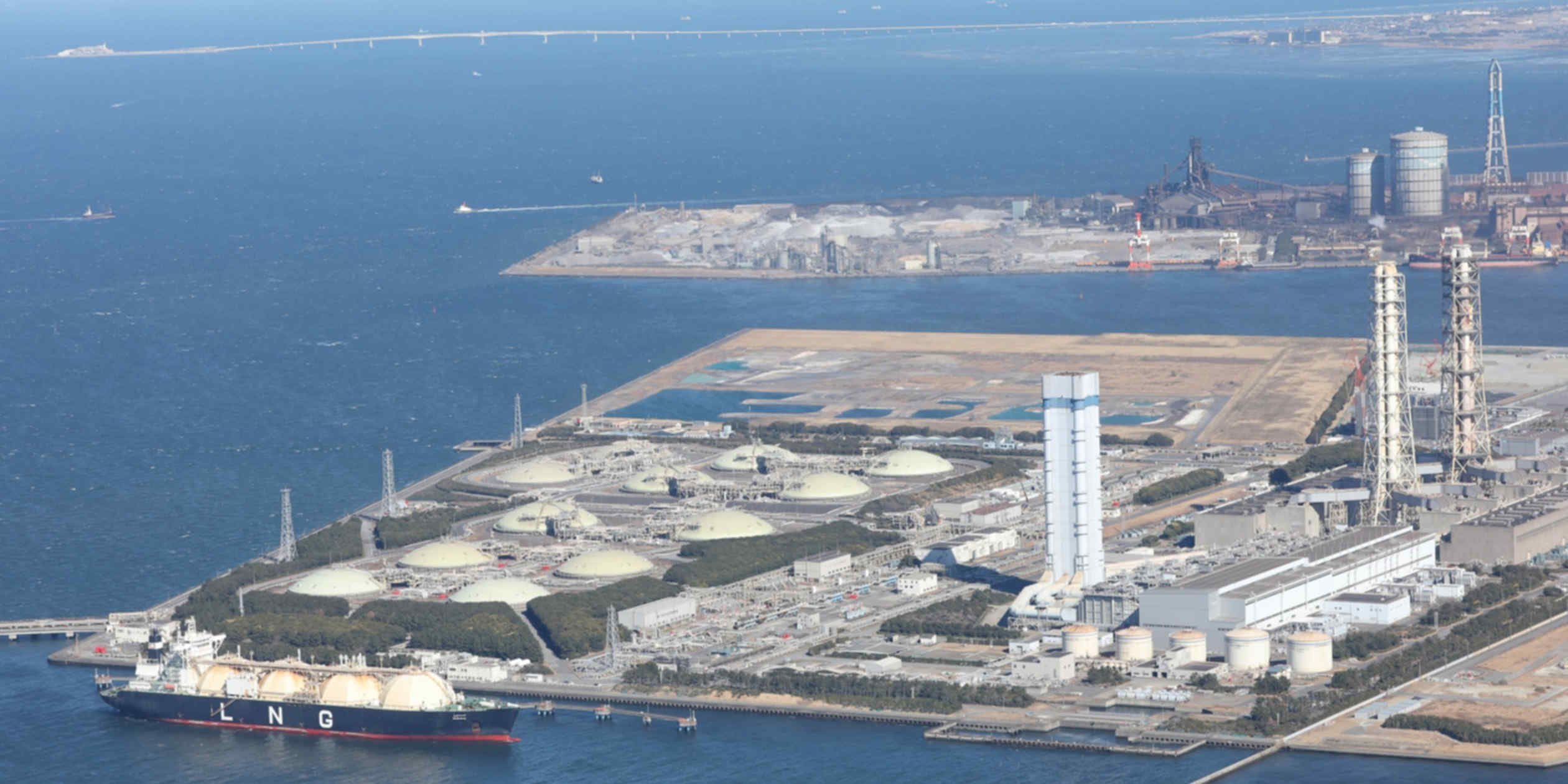
Japan felt this acutely. The country imports nearly all of its oil, and the overwhelming majority of it used to flow through that exact strait.