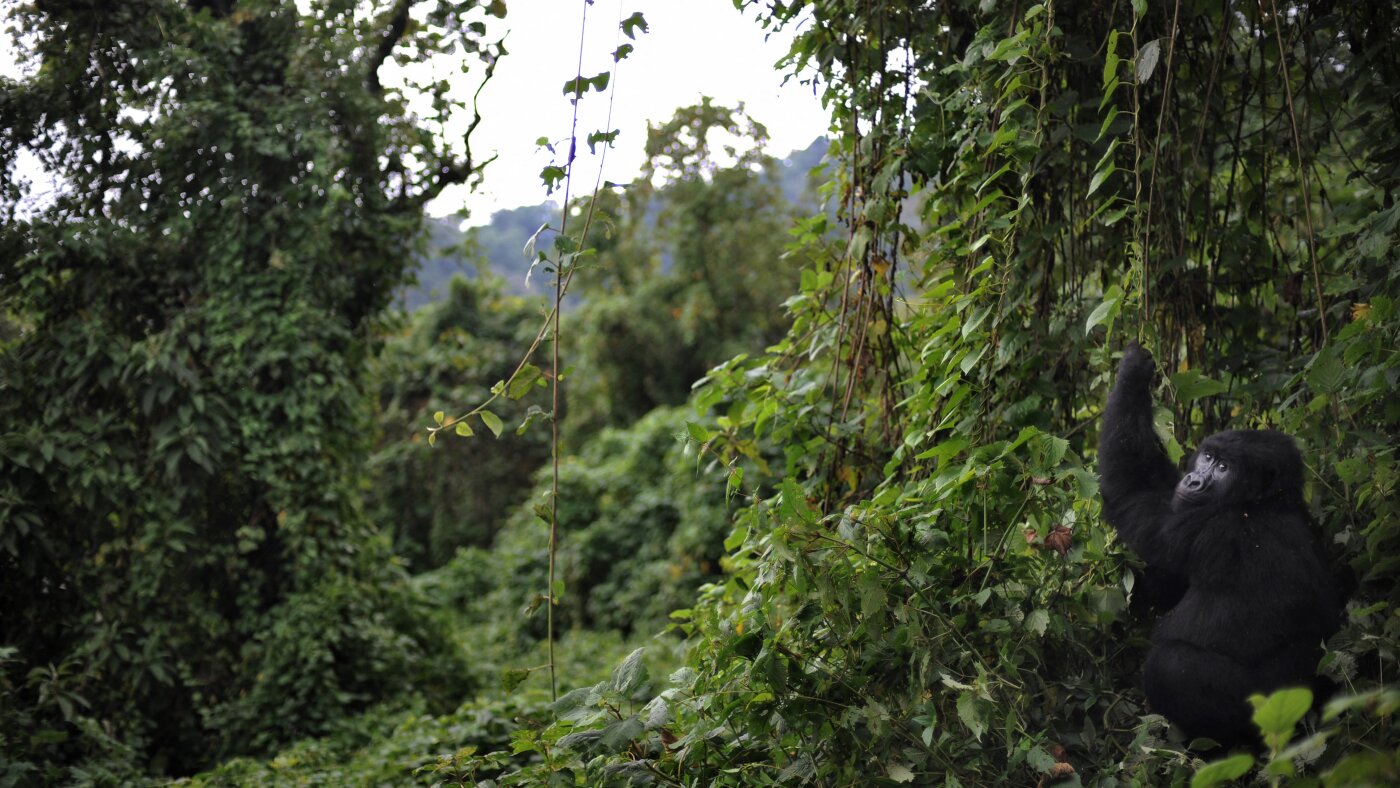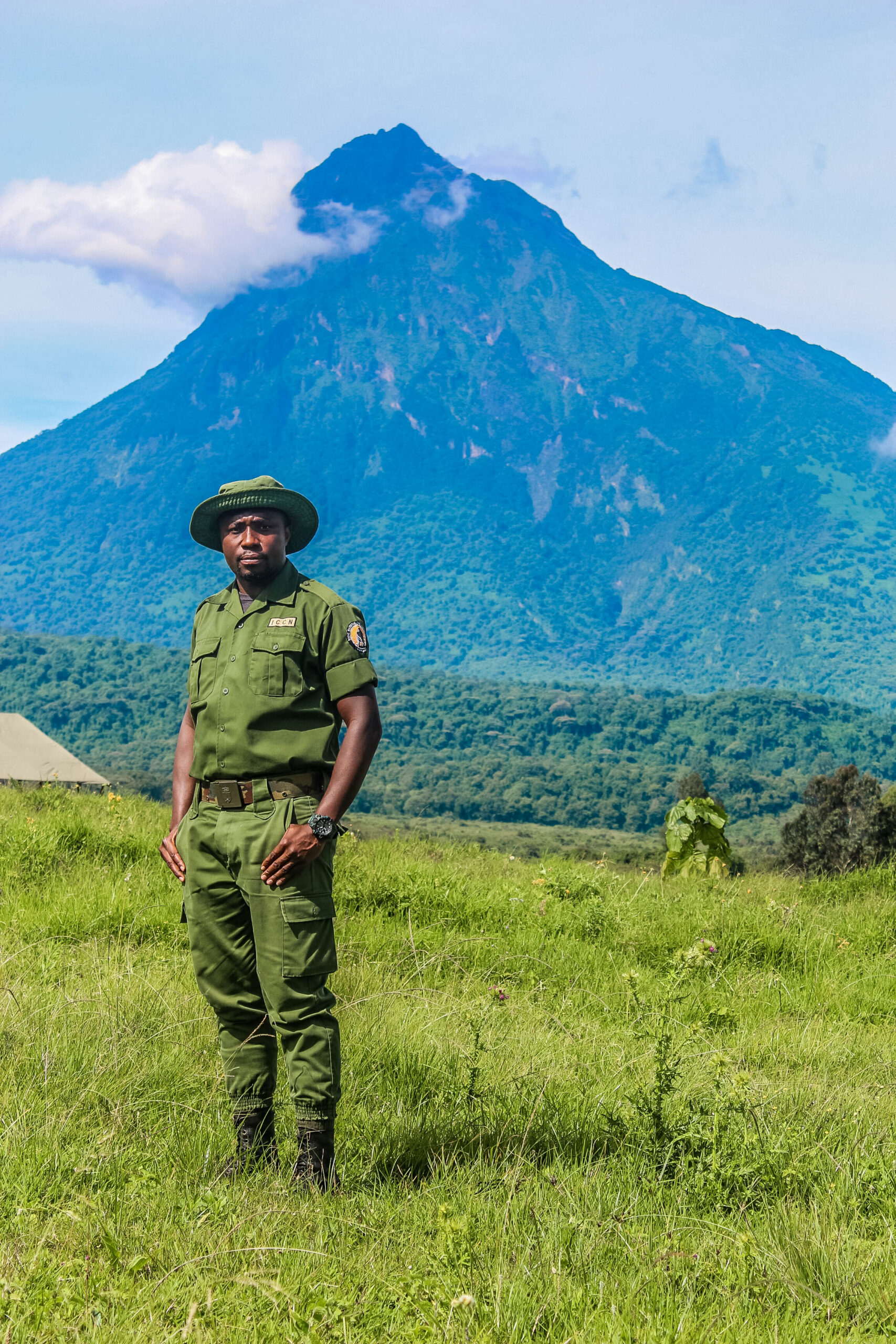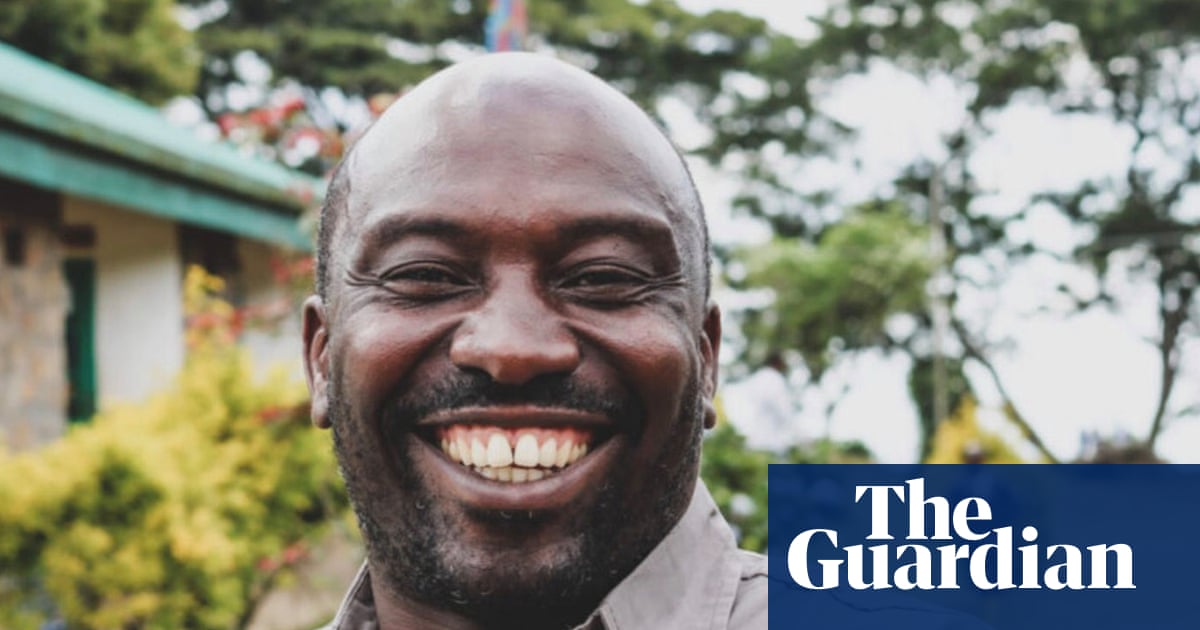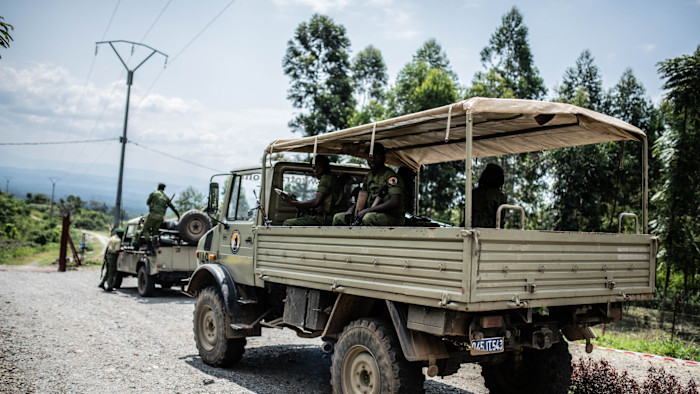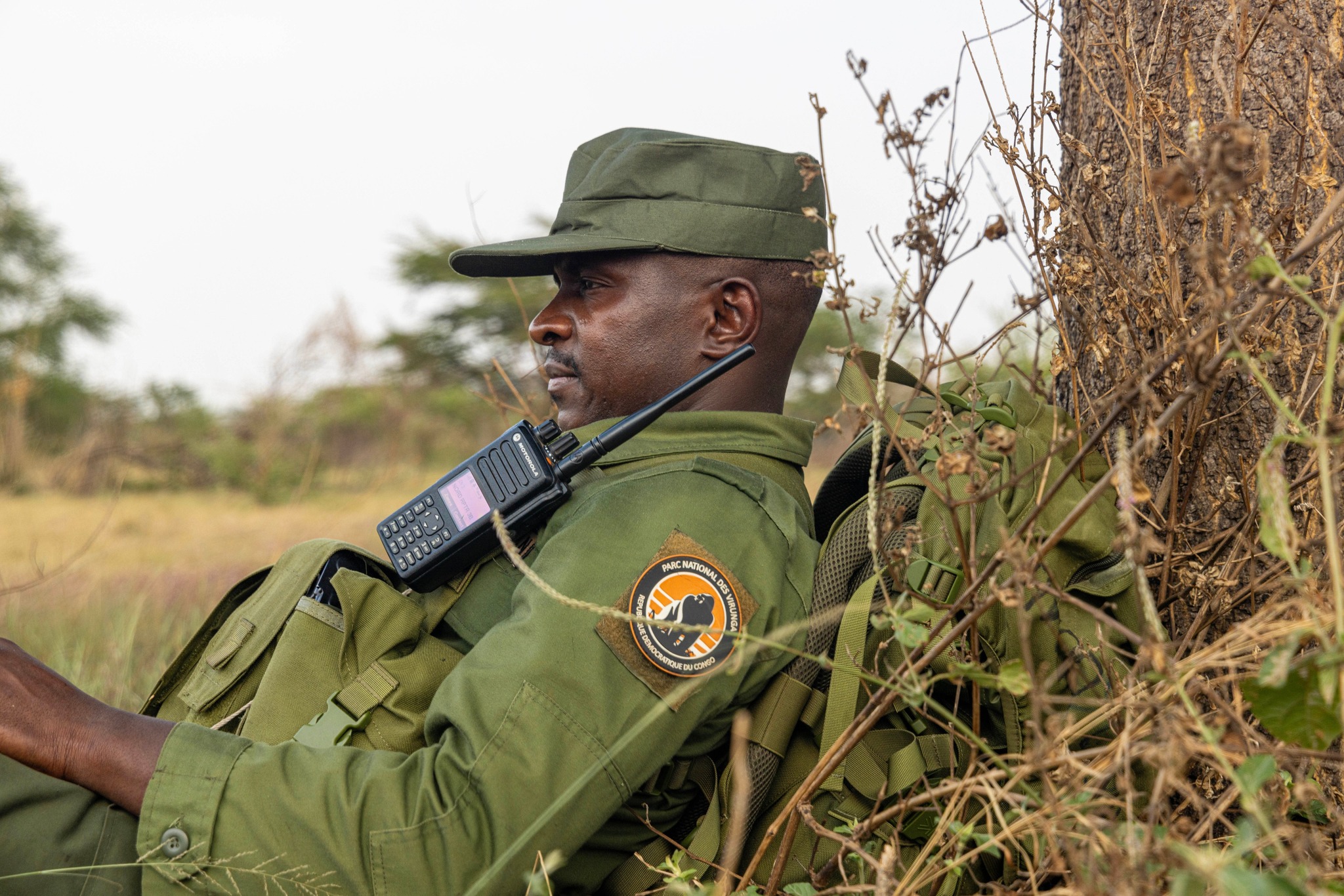
Emmanuel de Merode, Director of Virunga National Park in the Democratic Republic of the Congo, believes that conservation can succeed only—and exclusively—if it improves the living conditions of local communities. Protecting nature without addressing poverty and basic needs often leads to resistance and conflict.Drawing on the experience of Virunga, he explains how investments in hydroelectricity, access to electricity, and local economic opportunities have helped reduce reliance on charcoal, alleviate pressure on forests, and build trust with neighboring communities.Despite the progress made, de Merode acknowledges that challenges persist—notably insecurity, poverty, and continued reliance on charcoal—emphasizing that conservation and development must go hand in hand.
SALONGA NATIONAL PARK, Democratic Republic of the Congo — For over two decades, Emmanuel de Merode has worked at the intersection of conservation, conflict, and development in the eastern Democratic Republic of the Congo. As director of Virunga National Park, he has overseen one of Africa’s most ambitious—and controversial—conservation experiments: protecting biodiversity by improving the living conditions of the millions of people living around the park.