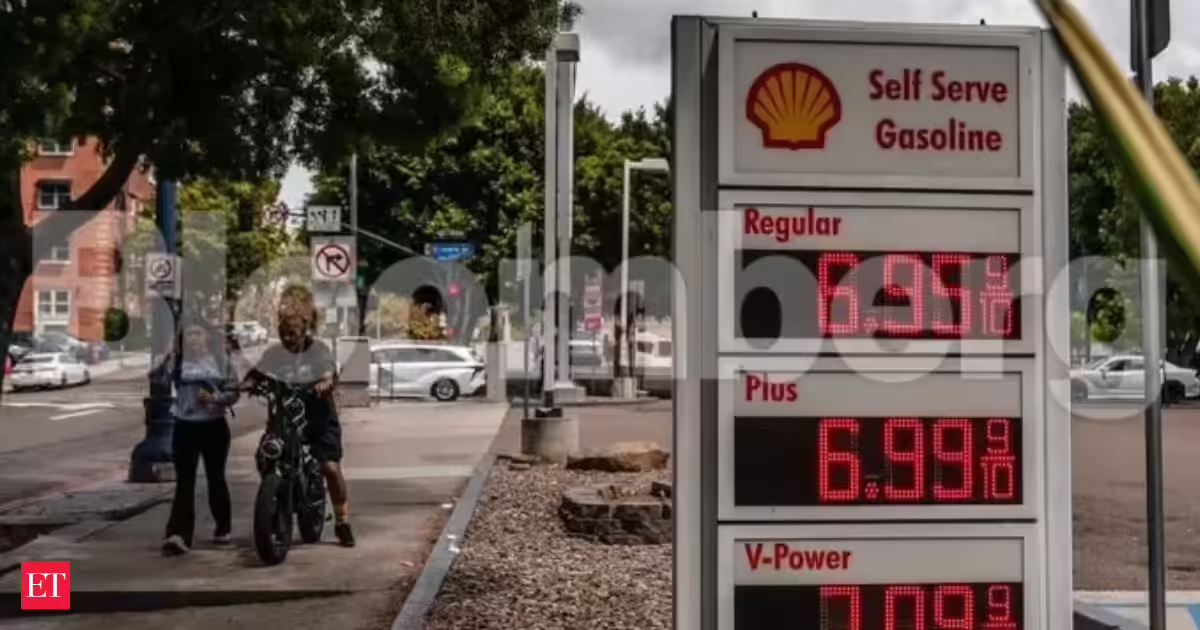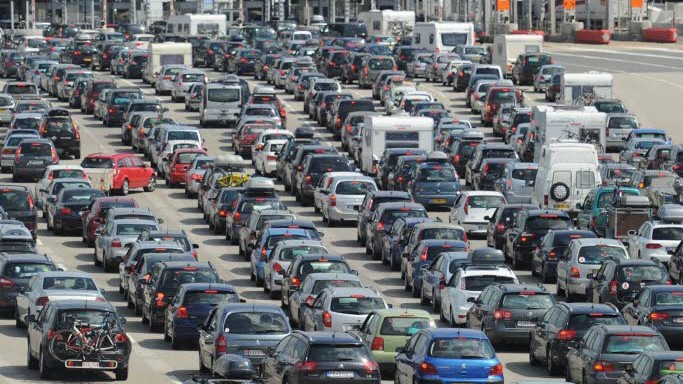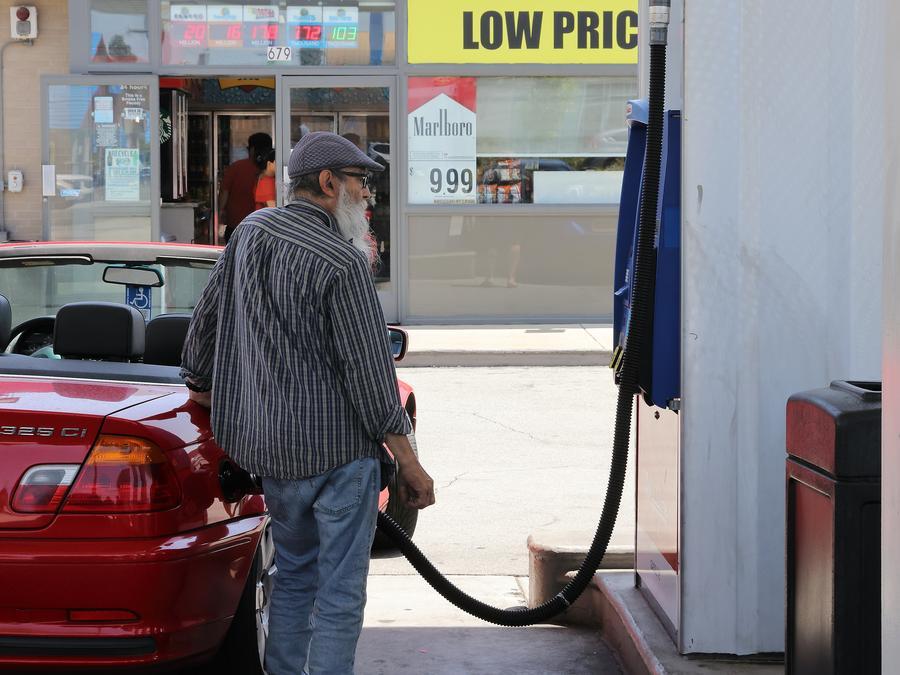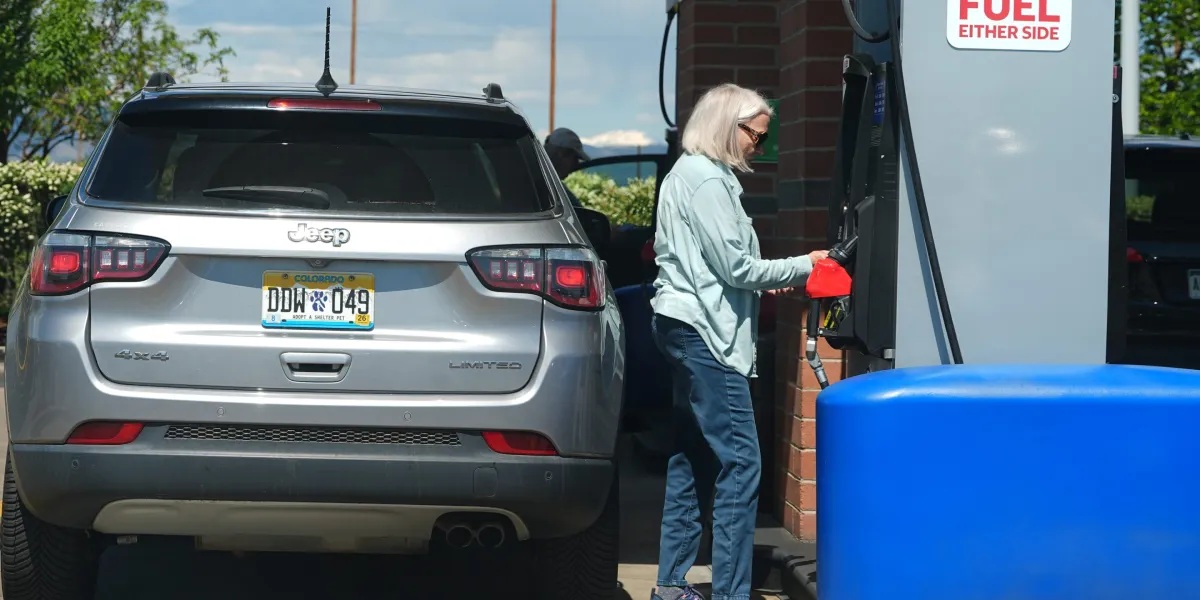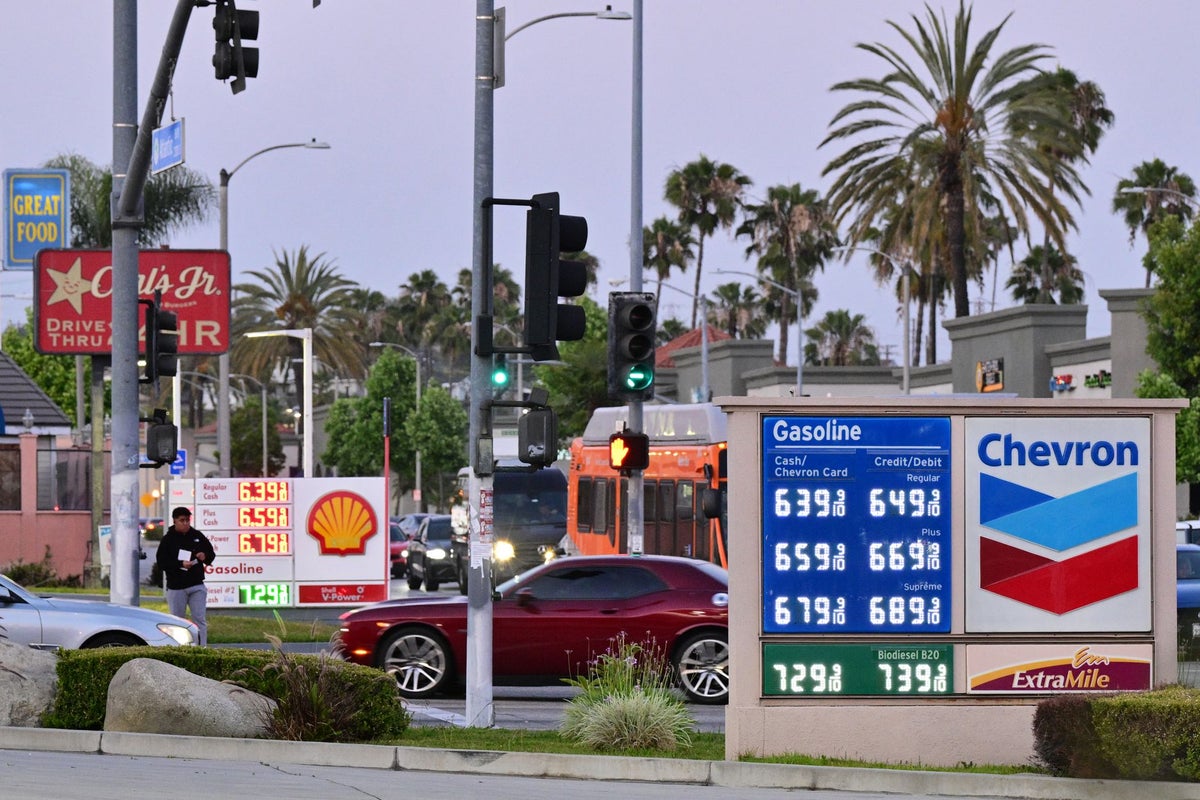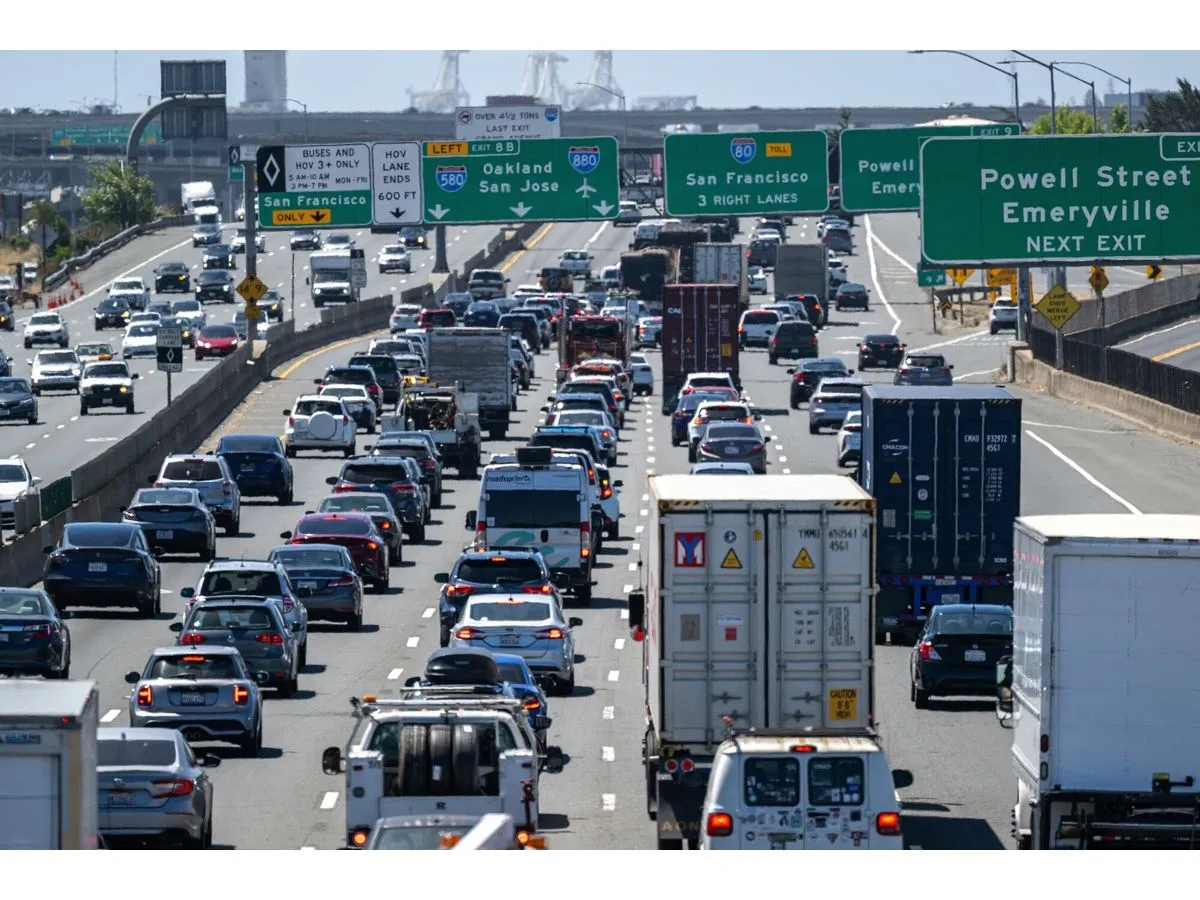
Skip to Content News Archives Economy Energy Oil & Gas Renewables Electric Vehicles Mining Commodities Agriculture Real Estate Mortgages Mortgage Rates Finance Banking Insurance Fintech Cryptocurrency Work Wealth Smart Money Wealth Management Investor Personal Finance Family Finance Retirement Taxes High Net Worth FP Comment Executive Women Puzzmo Newsletters Financial Times Business Essentials More Innovation Information Technology FP500 Podcasts Small Business Lives Told Tails Told Shopping Financial Post Store Obituaries Place a Notice Advertising Advertising With Us Advertising Solutions Postmedia Ad Manager Sponsorship Requests Classifieds Place a Classifieds ad Working Profile Settings My Subscriptions Saved Articles My Offers Newsletters Customer Service FAQ News Economy Energy Mining Real Estate Finance Work Wealth Investor FP Comment Executive Women Puzzmo Newsletters Financial Times Business Essentials HomePMN BusinessThe $4.50 Gas Economy: Fewer Nights Out, More Belt-TighteningHigher prices at the pump are making Avarisse Crawford rethink her spending. The 33-year-old has started scaling back her “fun budget,” meaning fewer steak dinners and happy hours with coworkers — instead she’s seeking out free activities, like going to the park.Author of the article: You can save this article by registering for free here. Or sign-in if you have an account.Traffic on westbound interstate 80 in Emeryville, California, US, on May 22, 2025. Photo by David Paul Morris /Photographer: David Paul Morris/(Bloomberg) — Higher prices at the pump are making Avarisse Crawford rethink her spending. The 33-year-old has started scaling back her “fun budget,” meaning fewer steak dinners and happy hours with coworkers — instead she’s seeking out free activities, like going to the park.Subscribe now to read the latest news in your city and across Canada.Exclusive articles from Barbara Shecter, Joe O'Connor, Gabriel Friedman, and others.Daily content from Financial Times, the world's leading global business publication.Unlimited online access to read articles from Financial Post, National Post and 15 news sites across Canada with one account.National Post ePaper, an electronic replica of the print edition to view on any device, share and comment on.Daily puzzles, including the New York Times Crossword.Subscribe now to read the latest news in your city and across Canada.Exclusive articles from Barbara Shecter, Joe O'Connor, Gabriel Friedman and others.Daily content from Financial Times, the world's leading global business publication.Unlimited online access to read articles from Financial Post, National Post and 15 news sites across Canada with one account.National Post ePaper, an electronic replica of the print edition to view on any device, share and comment on.Daily puzzles, including the New York Times Crossword.Create an account or sign in to continue with your reading experience.Access articles from across Canada with one account.Share your thoughts and join the conversation in the comments.Enjoy additional articles per month.Get email updates from your favourite authors.Create an account or sign in to continue with your reading experience.Access articles from across Canada with one accountShare your thoughts and join the conversation in the commentsEnjoy additional articles per monthGet email updates from your favourite authorsSign In or Create an Accountor“I’m making sure to cut open bottles to finish all of my products,” said the Philadelphia resident. Driving less is not an option for Crawford, who commutes five days a week to the office of the nonprofit where she works. She also makes twice-a-month road trips to visit a sick relative.Gasoline will be a pain point for travelers this Memorial Day weekend. For many Americans, cutting back has already become the new reality after gas prices topped $4.50 a gallon for the first time in nearly four years. Get the latest headlines, breaking news and columns.By signing up you consent to receive the above newsletter from Postmedia Network Inc.A welcome email is on its way. If you don't see it, please check your junk folder.The next issue of Top Stories will soon be in your inbox.We encountered an issue signing you up. Please try againAs the Iran war drags on, the average nationwide retail price is now less than 50 cents away from an all-time high, according to American Automobile Association data. In California, regular unleaded gasoline has surpassed $6 a gallon. The unofficial start of summer marks the beginning of a period of heightened demand, which risks further depleting US gasoline stockpiles and sending prices even higher. In an effort to put a ceiling on prices, the Trump administration has pulled on a wide range of policy levers, including releases from the Strategic Petroleum Reserve, a waiver of the Jones Act and discussion of a federal gasoline tax holiday. But so far, it’s been unable to counter the surge.With many Americans dependent on their cars, gasoline demand is unlikely to meaningfully stall at current prices. That sets up a squeeze on consumer finances that will ripple through the rest of the economy as it eats into spending on nonessentials. “It’s a basic necessity in most parts of America to drive a car to work, to school, to kids’ drop-off. It’s hard to get by without it in many places,” said Heather Long, chief economist at Navy Federal Credit Union. “People have to absorb this cost.”Fuel SqueezeThere’s little relief in sight with crude prices around $100 a barrel and the Strait of Hormuz still effectively closed. Some on Wall Street, like economist Jeff Currie, fear a brewing energy crunch. The senior adviser at Carlyle Group expects the US to run into problems by July.Gasoline stockpiles are at the lowest for this time of year since May 2014. At the same time, US gasoline imports are hovering near their lowest seasonal level in a decade, while exports are in line with seasonal averages. Meanwhile, refineries are focused on producing as much jet fuel as possible, skewing output away from gasoline.The combination means stockpiles will only tighten from here: Morgan Stanley said they’re on track to finish August at the lowest seasonal level on record.The market is “set up bullishly,” according to Vikas Dwivedi, global energy strategist at Macquarie. And while consumers have pulled back some above $4 a gallon, if prices remain below $5, the drop in demand will likely be less than expected, he added.“It won’t be enough to throw the market off this path,” Dwivedi said. “You’ll feel it, but it won’t be that bad.”In the last four weeks of data, that trend has been evident. While gas prices averaged $4.32 a gallon, drivers still pumped more over those four weeks than they did at this time in 2022 and 2025, when prices were lower.Instead of canceling trips, many travelers are looking for ways to absorb higher fuel costs elsewhere in their budgets. That’s showing up in high-frequency data on credit-card spending.For a two-month period starting around the time of the Iran conflict, Barclays Plc’s credit-card data show that both high-end and discount shoppers spent less than the seasonal norm on lodging, clothing, theaters and grocery-related purchases.Bank of America Institute data showed an outright decline in spending on big-ticket household goods in April, while spending on air travel and lodging was little changed from the prior month. Roughly a third of respondents in a recent survey from the institute said higher gas prices wouldn’t change their summer travel plans. Only about 10% said they would cancel trips altogether because of fuel costs. AAA projects that slightly more Americans will be on the road this Memorial Day than last year.But some evidence of weakness is emerging. Other estimates are less rosy about prospects for summer road trips. Only 56% of Americans plan to drive more than two hours this summer compared to 69% last year, according to a GasBuddy survey.The first signs of a widespread pullback may be visible in California, where the fuel market was tight long before the war — owing to a string of refinery closures, a lack of pipelines connected to the rest of the US and a unique regulatory regime.With statewide pump prices averaging $6.14 a gallon as of Wednesday, gas stations have seen as much as a 9% decline in the use of fuel since the fall of 2025, said Elizabeth Graham, chief executive officer of the California Fuels and Convenience Alliance.“Customers are not filling up all the way,” Graham said. “They’re filling up more often, less at a time.”As for Crawford, she was considering driving down to Florida for Memorial Day as she has done in past years. But after seeing her budget and how much it would cost, she decided in March not to go through with it.“Driving to Florida is not an option these days,” she said.—With assistance from Josyana Joshua. Join the Conversation This website uses cookies to personalize your content (including ads), and allows us to analyze our traffic. Read more about cookies here. By continuing to use our site, you agree to our Terms of Use and Privacy Policy.
The $4.50 Gas Economy: Fewer Nights Out, More Belt-Tightening
Higher prices at the pump are making Avarisse Crawford rethink her spending. The 33-year-old has started scaling back her “fun budget,” meaning fewer steak dinners …
1,447 words~7 min read