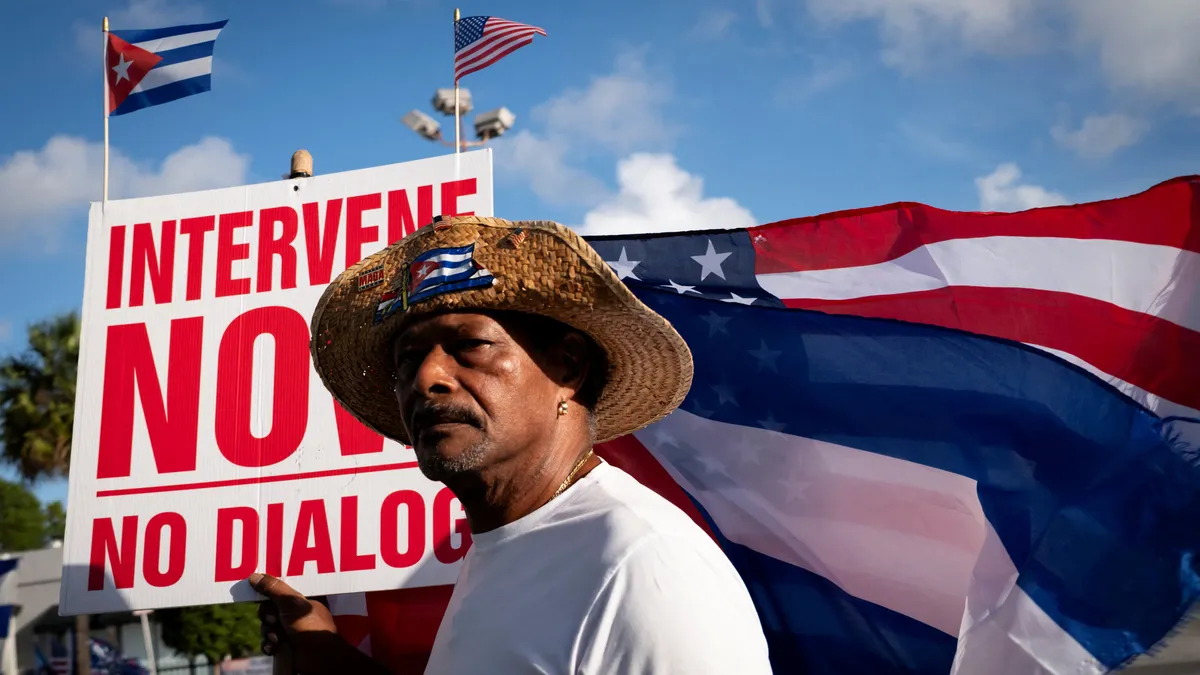
Show Caption
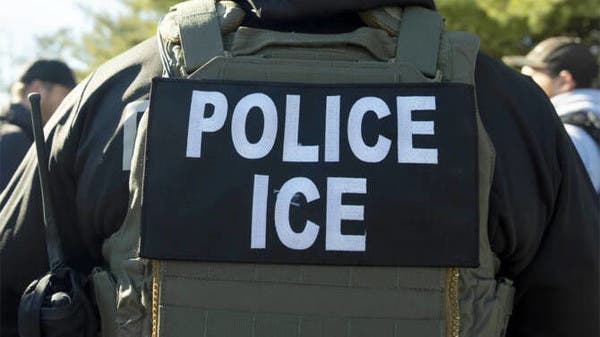
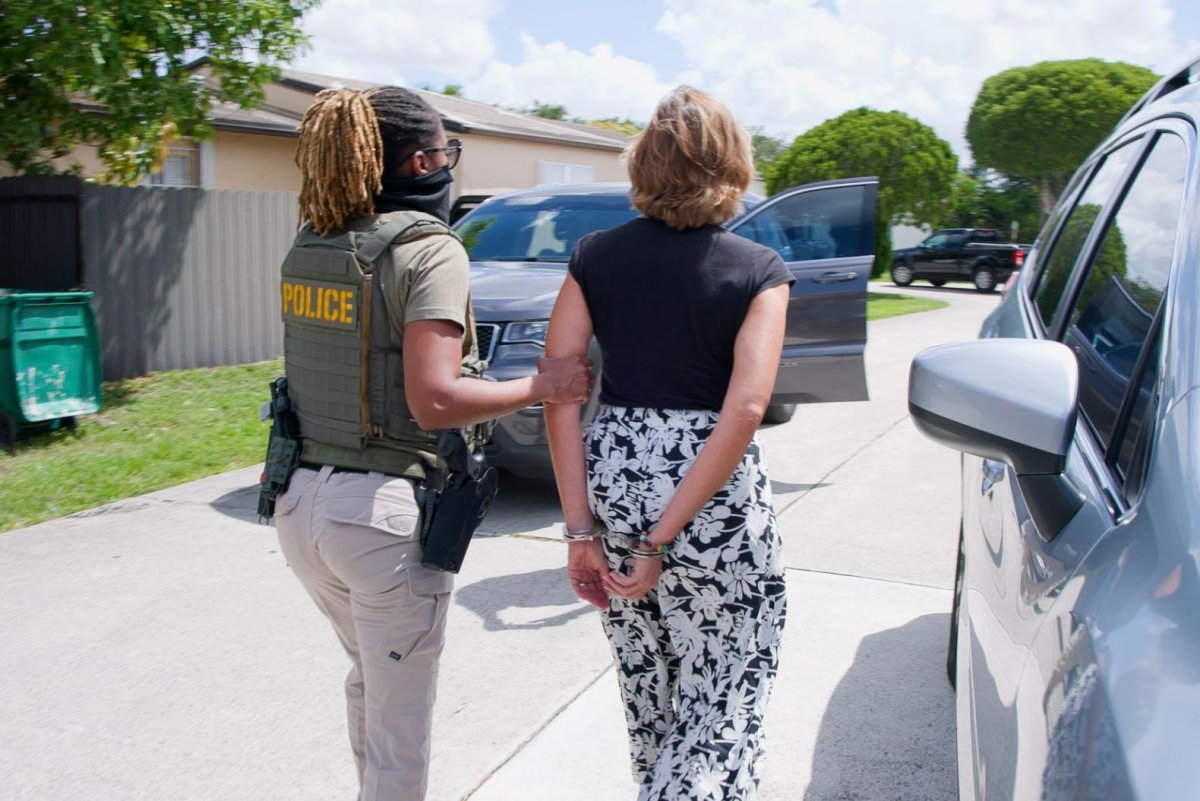
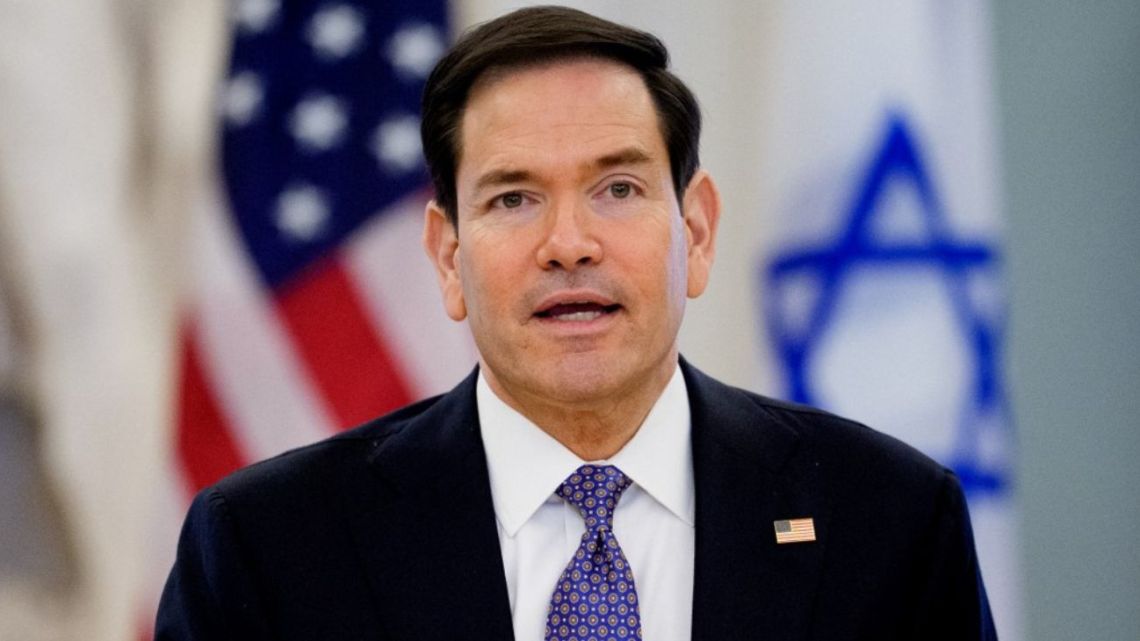
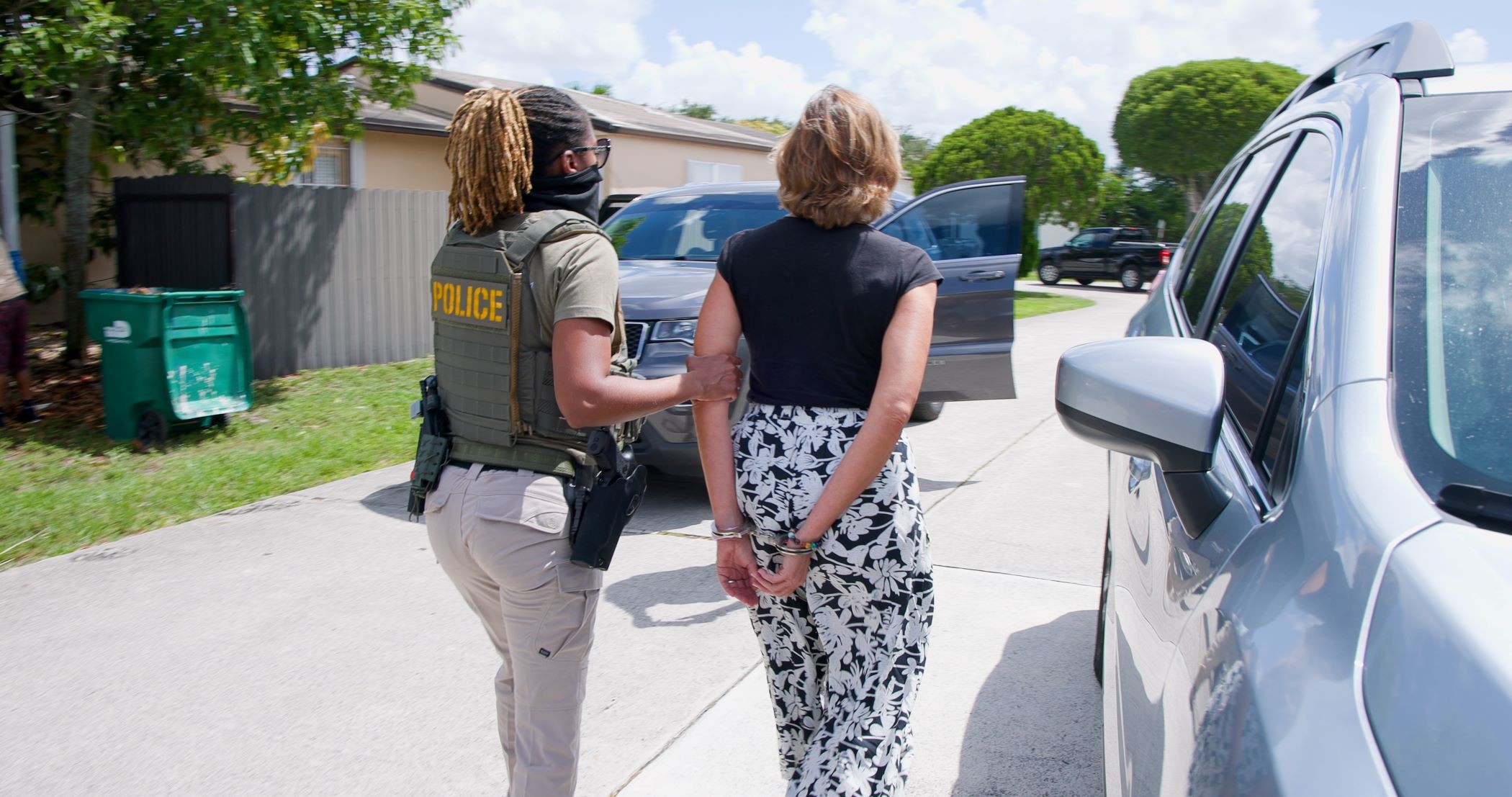
The United States arrested the sister of a Cuban official who presides over a vast, Washington-sanctioned Cuban conglomerate of military-run businesses on the island, according to U.S. Secretary of State Marco Rubio.Adys Lastres Morera is the sibling of the executive president of GAESA, short for Grupo de Administración Empresarial, or "business administration group." U.S. Immigration and Customs Enforcement confirmed in a May 21 statement that Morera, who was living in Florida, is in U.S. custody and awaiting deportation proceedings. U.S. officials believe Morera’s presence threatens U.S. interests and undermines American foreign policy.Why it matters: Morera's arrest comes as the Trump administration has repeatedly exerted pressure on Cuba to agree to sweeping economic and political changes on the Caribbean island. It has also openly discussed toppling Cuba's government. Her seizure is the latest development in the White House's push toward a Cuba end-game.What happens in Cuba could radically alter the U.S. business relationship with its longtime regional adversary. Alternatively, Cuba could be the next target for the Pentagon after operations in Venezuela and Iran. If the Cuba crisis unravels further, some experts believe, it could unleash a fresh wave of migration toward the U.S. mainland.Morera was managing real-estate assets while allegedly "aiding Havana's Communist regime," Rubio said. Her sister is Ania Guillermina Lastres Morera. She is described by Cuba's government as GAESA's "Brigadier General." Cuban officials in Washington, London and Rome did not immediately respond to a comment request about the allegation.Speaking to reporters in Miami on May 21, Rubio said that Cuba poses a "national security threat" to the U.S. and that the likelihood of a peaceful agreement between the longtime foes is "not high." Cuba's Foreign Minister Bruno Rodríguez pushed back and accused Rubio of "lies" and said the island has never posed a threat to the U.S.In other recent U.S.-Cuba developments:The U.S.S Nimitz aircraft carrier and three escort warships arrived in the Caribbean Sea on the same day the Justice Department announced murder charges against Cuba's 94-year-old former president Raúl Castro. The naval buildup echoes one that took place near Venezuela in late 2025. That ended when U.S. special forces seized Venezuelan president Nicolás Maduro and his wife, Cilia Flores, on Jan. 3.The Castro murder charges stem from the 1996 downing of two civilian planes over international waters that killed four people, three of them Americans and a U.S. resident. The evidence for his indictment is based on audio recordings of top Cuban officials that captured them talking about shooting down the planes. It was shared among U.S. intelligence officials and lawmakers. but never acted upon until now.A U.S. delegation led by CIA Director John Ratcliffe met May 14 with top Cuban officials to deliver a message from President Donald Trump that the United States was prepared to seriously engage on economic and security issues, but only if Cuba makes fundamental changes − including a promise to no longer be a safe haven for U.S. adversaries in the Western Hemisphere.Rubio traveled in early May to the Vatican, where he met with Pope Leo XIV. Cuba and its spiraling humanitarian crisis was on the agenda. The two Americans met at time when the pope and President Donald Trump − and Trump's Catholic vice president, JD Vance − have been taking their differences on war, peace and church doctrine to spectacular new rhetorical heights. Rubio slapped Cuba's military regime and elites with new sanctions, just hours after a meeting with the first American pope.On April 15, five days after U.S. and Cuban officials held secret talks and delivered an ultimatum in Havana, Cuban state security agents visited two high-profile political prisoners, according to audio recordings of phone calls obtained by USA TODAY. The agents made them an offer: Leave Cuba or stay in prison.Military planning for a possible Pentagon-led operation in Cuba has been quietly ramping up for weeks, in case Trump gives an order to intervene there, USA TODAY learned in mid-April. USA TODAY was the first outlet to report, in early March, that the Trump administration was pursuing an economic deal with Cuba.Cuba context: The Trump administration has imposed an oil embargo on Cuba that has pushed the island to the brink of a humanitarian collapse. Trump has various options in Cuba from pursuing an economic deal to regime change. All appear varied and thorny – and all of them fraught with political landmines.Go deeper on Cuba: For Rubio, disdain of the Cuban government was practically a birthright. He was raised among Cuban exiles in Florida, and his political ascent from local politician to U.S. senator was propelled by an unwavering hard line toward Fidel Castro and his successors.U.S.-Cuba timeline: A relationship defined by cycles of hostility, pressure and periodic violence.USA TODAY's Spanish-language coverage of the unfolding U.S.-Cuba story.