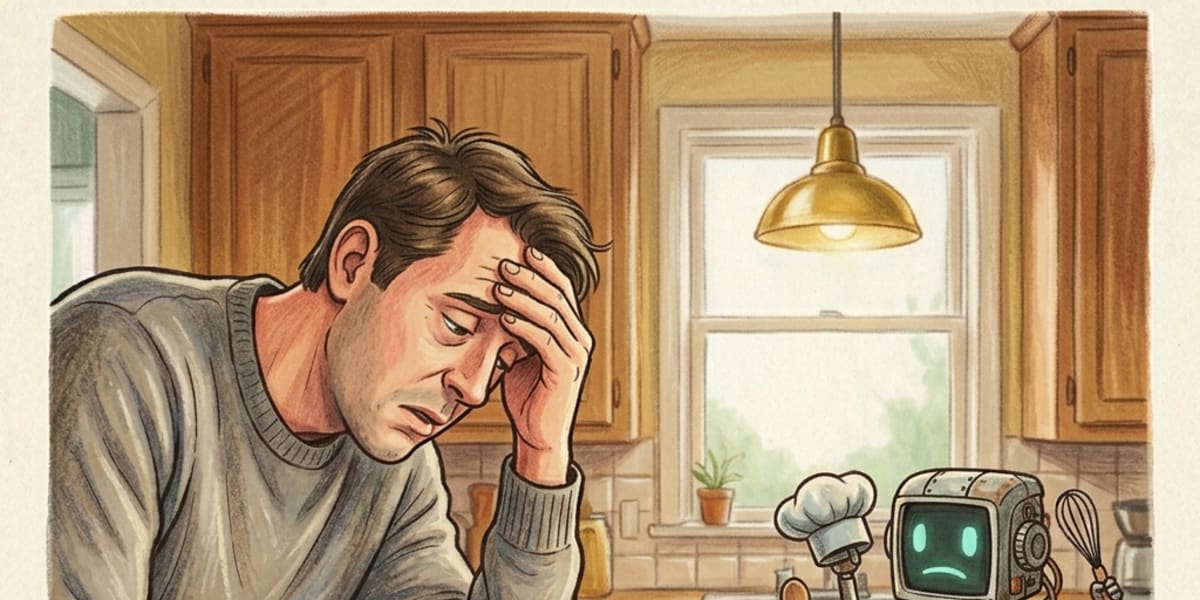
Regan Peng is Co-Founder and President at PINAI, focused on personal AI agents, privacy-preserving systems, and agent interoperability.gettyFor two years, the dominant pitch for AI has been speed.Write the email. Summarize the meeting. Draft the proposal. Build the deck. Answer the customer. Organize the workflow. These are useful capabilities, and they explain why AI adoption has moved so quickly across business software.But speed is becoming the baseline. As more platforms embed the same features, “We help you do this faster,” will be harder to defend. The next durable advantage will come from a deeper question: Why was the task hard to do in the first place?The Next AI Moat Is Emotional ValueOften, the real blocker is not the task. It is the emotional friction around it.A person can have a polished email and still avoid sending it. A founder can have the right talking points and still postpone the difficult investor update. A student can understand the answer and still feel too discouraged to keep going. A customer can receive the technically correct response and still feel ignored.Productivity alone is not enough. The product solved the surface problem, but not the human one.That is the opening for the next generation of AI products. The first wave helped people produce, search, summarize and automate. The next wave will help people move through hesitation, fear, frustration, uncertainty and conflict so they can actually take the next step.This does not mean every AI product should become a companion, coach or therapist. The broader opportunity is emotional intelligence inside everyday software.A finance app should help users avoid fear-driven decisions during volatility. A productivity tool should notice when the same task keeps getting delayed and help the user understand whether the blocker is confusion, fear or self-protection. A customer support agent should recognize whether the customer needs a refund, an apology, certainty or respect. A learning product should recognize when a student is not confused but discouraged.About Real UnderstandingEmotional value is not about making AI sound warmer. It is about making software more useful at the moment people get stuck.Many products will mistake this for sentiment analysis: happy, sad, angry, stressed. That is too shallow. Detecting frustration is easy. Understanding what the frustration is about is the real product challenge.Behind many difficult user moments is a deeper tension: identity, desire, fear, loss or conflict. Who does the user believe they are? What do they really want? What outcome are they trying to avoid? What have they lost, or what are they afraid of losing? Which values, goals or relationships are pulling against each other?Consider a founder who keeps postponing an investor update. A basic AI assistant might keep polishing the email. A more emotionally aware product might notice that the founder has opened the draft several times, softened the language repeatedly and written, “I don’t want to sound desperate.” The better response may not be another version of the email. It may be: “This may not be only a writing problem. It may also be a rejection problem. Let’s make the message lower-stakes and easier to send.”That is emotional value. It does not flatter the user. It does not diagnose them. It helps them move.The DownsideThere is also a dangerous version of this future. If a system can understand a user’s fear, loneliness, insecurity or desire, it can support that person. It can also manipulate them. It can push a paid feature when they are vulnerable, create dependency by implying that only the system understands them or keep a conversation going when the healthier outcome would be to step away.That is why emotional AI needs stronger boundaries than conventional productivity software.A good product should not pretend to read minds or make psychological claims from one sentence. When it makes an emotional inference, it should be able to show the basis for it: something the user said, a repeated behavior, a recent pattern, task context or direct feedback. It should also express uncertainty. “You are afraid of failure,” is presumptuous. “Maybe this feels hard because of rejection risk; maybe the next step is simply unclear,” is more honest and useful.The best intervention will often be small: pause before sending the message, reduce the task to a three-minute first step, write the angry version but do not send it, contact one trusted person or decide that now is not the right moment to act.The goal is not to make users feel perfectly understood by a machine, but to help them recover enough clarity to act in the real world.The Trust MetricThat also changes how these products should be measured. If emotional AI is judged by time spent, it will drift toward dependency. If it is judged by user benefit, it will behave differently. The better questions are: Did the user feel clearer? Did they take the next step? Did the suggestion feel accurate? Did the system know when to stop, ask, pause or escalate?Trust will become the moat.Users should know when a product is making an emotional inference. They should be able to see what data was used, correct it, delete sensitive memory and decide how long that information is stored. The product should also be clear about what it is not: not a therapist, not a doctor, not a crisis service and not a substitute for human relationships.The startup opportunity is much larger than AI companions. Emotional value can become a layer across productivity, education, finance, customer support, health and wellness, recruiting, coaching and workplace communication. Any category where emotion blocks action is a candidate.The winning products will not simply sound more empathetic. They will be more precise. They will know when to suggest, when to ask, when to pause, when to push and when to send the user back to another human being.The most valuable AI may not be the one that keeps us engaged the longest. It may be the one that helps us come back to ourselves fastest.Forbes Technology Council is an invitation-only community for world-class CIOs, CTOs and technology executives. Do I qualify?
Why The Next AI Moat Won’t Be Productivity, But Emotional Value
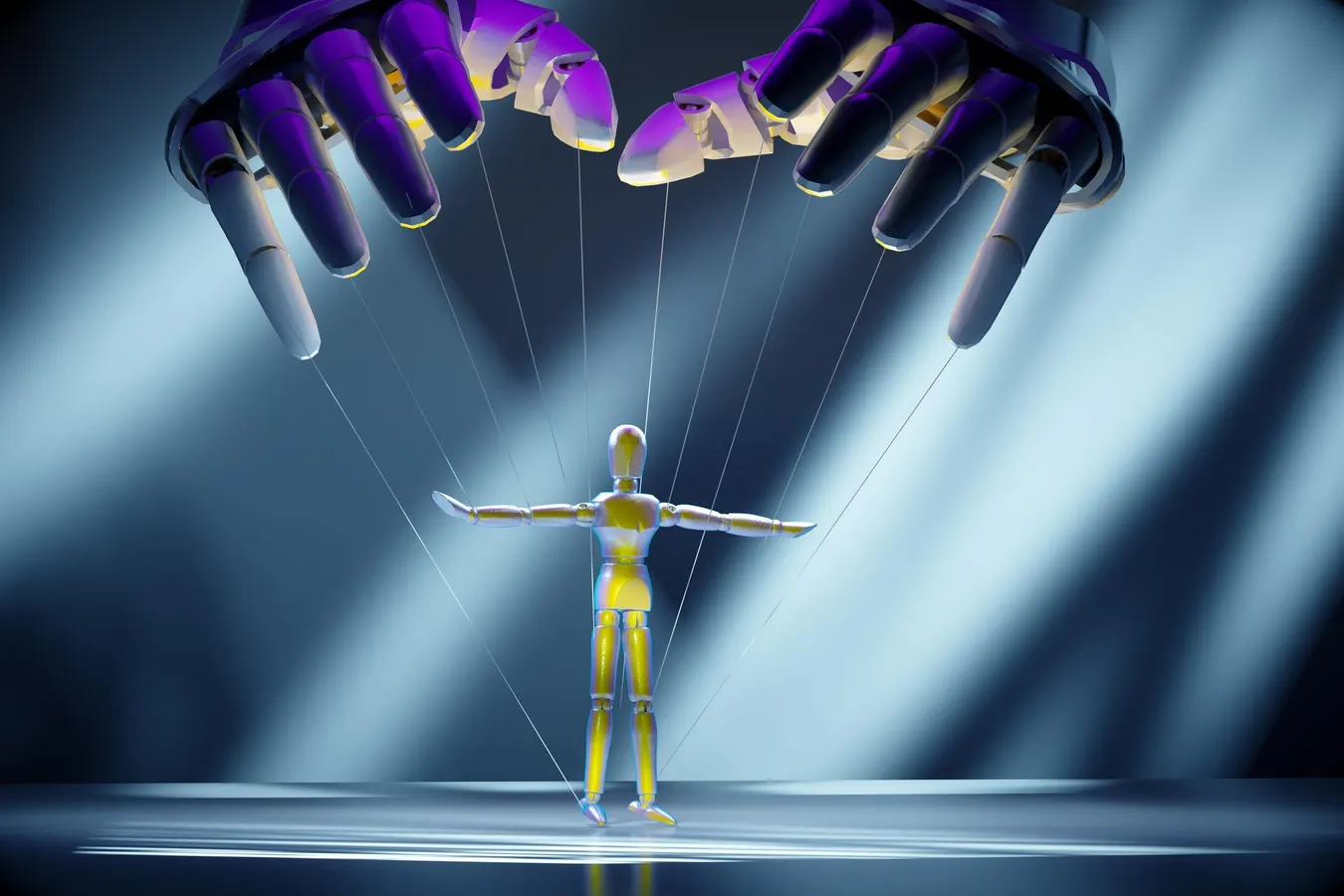
If a system can understand a user’s fear, loneliness, insecurity or desire, it can support that person. It can also manipulate them.
1,001 words~5 min read