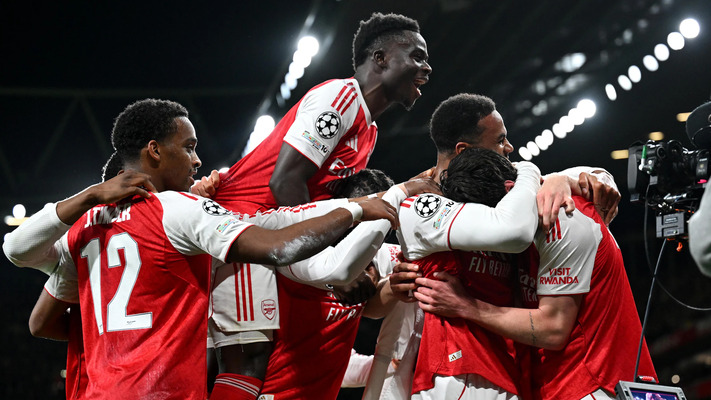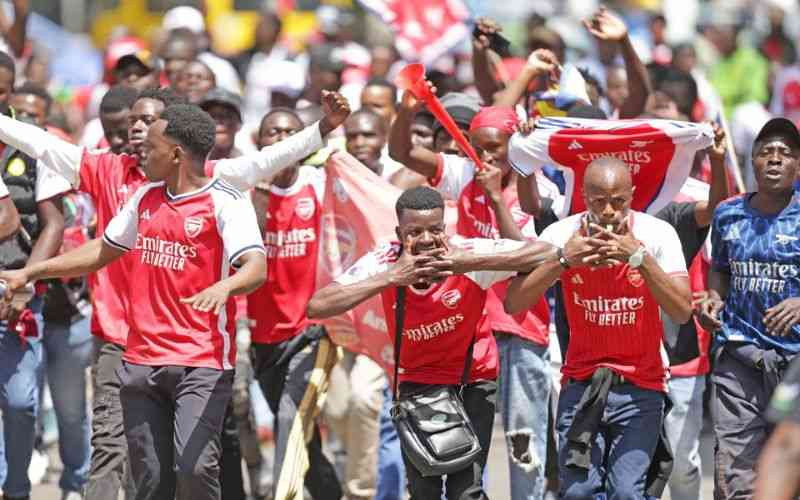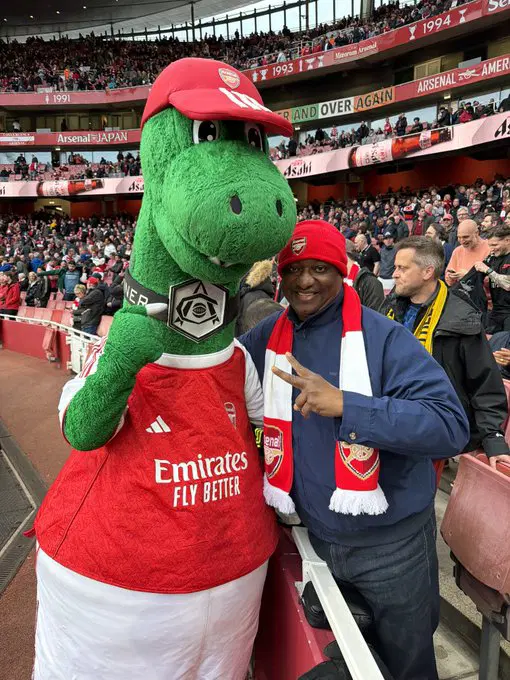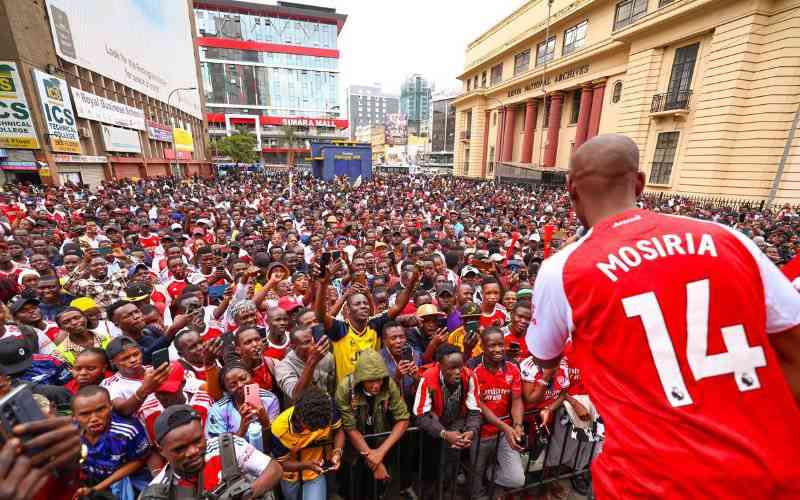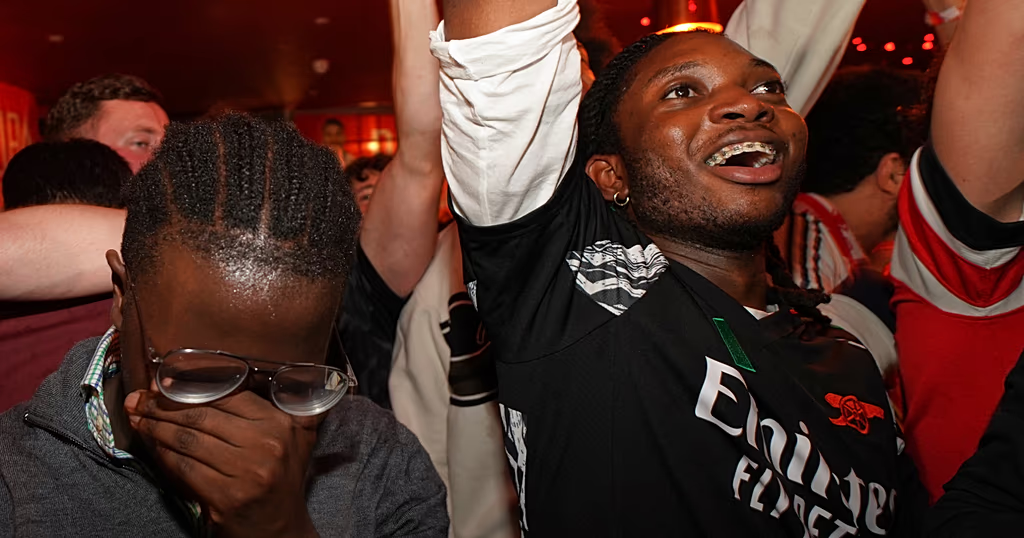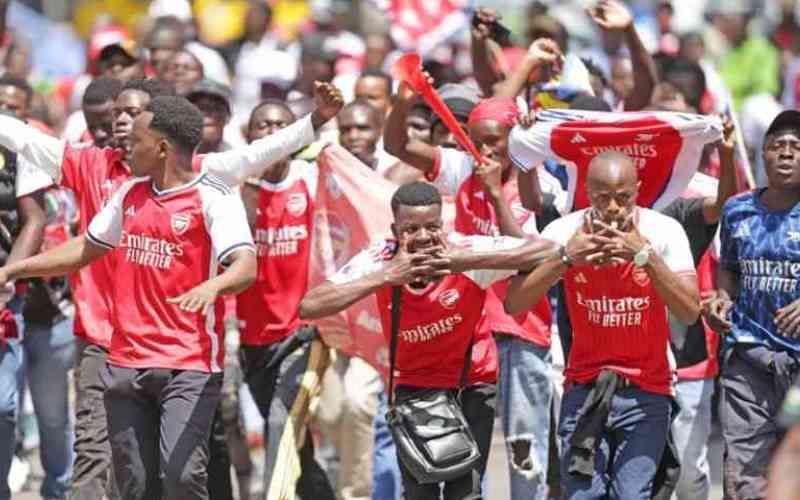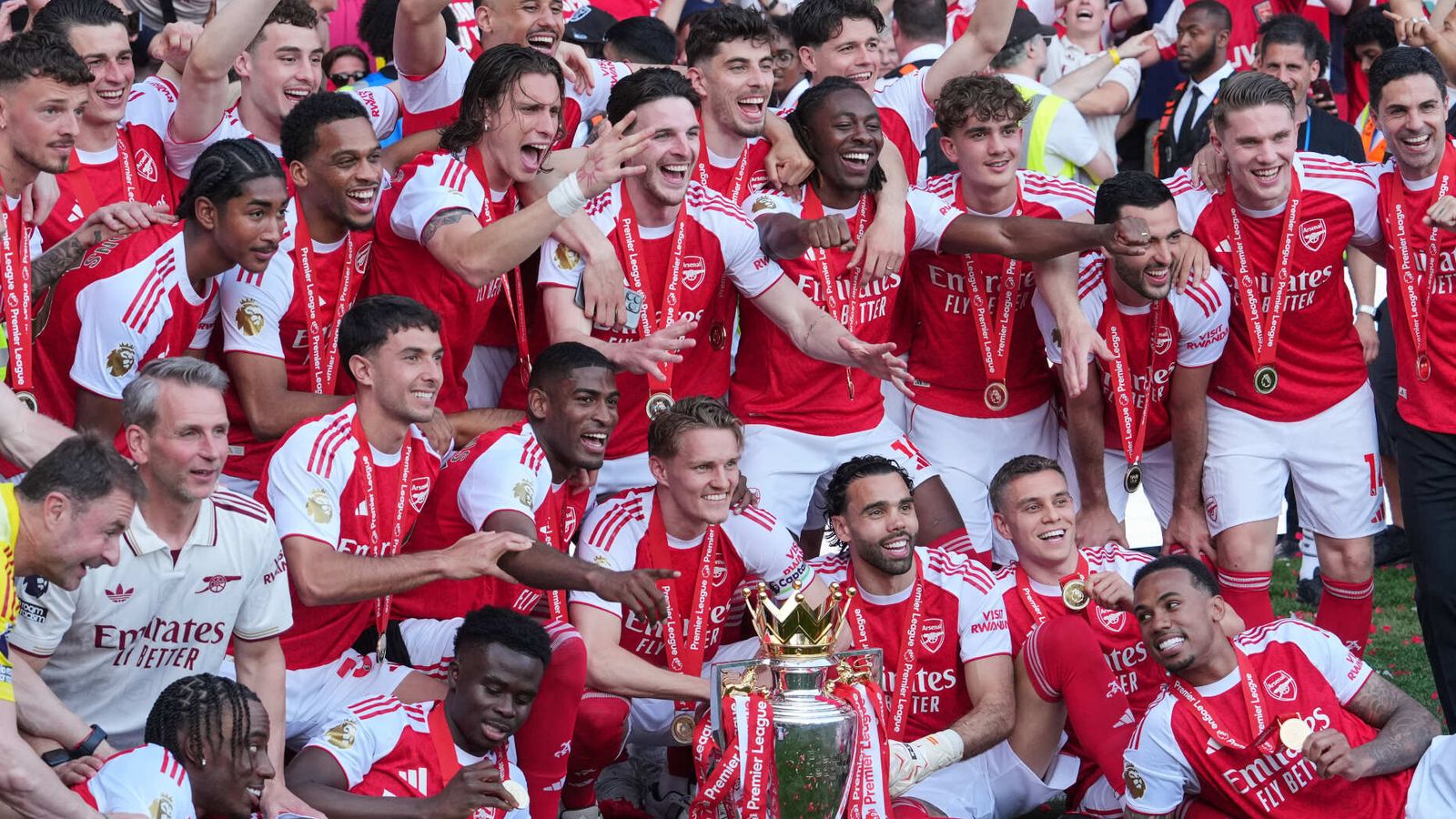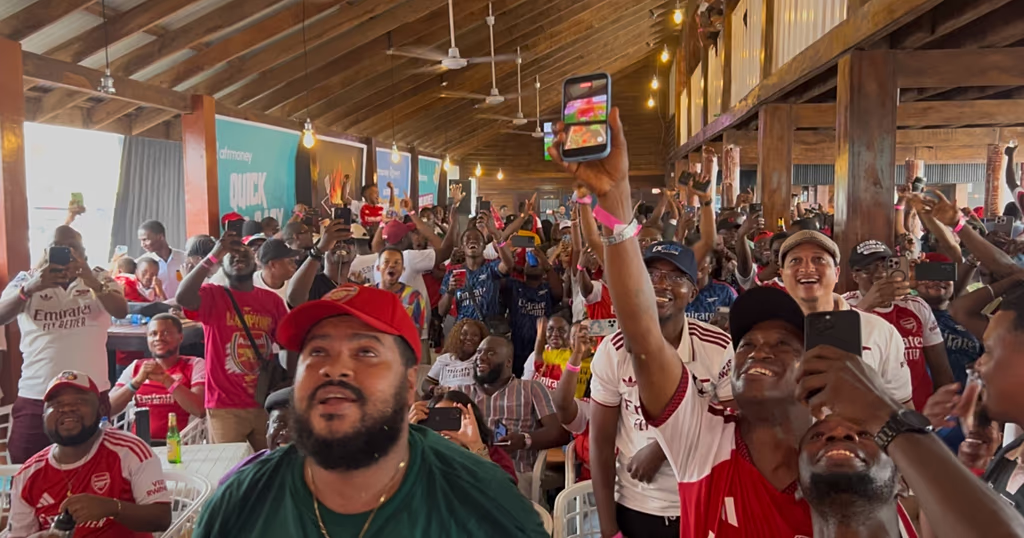
The sight of jubilant Arsenal supporters pouring into the streets of North London after the Gunners secured their first English Premier League title in 22 years was more than just a football celebration. It was a reminder of how deeply football has embedded itself into the emotional, economic, cultural and political fabric of modern society.
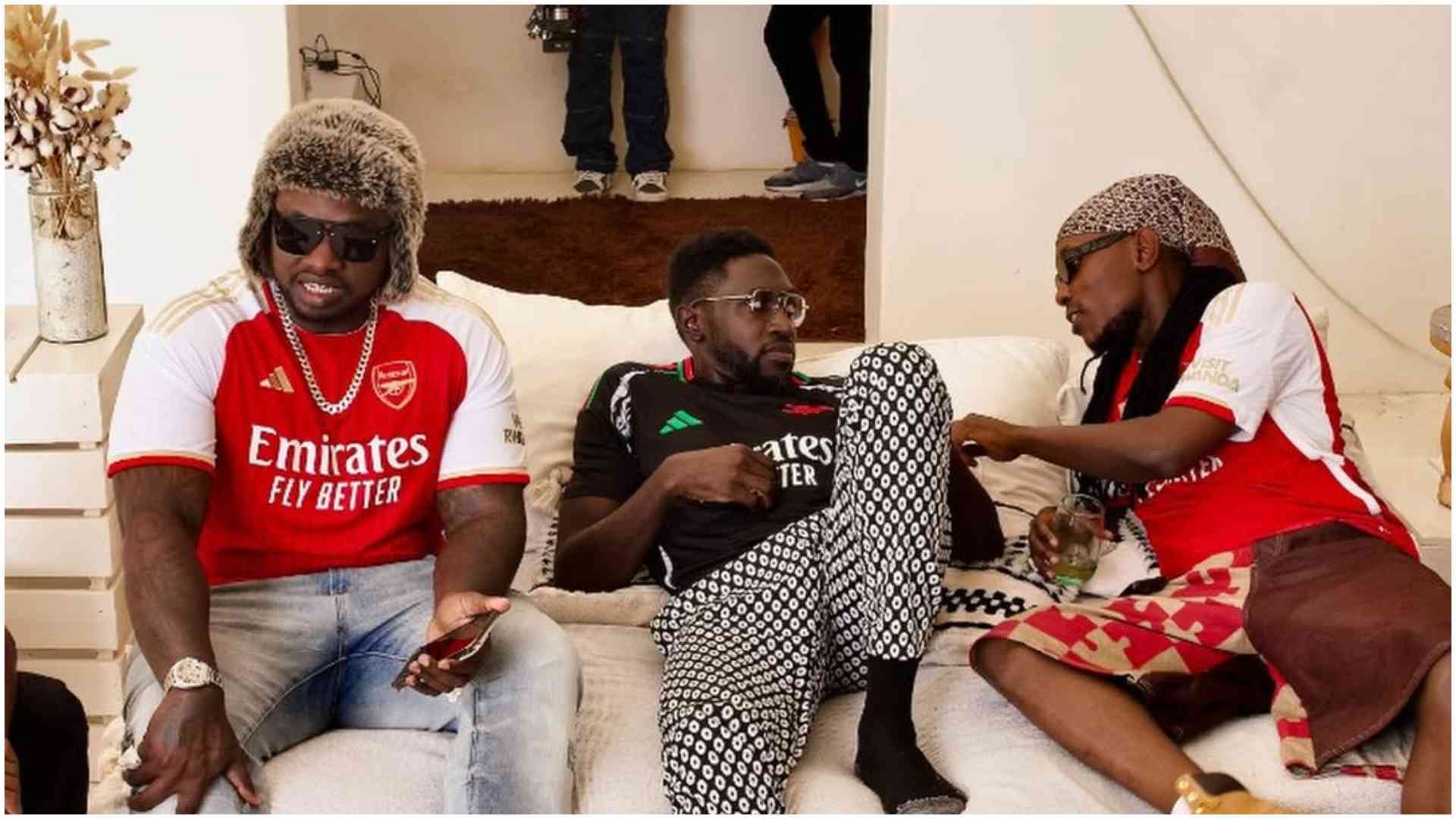
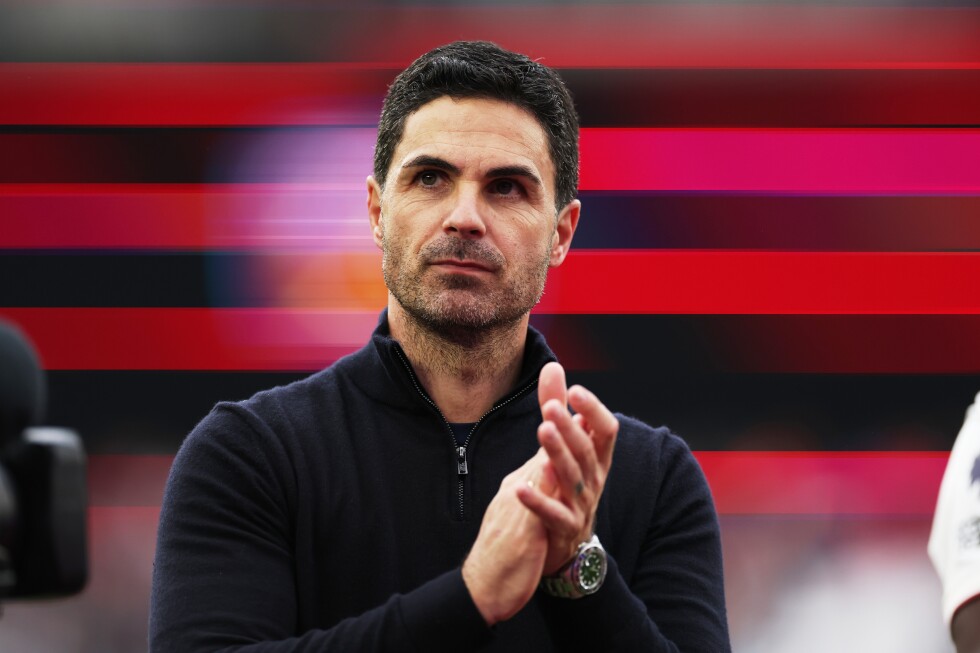
For millions of Nigerians, Arsenal’s triumph was personal. Across Lagos, Abuja, Port Harcourt, Kano, Enugu and countless towns and villages, bars overflowed with excited fans draped in red and white. WhatsApp groups exploded with banter. Offices suddenly became tactical analysis rooms. Even those with little interest in European geography could identify the Emirates Stadium, Bukayo Saka, Declan Rice and Mikel Arteta with astonishing familiarity. Football has become the closest thing the modern world possesses to a universal civic language.
Yet beneath the excitement lies a deeper and more consequential story — one that intersects business, politics, economics, youth development and national identity. Football today is no longer merely a sport; it is a multi-billion-dollar global industry and one of the most sophisticated ecosystems in modern capitalism.