By Editorial Dept - May 22, 2026, 6:30 AM CDT
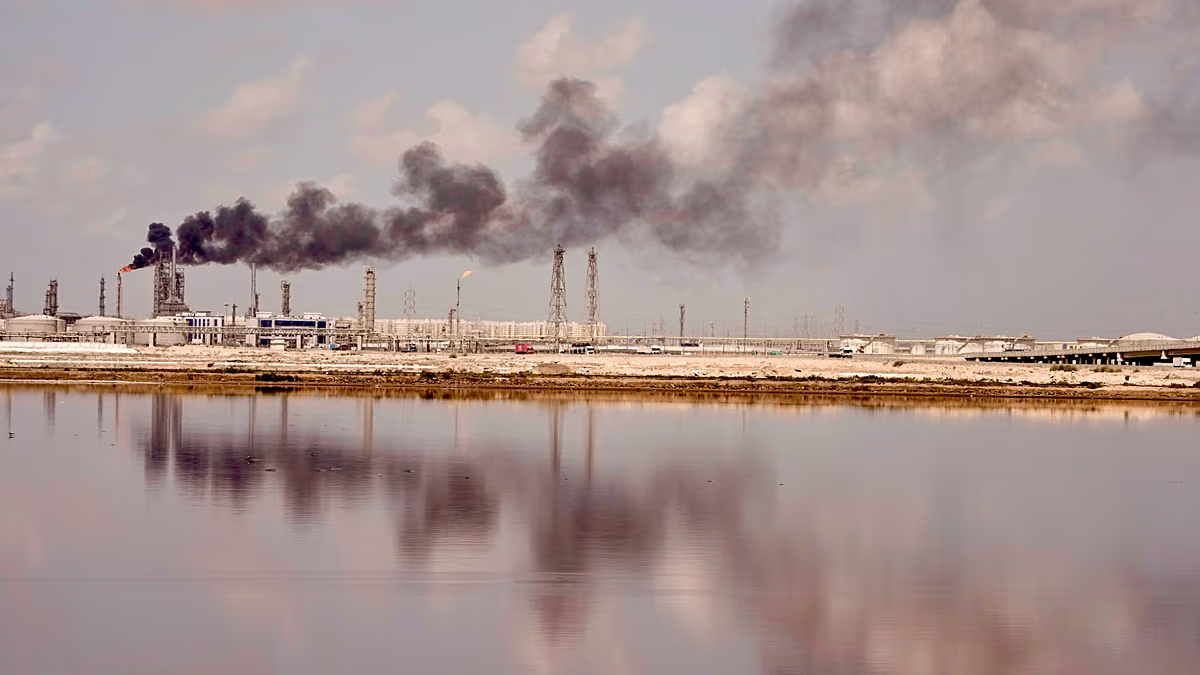
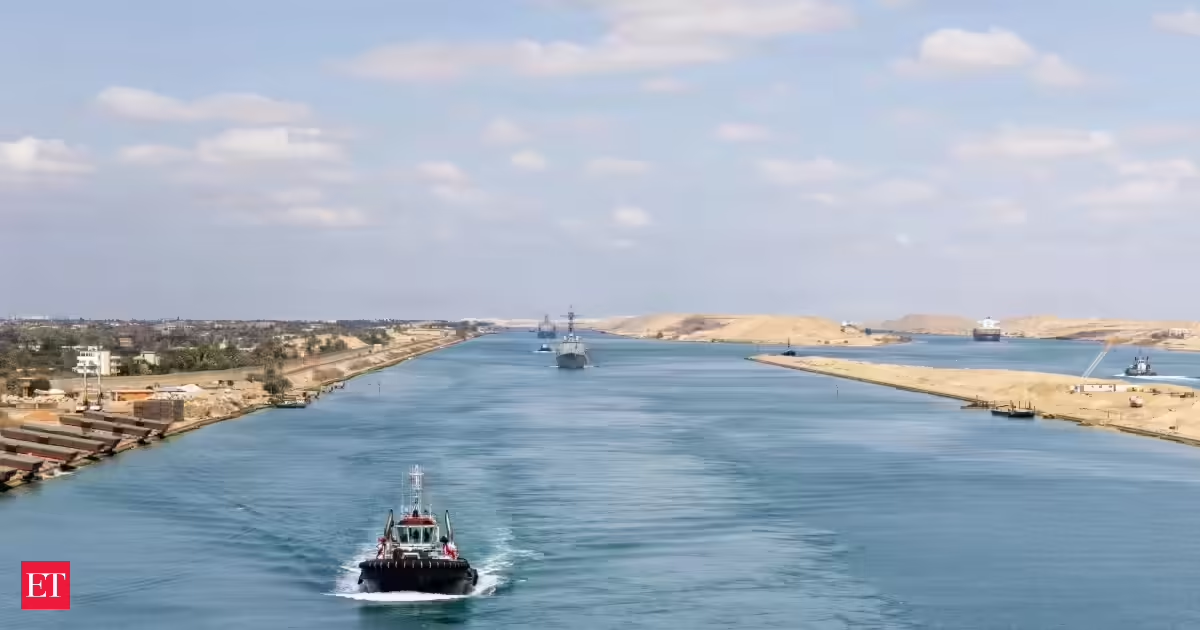
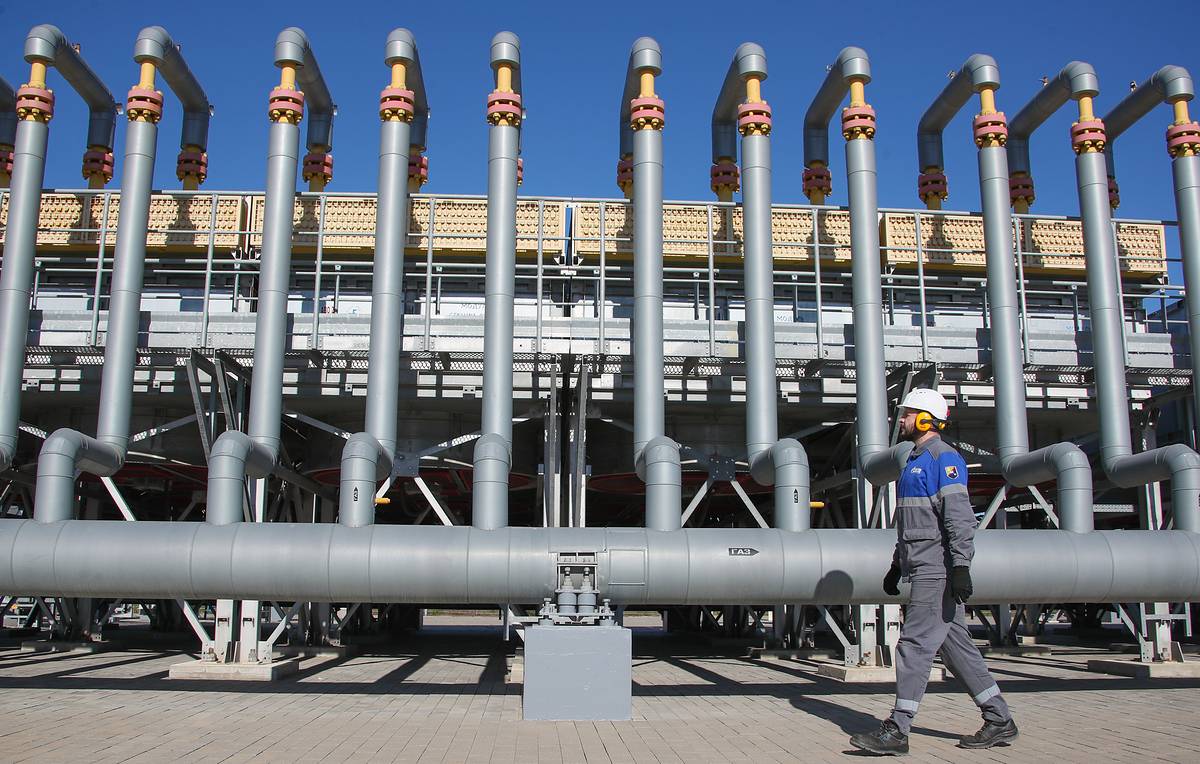
All the Hormuz chaos is giving Egypt another chance to become a gas hub. In the immediate term, Egypt is taking a hit, but the conflict is strengthening Cairo’s long-term East-Med gas position. Right now, the Iran conflict means that Egypt has an immediate supply problem. Israeli gas exports to Egypt were disrupted after the conflict escalated, removing roughly 1.1 billion cubic feet per day from the Egyptian market. And domestic output was already under pressure amid rising electricity demand. Cairo has been forced to increase LNG imports and scramble for more expensive replacement cargoes, while simultaneously dealing with mounting fiscal pressure. Egypt’s wildly celebrated gas discovery, Zohr, hasn’t managed to reverse production declines to the extent anticipated by now. Production declines, delayed payments to international operators, and underinvestment in exploration have steadily weakened Egypt’s energy balance over the past several years. Now, with the Iran conflict, Cairo is paying significantly higher prices for imported LNG than it was for piped Israeli gas.But the war is increasing Egypt’s strategic value, as well. Hormuz disruptions and instability are forcing Europe and regional buyers to think more seriously about alternative gas systems outside the Gulf itself. Egypt still controls the most important LNG export infrastructure in the Eastern Mediterranean, through the Idku and Damietta terminals. That infrastructure becomes more valuable…