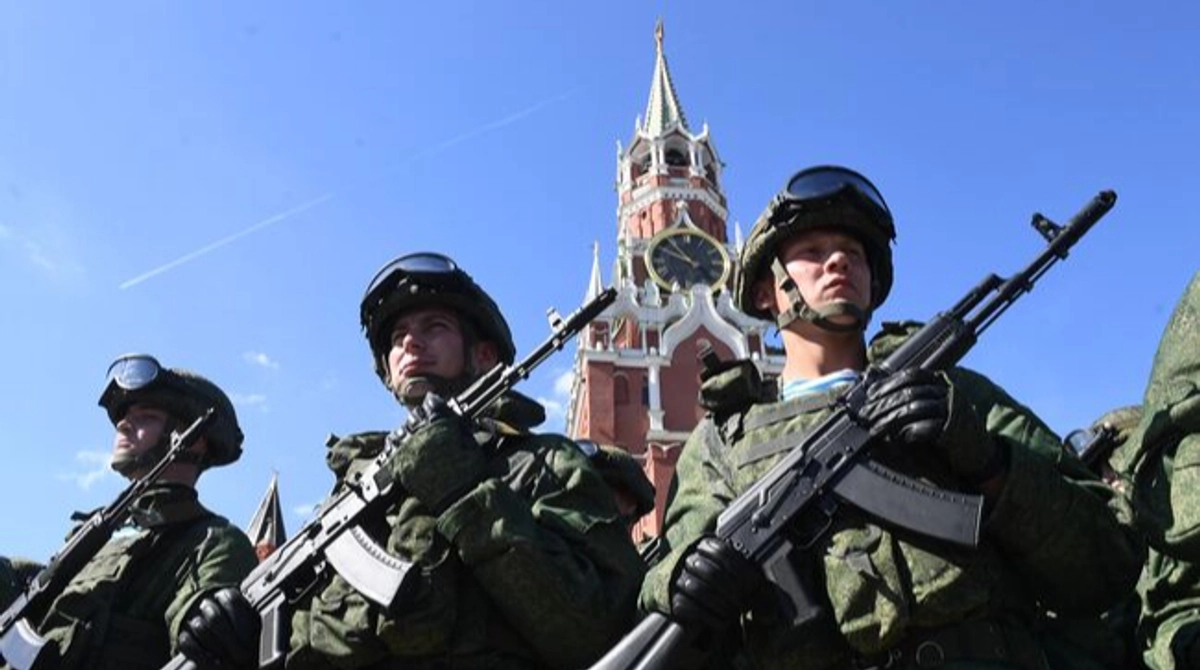
Lithuania is adding nearly 600 more individuals involved in Russia’s war in Ukraine to Schengen blacklists.
The Migration Department said it plans to promptly include these persons in Lithuania's list of persona non grata and the Schengen Information System, effectively banning their entry.The entry ban for Lithuania will remain in effect for 10 years, while the ban for the Schengen area will last five years, with the possibility of extension upon expiry.In March, the Interior Ministry announced the blacklisting of 268 Russian citizens who participated in direct military actions against Ukraine. At that time, the total number of sanctioned individuals reached nearly 900.Currently, Lithuania has also suspended the processing of national and Schengen visa applications from Russian and Belarusian citizens, except in cases mediated by the Foreign Ministry.Estonia previously called on European Union member states to implement a coordinated Schengen visa ban for Russian citizens, a proposal supported by Foreign Minister Kestutis Budrys.In March, Lithuania, alongside Latvia, Estonia, Poland, Finland, Sweden, Germany, and Romania, urged common European Union-level decisions on such restrictions.Estonia was the first European Union country to include more than 1,000 individuals involved in Russia's military actions in Ukraine on Schengen blacklists.