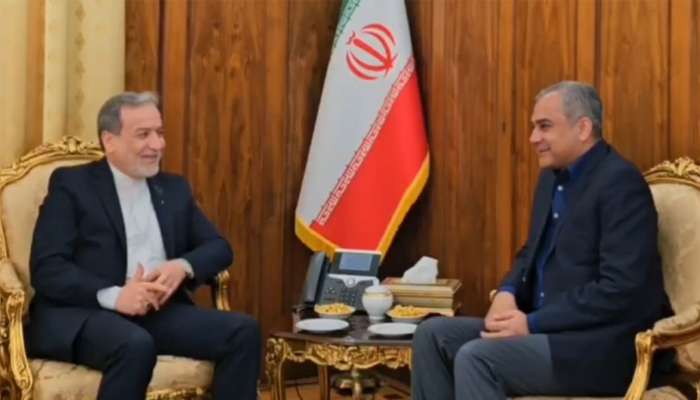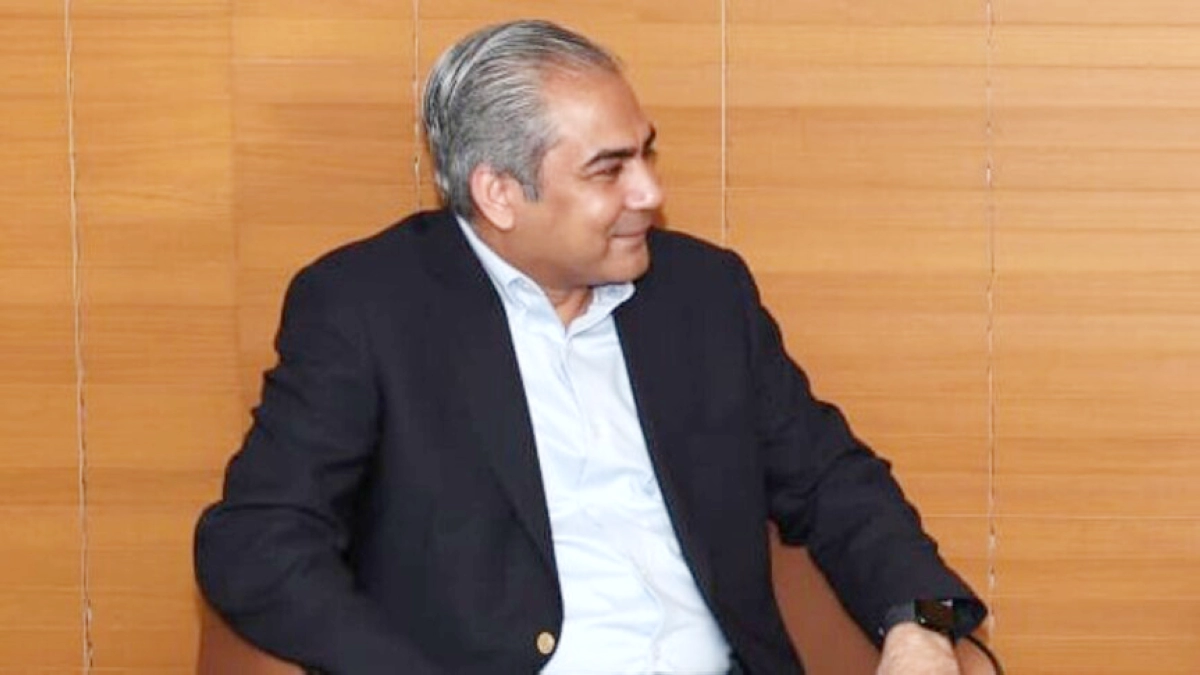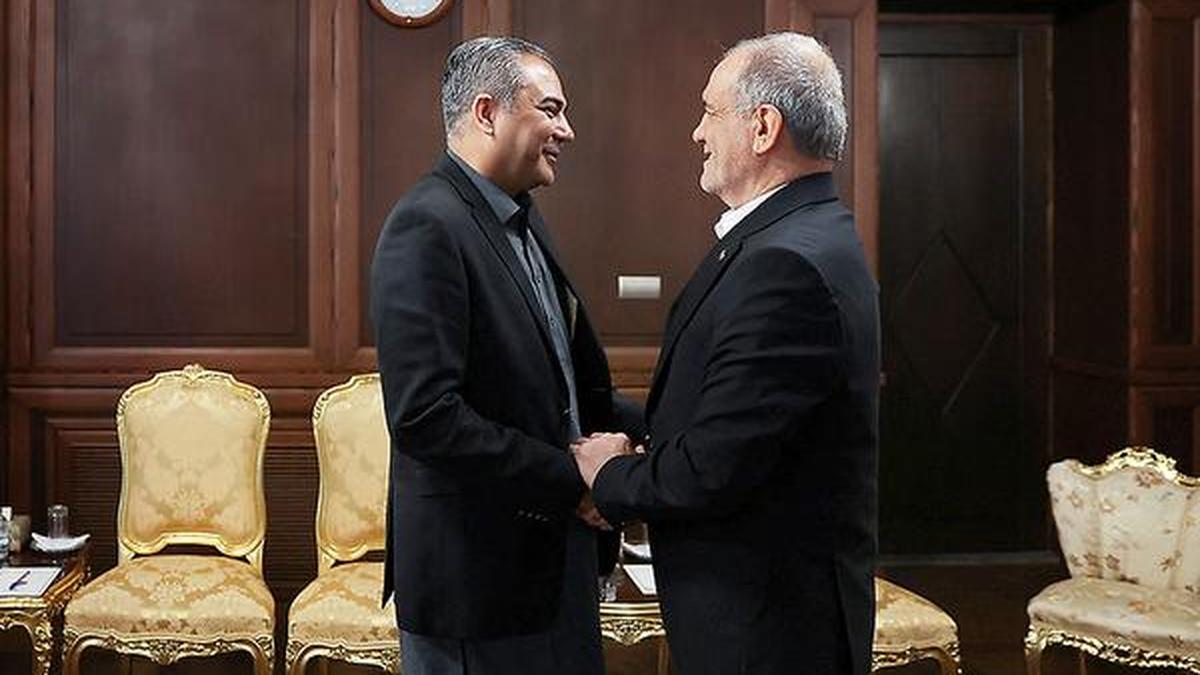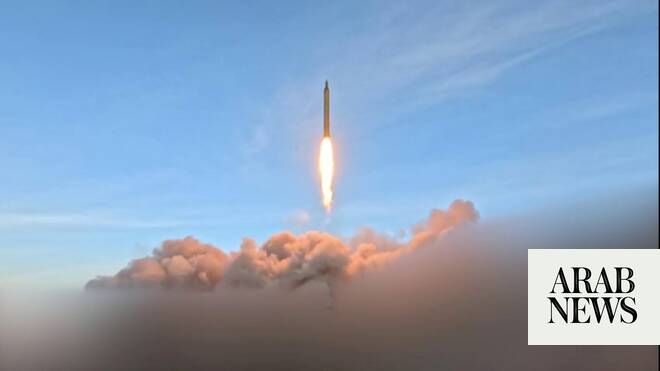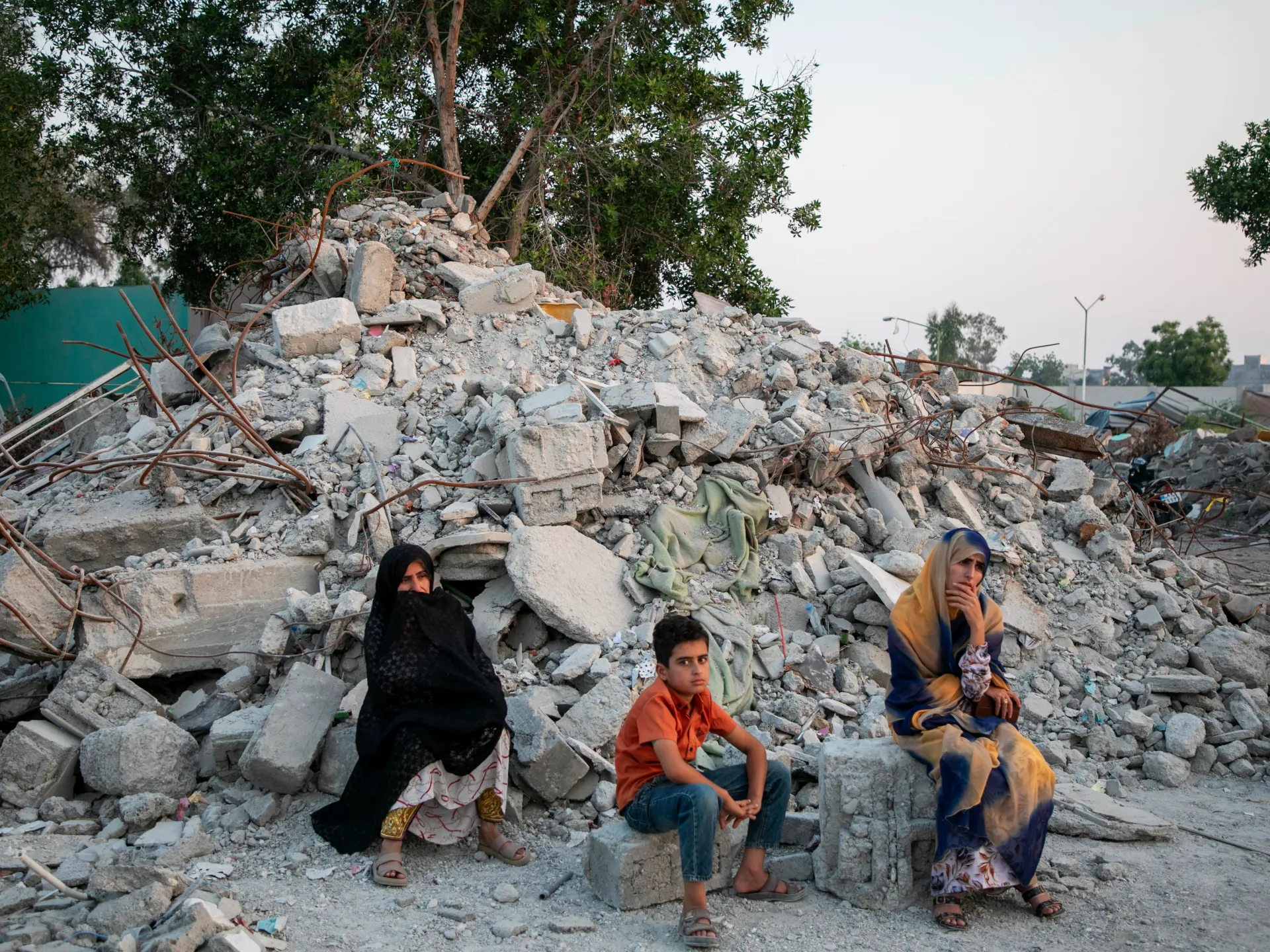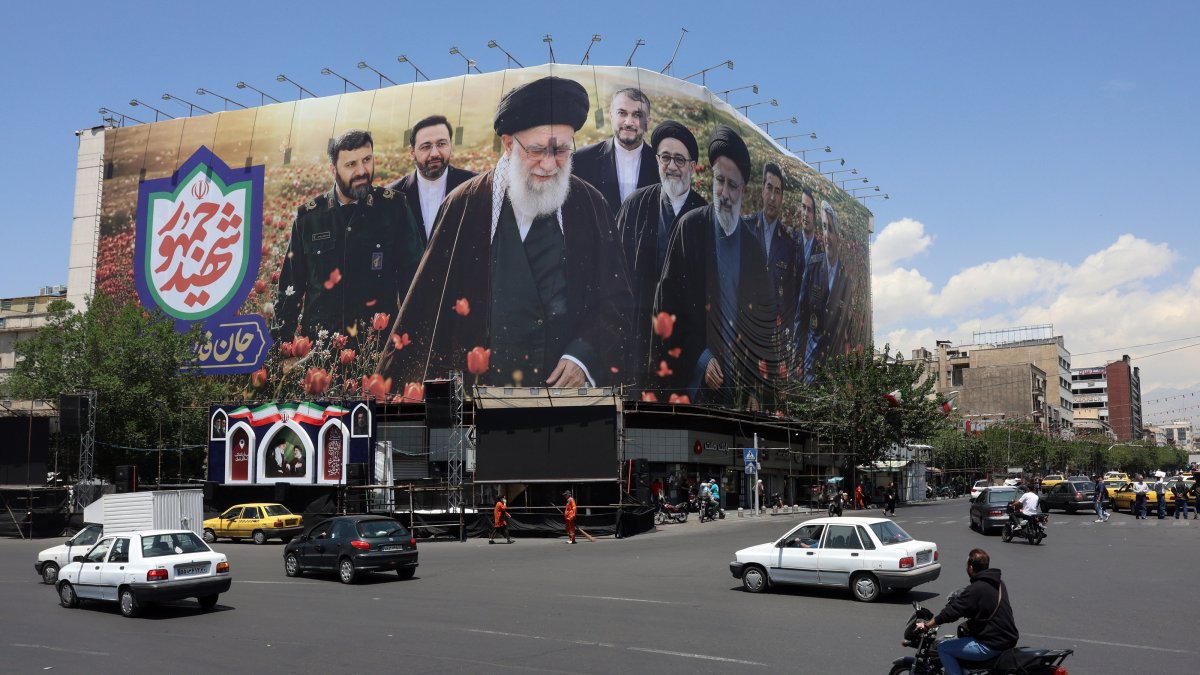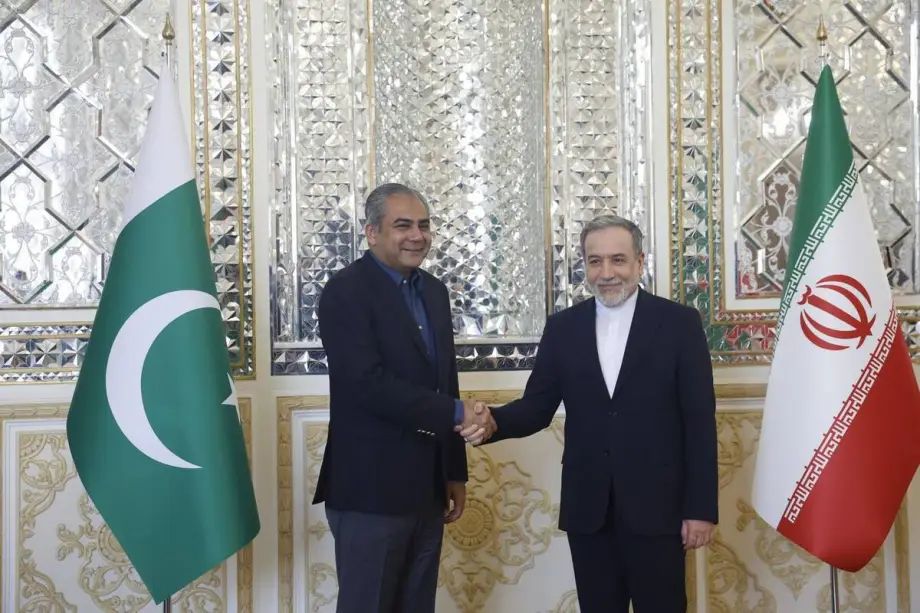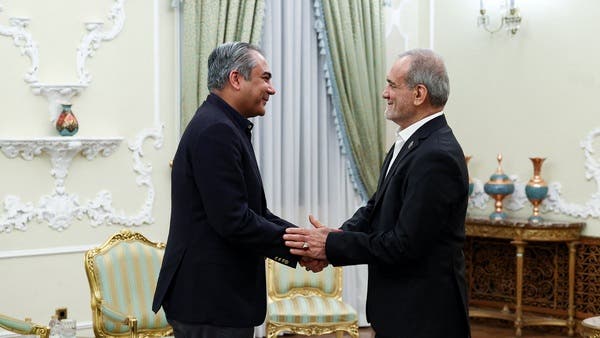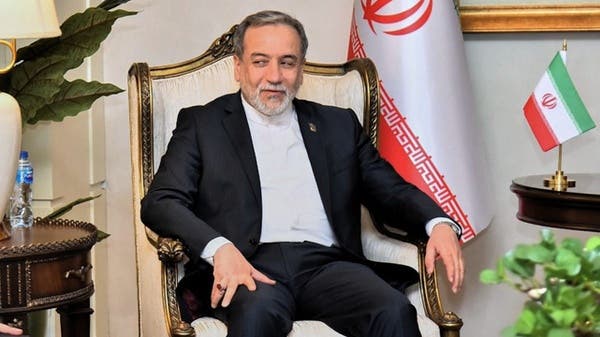
As Pakistan continues its efforts to bring viewpoints closer and narrow the gaps between Iran and the United States, Pakistani Interior Minister Mohsin Naqvi met again with Iranian Foreign Minister Abbas Araghchi in Tehran.For all the latest headlines follow our Google News channel online or via the app.The meeting discussed ways to examine proposals aimed at resolving differences between the Iranian and American sides, two days after Naqvi delivered the latest US message to the Iranians, Iranian media reported on Friday.The meeting came as Pakistani army chief Asim Munir had been expected to visit Tehran on Thursday if a breakthrough had been reached, which has not happened so far. It also came as informed sources confirmed to Al Arabiya that the disputes between the two sides remain focused on the issue of transferring highly enriched uranium out of Iran, and control over the Strait of Hormuz.The United States has insisted on rejecting any arrangement that would keep uranium inside Iran or allow Tehran to impose any control over Hormuz, through which one-fifth of global oil and gas shipments pass.US President Donald Trump stressed on Thursday evening that Washington would not accept uranium remaining in Iran or Tehran possessing a nuclear weapon.Meanwhile, two Iranian sources told Reuters that Iran’s supreme leader, Mojtaba Khamenei, has insisted on keeping highly enriched uranium inside the country.The two sources also said senior Iranian officials believe moving the material abroad would make the country more vulnerable to future US and Israeli attacks.Iran currently holds around 440 kilograms of uranium enriched to 60 percent, theoretically enough to produce about six to 10 nuclear bombs if enrichment is raised to 90 percent, according to estimates by the International Atomic Energy Agency.A first round of direct talks had been held in Islamabad between the Iranian and American delegations, but it did not produce results. Since then, Pakistan has continued its efforts to overcome obstacles and reach an agreement that would end the war that erupted on February 28 between Iran on one side and the United States and Israel on the other.
Pakistan’s interior minister meets Iran FM again in push to resolve disputes
As Pakistan continues its efforts to bring viewpoints closer and narrow the gaps between Iran and the United States, Pakistani Interior Minister Mohsin
343 words~2 min read