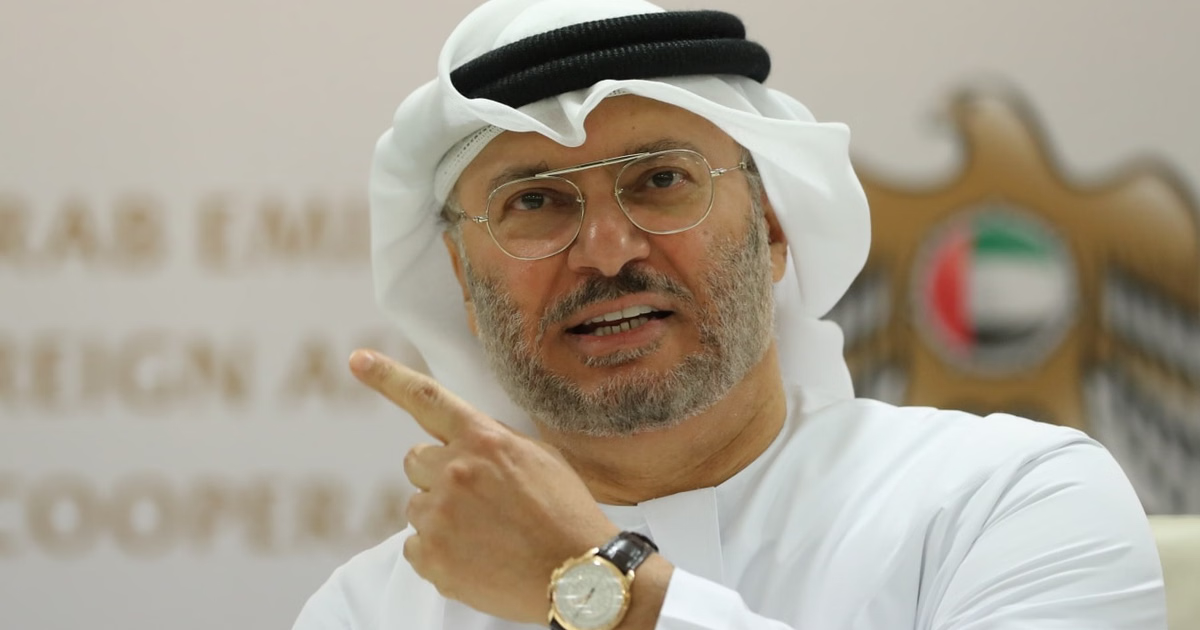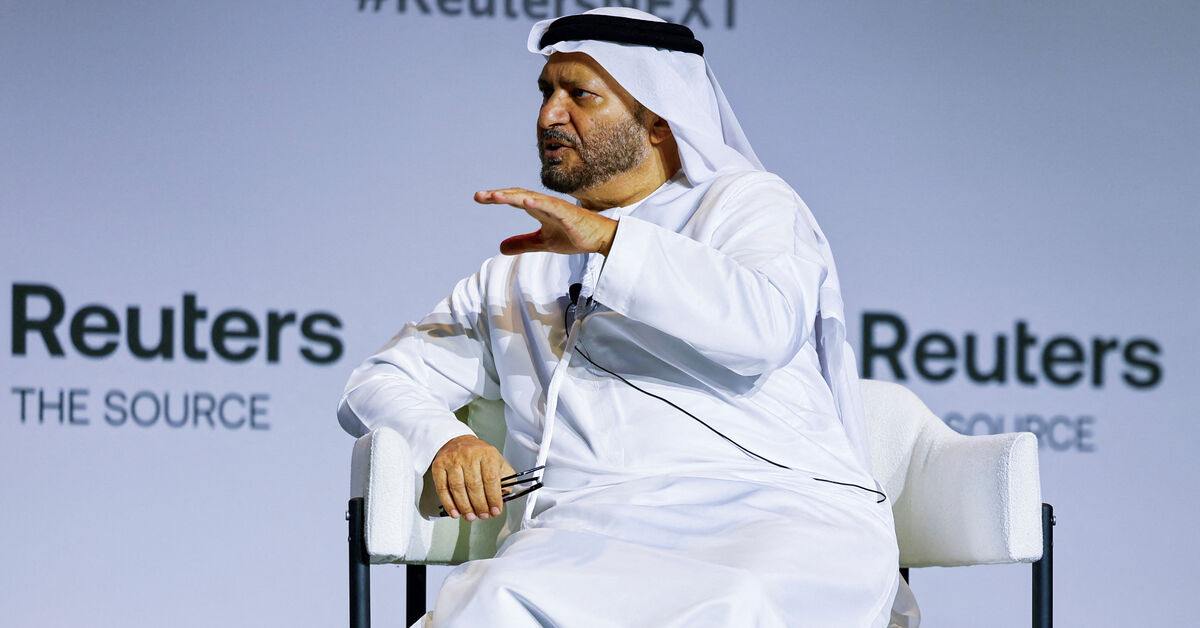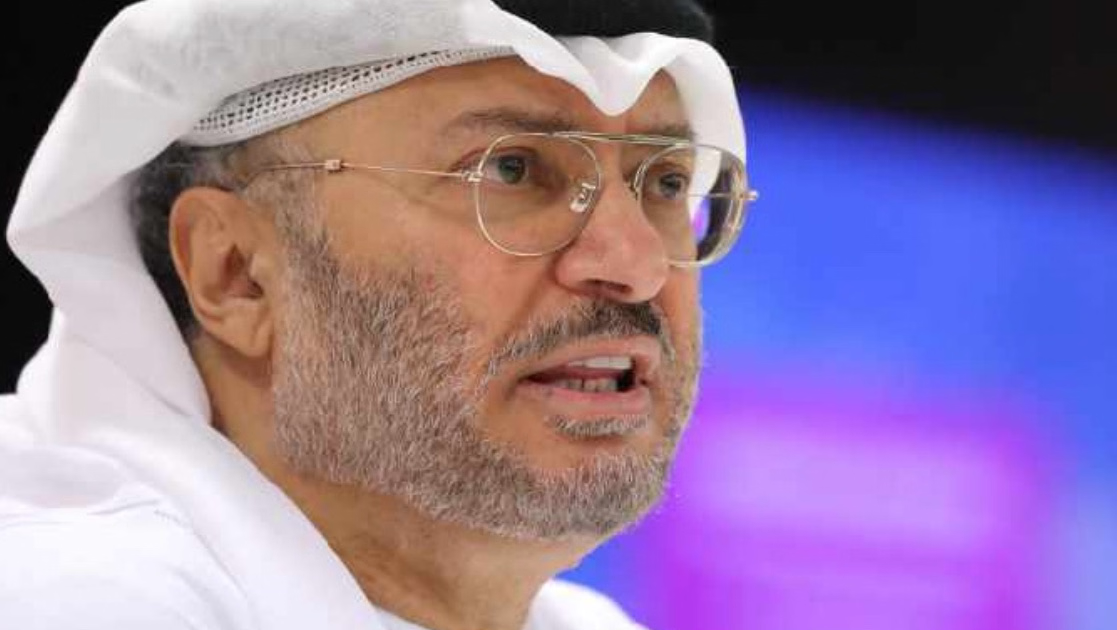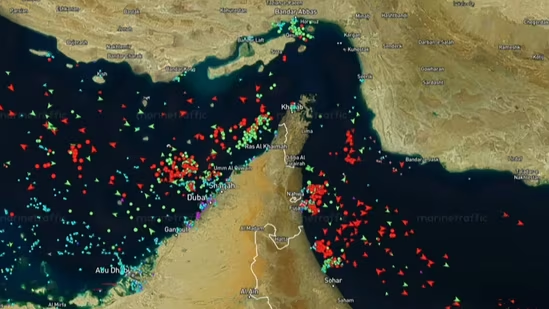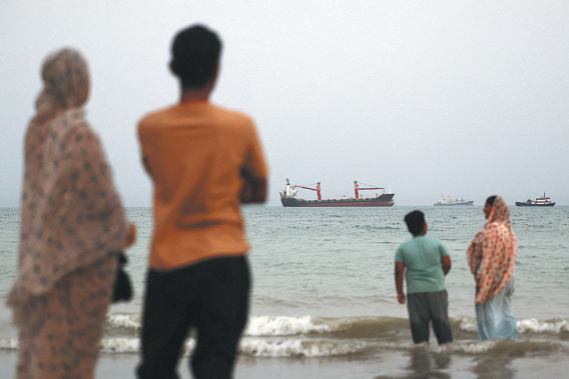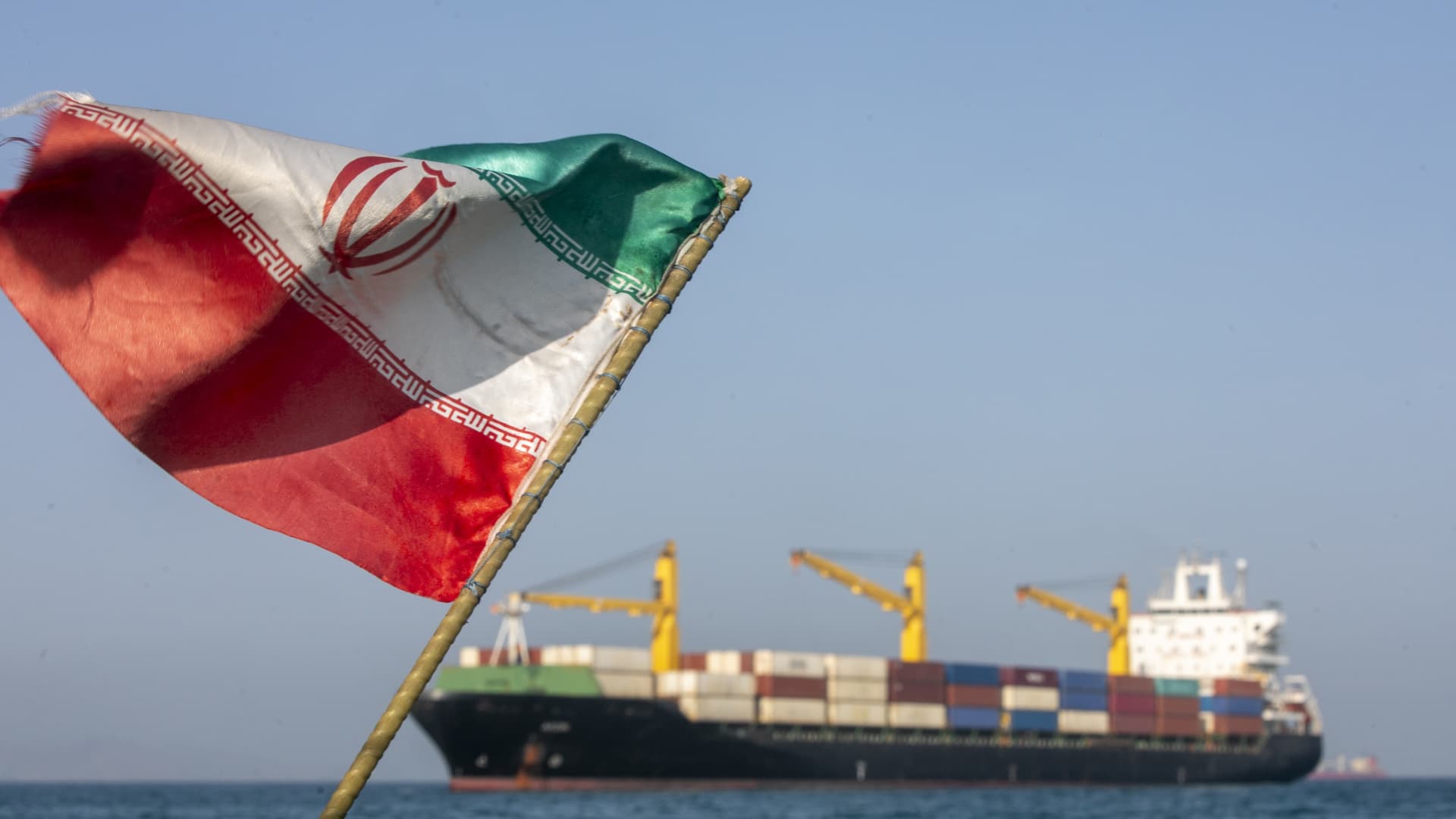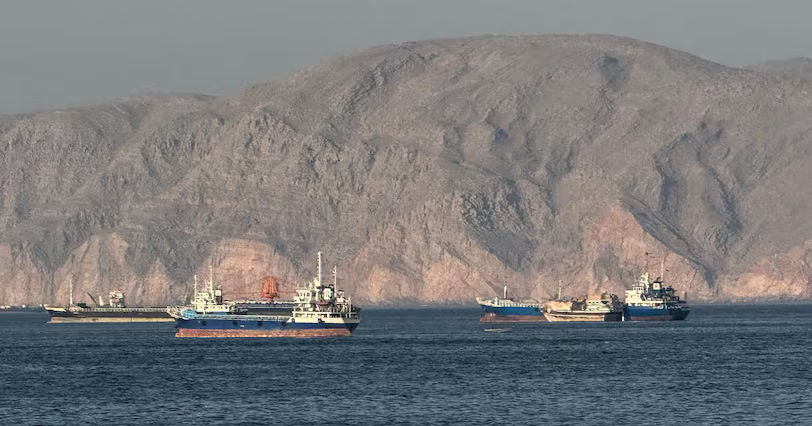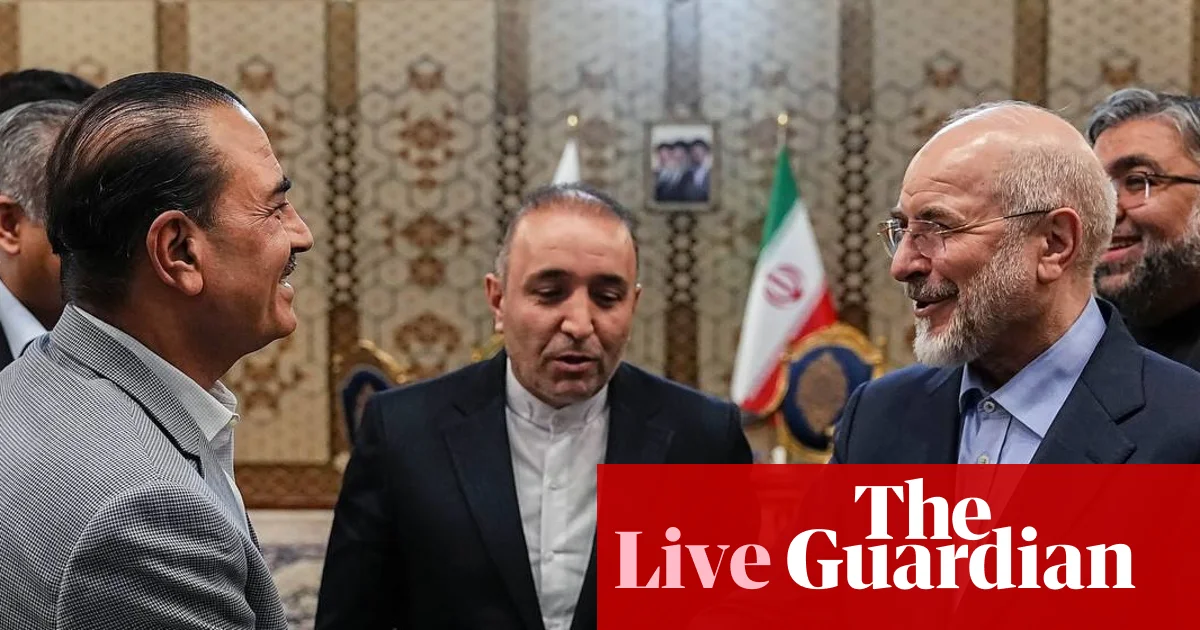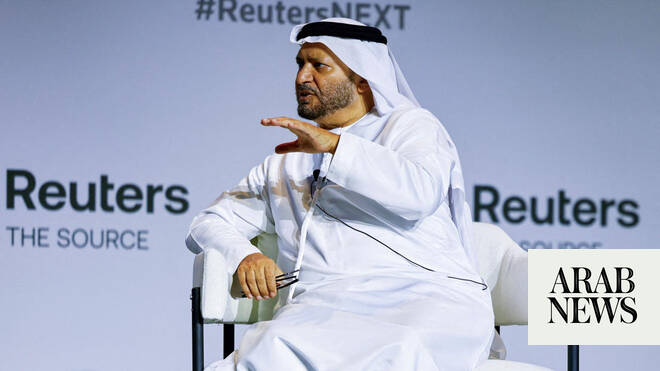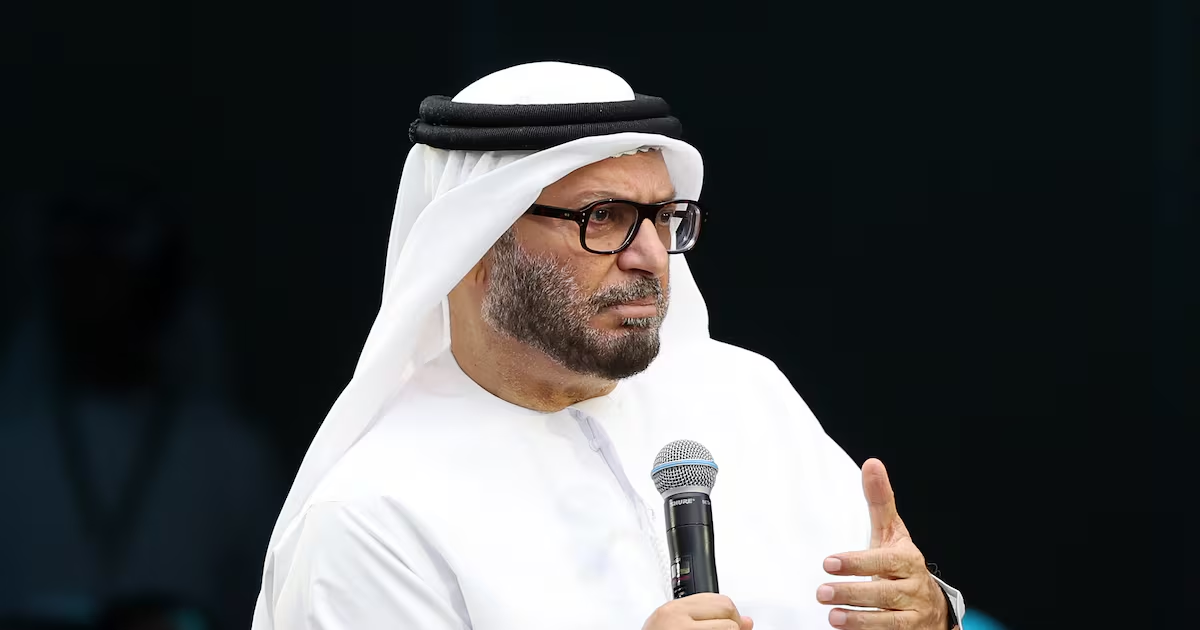
Live updates: Follow the latest news on Iran warDr Anwar Gargash, diplomatic adviser to UAE President Sheikh Mohamed, said there was a "50-50 chance" of a deal being reached in the Iran war.He suggested Tehran had "over-negotiated" in mediated talks with the US, but said such a tactic was "not new".US Secretary of State Marco Rubio on Friday said talks with Iran had made “slight progress”, but that all countries should reject its plans to impose a tolling system in the Strait of Hormuz."They've missed a lot of chances and have a tendency to overestimate their cards. I hope they don't do that because the region needs a political solution," Dr Gargash said at the Globsec forum in Prague. "Negotiations to reach a ceasefire and sow the seeds for conflict in the future isn't what we're seeking and [the Strait of] Hormuz needs to go back to the status quo."About a fifth of global oil and gas supplies normally flow through the strait, which Tehran has blocked since the start of the conflict. Allowing Iran to control the strait would set a "dangerous precedent", Dr Gargash said, given there are several critical waterways around the world. "The strait will be politicised in its hands," he added. "We want to see a political solution and we're worried about a political solution that would create further complications for the region – and the region would be more unsettled and problematic as we move forward."Iran's "Strait Authority" has declared a “controlled maritime zone” in the Gulf, publishing a map claiming control over areas that extend into the territorial waters of its Arab neighbours. Its claim of control in the strait is a breach of international maritime law.Tehran has a history of making maximalist claims over the waterway during periods of heightened regional tension, often using threats to energy shipments as a bargaining tool in diplomatic disputes.Its move to block the strait is seen by some observers as an attempt to influence negotiations on ending the war with the US and Israel, rather than an enforceable measure. Iranian ports are also subject to a US naval blockade.Dr Gargash was speaking days after the UAE said a drone attack on its Barakah Nuclear Energy Plant was launched from Iraqi territory. He criticised Iran's use of proxy groups in the region. "Iran has chosen a different way like forward defence through Hezbollah in Lebanon or the Islamic Jihad in Gaza or the Houthis [in Yemen]," he said.That approach is a "non-starter" and has brought havoc to the region. "This is the same sort of mentality of trampling over international law to increase influence and that's not how you handle yourself if you want to be a regional power," he added.Iran can "act responsibly" and be part of the region without antagonising its Arab neighbours, he said. Iranian Foreign Minister Abbas Araghchi met Pakistan's Interior Minister Mohsen Naqvi to discuss the prospect of ending the war, Iranian state news agencies reported on Friday. Pakistan is a key mediator between the US and Iran. Mr Naqvi has been in Iran since Wednesday, the Isna news agency said.Pakistani Foreign Minister Ishaq Dar said his country was "doing our best" to help Iran and the US reach an agreement. But despite US Secretary of State Marco Rubio saying some progress had been made, major sticking points remain, including Iran's uranium stockpile and its closure of the strait.
UAE's Gargash says Iran may have 'over-negotiated' with US, as peace deal hangs in balance | The National
Allowing Tehran to control Strait of Hormuz sets 'dangerous precedent', presidential adviser tells forum
567 words~3 min read