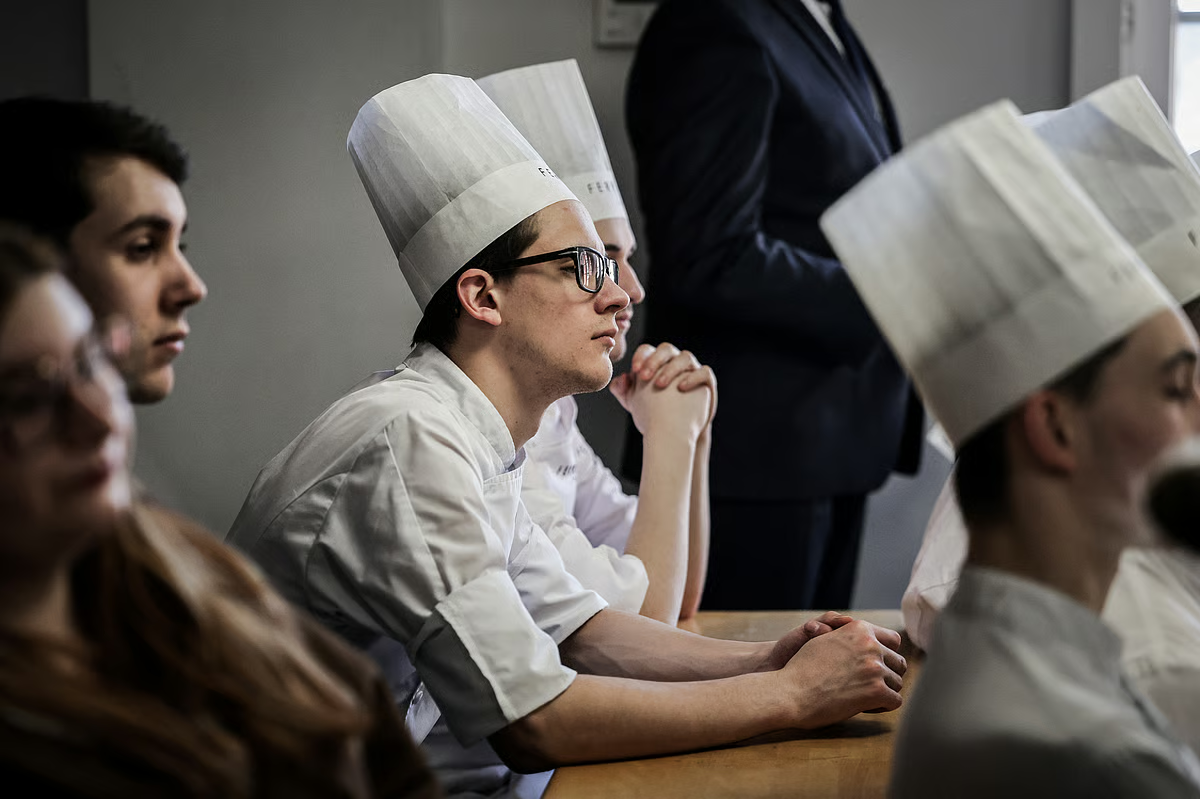
Current leaders must accept that the industry for which they were skilled no longer exists. Removing redundancies is an urgent consideration since economic empowerment, consumption culture and technology adoption are driving change. A simple, mostly regulated and static group of businesses has transformed into a globally relevant infrastructure sector, a juggernaut disrupting the skills required to thrive in a disrupted environment. Formerly, a loosely structured restaurant/hotel business sector from seven decades ago, grew indigenous/affordable local talent with simple common-sense skillsets for employment. Short, quick, certifications by WGSHA and THSC are focused on celebrating these indigenous skill sets like the cuisines of Udupi, a national benchmark. Since limited institutions existed then, focusing on vocational front-line skills was easy. Today that system has grown into a sophisticated ecosystem (1650+ locations, 937 private, 243 government, 38 public-private institutions) with a capacity of 20000 plus students annually. Yet over 50% of these seats remain vacant despite future projections for 3 million skilled jobs. Together we need to build three layers of aspiring hoteliers: leaders/management talent (10%), team leaders/supervisors (20%) and finally a highly skilled front-line workforce (70%) to survive.Current leaders in the hospitality industry must adapt to a transformed landscape driven by technology and economic shifts. WGSHA is committed to developing a skilled workforce through innovative education and industry partnerships, preparing students for future challenges in the sector.Stakeholder gaps need active redressal, only a few progressive institutions like MAHE’s WGSHA truly align with Gen-Z/Alpha workforce aspirations. All stakeholders need to come together to prepare a hybrid, tech-enabled, multi-disciplined talent pool to lead the sector sustainably. Past skillsets will not serve future micro-economies like hospitality, so change is imperative. We have a multitude of options including three prominent undergraduate degrees, hotel management, culinary sciences and a newly introduced twinning option with MAHE Dubai specializing in emerging hospitality and services management. The first two years at WGSHA Manipal transfers credits to MAHE Dubai. At WGSHA Manipal, there are three post graduate degrees, one each in cuisine, hospitality (including one exclusive cohort for working professionals) and dietetics & nutrition. There are multiple hybrid certifications for customized executive education, aside consulting solutions developed via design thinking approaches for industry, dovetailing research and development focus at MAHE. Building custom solutions to empower learning is a forte of WGSHA’s faculty members.WGSHA delivers a contemporary curriculum in outstanding infrastructure, with a fully compliant faculty student ratio of 1:18. The focus is on the quality of student experience. The student support systems and pastoral care with coaches, mentors and faculty members, in a residential setting is a USP. Students cherish lifelong memories, like thousands of alumni have enjoyed these experiences and remember them fondly as they occupy leadership positions in industry. This is what makes WGSHA #1. With MAHE’s digital learning solutions, tech-hybrid higher education needs active industry sponsorship and support. Ongoing skilling updates and interfaces are needed to keep talents abreast via proactive, quick, rapid and relevant certification. This is critical for frontline development. Internal re-skilling and re-certification are required to refresh talents that are in industry for years to enable active growth. We now rise as a Centre of Excellence for the Tourism & Hospitality Skilling Council.A robust interface between policy makers in government, industry sponsored/supported skilling programs and integration with host institutional laboratories will allow for higher levels of productivity. Creating custom solutions for empowering talent in our hinterlands needs creative and innovative approaches with support from policymakers to deliver results. WGSHA is very privileged to be a constituent unit of MAHE, a Deemed to be University, Institute of Eminence, awarded by the Ministry of Education with an A++ NAAC accreditation. With active leadership and a healthy industry interface with ITC Hotels Limited, a robust industry partner has supplemented WGSHA with a leadership drive for 40 years in 2026. WGSHA has progressive strategic plans for the growth of our programs, research and executive education. Our curriculum conclaves will integrate stakeholder groups to keep content, curriculum, delivery, assessment and evaluation on top priority by remaining cutting edge. We are investing in world-class technologies for talent mapping with lifecycle management approaches to handhold learners throughout life by engaging industry leaders.Research and innovation are dovetailed into creating subject matter expertise, ongoing process improvement for world-class student experiences as well as organizational development initiatives strengthening WGSHA’s position as a leader in hospitality education. Traditional hospitality and culinary education focused largely on vocational skills in the past. Our curriculum is enhanced by functional expertise in emerging areas like digital marketing, social media optimization and revenue strategy - subjects that industry leaders rely on, for scaling up successful businesses. WGSHARK Tank is our own alumni investment ecosystem. To prepare for future leaders, we need to build higher order thinking skills with strong robust human values to generate employability and employment. WGSHA’s curriculum integrates these modules to build strategic vision, technological dexterity and new-age competences to address global challenges. Sustainability, health, nutrition, safety, security and entrepreneurial cultures for start-ups are some areas that keep us ahead since result-oriented student driven clubs remain active.Multidisciplinary learning in areas like quantitative techniques, supply-chain management, logistics, sustainability and numeracy for decision making are delivered in a university environment like MAHE. This is how the finest faculty/disciplines facilitate the evolution of the next- generation hoteliers as future business leaders, aside just operations specialists. Skilling encompasses every aspect of life from life skills to leadership skills; the skilling ecosystem needs to align business imperatives into curriculum design, stimulated by the greatest challenges that industry faces today. Design thinking is an empowering approach that each of our faculty members is certified in, to build future-proof exponential solutions. WGSHA has delivered on these priorities to gain leadership in hospitality education over the past four decades. As we march towards building service professionals to empower the country to gain prominence as one of the world’s top three economies, MAHE and WGSHA continue to build pragmatic solutions. May stakeholders come together to address global talent challenges in cuisine, hospitality and services to remain universally relevant today.The article is written by Prof. Satish Jayaram (PhD), Co-Creator, Cornell Certified CHRO Leader, and Principal, WGSHA.Note to the Reader: This article is part of Hindustan Times' promotional consumer connect initiative and is independently created by the brand. Hindustan Times assumes no editorial responsibility for the content.
Preparing hospitality professionals for a rapidly evolving industry
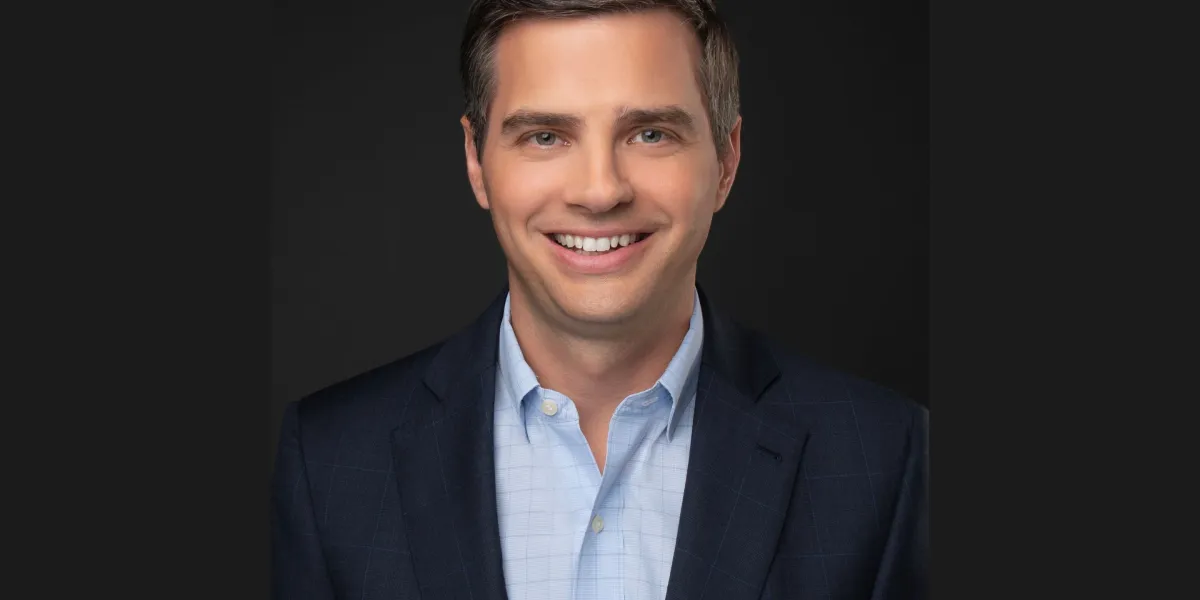
Prof. Satish Jayaram on the changing realities of hospitality education and skilling.
1,046 words~5 min read