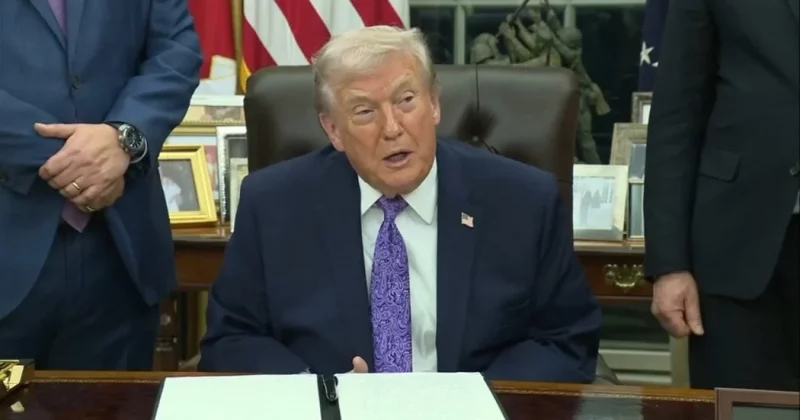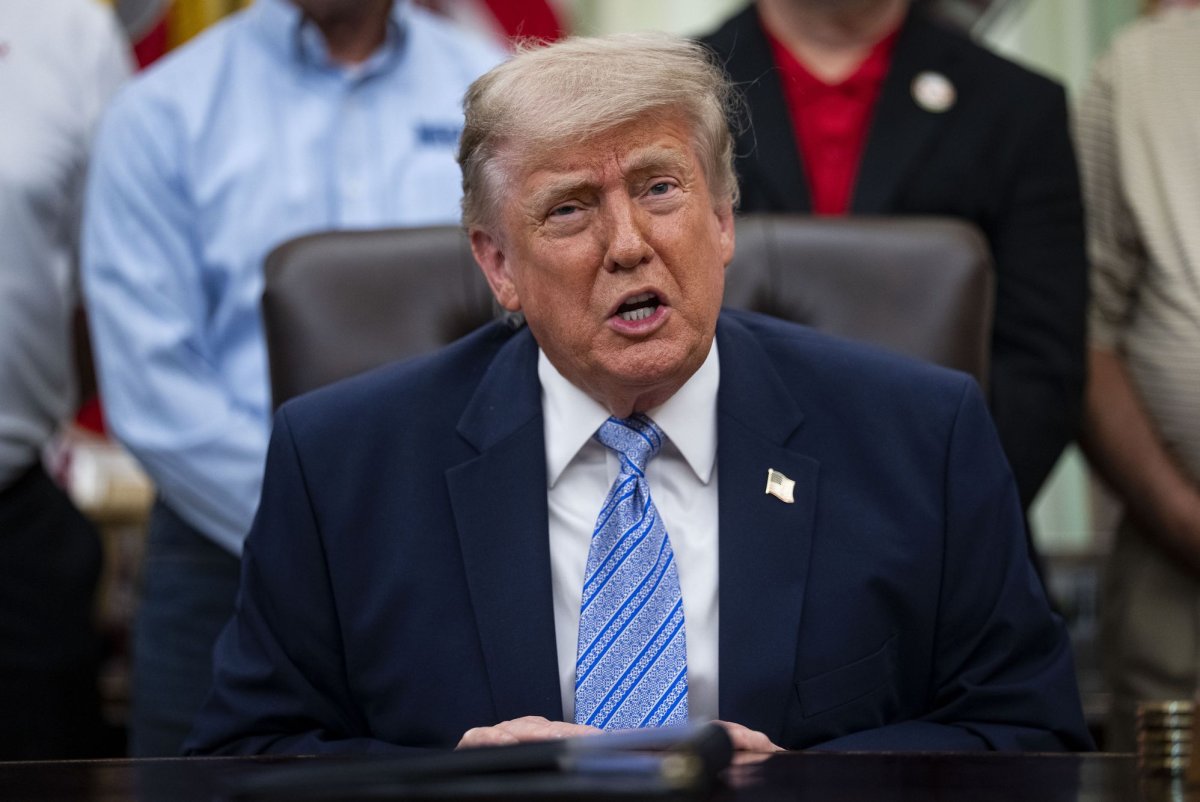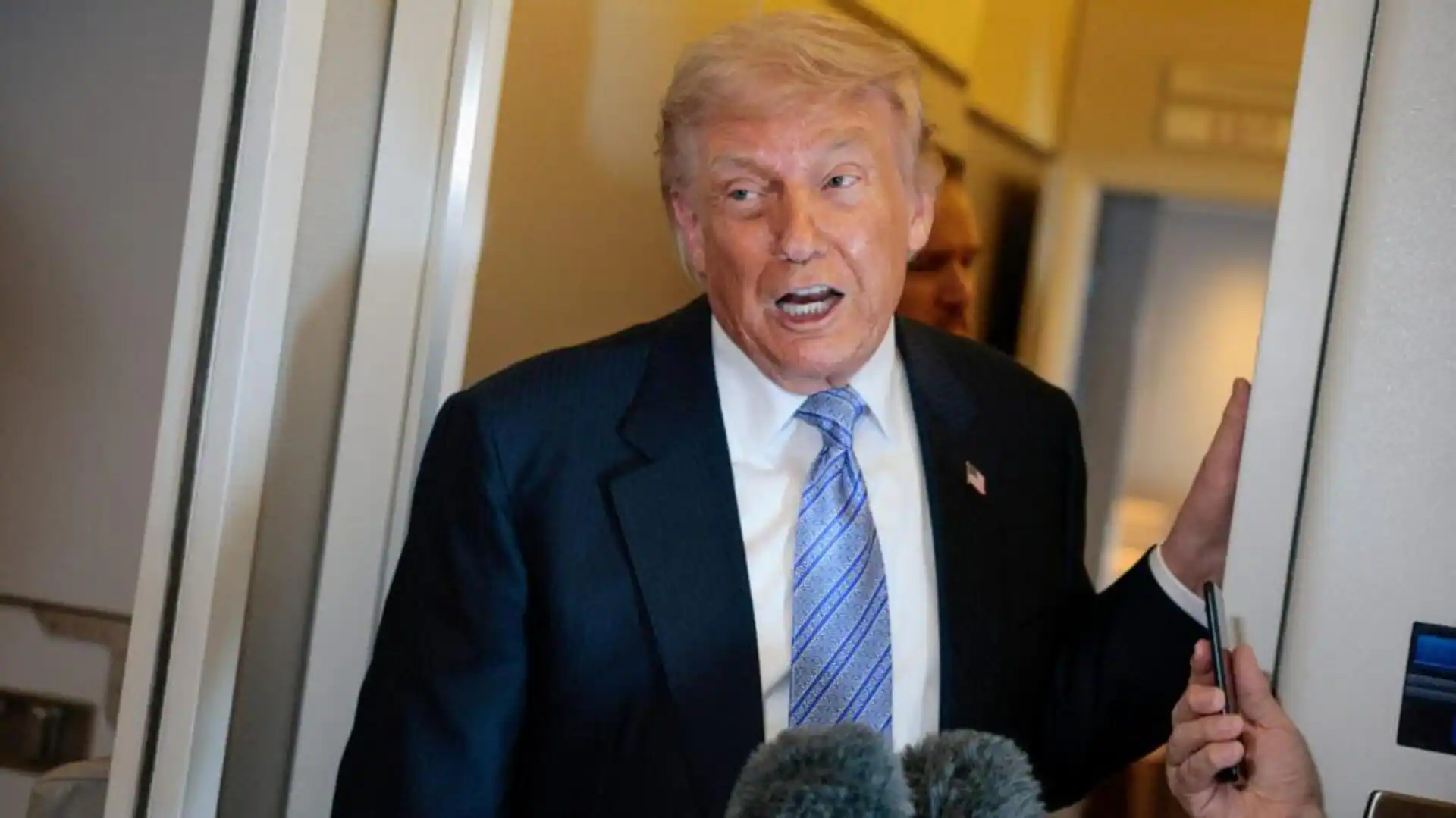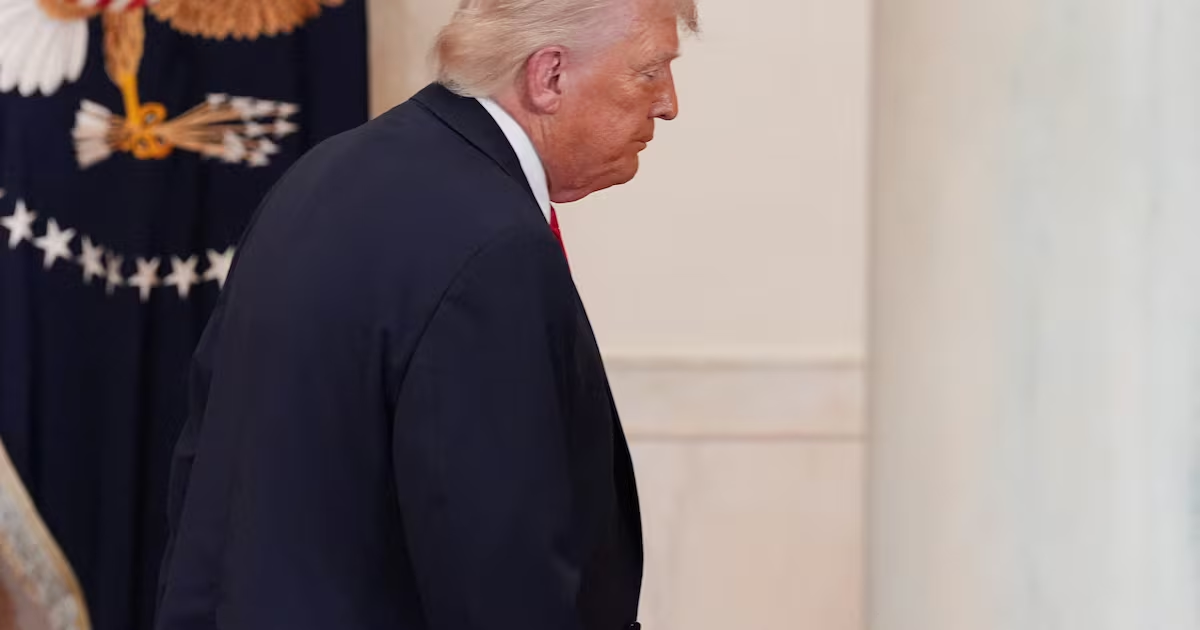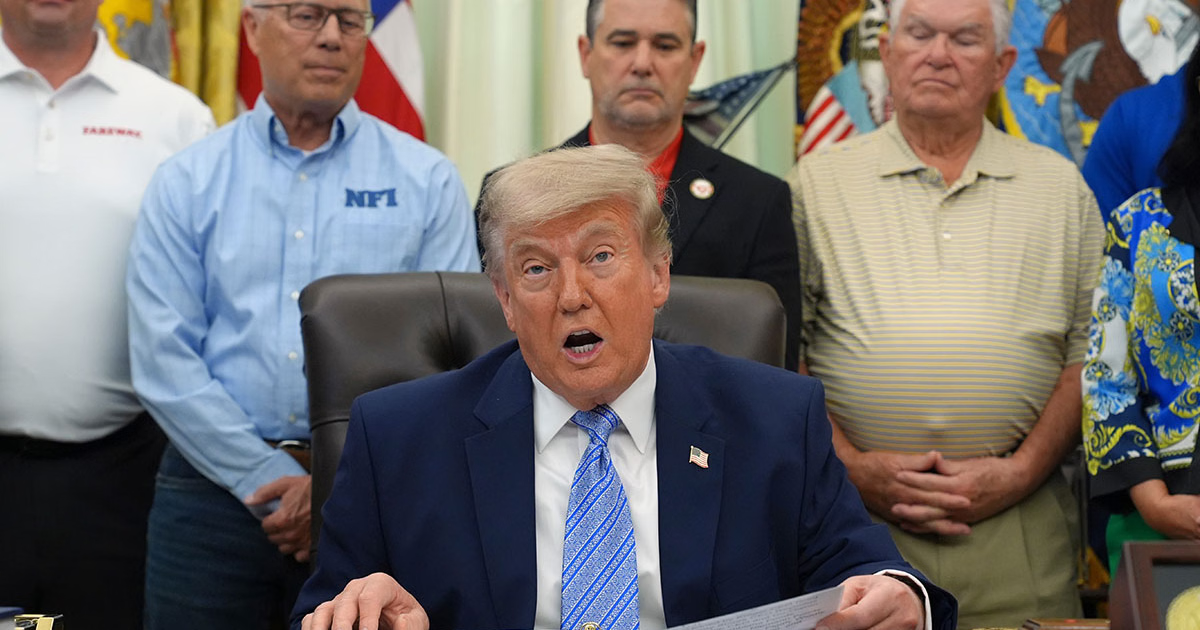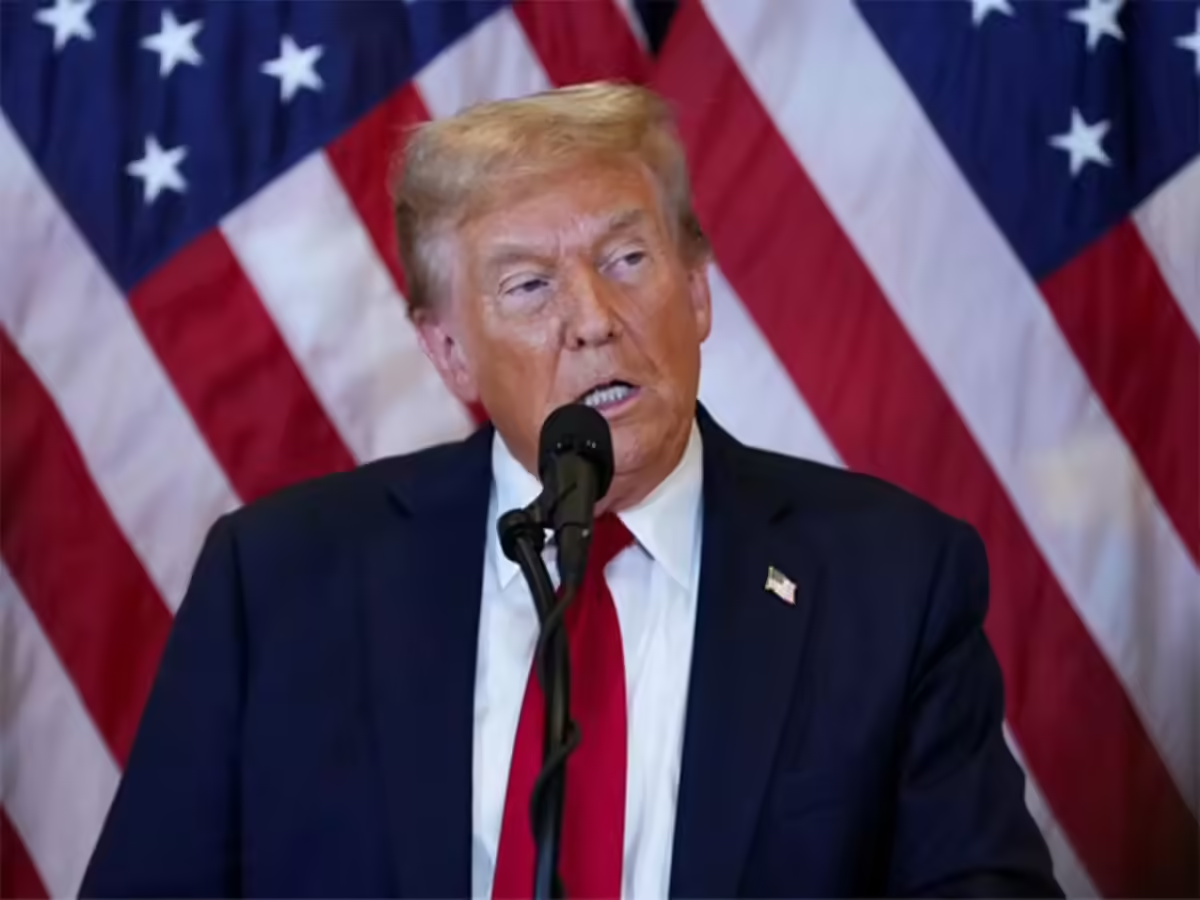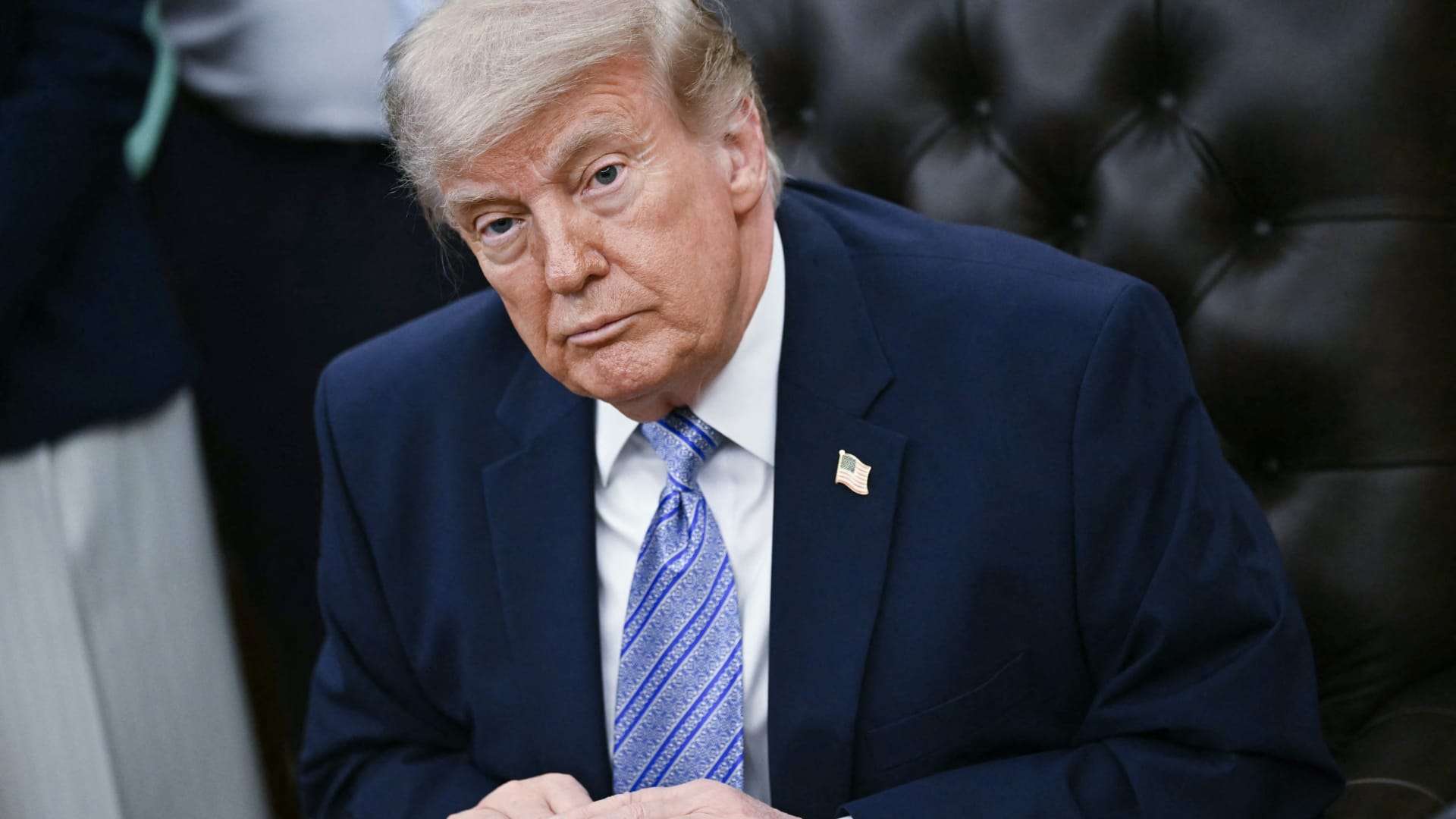
President Trump shelved a planned executive order on artificial intelligence on May 21, 2026, after concluding that parts of the draft could weaken the country’s competitive position against China. The signing ceremony was called off, and the order was sent back for revisions.
Here’s the thing: the executive order was supposed to be a victory lap for the administration’s AI agenda. Instead, it became a public example of how difficult it is to balance national security concerns with the breakneck pace of AI development.
What was in the draft order
The proposed executive order centered on a voluntary framework requiring developers of advanced AI models to consult with the US government before releasing them to the public. Think of it as a soft check-in system, not a hard gate, but a structured conversation between Washington and Silicon Valley before the next frontier model goes live.
Federal agencies would also have been directed to deploy advanced AI models to bolster cybersecurity across critical sectors, including banking and healthcare. The draft included 90-day security testing protocols for AI models, a timeline that would have created a standardized evaluation window before deployment in sensitive government applications.