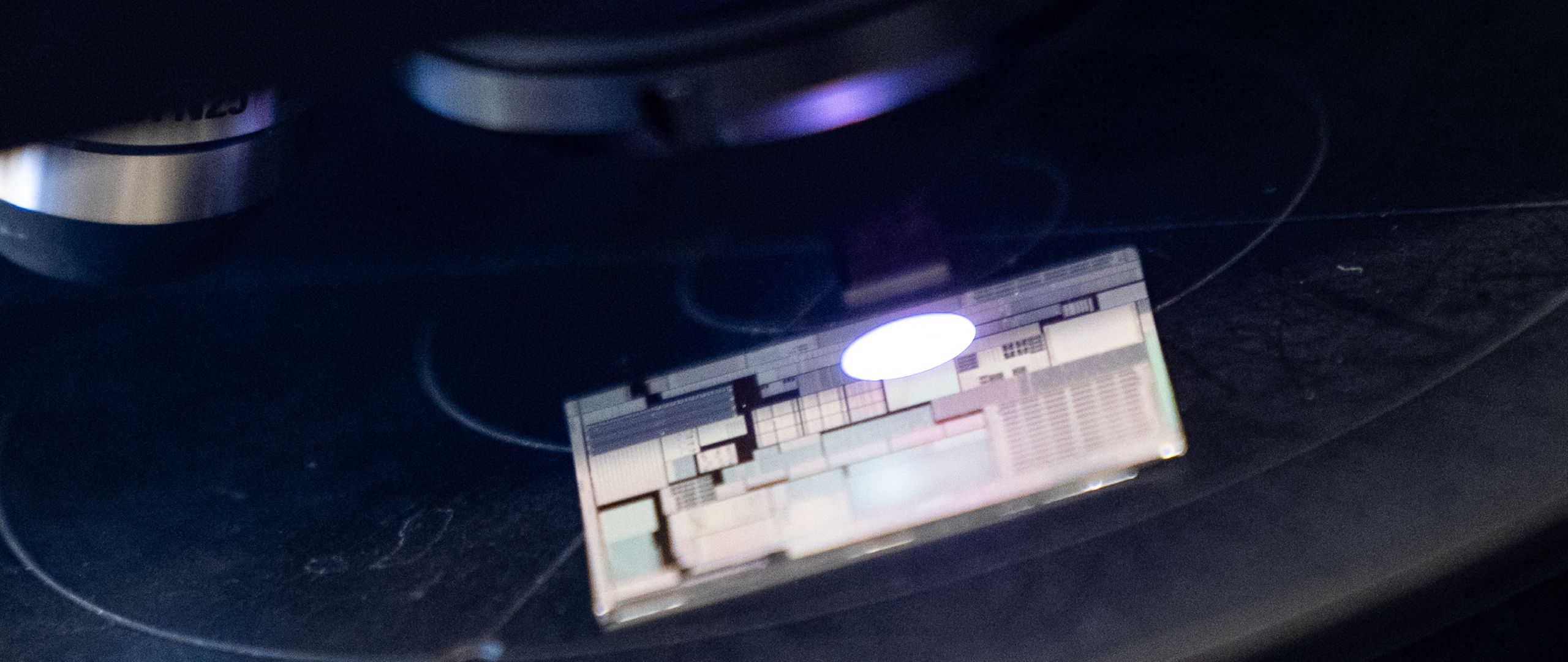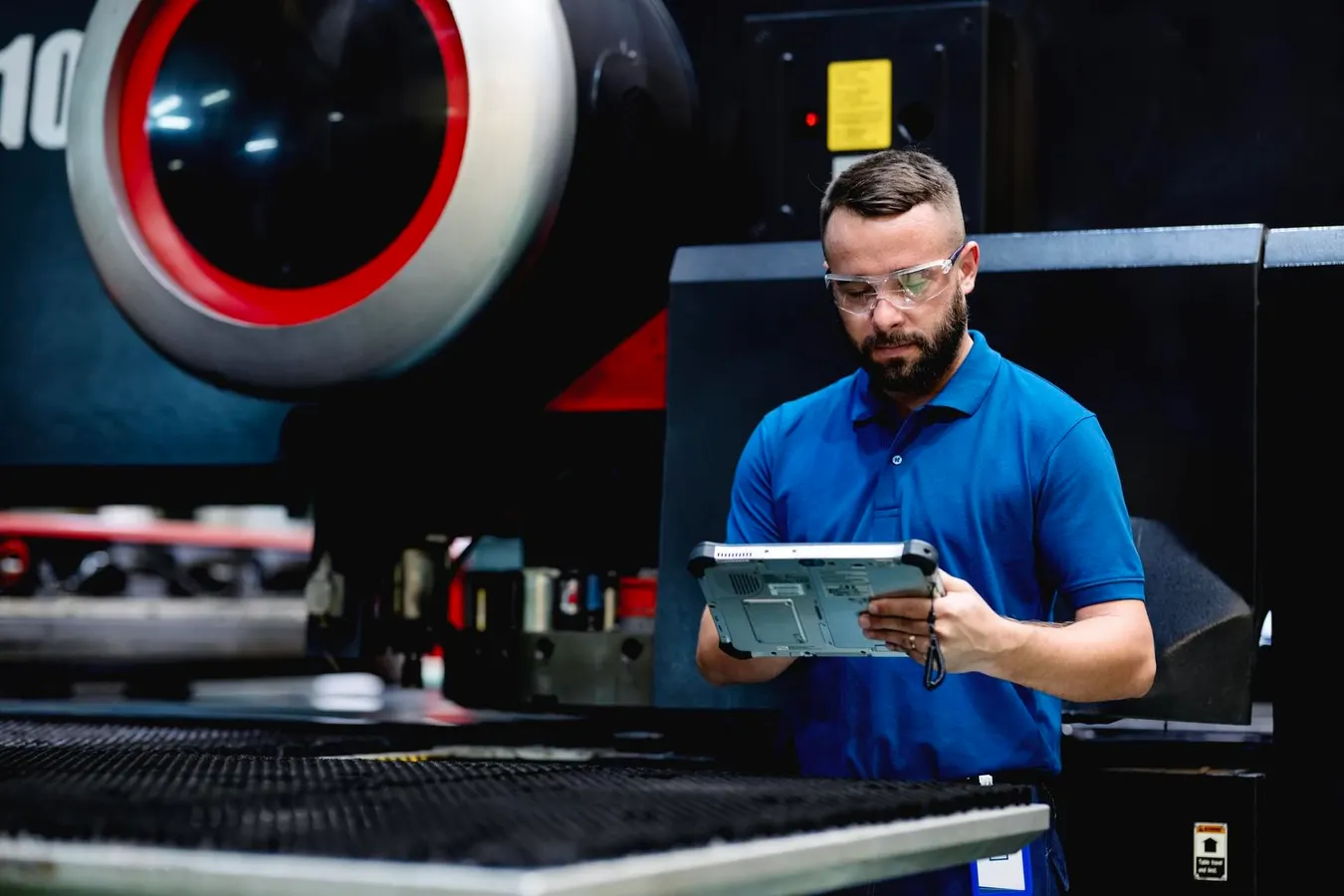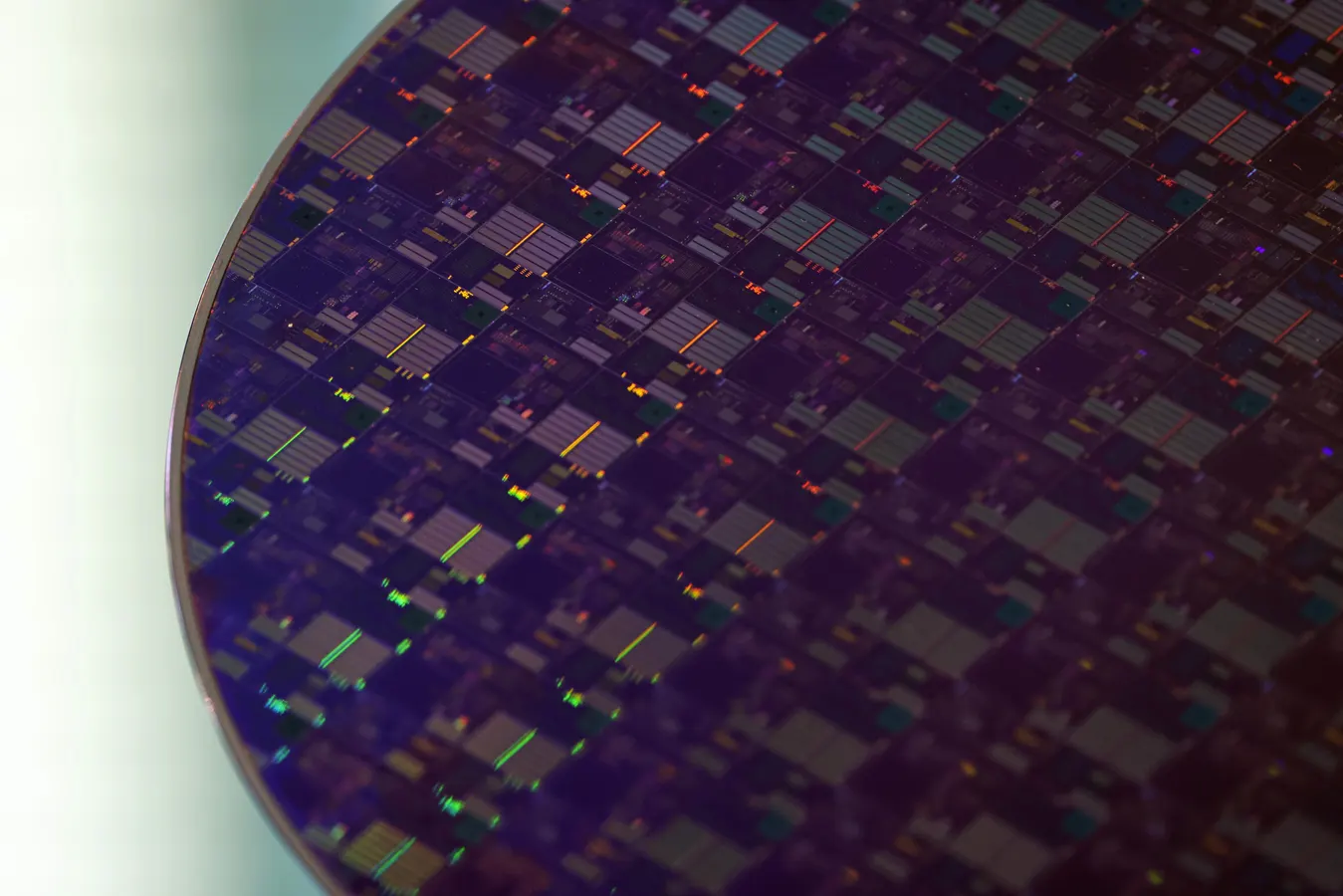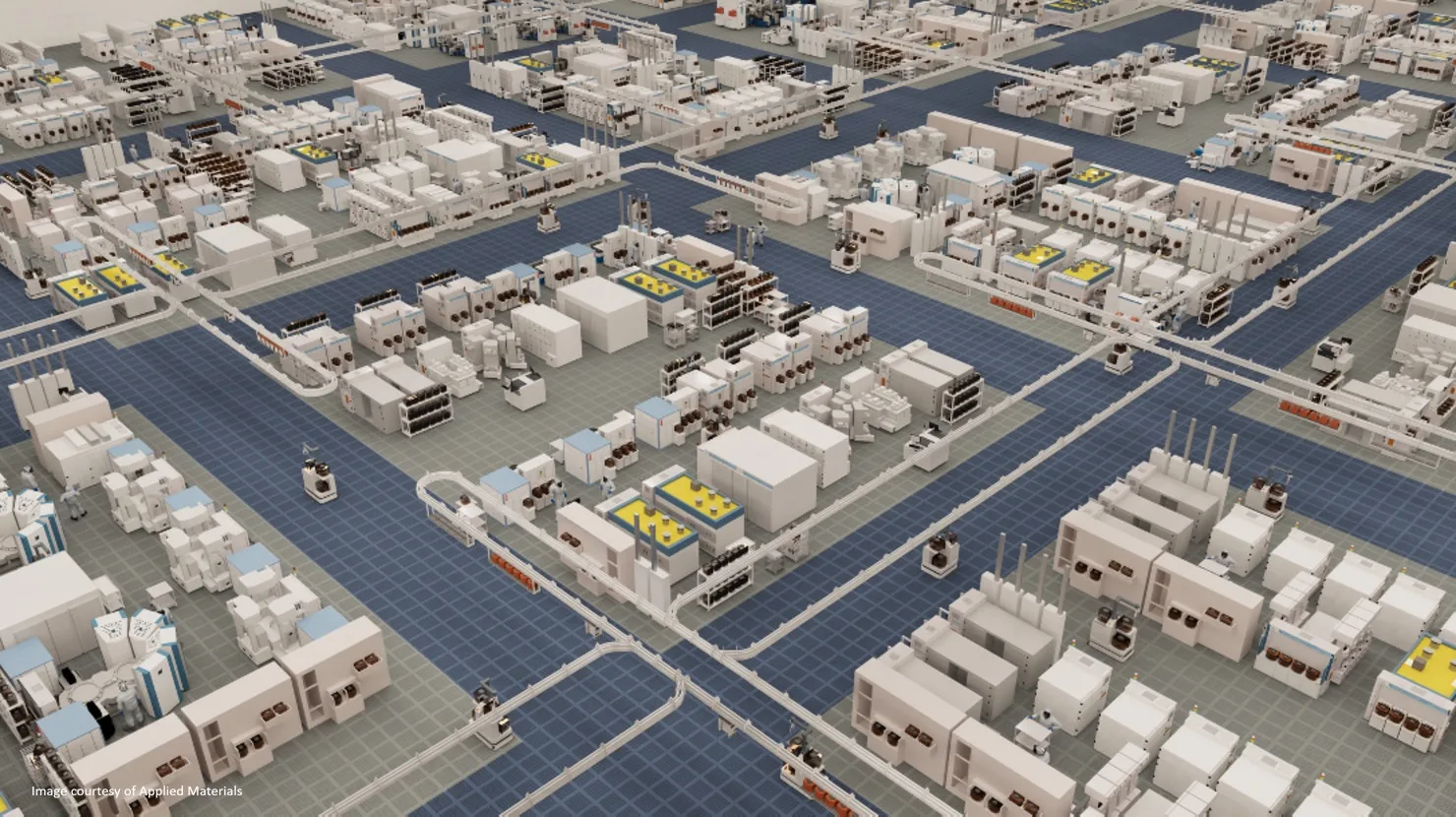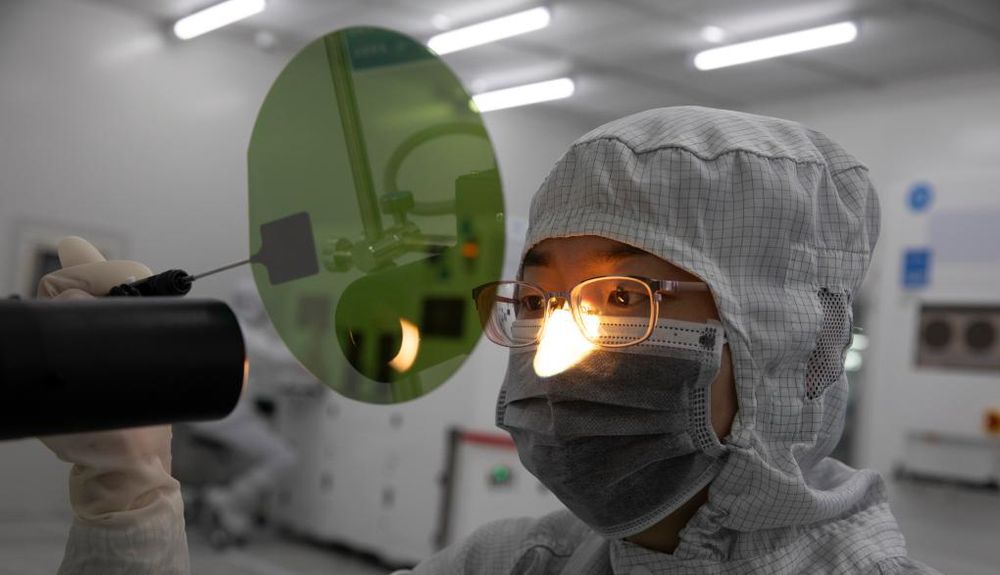
A staff member works at the workshop in the headquarters of TankeBlue Semiconductor Co., Ltd. in Daxing District of Beijing, capital of China
The semiconductor industry has never been a forgiving environment for slow decisions. Engineers are routinely buried under terabytes of yield data, process logs, wafer measurements, and failure analysis reports and every day brings a new problem that requires not just data processing, but genuine expertise and judgment. It is precisely this pressure that makes the conversation around generative AI in semiconductor manufacturing so important, and so easy to get wrong. The wrong conversation frames AI as a replacement. The right one frames it as a co-pilot.
There is a persistent anxiety in technical industries that AI will eventually render skilled engineers redundant and that machines will simply do the analysis faster, cheaper, and without the professional overhead. In semiconductor manufacturing, that anxiety misreads both the technology and the nature of the work.
The reality is more nuanced, and ultimately more optimistic. Generative AI is at its most powerful not when it operates independently, but when it works in close collaboration with the domain experts who understand what the data actually means. AI can surface patterns in a dataset of millions of wafer measurements in seconds. But it takes an experienced engineer to know whether that pattern reflects a genuine process anomaly or a known artefact of a particular measurement tool. Speed without judgement is just noise generated faster.