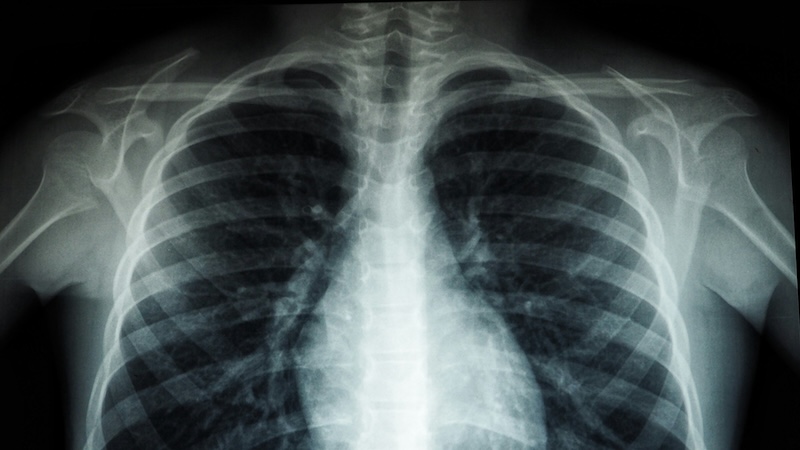
The Art of the Book X-Ray
This first appeared in Lit Hub’s Craft of Writing newsletter—sign up here.
Here’s a nifty tool I’ve devised which authors might want to try out for themselves. It’s free, easy to use, and reveals the underlying narrative structure of a book, much like a medical diagnostic. I call it a book x-ray.
I realized the need for it at a particularly fraught juncture in the editing process of my new memoir, “A Room in Bombay.” After a year of rewrites, my editor Jill Bialosky (of W.W. Norton) still felt that the first part of the book didn’t connect well enough with the rest. She also thought that the main thrust of the story, the relation between my mother and me, was in danger of getting lost for readers amidst competing strands.
I could see her point, which jibed well with general advice about focusing on a single narrative for memoirs. Moreover, I knew from working with Jill on all four of my previous books (even, bless her heart, the one on popularizing math she bravely took on) that she has an uncanny sense of what will work with readers. And yet I had a gut feeling that my alternate vision of the book was just as viable. But how to prove this to Jill? Or, for that matter, even myself?