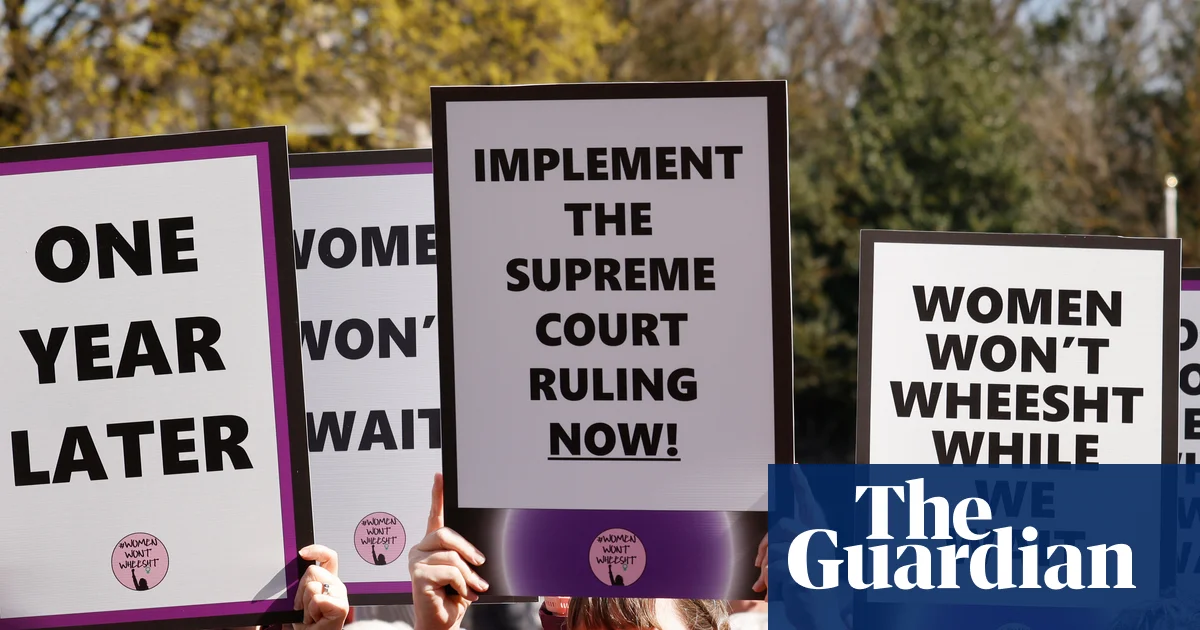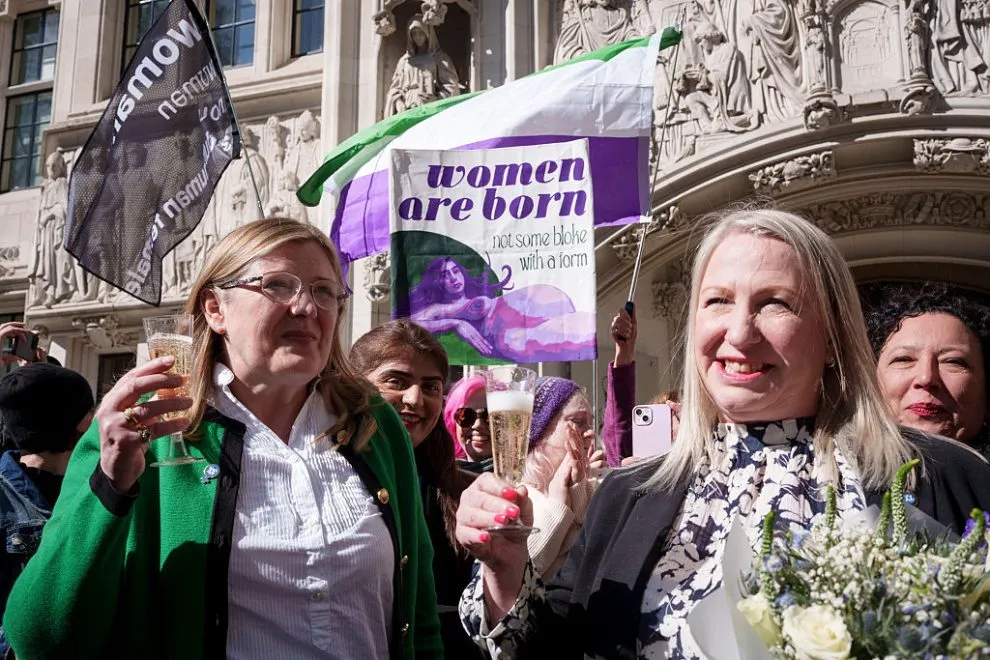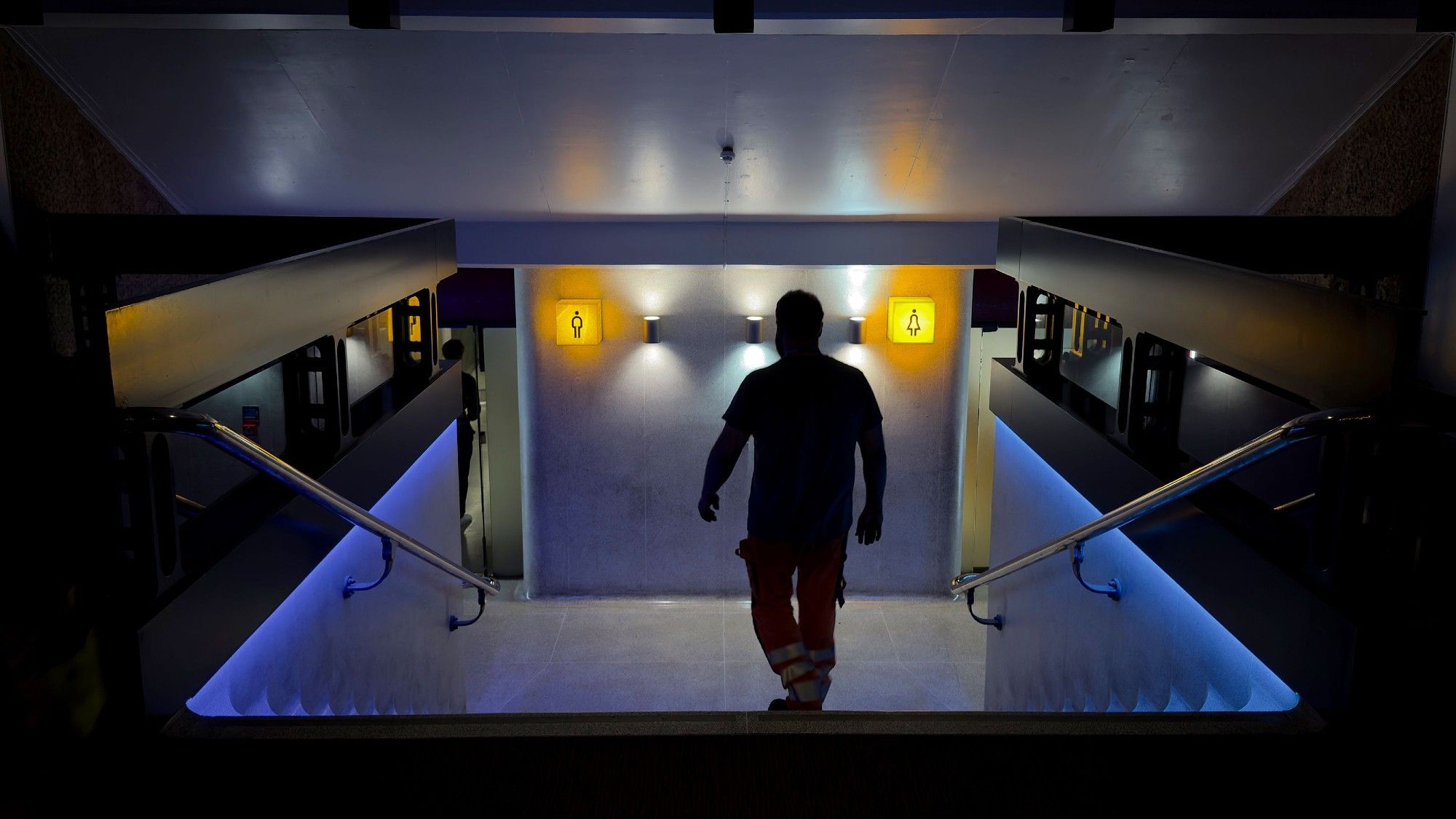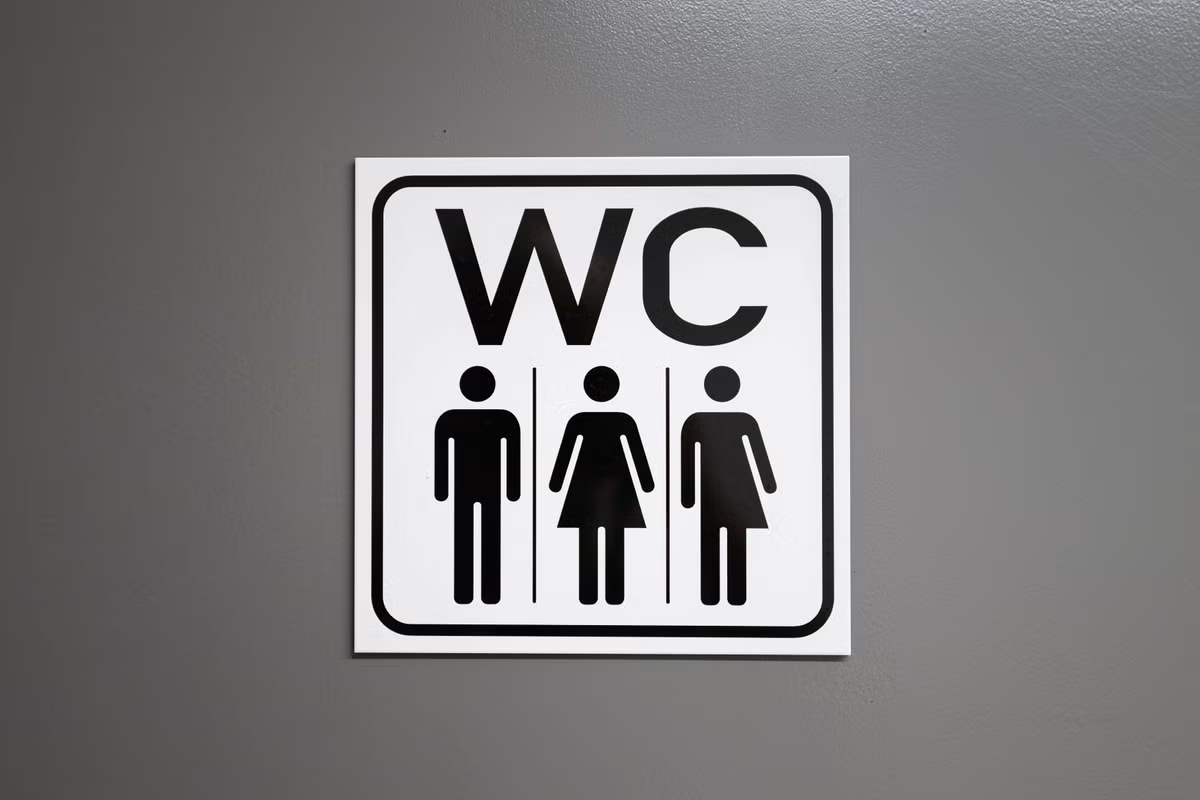
The head of Britain's equalities watchdog has called for a 'common sense approach' to toilet provision as new EHRC guidance confirms single-sex services must be based on biological sexLauren Gordon Emerging Audiences Editor and Aine Fox and Stanley Murphy-Johns Press Association10:21, 22 May 2026The head of Britain's rights watchdog has urged a "common sense approach" to toilet provision as newly-released guidance confirmed single-sex services must be based on biological sex.The updated guidance has been released more than a year after a landmark Supreme Court judgment in April 2025 which ruled the words "woman" and "sex" in the Equality Act 2010 refer to a biological woman and biological sex.The new code addresses a variety of scenarios from sport, where it states trans people should compete alongside others of their birth sex rather than gender identity, to hospital wards, which it says can lawfully exclude trans patients if single-sex.An NHS spokesperson has said they will review the updated code "with the aim of publishing draft guidance for the health service shortly".For Women Scotland, who were behind the Supreme Court judgment last year, welcomed the publication of the long-awaited guidance as a "significant milestone in ensuring women's rights are upheld and protected".READ MORE: LGBTQ+ groups call on new Health Secretary to reverse restrictions on trans healthcareREAD MORE: Hampstead Heath bathing ponds to stay trans-inclusive with privacy upgradesHowever, the Trans+ Solidarity Alliance argued the new code has an "exclusionary core" and could risk "pushing trans people yet further out of public life".The guidance, which was released on Thursday evening on the final day before Parliament broke off for recess, reads: "In separate or single-sex services, a trans man will be excluded from the men-only service because his sex is female, and a trans woman will be excluded from the women-only service because her sex is male."The guidance, produced by the Equality and Human Rights Commission (EHRC), also indicates it can be considered legitimate, in limited circumstances, to request someone to confirm their sex, though this must be done "as sensitively as possible, and must respect their privacy".Regarding toilets, which the commission describes as "necessary for everybody", the code states that it would be "very unlikely to be proportionate to put a trans person in a position where there is no service that they are allowed to use".It states it is "unlikely to be either practical or appropriate to approach any particular individual to make enquiries about their sex in relation to facilities, such as toilets, which are incidental to the primary service".While the Trans+ Solidarity Alliance appeared to suggest the guidance was "worryingly similar to a US bathroom ban", commission chairwoman Mary-Ann Stephenson dismissed any notion of toilet policing and urged common sense to prevail.She said: "I think we have to have a common sense approach to this. We've had separate toilet services for women and men for decades, and we don't have people on the door checking who goes in."She explained that unisex facilities such as self-contained lockable cubicles could be offered for trans people "who can't or don't want to use the services for their biological sex".She added: "The code makes it very clear that it wouldn't usually be proportionate to be going up and asking people about their sex in toilets in a train station or shopping centre."Women and equalities minister Bridget Phillipson said the Supreme Court ruling had "made it clear that sex means biological sex" under the Equality Act, "and that trans people are still protected by the Act".The Government stated the new code "gives organisations clear, workable guidance which will enable them to take a pragmatic approach to protecting and serving the needs of our society" and supports service providers such as hospitals, cafes and leisure centres "in ensuring they can make practical, and ultimately sensible decisions for every day scenarios, such as toilet provision".The code of practice for services, public functions and associations, spanning more than 300 pages, encompasses nine protected characteristics including age, sex, disability, race and gender reassignment, and has been comprehensively updated for the first time since 2011.Ms Phillipson, in a written statement to Parliament, said: "This Government is proud of the Equality Act 2010 and will protect and uphold it; this Code is an important step in ensuring that organisations across Great Britain have clear guidance regarding its implementation, protecting people's rights across our country."The Conservatives said the publication had comes "after months of dither and delay" and claimed only their party has "the team and plan to protect single-sex spaces and stand up for the safety of women and girls".The code of practice, which would be applicable throughout England, Scotland and Wales, has now been presented to Parliament for examination by both MPs in the Commons and peers in the Lords. It will not come into force for 40 days.Article continues belowMs Stephenson said she recognised there are "strongly held views throughout our society" about balancing people's rights in law, but characterised the code as offering "legally accurate, practical guidance" to service providers. She said: "What we've done in the code is try and show how you can both provide single-sex services, but also make sure that trans people aren't left without the services that they need."
New single-sex space guidance faces backlash over similarities to US laws
The head of Britain's equalities watchdog has called for a 'common sense approach' to toilet provision as new EHRC guidance confirms single-sex services must be based on biological sex
865 words~4 min read