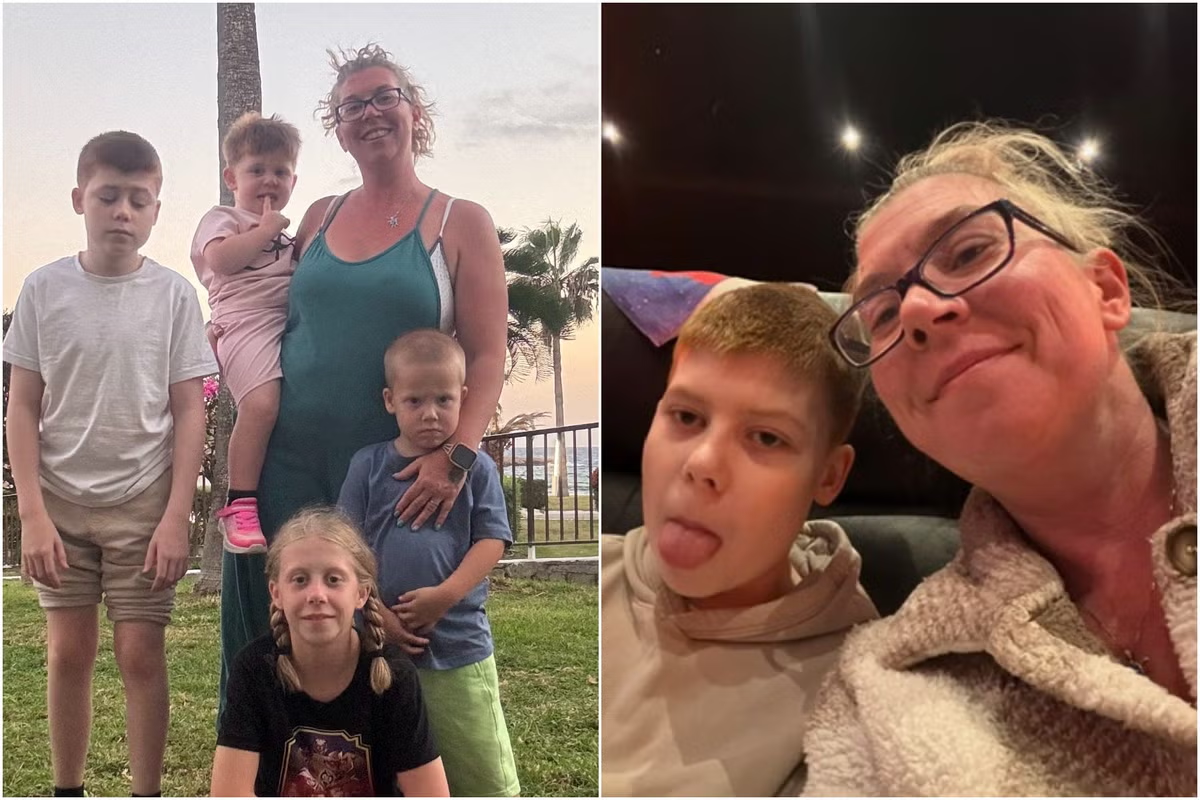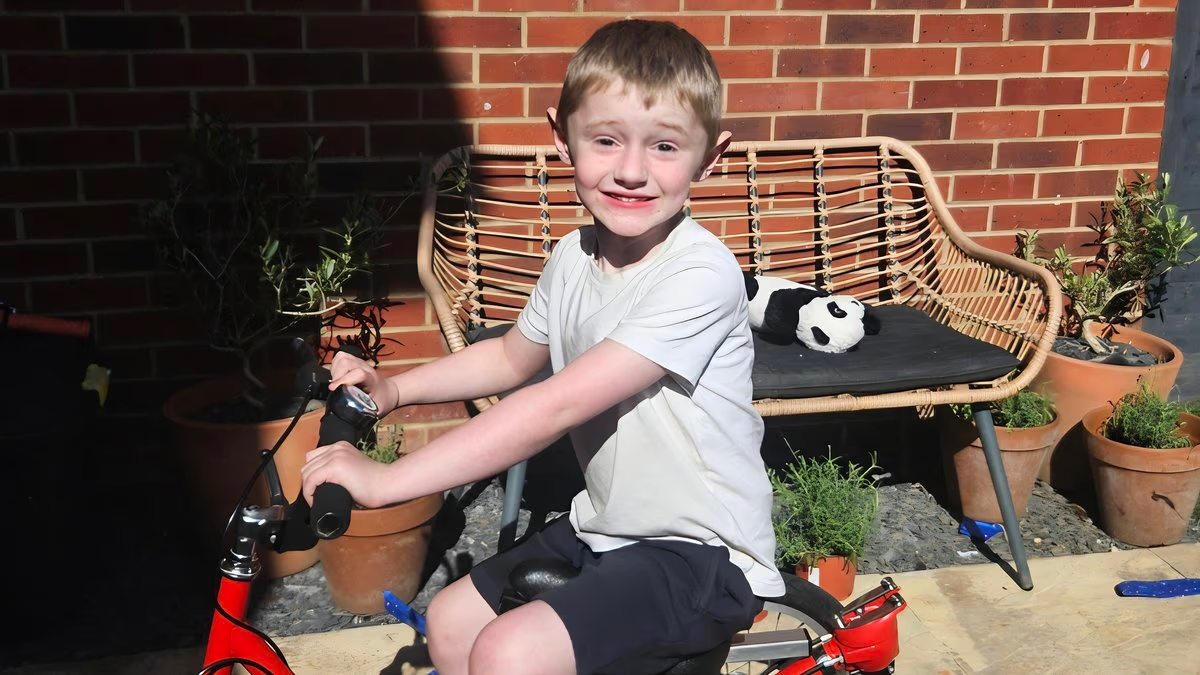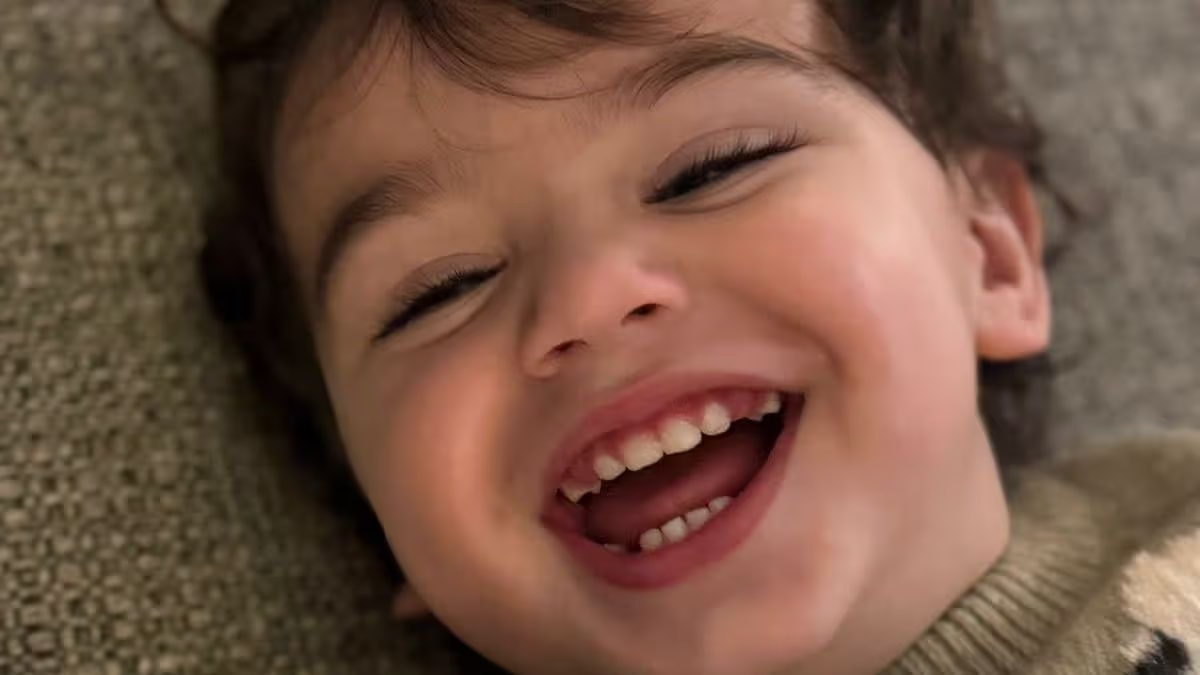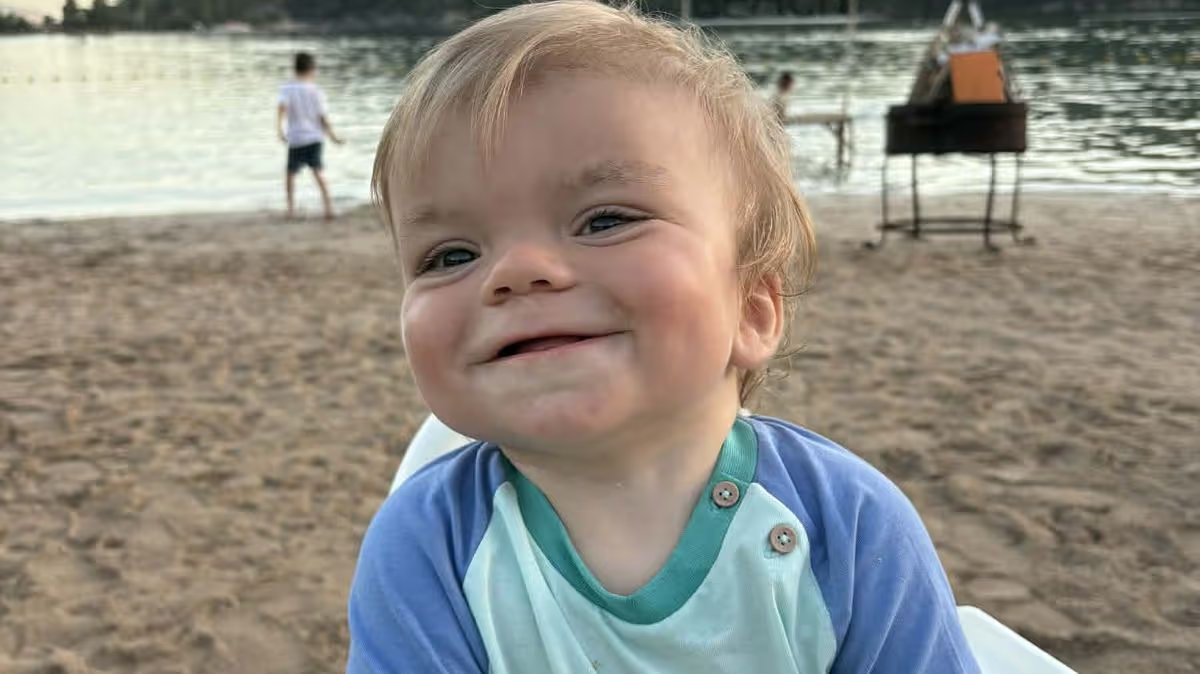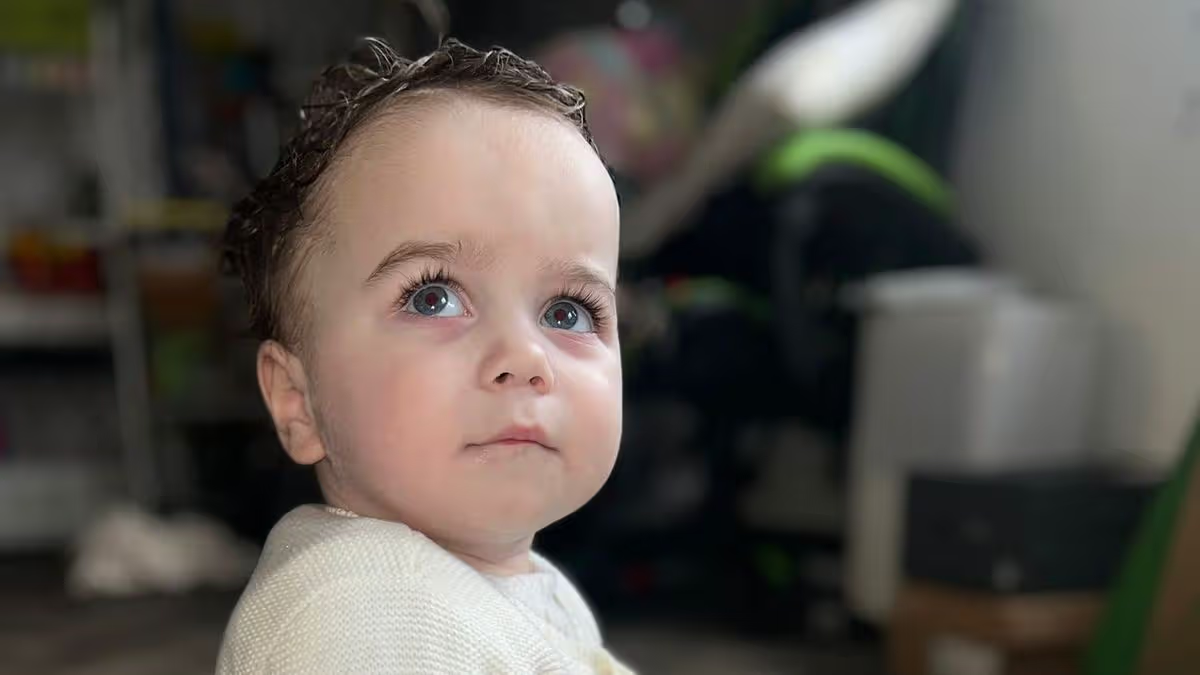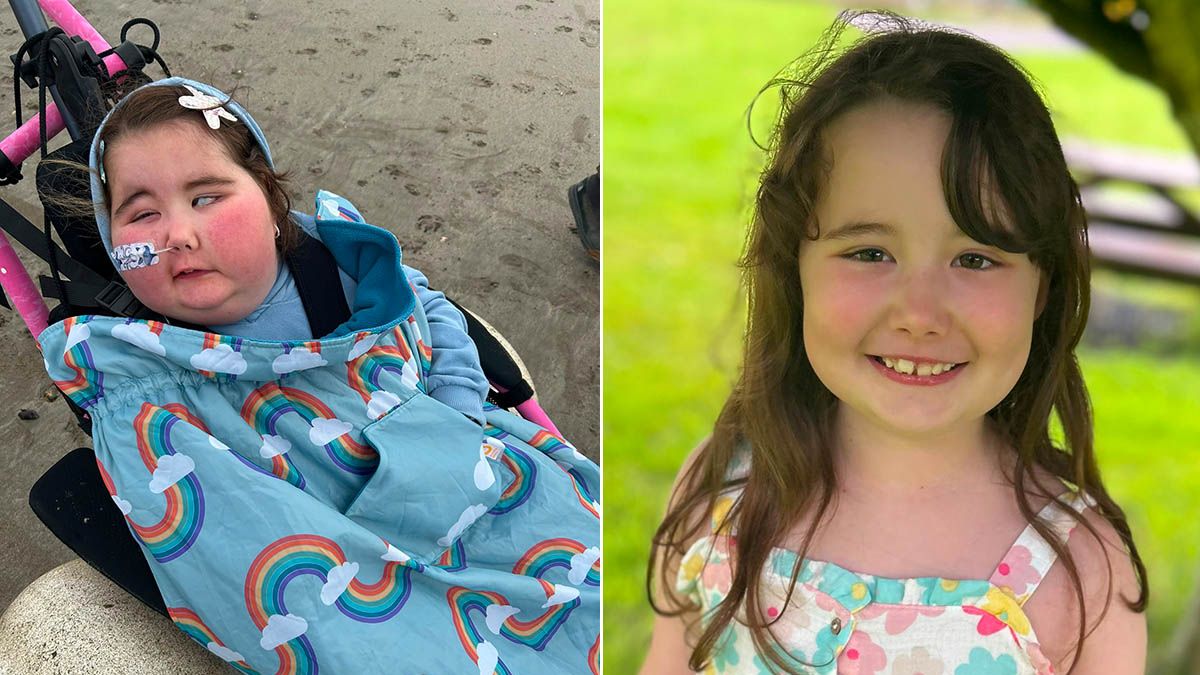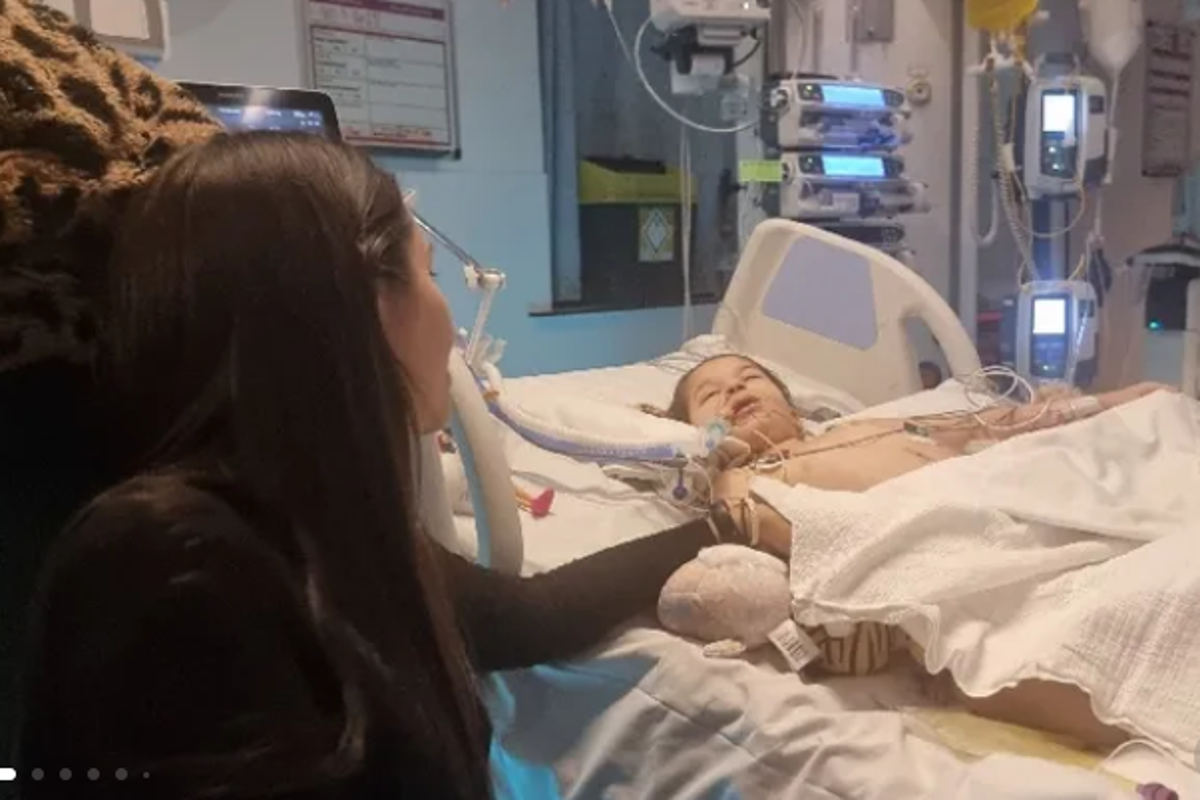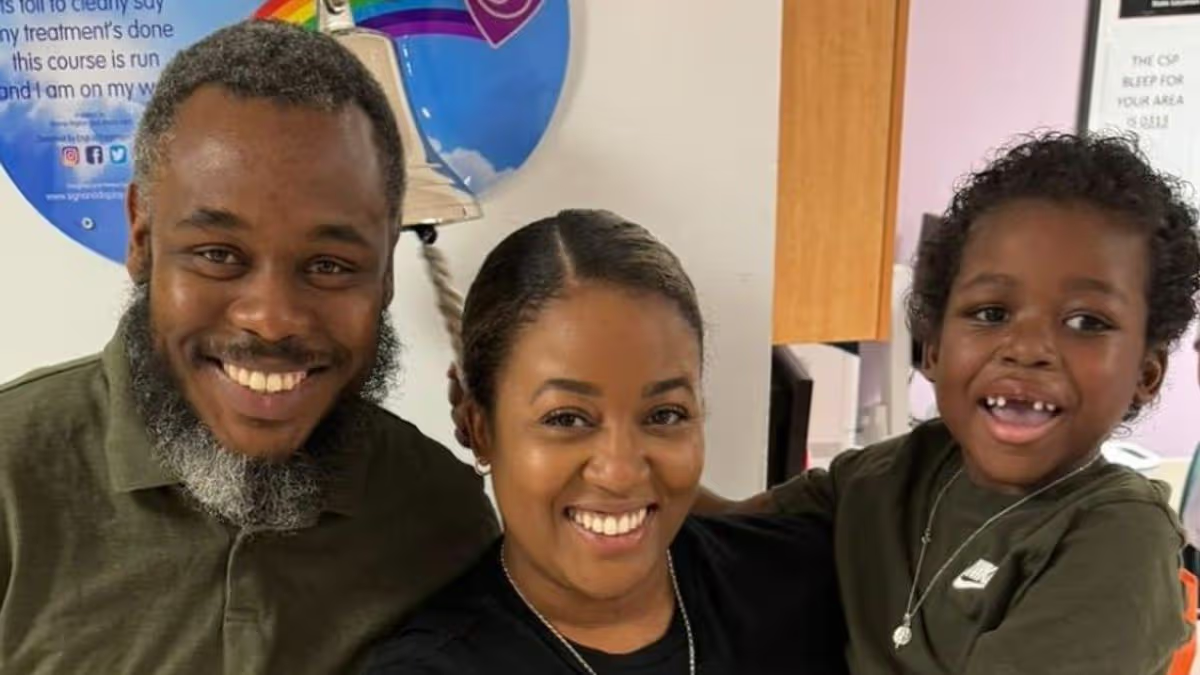
Sebrina Limrick noticed a change in her son Amari in May 2022, with the little boy sleeping more and not wanting to do his favourite activities – he was later diagnosed with rare paediatric autoimmune encephalitisLauren Gordon Emerging Audiences Editor and Camilla Foster Press Association10:44, 22 May 2026Updated 10:45, 22 May 2026A mum thought her "world was over" when her three-year-old son was diagnosed with a rare autoimmune condition that attacked his brain, rendering him unresponsive and leaving her with the harrowing sense that "he wasn't there".Throughout a two-year admission at Great Ormond Street Hospital, Sebrina Limrick's son, Amari, had to relearn how to walk and talk following his diagnosis with encephalitis.Encephalitis is inflammation of the brain, caused either by an infection invading the brain (infectious encephalitis) or by the immune system mistakenly attacking the brain (post-infectious or autoimmune encephalitis), according to Encephalitis International. In Amari's case, it was the latter.Sebrina first detected a shift in her lively and cheerful son back in May 2022. "He was the sort of boy who was always outside running around, but then he started to sleep a lot," Sebrina, 35, said. "He suddenly didn't want to leave the house and didn't want to do any of his favourite activities, which made me a bit more concerned.READ MORE: 'Adored' lorry driver, 32, dies with 'stomach leak' - he 'suffered so much'READ MORE: Gut health doctor Megan Rossi lists three ways to stop bloating when flying"One night he woke up and was just staring in the corner of the room, and was babbling but I couldn't understand what he was saying, that then led me to ask him questions like, how old are you? What's your name? Where do you live? When is your birthday? These were questions that he was able to answer before, but he was just looking at me like he had no idea what I was saying."This prompted the worried mum to ring 111 and make her way to hospital on May 10, where she became increasingly convinced "that something must be going on with his head and his brain".'I felt like my world was over'Initially, doctors sent them home after attributing Amari's symptoms to an infection, but Sebrina said she began pushing for further answers when Amari started vomiting several hours later."At this point, I was getting incredibly frustrated," said Sebrina. "When we were finally seen, I showed the doctor videos of what he was usually like, compared to what he was doing at the time. We were fortunate enough that a doctor on call that night consulted our doctor and said: 'I think I know what this is. I think he has encephalitis'."While awaiting a spinal examination to confirm the diagnosis, Amari began drooling and suffering seizures."I kept speaking to him and singing to him so that he would know that I was there, because it felt like he wasn't there," said Sebrina. "I felt like my world was over."Adding to the anguish, Amari's father Collin was stranded in Antigua awaiting a visa at the time. "It was really tough to have to call him and give him all this bad news," said Sebrina.Collin fortunately managed to reach the UK in time for when Amari was placed into an induced coma on May 15 and transferred to The Royal London Hospital, where doctors were able to extract fluid from his spine and carry out an MRI, which confirmed he had anti-NMDA receptor encephalitis.According to Great Ormond Street Hospital, this form of autoimmune encephalitis triggers symptoms including an altered mental state, behavioural changes, agitation, seizures, abnormal movements, hallucinations, disturbed sleep and reduced consciousness.Once Amari came out of his coma, Sebrina was informed that he would need to relearn how to walk and talk.'He was so strong and resilient'"A doctor explained that his seizures would start to slow down and eventually stop, and that then he would be able to start getting more use of his limbs, and eventually start to talk," said Sebrina. "They said to be safe, they wanted to take him off the ward and start his treatment on rituximab in intensive care, where he could be monitored 24/7."Despite an initially promising outlook, Amari's liver and kidneys suddenly began to fail, resulting in a fortnight of dialysis."He was so strong and resilient," said Sebrina. "I would be breaking down in an absolute mess and he would be an absolute agony but would still have this big smile on his face or would just put his thumb up."Amari was transferred to Great Ormond Street Hospital (GOSH) on August 10 2022, shortly before his fourth birthday, where he remained as an in-patient for two years, undergoing numerous surgeries, treatments and rehabilitation sessions throughout."During this time, I remember thinking that I needed to be strong for Amari, and strong for my husband as I needed to be able to take in all this information," said Sebrina. "I needed to be able to read and do research and find out what questions to ask. I felt like I became a nurse, a doctor and a carer all in one very, very fast."I learned how to do observations, how to change his dressing and do lots of things to make it easier for Amari when he was struggling and was unable to tell us what he needed."At GOSH, medical staff observed his stomach was swelling rapidly, leading to the identification of strictures in his stomach."He ended up on quite a lot of very strong pain medication and was connected to a pump pretty much 24/7, which then meant we weren't allowed to take him out for some fresh air or go for walks, and that then made life 10 times harder," recalled Sebrina."In April 2023, we were told that the only option left was a bone marrow transplant, so we asked if he could have his fifth birthday first, which they agreed to, so we tried to have the best spring and summer possible."Amari underwent the transplant on October 5 and 6. While Amari's time in hospital proved devastating and overwhelming, Sebrina credits the Spread a Smile charity with bringing much-needed comfort during the ordeal.'Spread a Smile were angels we didn't know we needed'The organisation delivers both face-to-face and online entertainment — featuring magicians, musicians and therapy dogs — to seriously unwell children and their families across NHS hospitals and hospice partners throughout the UK."Spread a Smile were angels that we didn't know that we needed," Sebrina said. "On the days that you were feeling at your lowest or rubbish, they would come in and put a smile on your child's face, and even if that smile was just for five minutes, it was literally the world."Amari and Sebrina began receiving visits from Spread a Smile at Christmas 2022, following roughly four months in hospital. However, because Amari spent considerable time under infection control, the entertainers initially couldn't enter his room."But (they) would always wave to him from the window," said Sebrina. "Sometimes we would see the fairies or Captain Calamity, which made a huge difference."Sebrina describes how they consistently went "above and beyond"."When the children on the ward had birthdays, they would get special videos from Spread a Smile, and at Christmas, they would get a little box filled with all these little goodies, and it was always personalised. They also throw amazing summer parties where all the children can enjoy music and magic."Amari was discharged on 1st July 2024, with Spread a Smile present to give him a memorable send-off."On his last day, the ward organised a little going-home party for him, and Spread a Smile came. There was magic, a fairy, singing, balloons and bubbles," said Sebrina.Amari is now seven and attending school full-time, with Sebrina reporting he's returned to his bubbly, energetic self."We've had a few tiny ups and downs, but overall, he's great," said Sebrina. "He no longer has a line, no longer has a gastrostomy and has gone from not wanting to eat anything to eating literally everything in the house."We still attend all the Spread a Smile parties and are so grateful for everything that they have done for us."Article continues belowTo learn more about Spread a Smile and make a donation to support children like Amari, head to spreadasmile.org.
'Doctors sent us home while a rare brain disease was destroying my son'
Sebrina Limrick noticed a change in her son Amari in May 2022, with the little boy sleeping more and not wanting to do his favourite activities – he was later diagnosed with rare paediatric autoimmune encephalitis
1,374 words~6 min read