Stay up to date with notifications from The IndependentNotifications can be managed in browser preferences.Jump to contentThank you for registeringPlease refresh the page or navigate to another page on the site to be automatically logged inPlease refresh your browser to be logged inAllNewsSportCultureLifestyleUK government borrowing surged to £24.3 billion in April, exceeding forecasts and marking the second-highest April total ever recorded, surpassed only during the peak of the Covid pandemic. This figure represents a £4.9 billion increase compared to the previous year and was £3.4 billion higher than the Office for Budget Responsibility's (OBR) prediction of £20.9 billion. The significant rise was primarily driven by record debt interest costs, which reached £10.3 billion in April, an increase of £900 million from a year ago, largely due to rising inflation impacting index-linked gilts. Higher-than-planned welfare spending also contributed to the increased borrowing, while the Office for National Statistics (ONS) revised down the borrowing for the financial year to March by £3 billion to £129 billion. Experts warn that debt interest costs are expected to continue rising in the coming months due to soaring inflation and pressure on UK government bonds (gilts) amid economic and political uncertainty, with political risk potentially adding to borrowing costs. In fullUK borrowing surges by more than expected in latest blow to ChancellorThank you for registeringPlease refresh the page or navigate to another page on the site to be automatically logged inPlease refresh your browser to be logged in
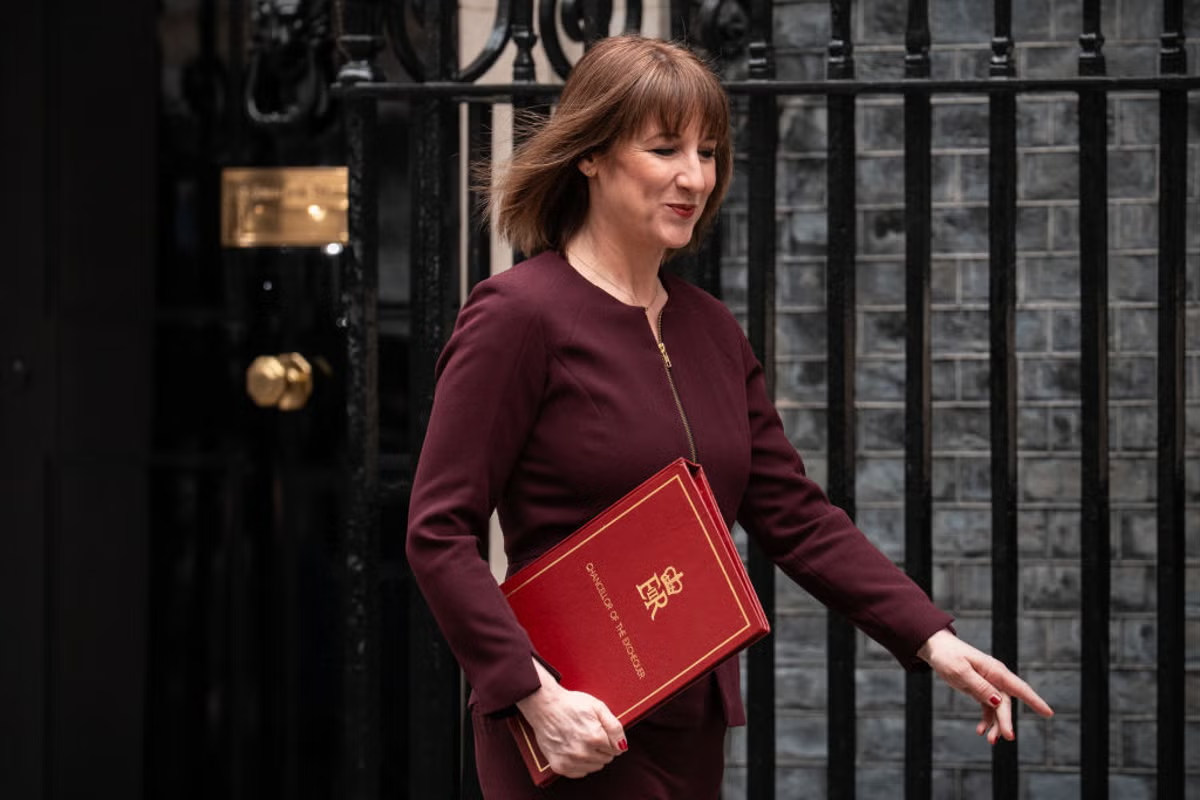
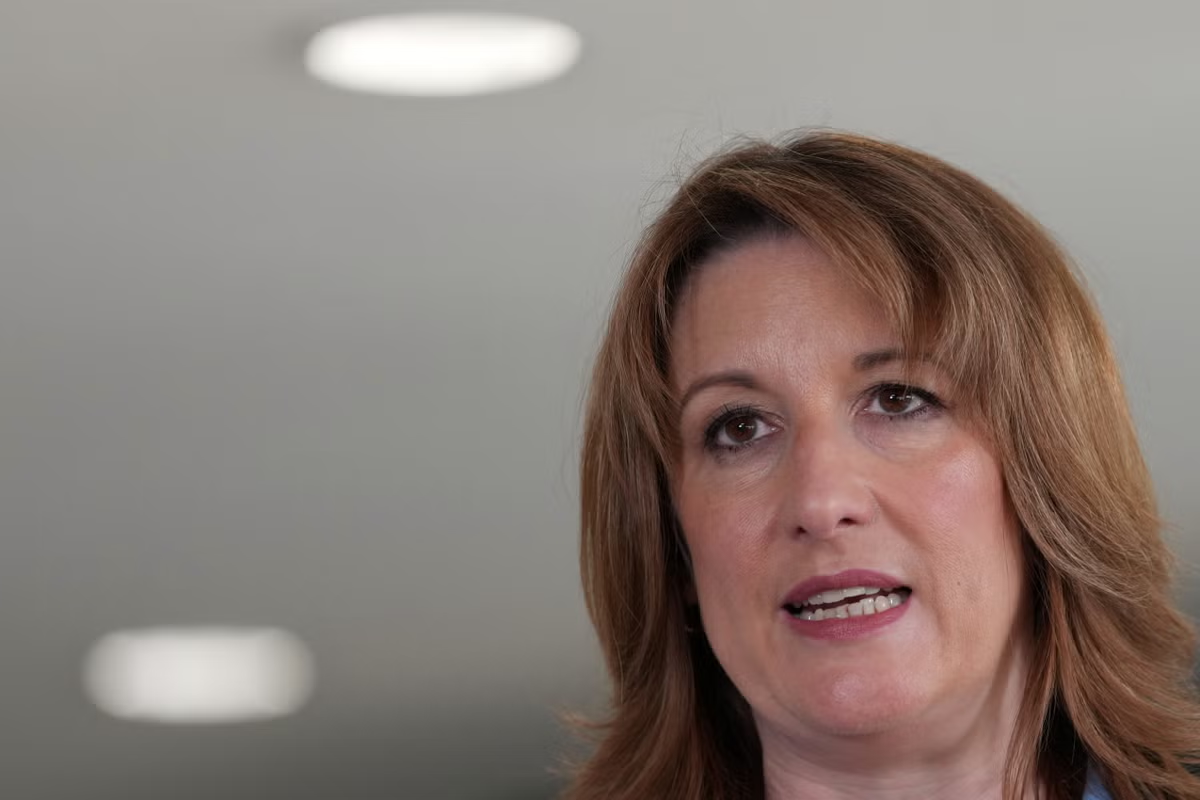
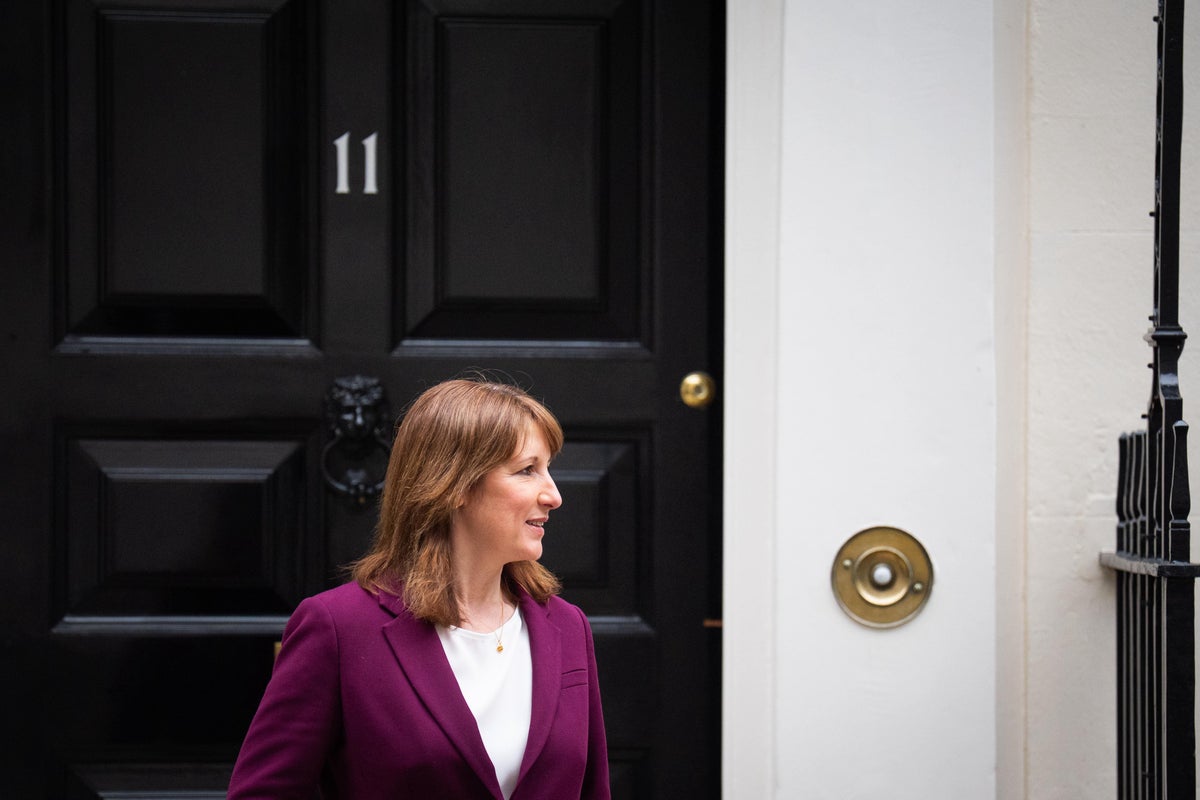
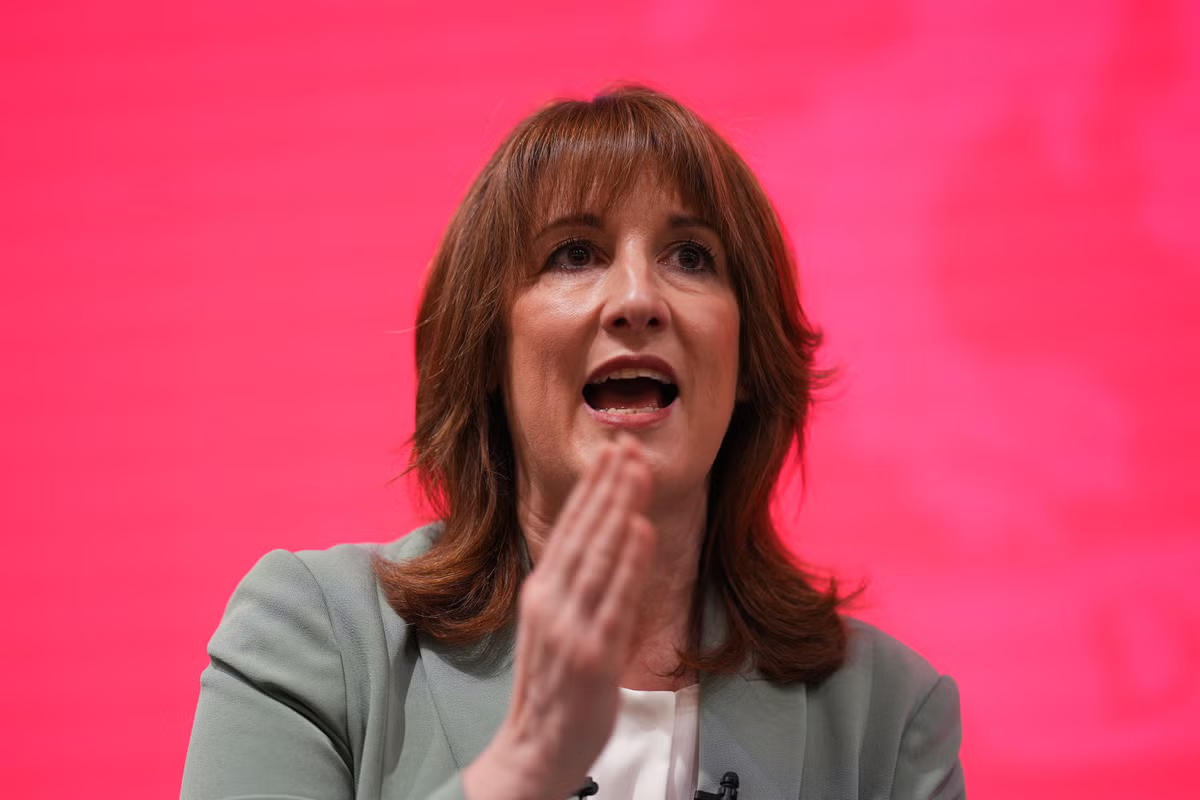
Government borrowing costs surge as Reeves grapples with rising deficit
Stay up to date with notifications from The IndependentNotifications can be managed in browser preferences.Jump to contentThank you for registeringPlease refresh the page or navigate to another page on the site to be automatically logged inPlease refresh your browser to be logged inAllNewsSportCultureLifestyleUK government borrowing surged to £24.3 billion in April, exceeding forecasts and marking the second-highest April total ever recorded, surpassed only during the peak of the Covid pandemic. This figure represents a £4.9 billion increase compared to the previous year and was £3.4 billion higher than the Office for Budget Responsibility's (OBR) prediction of £20.9 billion. The significant rise was primarily driven by record debt interest costs, which reached £10.3 billion in April, an increase of £900 million from a year ago, largely due to rising inflation impacting index-linked gilts. Higher-than-planned welfare spending also contributed to the increased borrowing, while the Office for National Statistics (ONS) revised down the borrowing for the financial year to March by £3 billion to £129 billion. Experts warn that debt interest costs are expected to continue rising in the coming months due to soaring inflation and pressure on UK government bonds (gilts) amid economic and political uncertainty, with political risk potentially adding to borrowing costs. In fullUK borrowing surges by more than expected in latest blow to ChancellorThank you for registeringPlease refresh the page or navigate to another page on the site to be automatically logged inPlease refresh your browser to be logged in