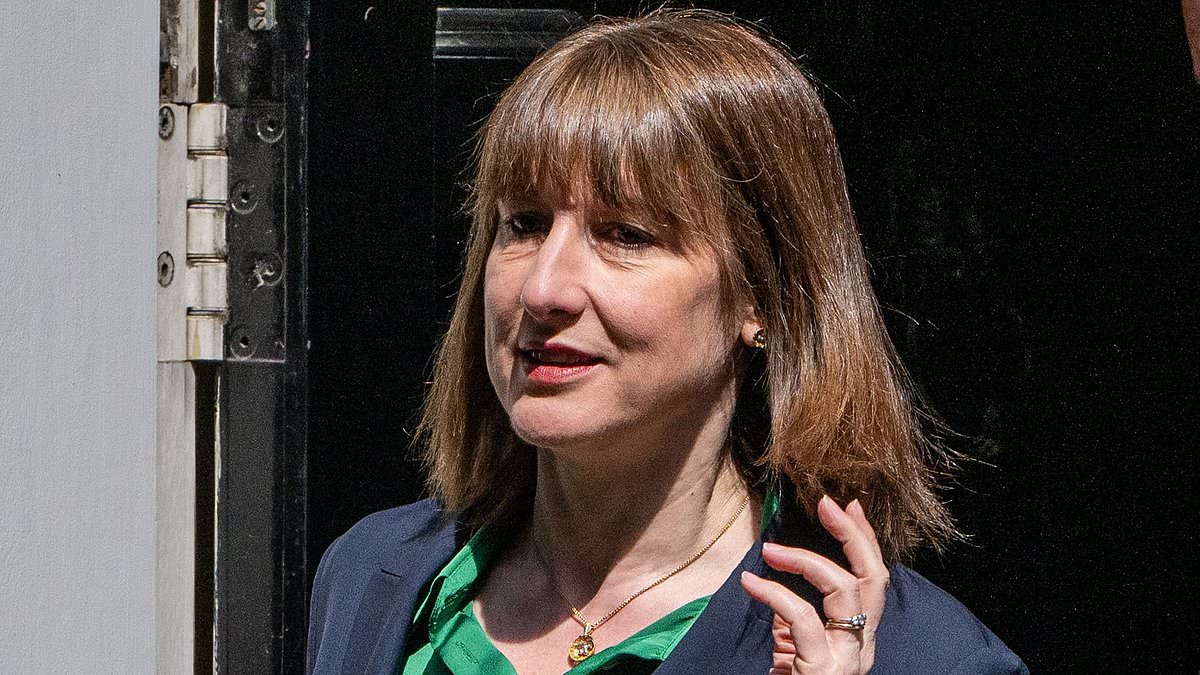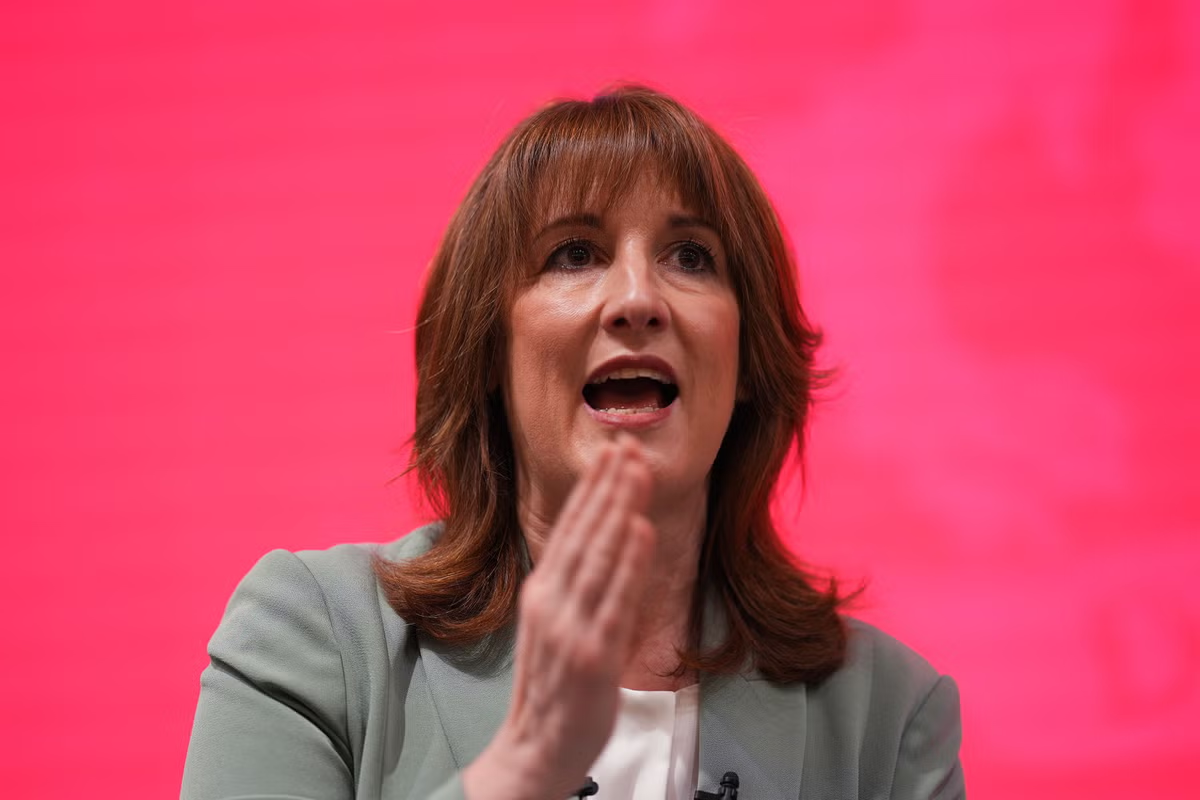
Government borrowing surged last month, presenting a fresh challenge for Chancellor Rachel Reeves, as official figures reveal a higher-than-expected £24.3 billion deficit.The Office for National Statistics (ONS) reported that April's borrowing was £4.9 billion greater than the previous year, marking the second-highest April total ever recorded, surpassed only during the peak of the Covid pandemic.This figure also exceeded the Office for Budget Responsibility's (OBR) forecast by £3.4 billion, which had predicted a £20.9 billion deficit.The significant increase was primarily driven by record debt interest costs, which reached £10.3 billion in April – £900 million more than a year ago – largely due to rising inflation affecting index-linked gilts.The ONS said borrowing for the financial year to March was revised down by £3 billion to £129 billion – down 15% or £22.8 billion on the previous year – due to “regular updates to our central government data”.Grant Fitzner, ONS chief economist, said: “Borrowing this month was substantially higher than in April last year and although receipts increased compared with April 2025, this was more than offset by higher spending on benefits and other costs.“Borrowing for the latest full financial year was revised down slightly, and on a comparable basis remains the lowest since the year ending March 2020.”Experts said higher-than-planned welfare spending had also pushed up government borrowing for April.They also warned that debt interest costs will keep rising over the months ahead as inflation is sent soaring by the Iran war and UK government bonds – also known as gilts – remain under pressure amid economic and political uncertainty.Yields on gilts have hit levels not seen for decades in recent weeks on concerns over the UK economic outlook and the prospect of a challenge to Prime Minster Sir Keir Starmer’s leadership.Yields move conversely to the price of bonds, meaning gilts prices fall when yields rise.Rob Wood, chief UK economist at Pantheon Macroeconomics, said: “We estimate that debt interest costs in 2026/27 will be about £15 billion higher than assumed in the budget if gilt yields hold at current levels for the rest of the year.“Headroom against the fiscal rules would be cut by closer to £10 billion if half the rise in yields since the budget is sustained until 2029-20.“As best we can tell, political risk has added 20 to 40 basis points to gilt yields and we suspect will keep borrowing costs more elevated than they otherwise would be this year.”
UK borrowing surges by more than expected in latest blow to Chancellor
The ONS said borrowing was £4.9 billion higher than a year earlier
402 words~2 min read