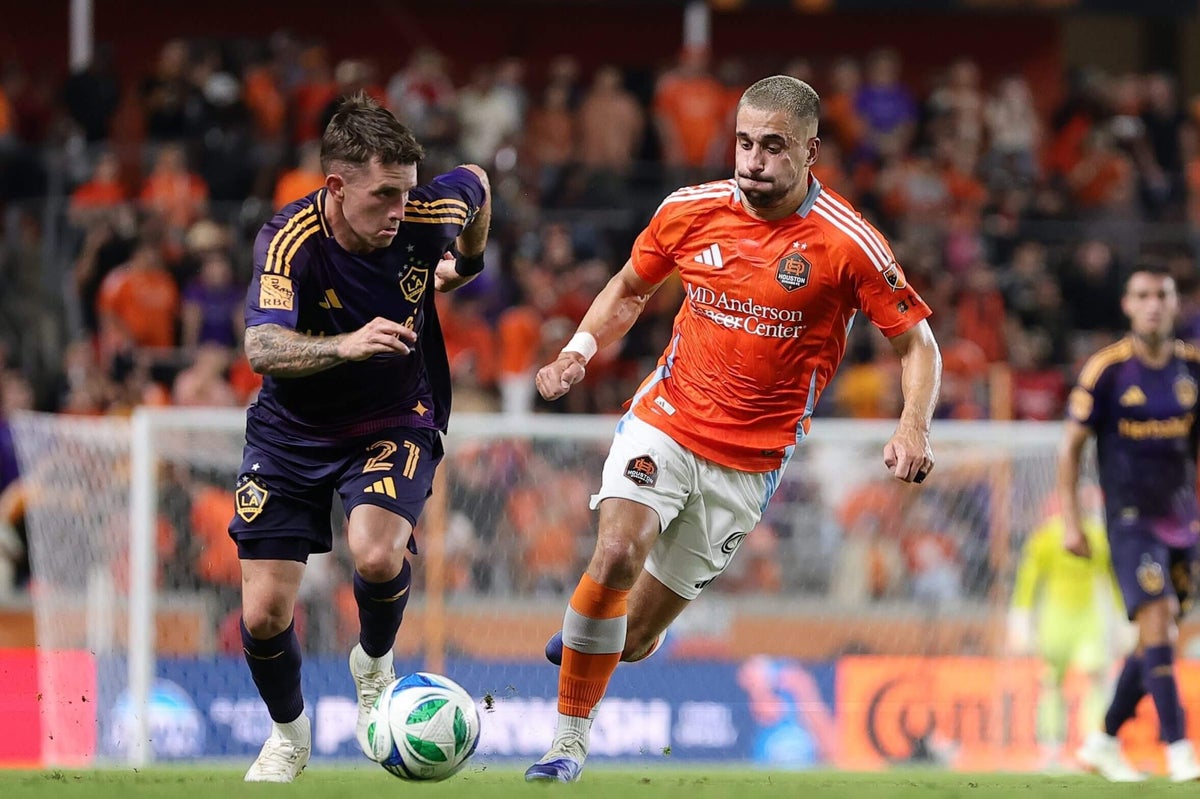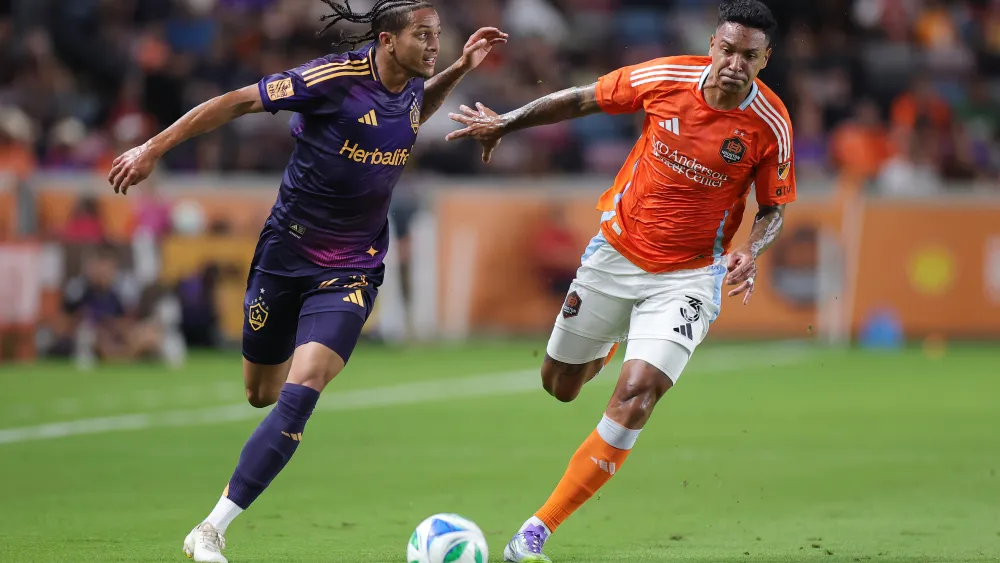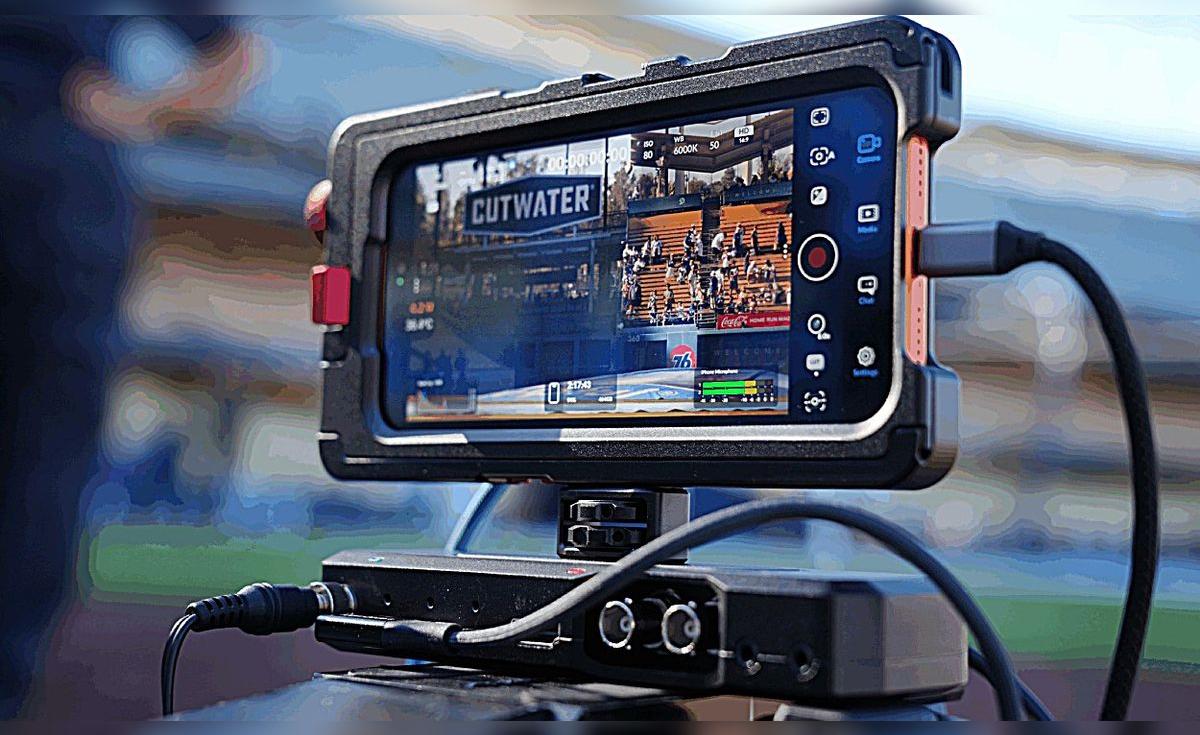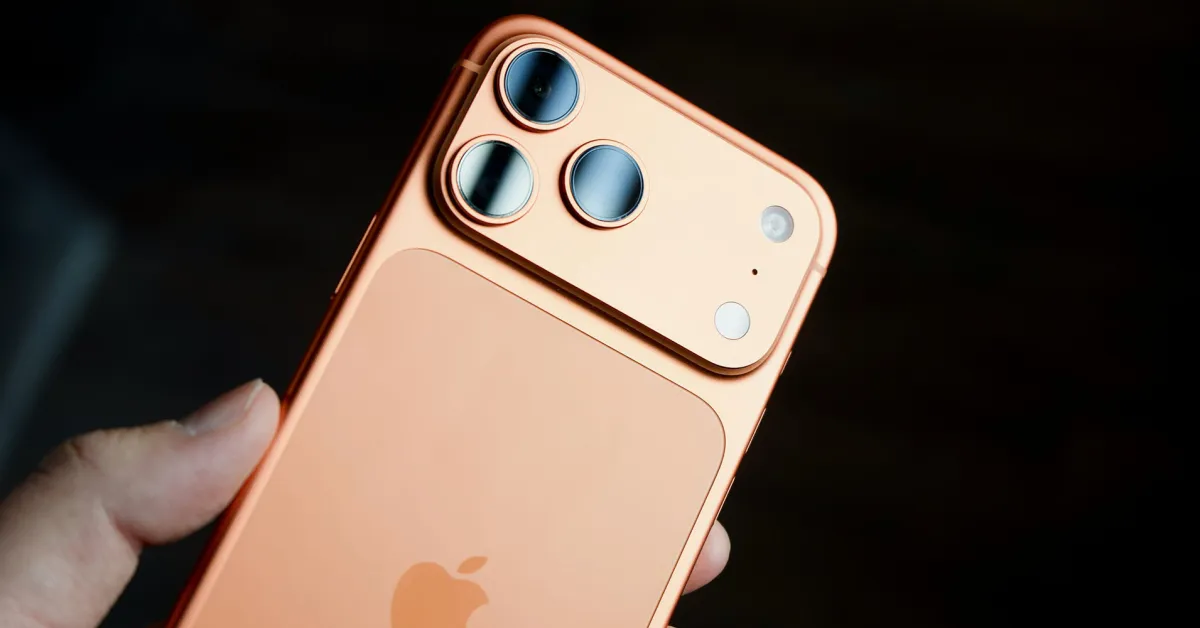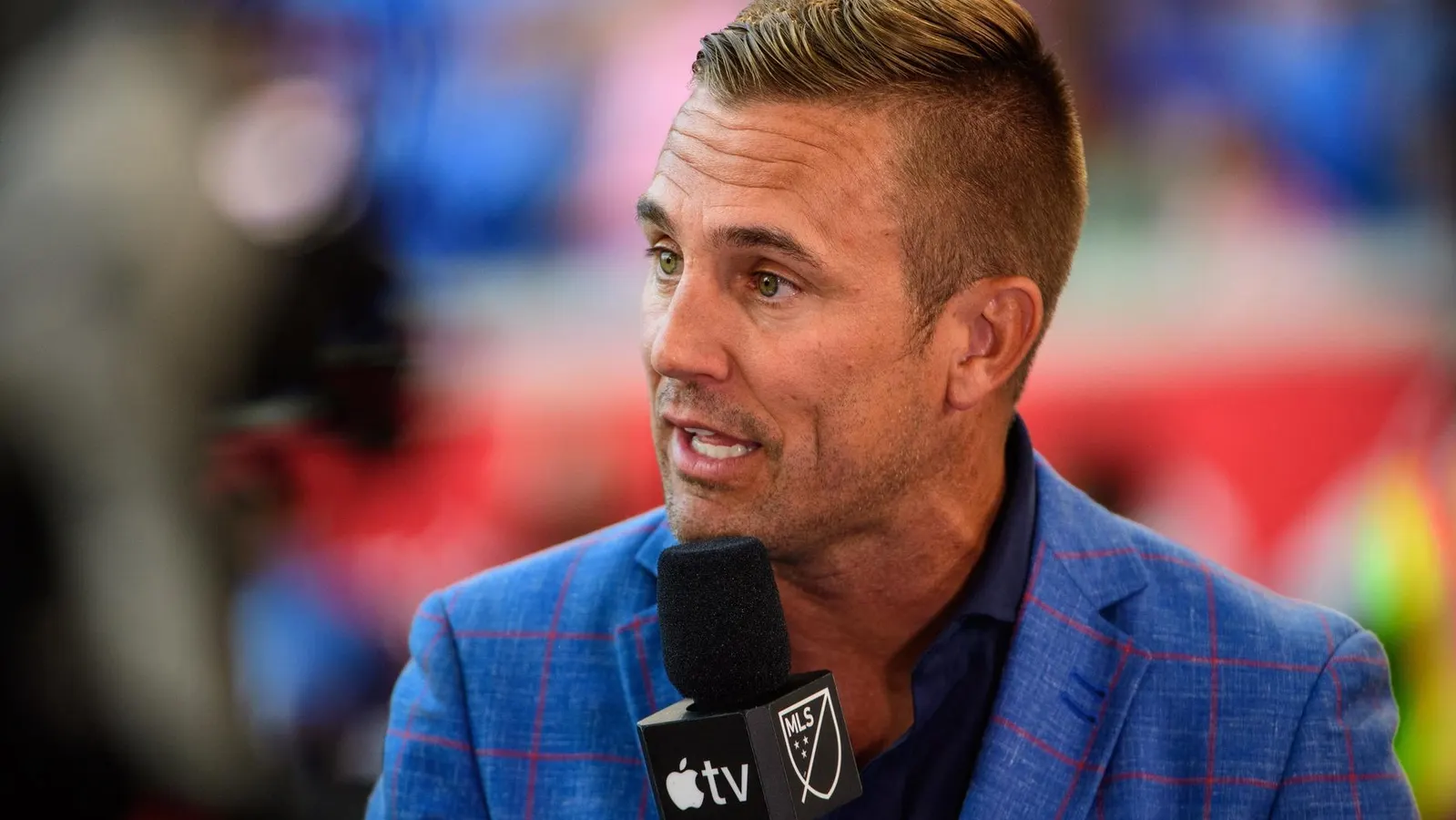
HARRISON, NJ - AUGUST 26: Apple TV lead MLS analyst Taylor Twellman speaks prior to a game between Inter Miami CF and New York Red Bulls at Red Bull Arena on August 26, 2023 in Harrison, New Jersey. (Photo by Howard Smith/ISI Photos/Getty Images).Getty ImagesOn Thursday morning, Major League Soccer announced Saturday’s match between the LA Galaxy and Houston Dynamo would be the first-ever televised sporting event shot entirely with iPhone cameras.If you’re worried this could result in key details of the game being missed on the Apple TV broadcast, you shouldn’t be: That’s already been happening far too regularly with the use of more conventional TV cameras, basically ever since Apple TV became MLS’ worldwide streaming partner ahead of the 2023 season.Don’t get it wrong. MLS and Apple TV have made many sensible steps forward since Apple TV acquired global rights to every fixture in the MLS Regular Season, MLS Cup Playoffs and Leagues Cup. Those include the creation of the Sunday Night Soccer package, the allowance of more daytime kickoffs in colder-weather markets, and most recently the erasure of the MLS Season Pass package in favor of making the entire match inventory available for all Apple TV+ subscribers.But from game to game, the average production values for MLS matches lag behind industry standards in other major North American professional sports, usually for one or both of these offenses:1) The camera direction fails to keep pace with important moments.2) The broadcast production mischaractierizes or avoids important narratives.MORE FOR YOULa Familia FeudIronically enough, one of the worst such cases of this came only four days before Thursday’s announcement, on a Sunday Night Soccer clash between Inter Miami and the Portland Timbers.The most important news coming out of Miami’s 2-0 win centered not on the match result, but on the apparently continuing friction between La Familia – Miami’s coalition of supporters’ groups – and stars like Lionel Messi, Rodrigo De Paul and Luis Suarez.During a song from La Familia that voiced its displeasure at perceived disrespect from those stars and others, Messi made a gesture toward the group that was captured in real time by Apple TV’s cameras. But play-by-play announcer Jake Zivin and color analyst Taylor Twellman – limited by their lack of understanding of the song, being sung in Spanish – explained the incident incorrectly as Messi trying to make a gesture of amends.Further, a separate gesture from De Paul that appeared antagonistic toward those supporters went uncaptured, as did Messi’s post-game maneuver to round up De Paul and Suarez, keeping them away explicitly from La Familia’s side of the stadium during post-game pleasantries.And despite the true nature of the incident becoming clearer, there were no attempts to revise the initial explanation.It’s possible producers were intentionally trying to avoid the storyline, which reflects negatively on the league’s best team and biggest star. One of the unique aspects of Apple’s pact with MLS is that MLS itself foots production costs, and is the entity that has hired IMG to produce its matches and studio content. That relationship can lead to some telecasts feeling sanitized of controversy that might reflect poorly on the overall product, which perhaps explains the editorial direction of Sunday night’s broadcast.Slow-Motion ReplayHowever, there are also repeated instances of more basic production offenses that have little to do with skirting problematic storylines.Repeatedly, replays of controversial foul calls or offsides decisions are far too long in coming, often well after a color commentator has verbally asked for such an angle on air.Other features like win-draw-loss probabilities, heat maps and expected goals data are displayed with very little context or analysis.Because match commentators are asked to take the helm of halftime themselves, those intermissions are usually rote recitations of highlights rather than any sort of tactical breakdown that would require time away from a microphone to prepare.And there is little in the way of informational graphics to overlay on match footage, like fans regularly encounter in other major North American sports coverage.Against this backdrop comes Saturday’s all-iPhone telecast, building on experiments from Apple TV’s Major League Baseball programming as well as past years’ MLS Cup coverage.The stunt will probably be great publicity for the ever-increasing capabilities of Apple’s iPhone technology.But to those tuning in for the first time, it will also actively imply MLS games are at the technicalogical forefront of sports broadcasting. The reality remains puzzlingly the opposite for a product distributed on a medium that shares a name with one of the globe’s most important technology companies.
MLS Making iPhone TV History, But Can’t Shake Basic Production Hiccups
The stunt sends the message that Apple TV's MLS broadcasts are more evolved than most, when the reality is often the opposite.
749 words~3 min read