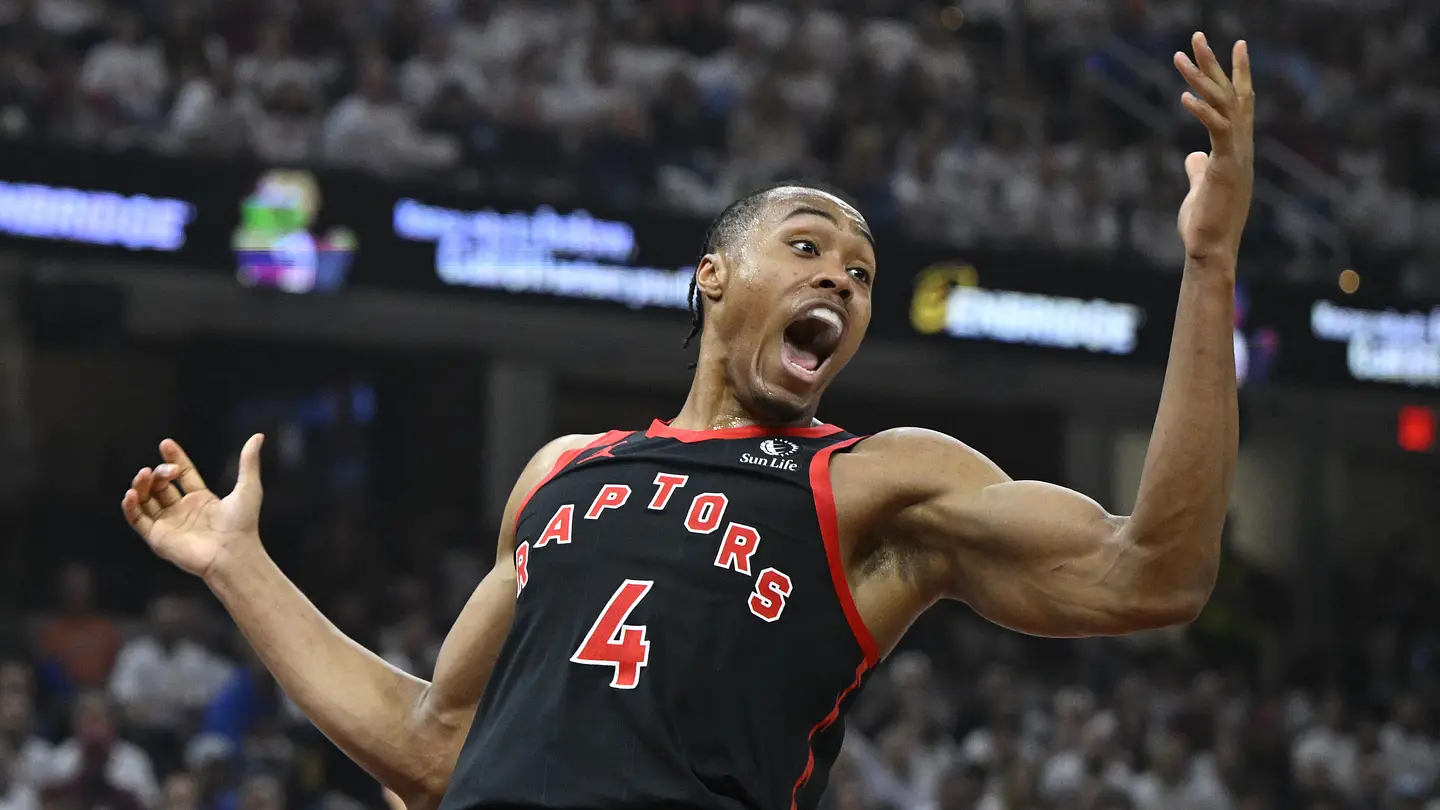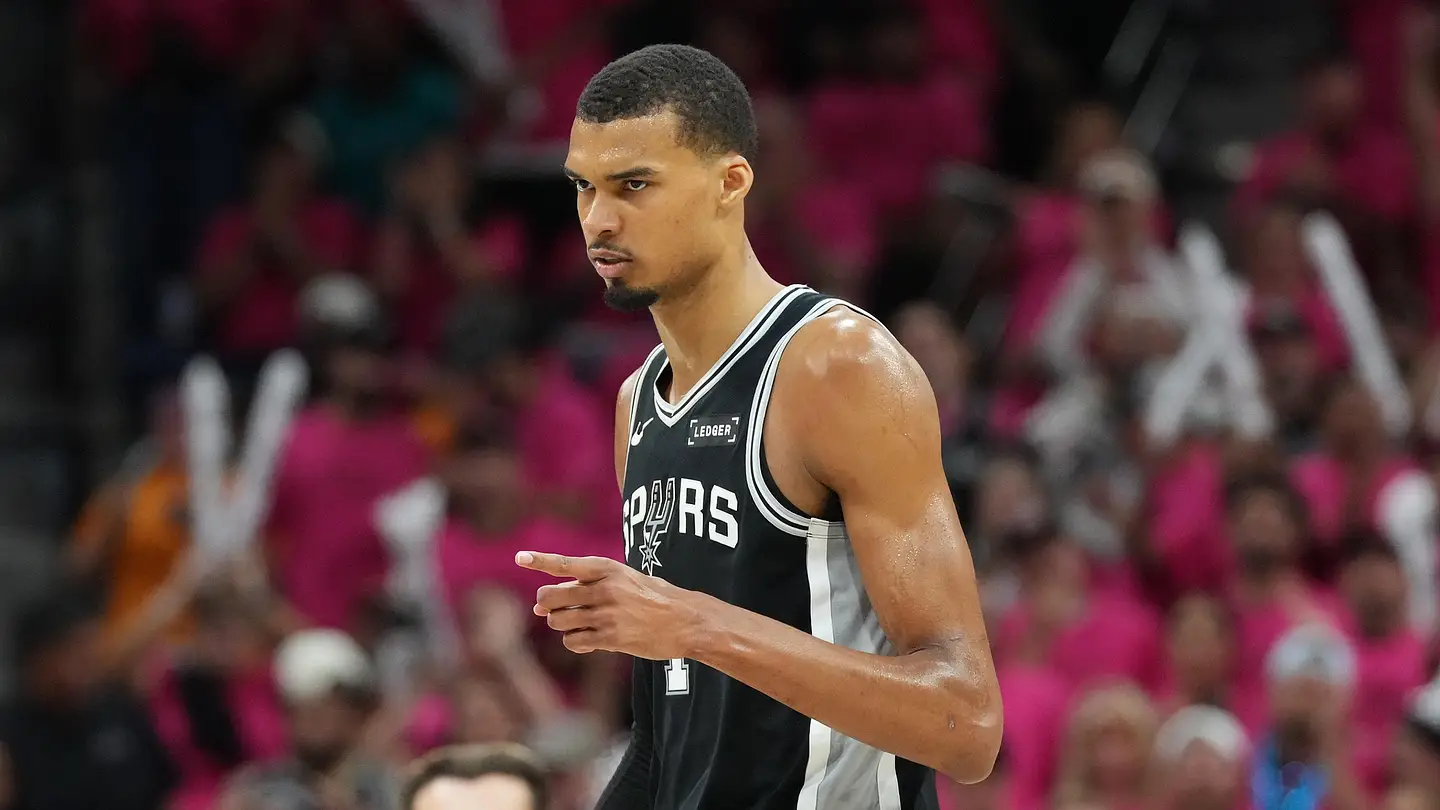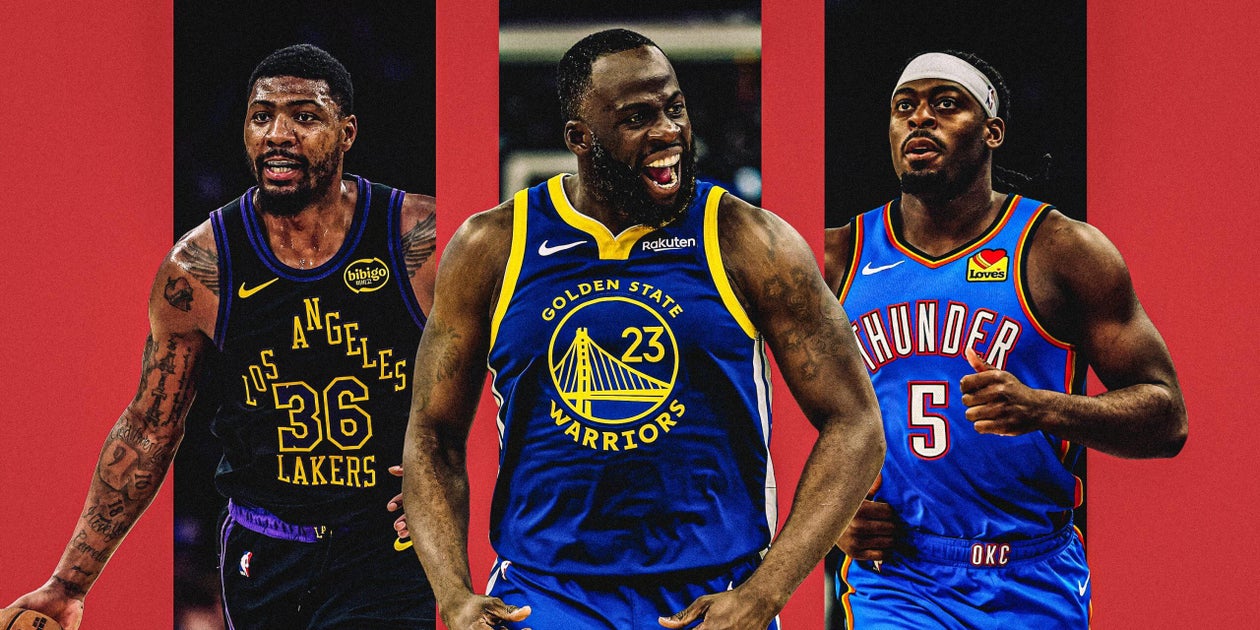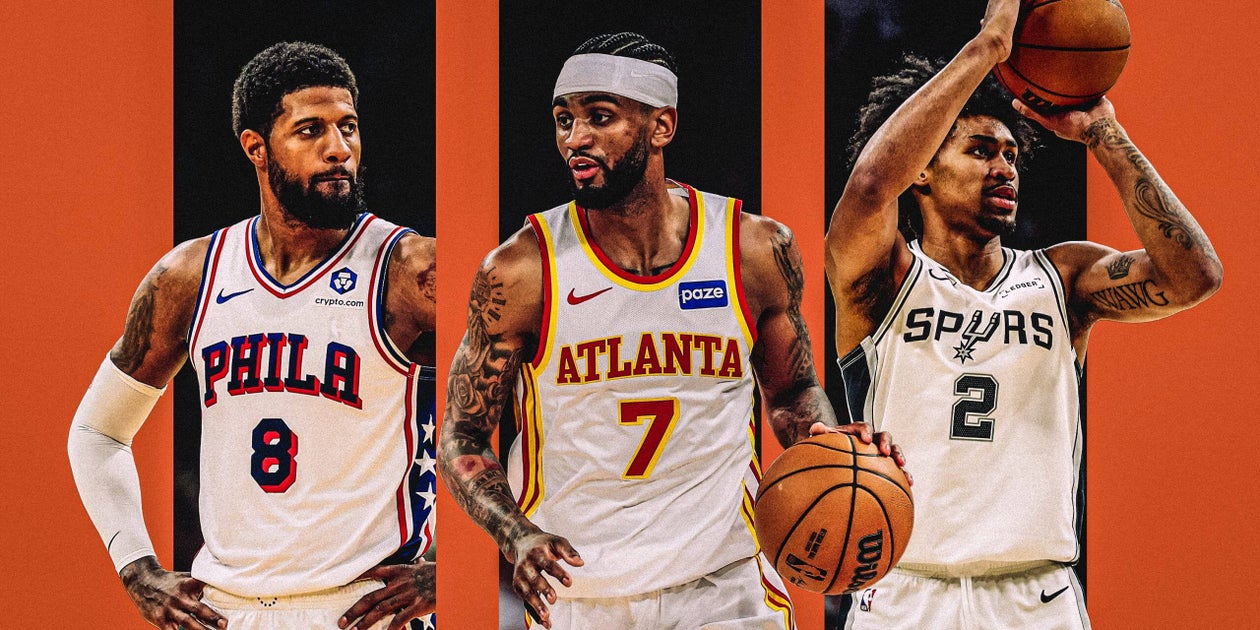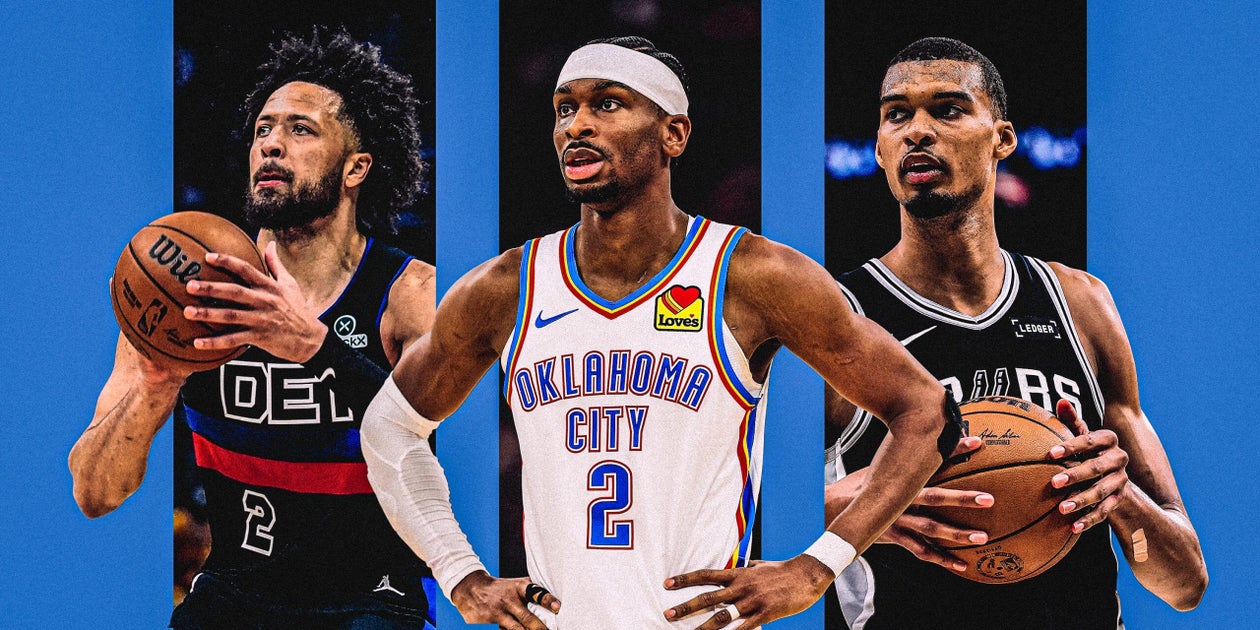
As we reach the NBA’s summit in our Player Tiers project, there aren’t any surprises. But last year, I had 10 players in Tier 1. That’s not the case this year, even as I strived to be inclusive.The great thing about basketball is that no player is perfect. There might be perfect stories, which is why Michael Jordan is the GOAT to many. But even Jordan had flaws (especially Washington Wizards Jordan) and needed Scottie Pippen to win in the playoffs. As great as they are, Tier 1 players have shortcomings and weaknesses that need to be accounted for when building rosters and schemes around them.I tried to maintain some consistency from last year, so the number of sub-tiers remains the same. But this is the group I feel strongest about when it comes to consistency, impact, production, size and skill. Unfortunately, no acronym works for that.We presented the previous tiers in descending order. To close this year’s project, we’ll unveil in ascending order.Tier 1DI made the case last year that Anthony Edwards and Victor Wembanyama were Tier 1 players because they had shown enough to expect that they belonged there. Edwards led his Minnesota Timberwolves to a second straight Western Conference finals, while Wembanyama is leading his San Antonio Spurs on a deep playoff run. This sub-tier is where I’m projecting the most, but for different reasons.I felt moved to promote only one player into Tier 1 this season, and that was Detroit Pistons point guard Cade Cunningham. At 6 foot 6 and 220 pounds, he’s the kind of big guard a team would be fortunate to build around. It didn’t happen immediately for Cunningham, who started 62 games for the worst team in basketball two years ago. Putting competent veterans around Cunningham allowed him to lead a playoff team a year ago. This year, he led a 60-win Pistons team, which speaks volumes about his impact, as few expected that outcome. Detroit outscored opponents by an average of 8.1 points per game with Cunningham on the floor.Cunningham uses his size and skill to score effectively out of ball screens, isolations and post-ups. He averaged 6.0 free-throw attempts per game and has increased that number every year. Cunningham also improved his assists to 9.9 per game, second only to Nikola Jokić, while decreasing his turnovers to 3.7 per game. Turnovers are Cunningham's biggest issue, and that showed up this postseason, but he has also shown that he is a playoff riser as a scorer.Though his shot is good off the bounce, the next step for Cunningham is to be better with off-the-catch 3s. While Cunningham made only 30.9 percent of those attempts, he made 35.9 percent on pull-up 3s, the shot more naturally available to him. He is a true four-level scorer, capable of getting to the paint, hitting 3s, drawing fouls and living in the midrange.What makes Cunningham even more valuable is being an active participant in what was the best defense in the Eastern Conference this season. Cunningham is just as physical as his teammates, and he averaged a career-best 1.4 steals to go with 5.5 rebounds per game. He guards at the point of attack and holds up well in isolation. Unlike many high-usage guards, he doesn’t need to be hidden on that end.Cunningham isn’t going to overwhelm opponents with his pace or athleticism. Durability is a yellow flag given that he’s played 70 games once in five seasons and a collapsed lung cost him three weeks this spring. But his combination of size, skill and competitiveness should have Cunningham in All-NBA First Team talks for the rest of the decade.While Cunningham is seeking his first NBA Finals appearance, Jayson Tatum has already been there with the Boston Celtics. Jaylen Brown may have been NBA Finals MVP in 2024, but Tatum led the finals in points, rebounds and assists. Unfortunately, Tatum tore his Achilles tendon in the second round of last year's playoffs.Tatum missed only 51 games in his first eight NBA seasons. He missed the first 62 games of this season while recovering from Achilles surgery, then four of the last 20 games. Boston took a 3-1 lead against Philadelphia in the first round, then lost Game 7 with Tatum sidelined due to left calf and knee concerns.Tatum's return to play was encouraging, and Boston’s premature playoff exit is probably a blessing in disguise for Tatum, who gets to have a long offseason without recovering from a major surgery.Tatum is in this sub-tier because he’s a Tier 1 player who needs to re-establish his pre-injury level of play. Next year is the last time Tatum could appear in the playoffs in his 20s, so there’s an interesting intersection between his injury recovery and what may be the end of his physical prime. What helps Tatum is that he is 6-8 with skill. Upon his return, he was effective playing out of ball screens and post-ups, but he needs to get his isolation game back, which made him a particularly difficult player to deal with in the previous three seasons. Tatum’s 16-game sample of regular-season play returned career lows of 41.1 percent field goals and 32.9 percent 3s, but those numbers improved to 47.5 percent from the field and 36.5 percent from 3 in the playoffs.It’s not hard to see how Tatum gets back in the swing of things. He gets to the free-throw line, has developed into a solid playmaker who has more than twice as many assists as turnovers the last two years and launches a ton of 3s. Defensively, Tatum has a nose for the ball and can guard all five positions. It was a great sign that Tatum was healthy enough to capture 10.0 rebounds per game this regular season and 10.7 rebounds per game in the playoffs. As long as he can maintain his health and return to the level of play he previously established, Tatum is a Tier 1 player.Tier 1CA year ago, this sub-tier featured Stephen Curry, Kevin Durant and LeBron James. But this isn’t a lifetime achievement award. The two players occupying this sub-tier now are now heading in opposite directions.Anthony Edwards is the league’s best shooting guard, with an emphasis on shooting. Though Edwards’ 3-point volume dipped slightly this season from 4.1 3s made per game last year to 3.4, he made a career-high 39.9 percent of his 3s.Edwards was one of nine players to make at least 100 pull-up 3s this season, per Second Spectrum, knocking down 128 of those attempts (fifth in the NBA) while connecting at a 35.3 percent clip. The 3s off the catch are eye-opening for Edwards, as he made 49.6 percent of his 139 attempts this season. Of the 425 players who attempted more than 20 off-the-catch 3s this season, Edwards was the most accurate.Edwards has a tremendous workload and has improved his scoring every year, reaching 28.8 points per game. He got up to 7.2 free-throw attempts per game and 48.9 percent shooting from the field, both career bests. Edwards promised to be better in the midrange this season, and he did that, making 103 midrange field goals and shooting them at 43.3 percent. Edwards had a five-year low of 3.7 assists per game, but he was busy getting buckets, and he was proficient at getting them out of ball screens, isolations and post-ups; he scored more than a point per possession out of all three of those play types, per Synergy.At 6-4, 225 pounds with exceptional athleticism, Edwards has the tools to be a strong defender. It doesn’t always work out that way, as he gets beaten more than he should. But he is a playmaker, averaging 1.4 steals to go with 5.0 rebounds. He also defends without fouling, though that should be expected with Rudy Gobert behind him and Edwards rarely being asked to take on primary scorers with Jaden McDaniels also on the perimeter.Injuries finally caught up to Edwards this year. After missing only 19 games in his first five seasons, Edwards missed 21 this year, not including the first playoff absences of his career. The fact that Edwards returned from a hyperextended knee in nine days is incredible, though the injury zapped some of his explosiveness. Overall, Edwards, who turns 25 in August, is nearing the peak of his powers.
NBA Player Tiers 2026: SGA, Wembanyama, Giannis and more stand above the rest in Tier 1
Simply put, this is the group I feel best about when it comes to consistency, impact, production, size and skill.
4,016 words~18 min read