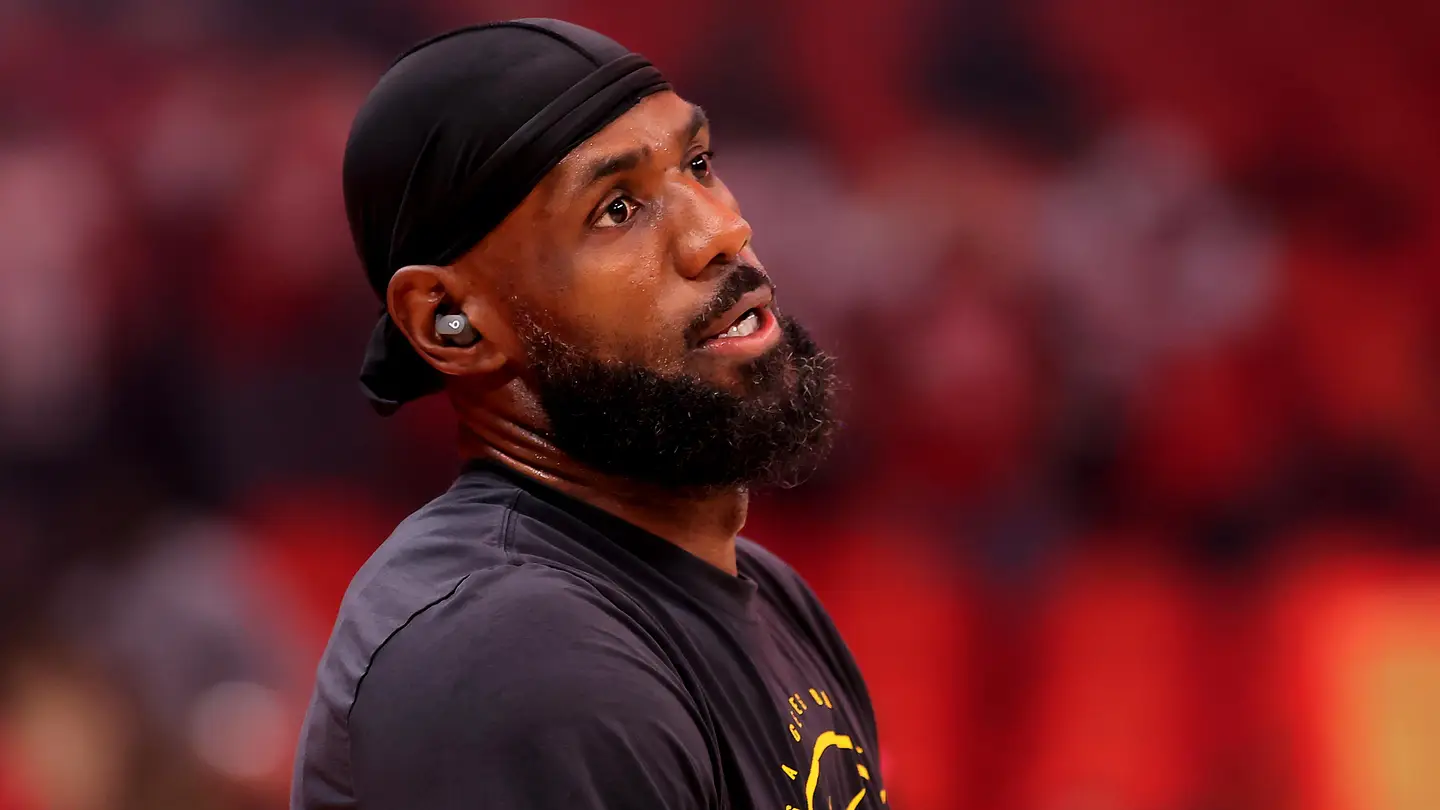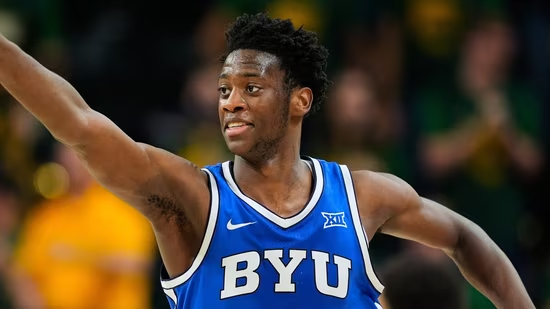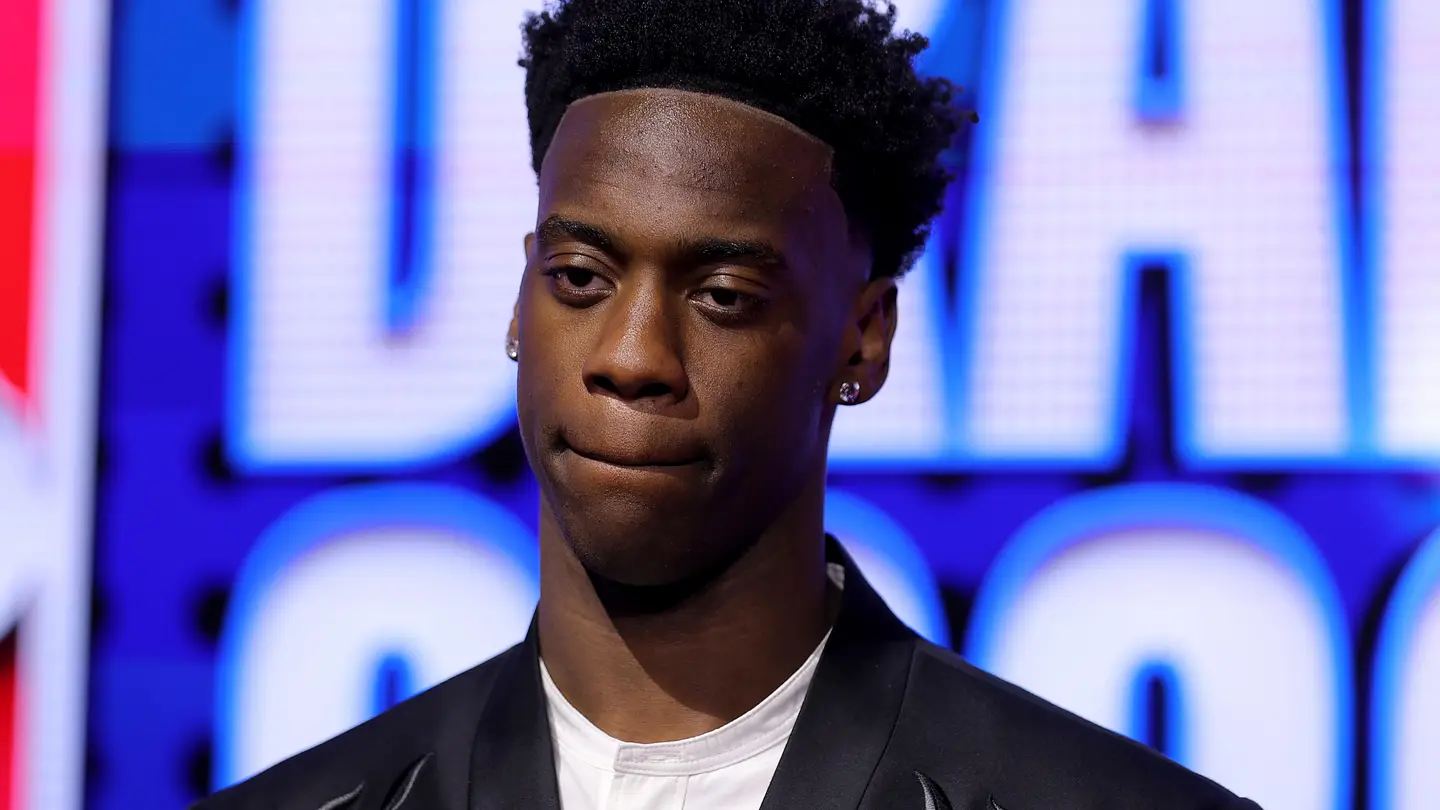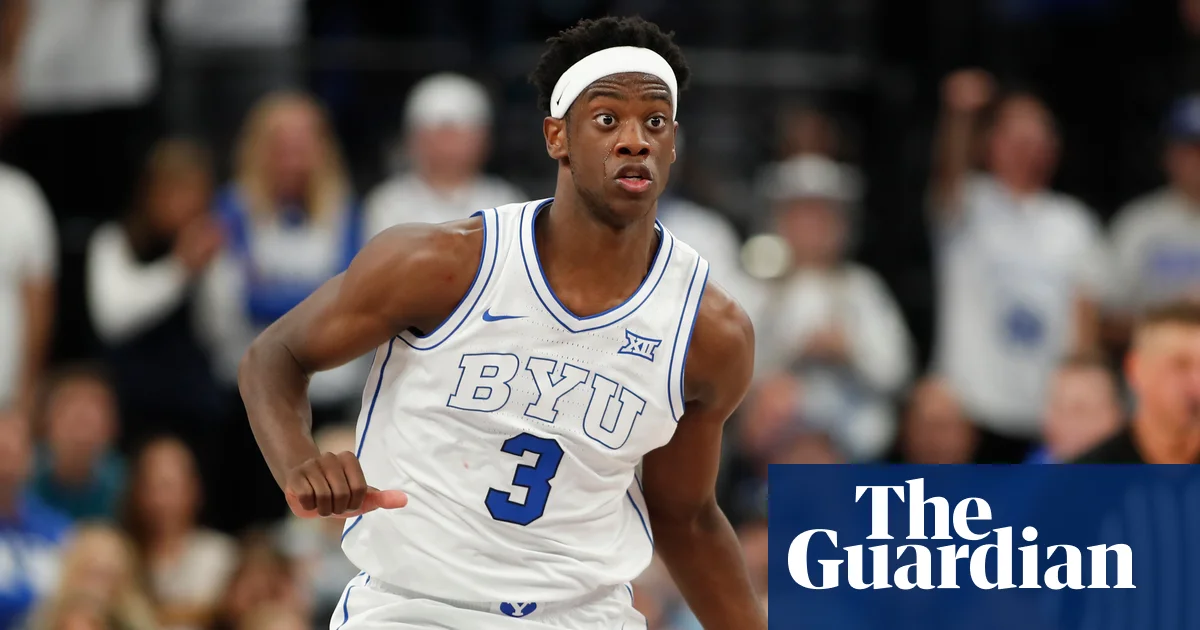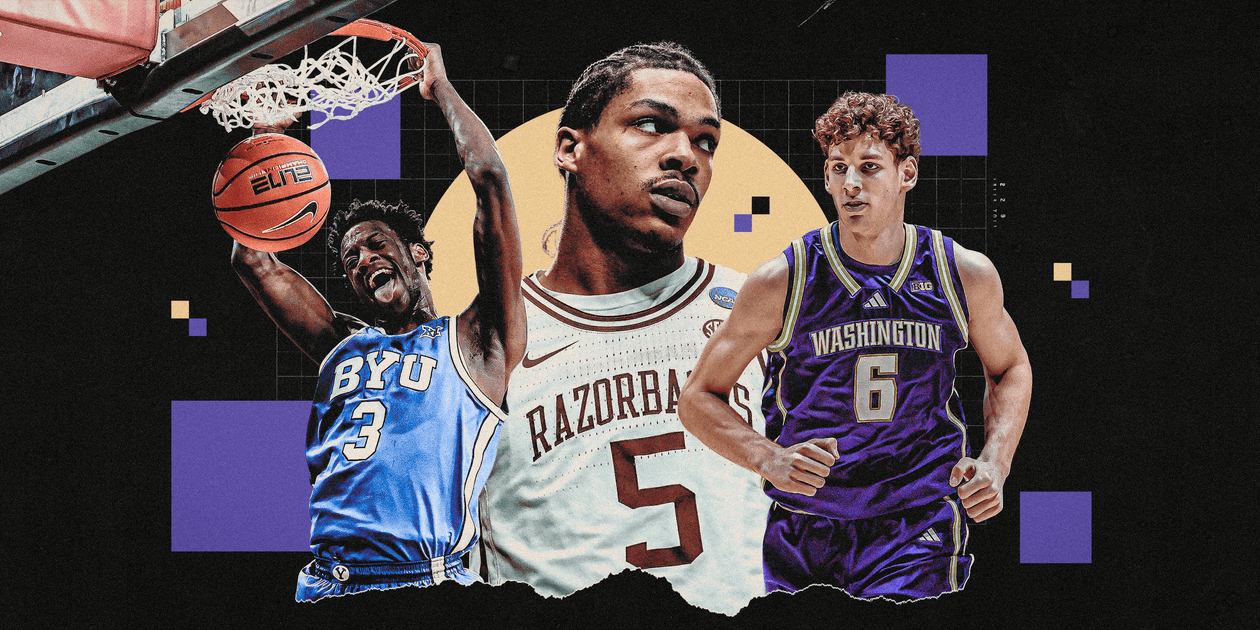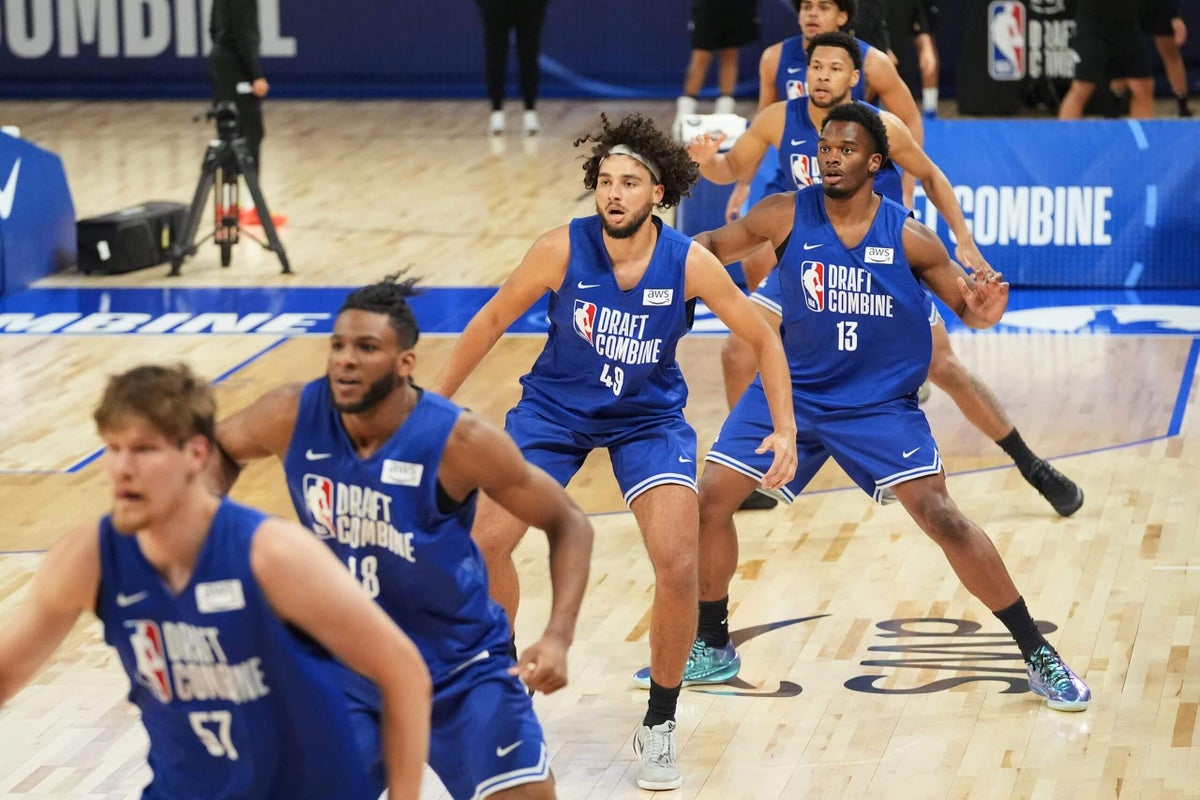
CHICAGO — Let’s start at the top, because that’s what we do when it comes to the NBA Draft. And in the 2026 version of the draft, that “top” isn’t one or two players. It’s four.Talking to executives here for the league’s annual draft combine, including some from multiple teams picking near the top, the consensus opinion was that reasonable people could disagree on the top four picks, in virtually any order, but the identity of those four was beyond doubt: BYU forward AJ Dybantsa, Kansas guard Darryn Peterson, Duke big man Cameron Boozer and North Carolina forward Caleb Wilson.The way the draft lottery was presented, that may not have been immediately obvious. It seemed a bit like the Dybantsa Sweepstakes, and Wilson was scarcely mentioned. Certainly, insiders I spoke with this week think Dybantsa is the best bet of the four to be the top pick, but not one person I talked to considers him a lock.Notably, some mentioned the 2017 draft, when the Boston Celtics pivoted to trading down and taking Duke’s Jayson Tatum with the third pick rather than the presumptive No. 1, Washington guard Markelle Fultz, or No. 2, UCLA guard Lonzo Ball. With a relatively flat talent curve in the top four picks, and some differences of opinion in how to rank those four, the normally dormant market for trades near the top of the draft could again become active.One notion wasn’t far from observers’ minds: If Utah Jazz owner Ryan Smith was willing to pay millions, indirectly, to get Dybantsa to his alma mater BYU a year ago, would he be willing to spare some draft capital to keep Dybantsa in Utah by trading up with the Washington Wizards? And if so, is there another player the Wizards like nearly as much (or, perhaps like Boston in 2017, even better?) that they would agree to such a deal?Let’s not get too far ahead of ourselves; it’s mid-May, and responsible front offices remain in the evaluation phase: Teams are here in Chicago conducting interviews, watching workouts and gathering information and will have select players visit their facilities in the coming weeks.Synthesizing all that information into a draft board, even at the top, isn’t an instant process for staff that have been hammering away at this all year, let alone for a team like the Chicago Bulls, picking fourth, that hired its general manager a week ago. But don’t let them gaslight you: Teams at the top are splitting hairs among four players, and strong arguments can be made for each.Rumor-mongering wasn’t all that went on this week. There was actual information gleaned, in the form of measurements, athletic testing and five-on-five games. Let’s talk about what we learned over the past three days.Tales of the tapeMost of the first-round talent in this draft didn’t play in the scrimmages, but they still did measurements that, in some cases, were revealing.While some of the athletic testing historically has near-zero predictive value, and the shooting drills are a small-sample data point for scouts who have seen prospects take 100 pregame shots multiple times this season, data like wingspan, standing reach and standing vertical typically has some useful signal. And of course, knowing somebody’s true height makes for a much more reliable data point than “I’m not sure he’s really 6-foot-10.”• Dybantsa measured 6-8 1/2 inches in socks with a desirable “plus-4” wingspan of 7-0 1/2 and weighed in at 217 pounds. A 33.5-inch no-step vertical confirmed the in-season eye test on his elevation.• Peterson was 6-4 1/2 in socks with a 6-9 3/4 wingspan, long even for an NBA wing at plus-5.25.• Boozer didn’t exactly alleviate concerns about his elevation with a 28.5-inch standing vertical, but he measured “plus-5.25” with a 7-1 1/2 wingspan on his 6-8 1/4 frame; additionally, his 9-foot standing reach just clears the unofficial bar that many teams and scouts use as a cutoff for the “can he play center?” question.• Wilson won’t be playing any center at just 210 pounds, but he had a 9-foot standing reach on his 6-9 1/4 frame; he also uncorked a 34.5-inch standing vertical, tied for the fifth-best of the combine.Outside of the top four, here are the measurements that caught my eye the most:• Houston’s Kingston Flemings fared the best of the five guards who are likely to be picked in rapid succession after the four names above come off the board (Illinois’ Keaton Wagler, Arkansas’ Darius Acuff Jr., Arizona’s Brayden Burries and Louisville’s Mikel Brown Jr. are the others).While none of the five registered impressive wingspan or reach measurements, they did get off the floor: Flemings jumped 33.5 inches, Wagler 33 and Burries a brow-raising 35. Additionally, while straight-line speed hasn’t correlated much with performance, it does have a bit of predictive value for smaller guards. The fact that Acuff and Flemings ripped off sub-3.1 sprints is helpful.Flemings also earned plaudits from his upperclassmen Houston teammates who were in Chicago (four Cougars were invited).“He is really unselfish,” Houston guard Emanuel Sharp said. “He’s very humble, that’s probably my favorite part about him. He’s not an airhead; he’s a great kid. He’s a better person than he is player. You know a lot of teams value that, so you know, whatever team can get him is getting a star.”“Super athletic, crazy speed, very high IQ,” fellow Cougars teammate Milos Uzan said. “It’s very hard to stop him, and he has a great midrange pull-up. He just plays the right way. He makes everybody better around him. And that’s what makes him so special.”• Baylor guard Cameron Carr only measured 6-4 1/2 in socks but with an enormous 7-0 3/4 wingspan that makes him a wingspan unicorn at plus-8.25. Carr also uncorked a 33.5-inch no-step jump and confirmed that observation with a monstrous poster dunk in Wednesday’s scrimmage.
AJ Dybantsa is far from a lock at No. 1, and more NBA Draft Combine takeaways
Which prospects helped their causes the most this week in Chicago? And who might be a household name in a few months?
2,934 words~13 min read