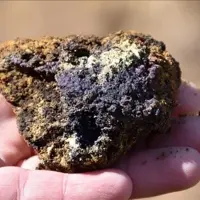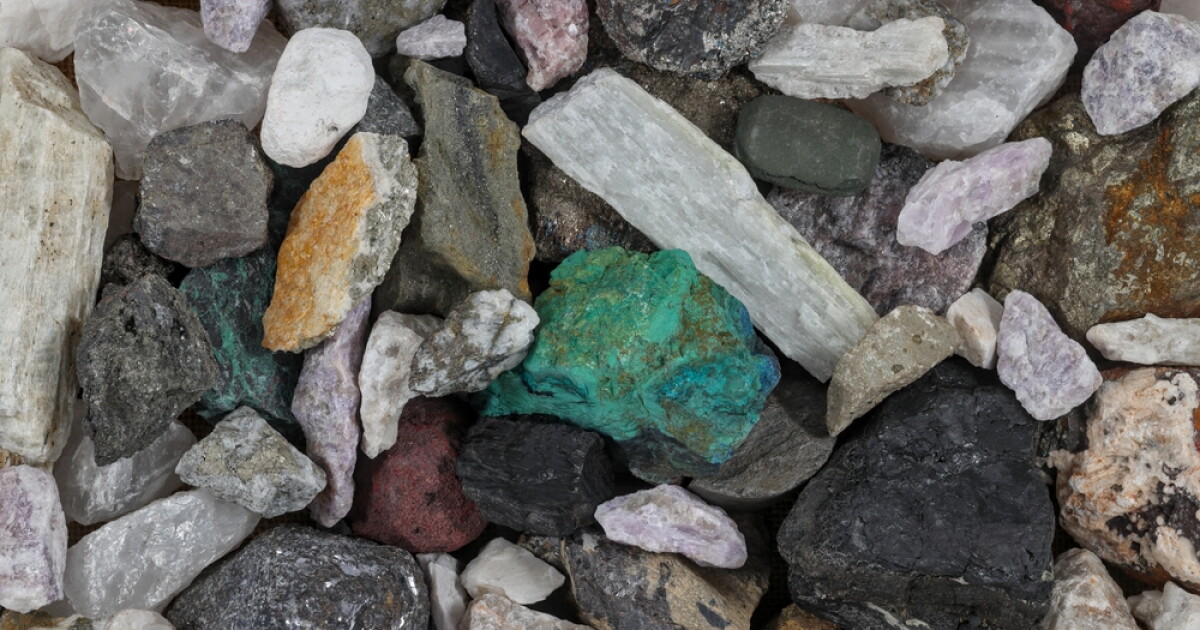
The global economy is simultaneously undergoing two major transformations: the energy transition and the deepening of digitalization. Since both processes depend heavily on rare metals, a new geopolitical competition has emerged around these resources. This transformation has evolved beyond being merely a matter of conventional energy policy or mining strategy. It has become a comprehensive domain directly linked to technology, industry, defense and international power balances. Rare metals are no longer simply underground resources, but also the key to controlling global value chains.
In this context, the “Türkiye’s Critical and Strategic Minerals Report” prepared by our Ministry of Energy and Natural Resources is a highly significant and strategic document, as it places this global landscape into a quantitative and institutional framework specific to Türkiye.
The detailed criticality analyses conducted for 37 out of 63 candidate minerals demonstrate that Türkiye is directly affected across a broad spectrum, ranging from lithium and rare earth elements to gallium and germanium. In particular, the inclusion of minerals such as lithium, titanium, copper, aluminum, manganese and iron in the category of highly important critical minerals is especially noteworthy in terms of the energy transition and the defense industry. In addition, the classification of rare earth elements within the important critical minerals category underlines the supply risks that Türkiye is likely to face in the coming period.