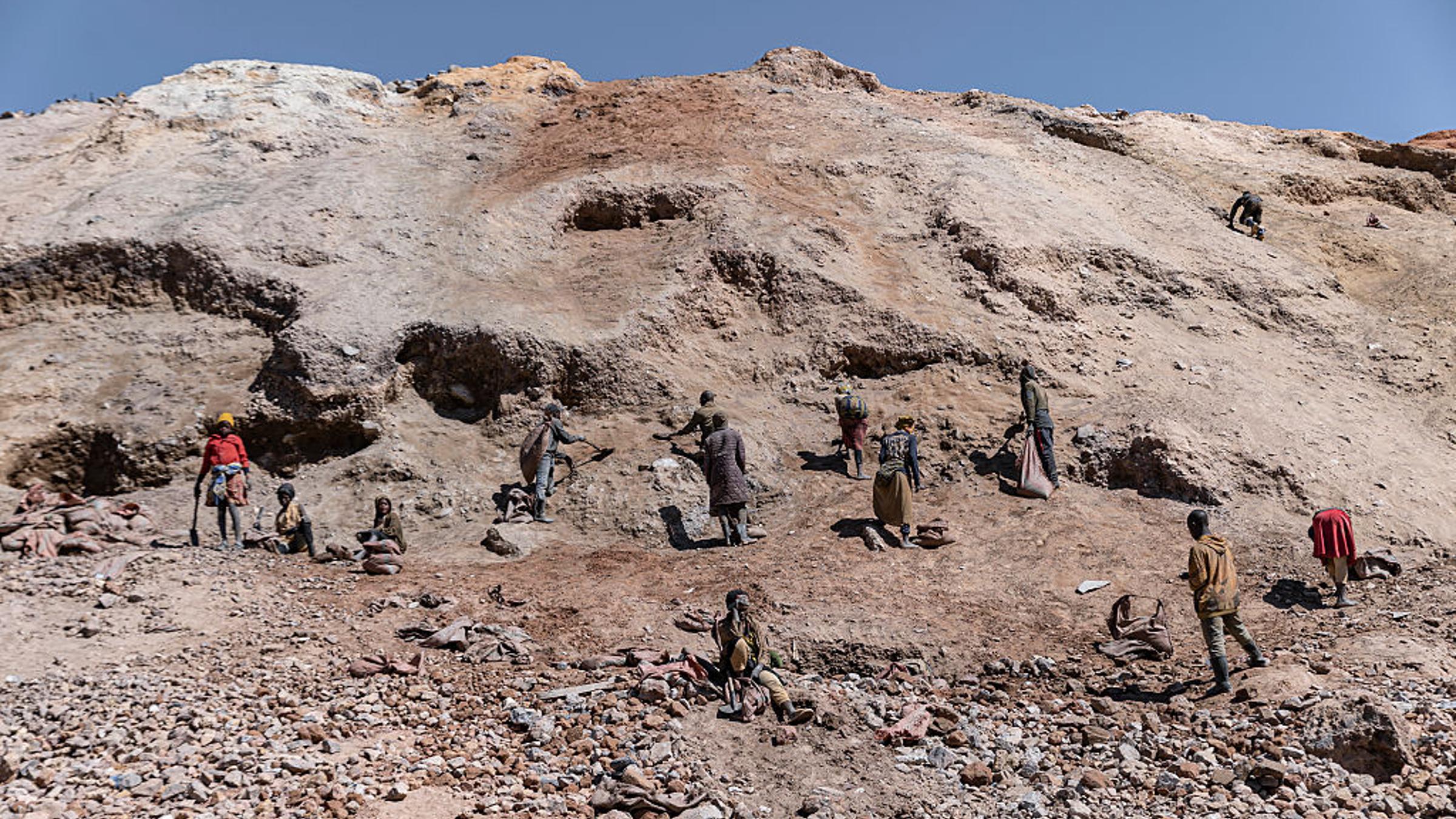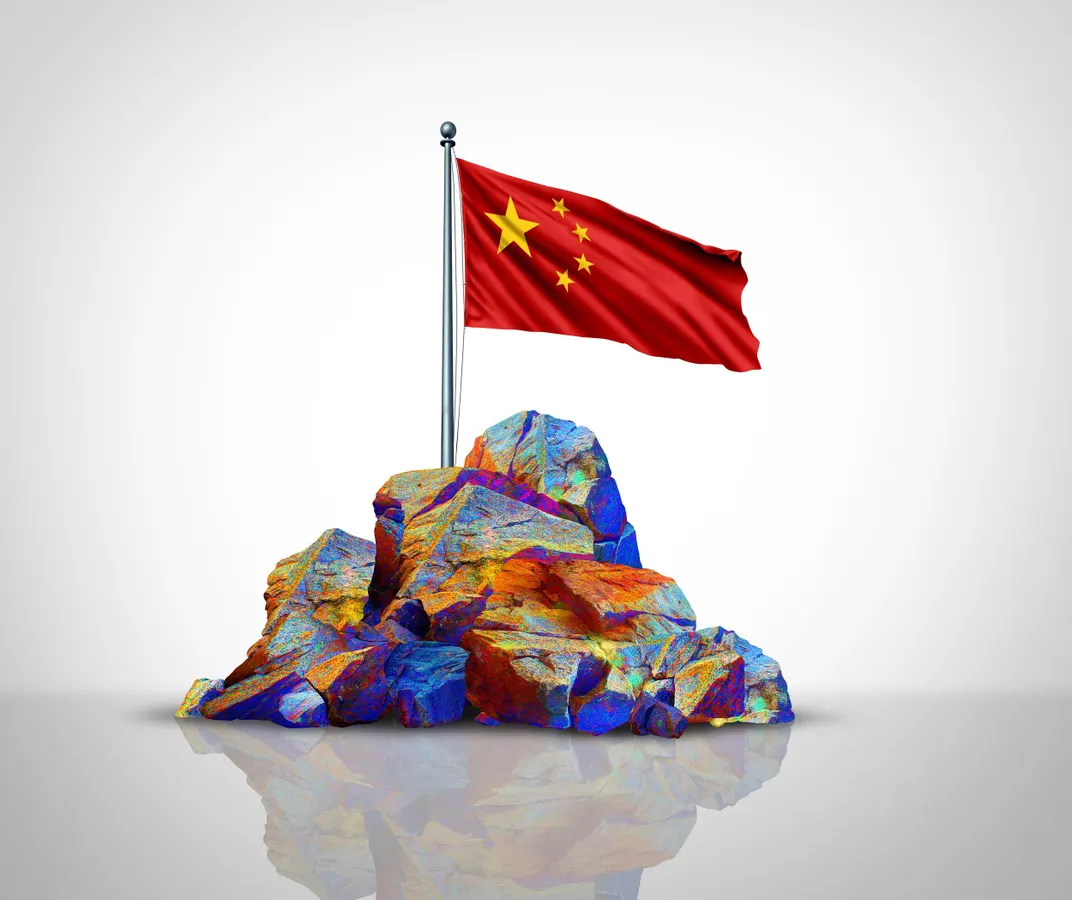
The United States is taking an increasing interest in critical minerals, given their role in artificial intelligence (AI), advanced manufacturing, the energy transition, and defense. Washington is launching high-level initiatives such as the Forum on Resource Geostrategic Engagement (FORGE) and Project Vault, and showering increased attention on mineral-rich countries like the Democratic Republic of Congo (DRC), where Chinese mining companies control approximately 80 percent of copper and cobalt production through dominance built over two decades of state-backed financing and infrastructure-for-resources deals.
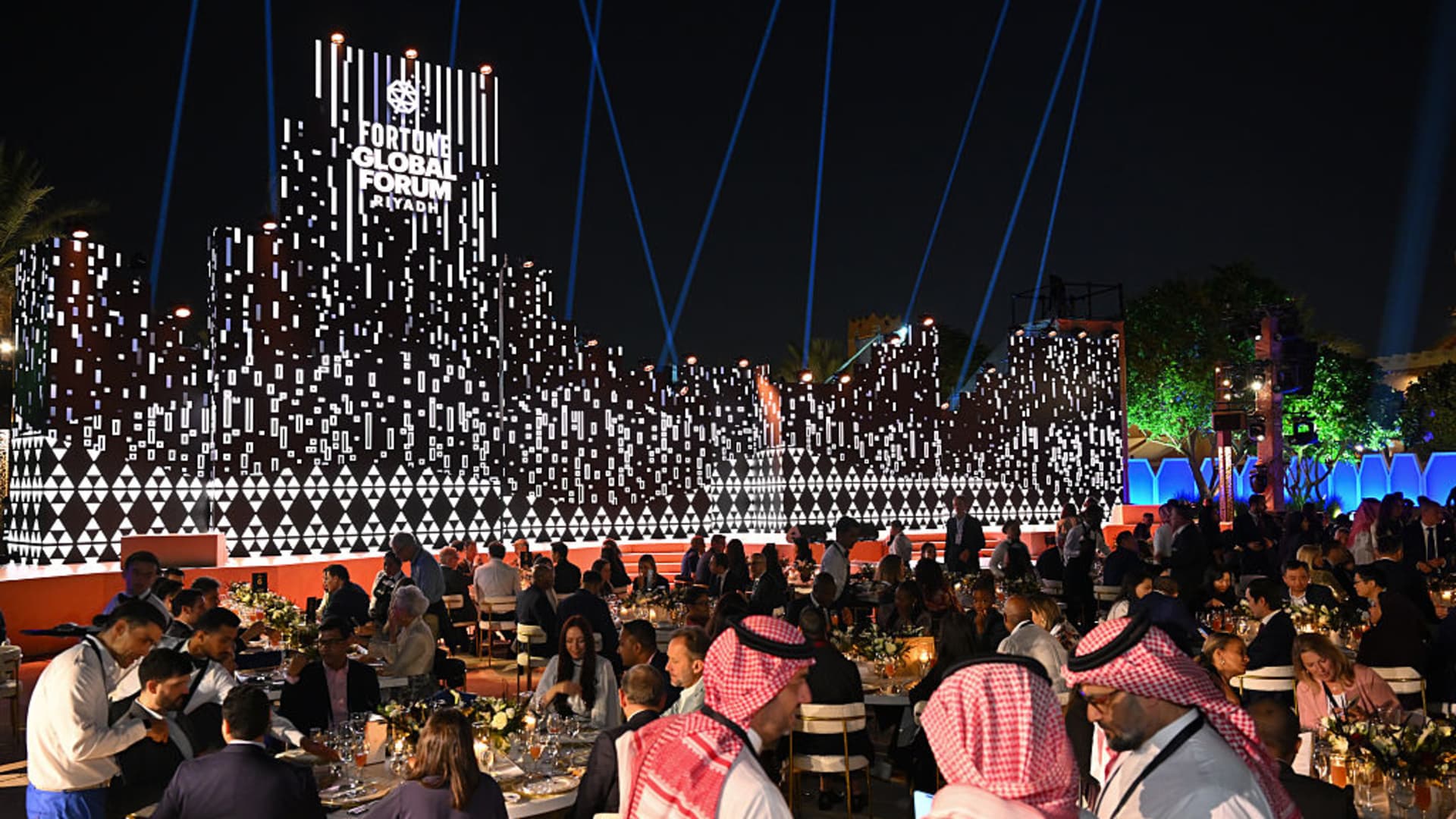
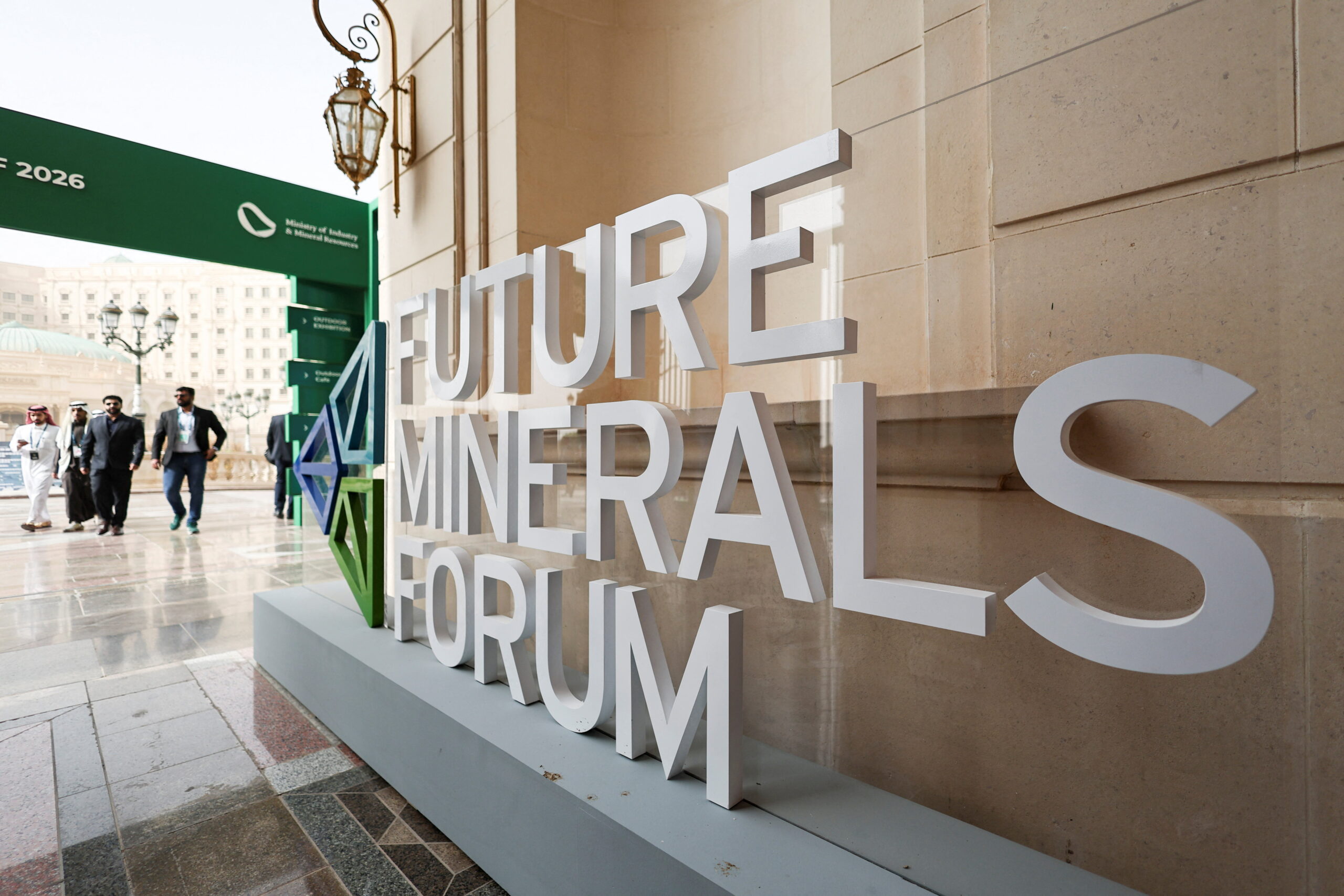
Now Gulf countries, particularly Saudi Arabia, the United Arab Emirates, and Qatar, are emerging as important players in this global game. The Future Minerals Forum in Riyadh has become a key convening point, and Gulf sovereign wealth funds (SWFs) have been investing heavily in the DRC.
These three Gulf states are in the process of developing post-hydrocarbon economic models in which critical minerals are essential inputs. Renewable energy infrastructure, battery manufacturing, and sovereign AI capacity all depend on reliable access to minerals whose supply chains are increasingly contested. Abu Dhabi’s sovereign AI investments, Saudi Arabia’s Vision 2030 technology agenda, and Qatar’s emerging digital economy each create demand for the kinds of minerals the DRC holds in abundance.DRC President Felix Tshisekedi has explicitly sought to attract Gulf and US capital as a counterweight to Chinese dominance, and Gulf SWFs have responded with significant capital commitments.