By Jessica Donati, Reuters
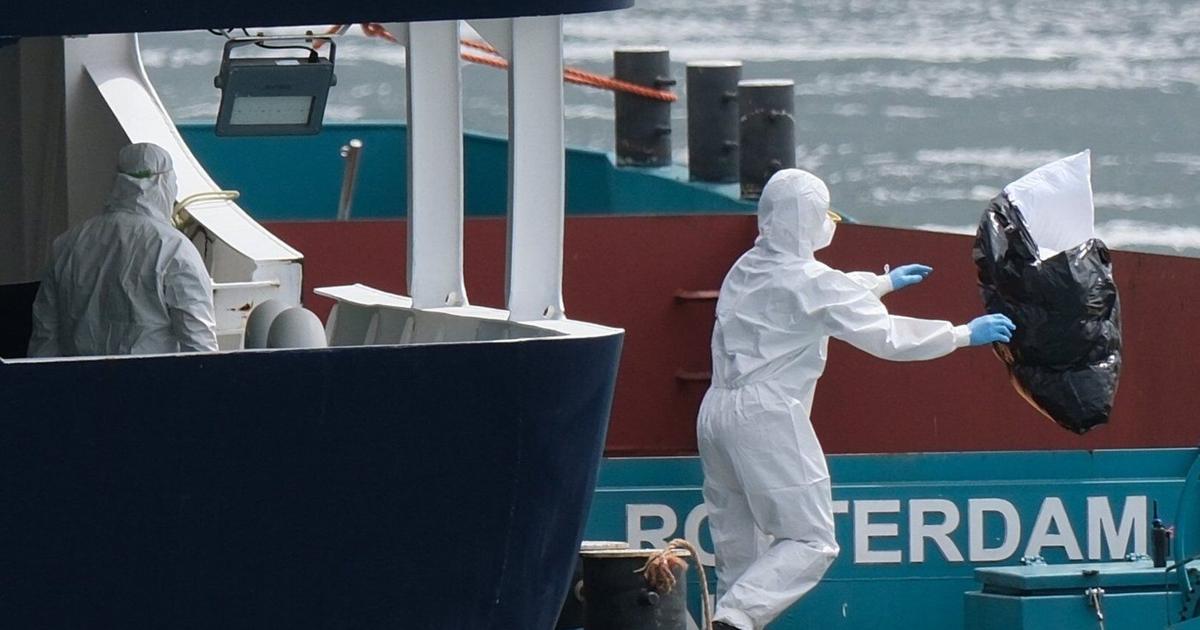
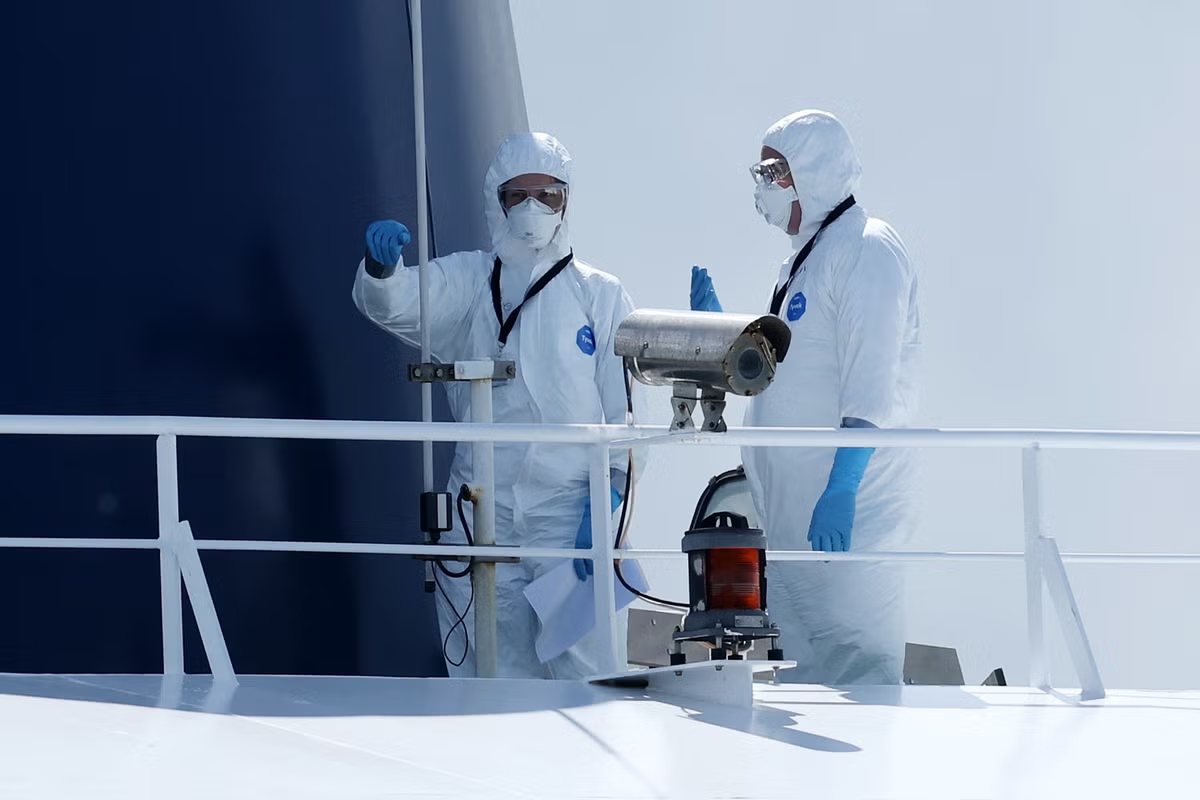
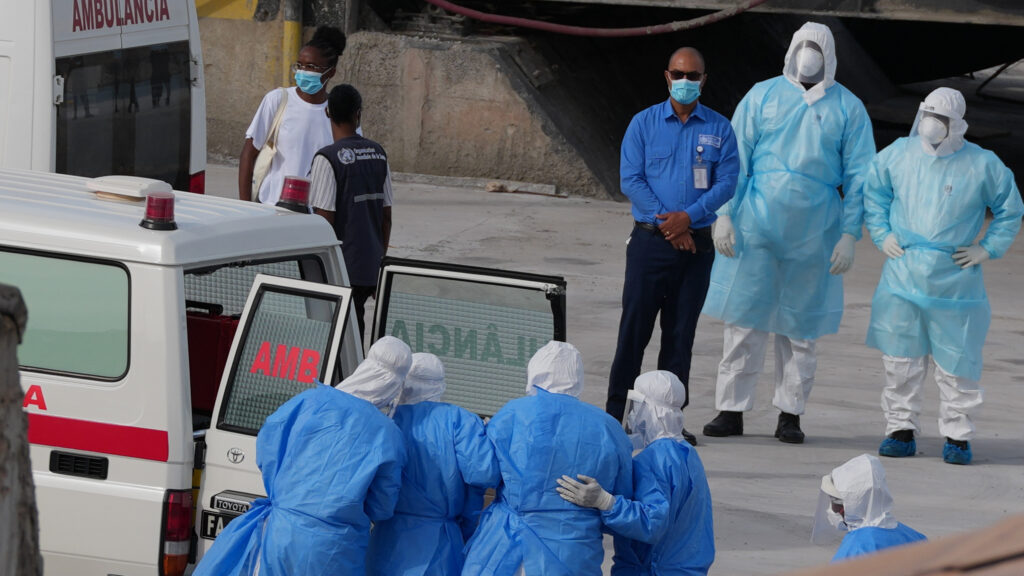
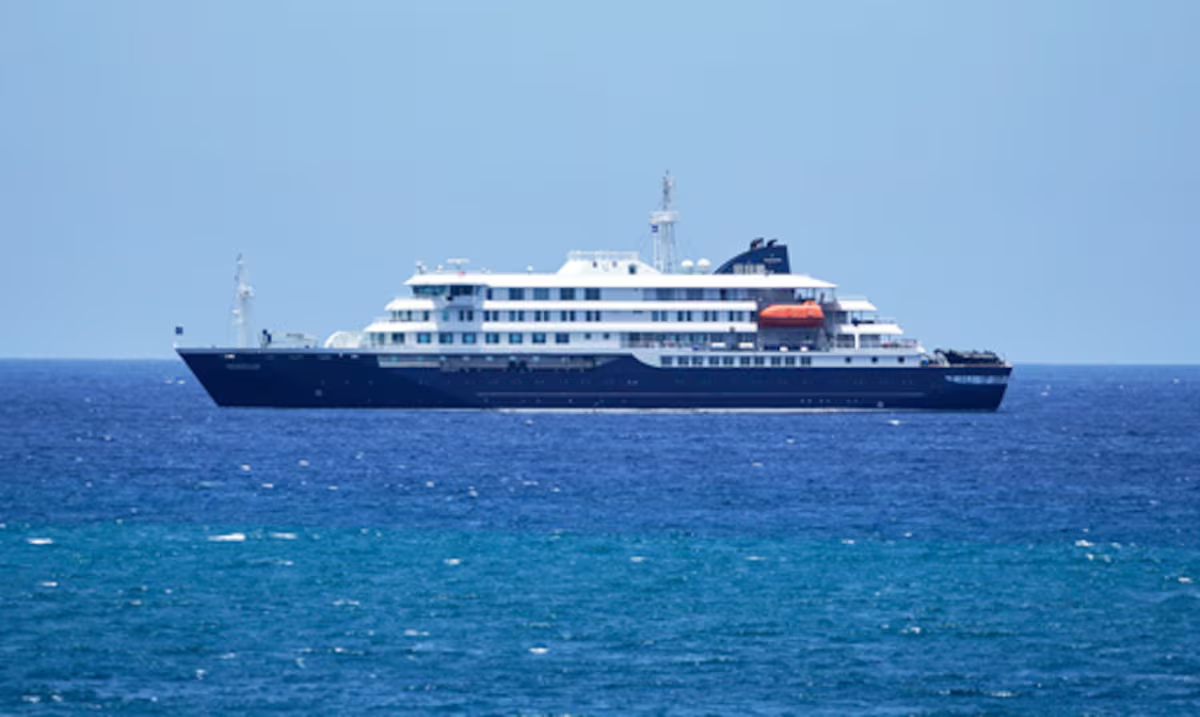
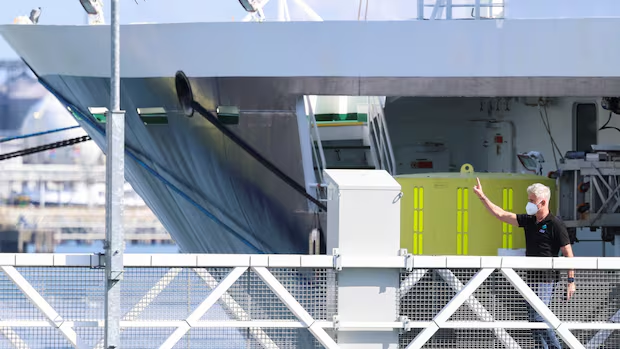
The call for help came in early May: a cruise ship off Cape Verde was stranded, with passengers suspected of infection by a deadly strain of hantavirus that kills about one in three of its victims.
The vessel had stopped at several remote islands, and the World Health Organisation needed answers. Could a biomedical research centre in Senegal, an hour's flight away, support a team collecting specimens from suspected cases on board?
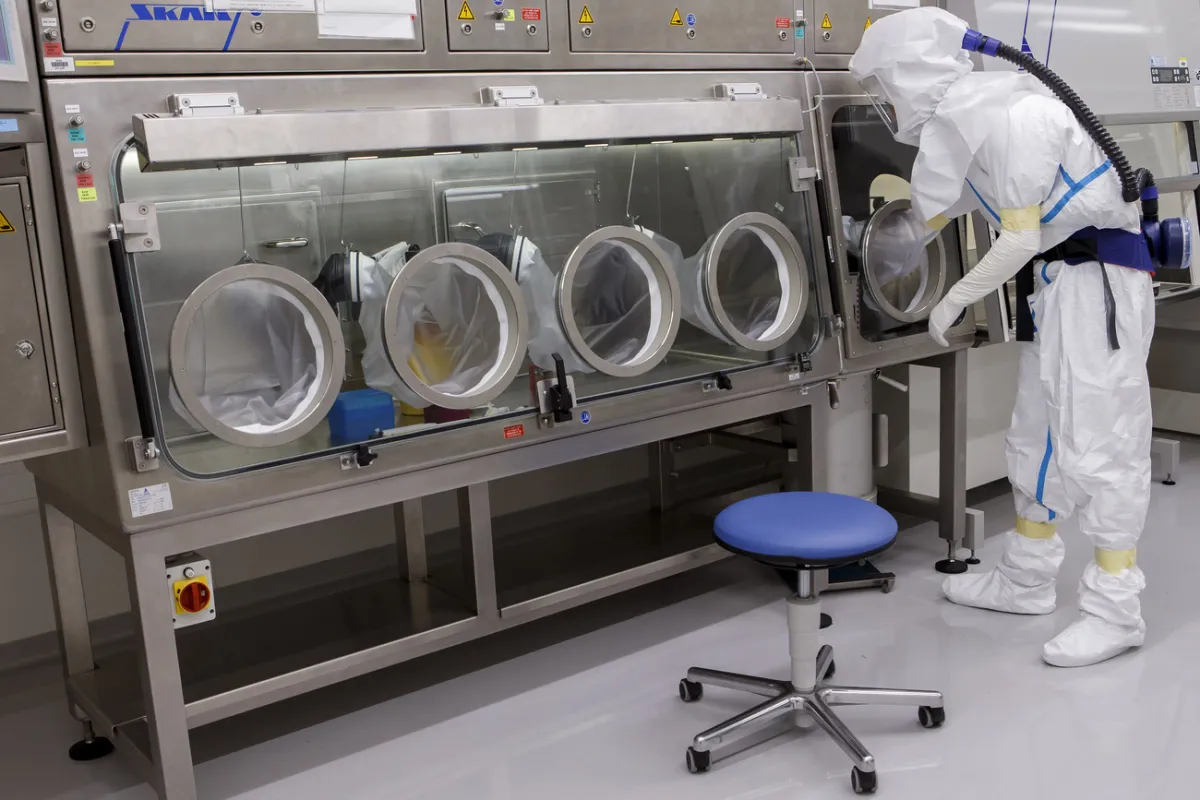
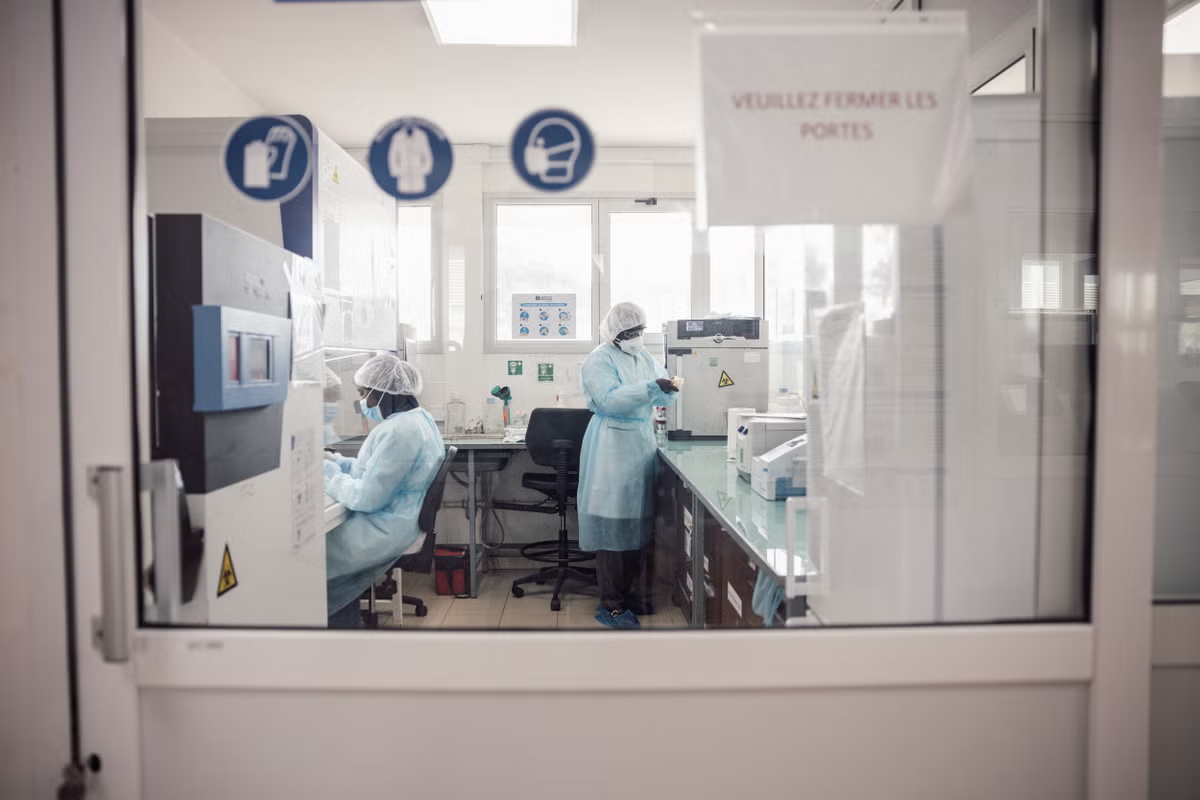
The plane landed in Senegal in the early hours of 5 May. At the Institut Pasteur de Dakar, scientists worked through the night, using sophisticated lab equipment and powerful computers to deliver results awaited by health officials worldwide.
Within 24 hours, they had produced a partial genome showing the illness affecting the passengers - cases five and six - was the Andes strain of hantavirus, known to spread through close human contact. Laboratories in South Africa and Switzerland reached the same conclusion that day.