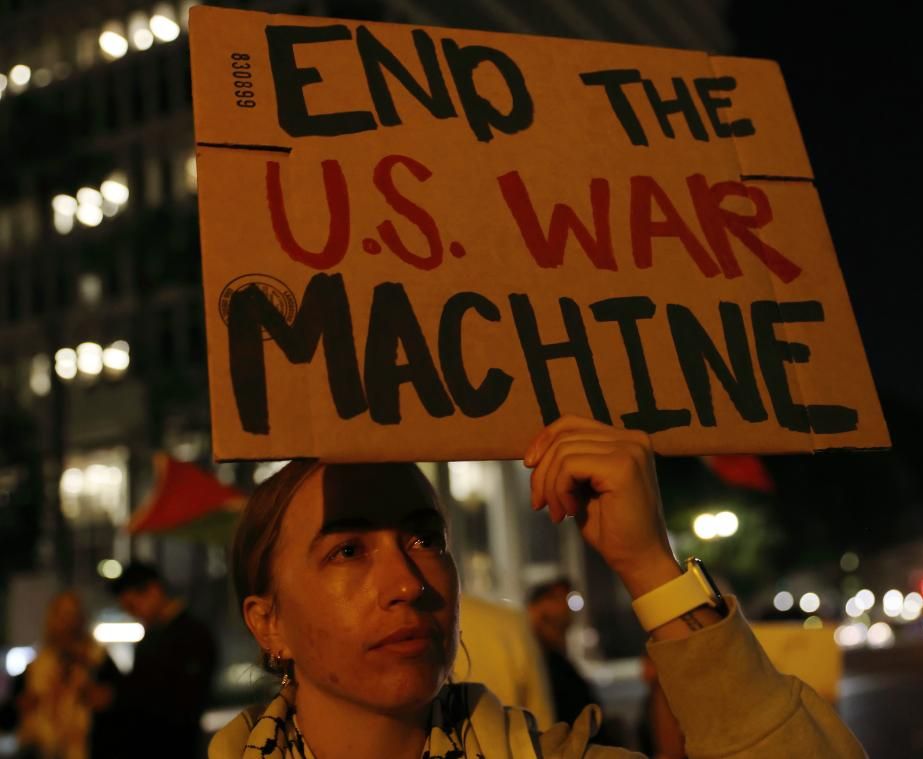
People protest against U.S. military attack on Iran in Los Angeles, the United States, on
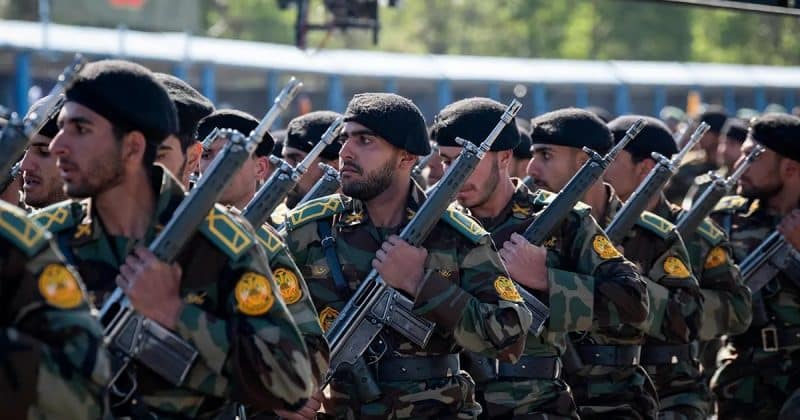
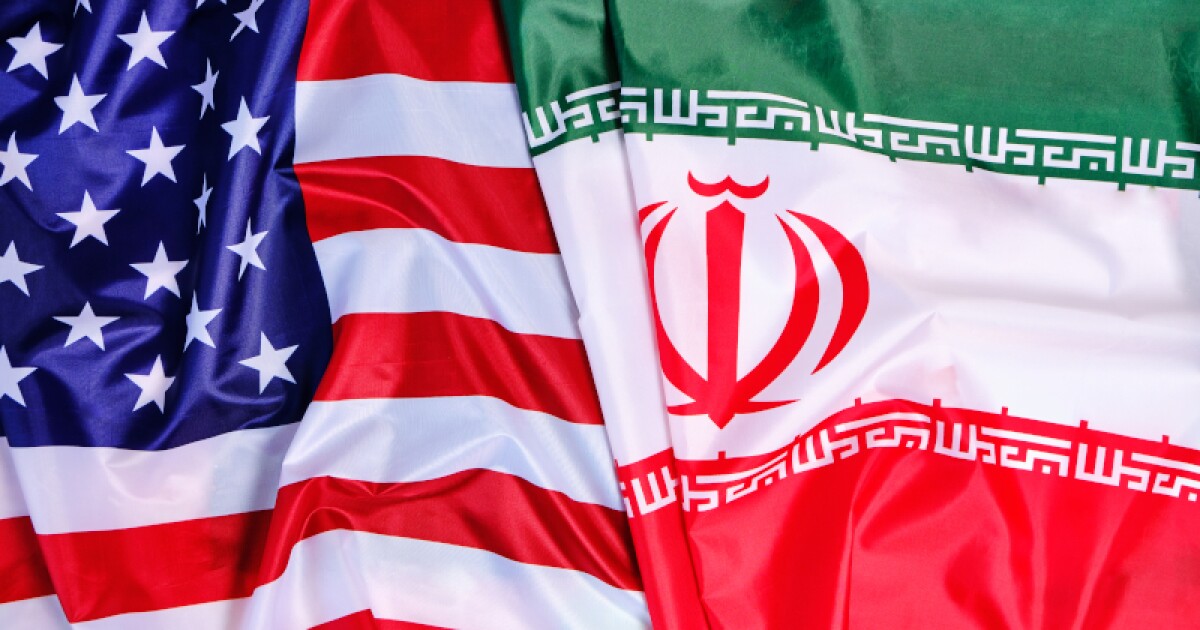
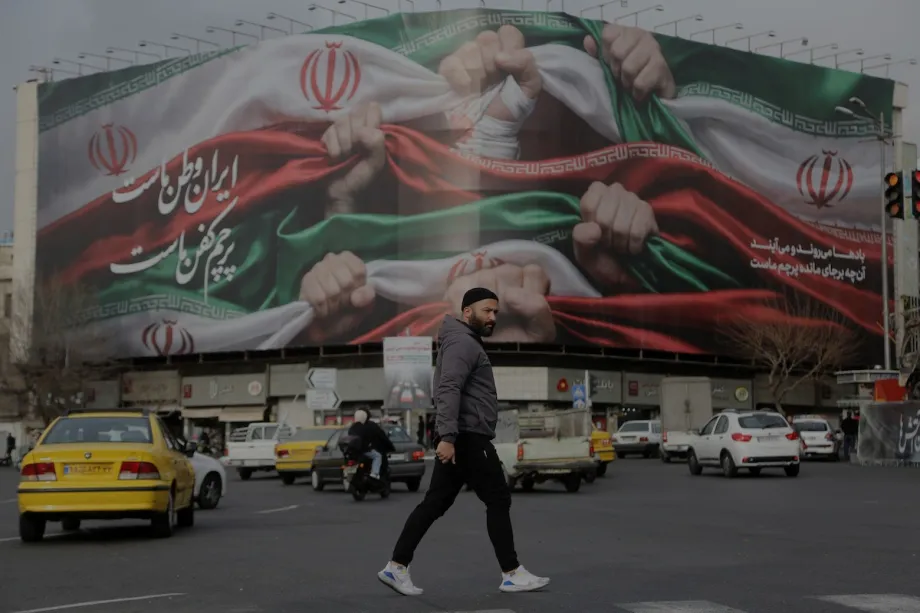
There are wars that nations fight with clarity of purpose, with defined enemies, declared goals, and a strategy for what comes after the shooting stops. And then there is the US-Iran war of 2026, a conflict that may go down in history not for its military might, but for its stunning lack of coherence, credibility, and direction.
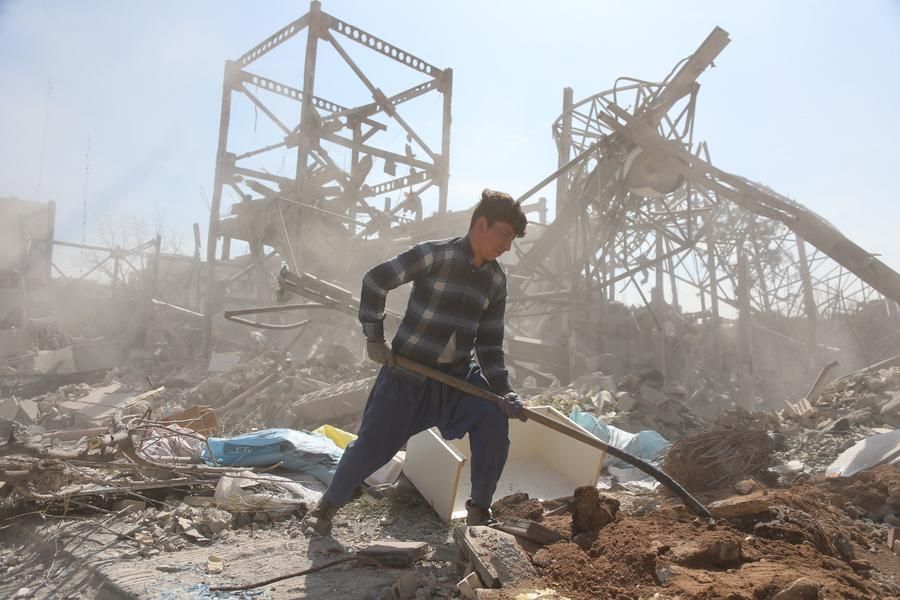
Since US and Israeli forces launched strikes on Iran in late February 2026, Americans have been treated to a spectacle that would be almost comical if real lives and livelihoods were not at stake. The war began without a congressional declaration, without a formal strategy, and according to multiple intelligence sources, without even a clear and honest justification. At his State of the Union address in February, President Trump claimed Iran had restarted its nuclear program and was developing missiles capable of striking the United States. US intelligence reports, however, suggested Iran posed no such military threat and would need until 2035 to build such missiles (if it chose to do so at all). The administration offered a rotating carousel of rationales for the war like preventing Iranian retaliation on Israel, destroying missile capabilities, seizing oil resources and regime change.