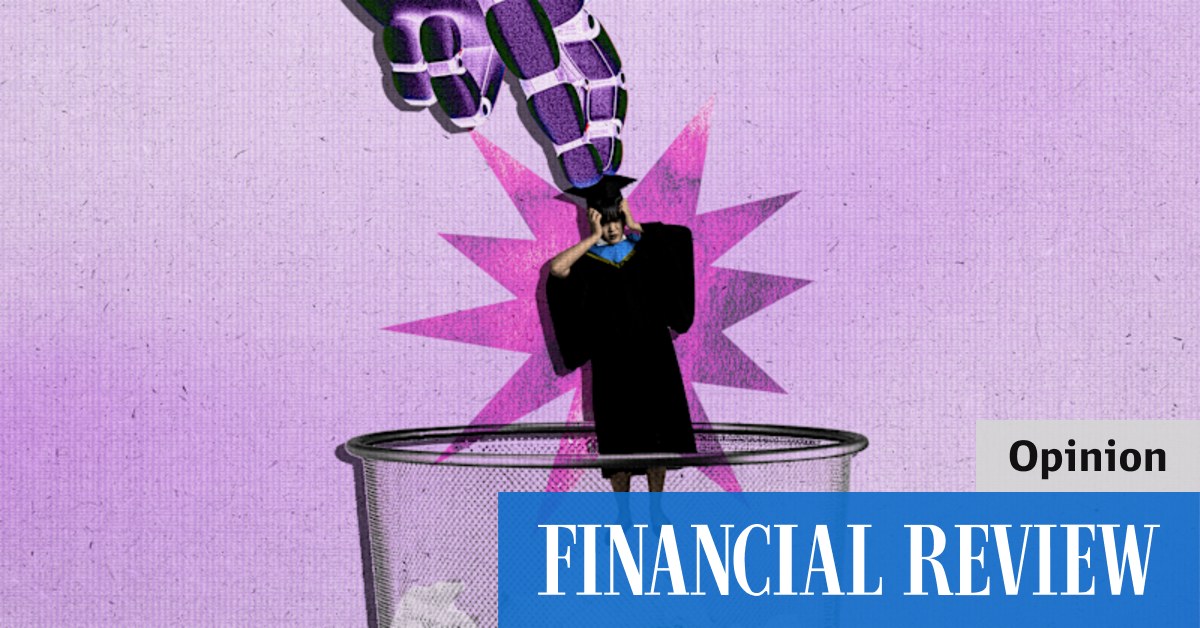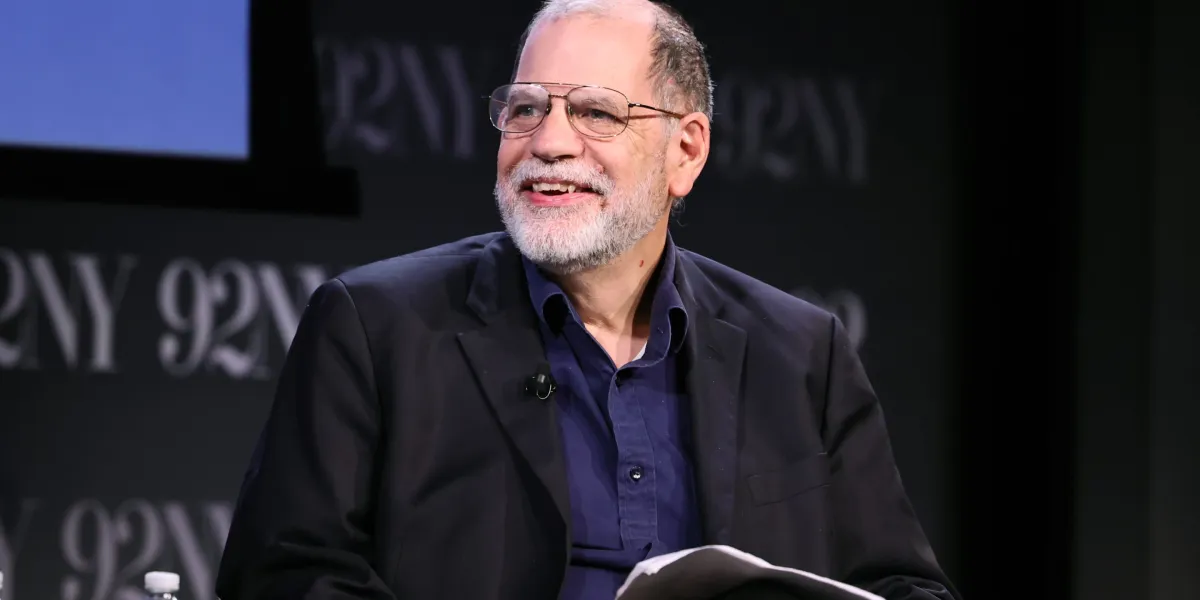
The dystopian scenario has become familiar: artificial intelligence sweeps through the economy, machines take the jobs, and workers are left behind. Tyler Cowen doesn’t buy it — but his alternative isn’t exactly reassuring.
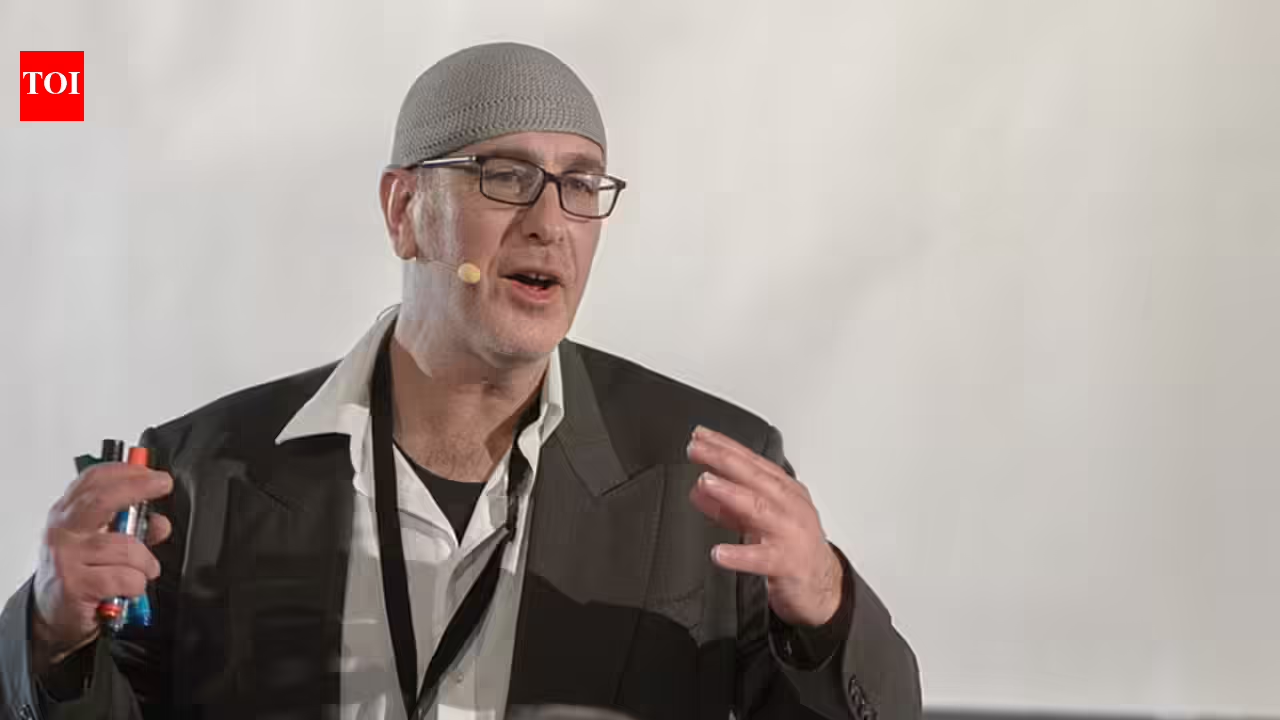
“AI will not bring mass unemployment,” the George Mason University economist and Bloomberg columnist said during a keynote at the Sana AI summit at the New York Public Library in New York City. “But it will change most jobs.” For Cowen, that distinction matters enormously. And it points to a problem that may be harder to solve than unemployment: the psychological, social, and institutional cost of adjustment.
The adjustment won’t be uniform. The economist, who has blogged nearly every day since 2003 at his outpost Marginal Revolution, laid out a striking inversion of conventional wisdom about who wins and who loses. The people most at risk, in his telling, aren’t truck drivers or factory workers — they’re the Manhattan lawyers, strategy consultants, and finance partners who spent decades mastering a set of elite credentials and playing by the rules. “Those are actually the people who might lose,” he said. “The people who will win are the people who are best at taking initiative, figuring out how AI works, figuring out how agents work, doing something different,” including, Cowen suggested, workers in the developing world and immigrants who never had access to those rules in the first place.