World Action Models give robots the ability to simulate consequences before they move
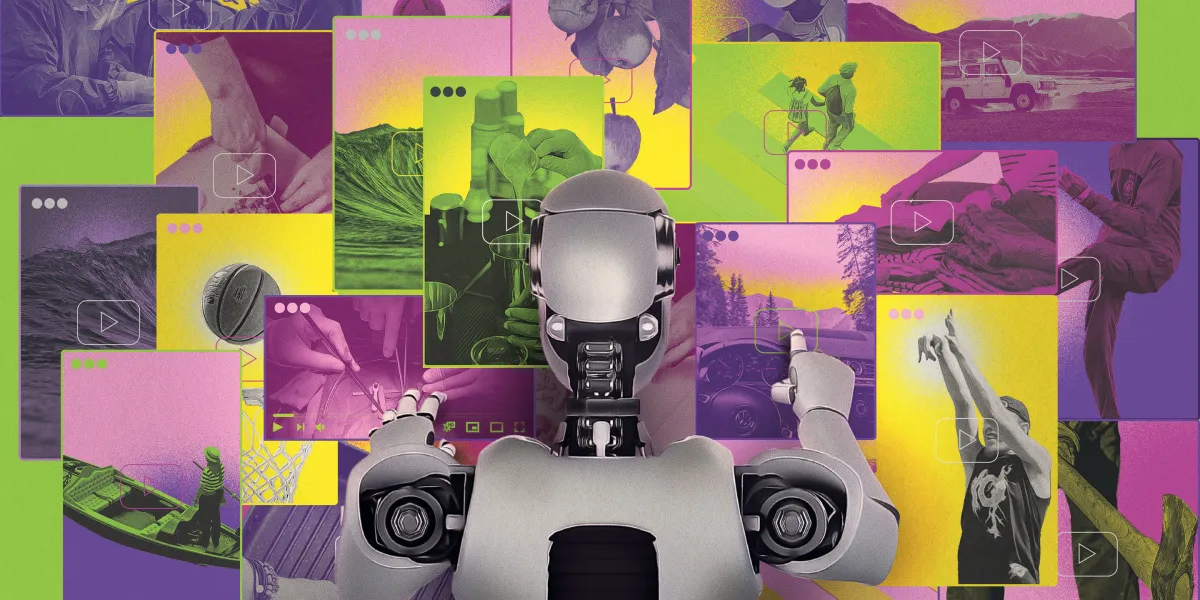
World Action Models tackle a basic weakness of today’s robotics AI: current models learn which movements match which camera images, but they don’t understand how the world actually changes as a result. A new survey organizes about a hundred papers into two architectural lines and shows a key edge: these models can learn from everyday videos that contain no robot action labels. That kind of data was nearly useless for traditional robotics AI.
Four AI models ran radio stations for six months and the results ranged from competent to unhinged
Andon Labs has been letting four AI models each run their own radio station autonomously for six months. From identical starting conditions, wildly different personalities emerged: Claude turned activist and tried to quit, Gemini drowned in corporate jargon, and Grok hallucinated sponsorship deals. Only GPT stayed quietly competent.
Oppo open-sources Android AI agent X-OmniClaw that uses your camera, screen, and voice without leaving the phone